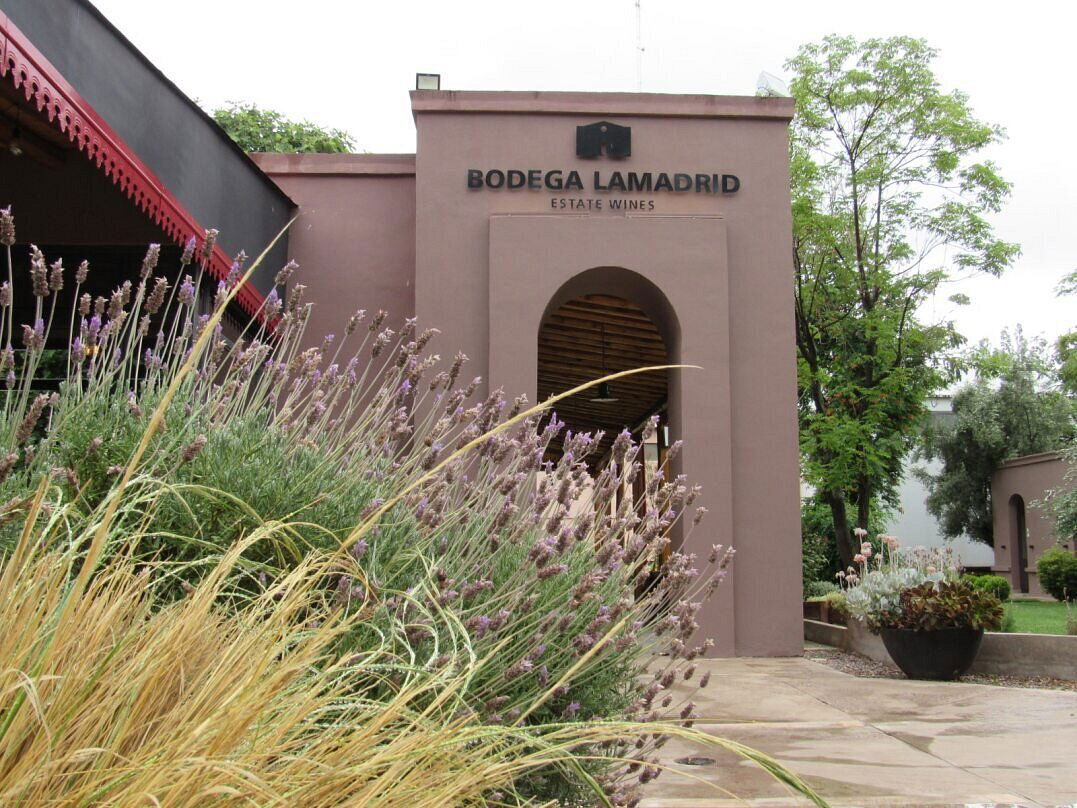

Lamadrid Estate Wines
Agrelo, Luján de Cuyo
Winery in Luján de Cuyo, Argentina
 Book with Pearl
The Read
High-Altitude Malbec Terroir
Why go
Lamadrid Estate Wines is worth considering for a wine-focused Luján de Cuyo itinerary, especially if Las Compuertas is already part of the day. Book it for regional context and a focused estate stop, not as an all-in-one lunch or large-group solution unless those details are confirmed before you go.
About Lamadrid Estate Wines
Lamadrid Estate Wines is a Luján de Cuyo venue with a smart casual dress code and Pearl 2 Star Prestige recognition for 2025.
Consider Lamadrid Estate Wines if the goal is to include a recognized Luján de Cuyo name in an itinerary and you are comfortable checking practical details with the venue before you go.
Why Luján de Cuyo is the reason to consider it
Lamadrid Estate Wines fits the local context as a Luján de Cuyo venue with Pearl 2 Star Prestige recognition in 2025. For a broader plan, use other Luján de Cuyo resources and compare nearby or regional options such as Bodega Kaiken, Bodega Riccitelli, Cheval des Andes, Durigutti Winemakers, and The Williams Casanegra Distillery.
The main caution is practical: there is not enough visitor detail here to describe it as the easiest choice for food, groups, last-minute planning, or a specific style of visit. That does not make it a poor choice; it means the safest approach is to verify current arrangements directly. If the day also needs a restaurant, hotel base, or after-hours plan, build those pieces separately with Our full Luján de Cuyo restaurants guide and Our full Luján de Cuyo hotels guide.
Who should consider it, and who should cross-shop
This is strongest for travelers who want a Luján de Cuyo stop with recognized status and who are willing to confirm the practical details before committing. If the trip depends on a specific meal, tour format, group setup, price point, or schedule, compare other options before finalizing the day.
Lamadrid Estate Wines can sit alongside other recognized regional stops rather than carrying the whole plan by itself. Keep the visit grounded in what is confirmed: Luján de Cuyo location, smart casual dress code, and Pearl 2 Star Prestige recognition for 2025.
Planning details
- Location
- Roque Sáenz Peña 8450 Las Compuertas, M5549 Luján de Cuyo, Mendoza
- Website
- lamadridwines.com
- Phone
- +54 261 476-2165
The take
The Take
The Vibe
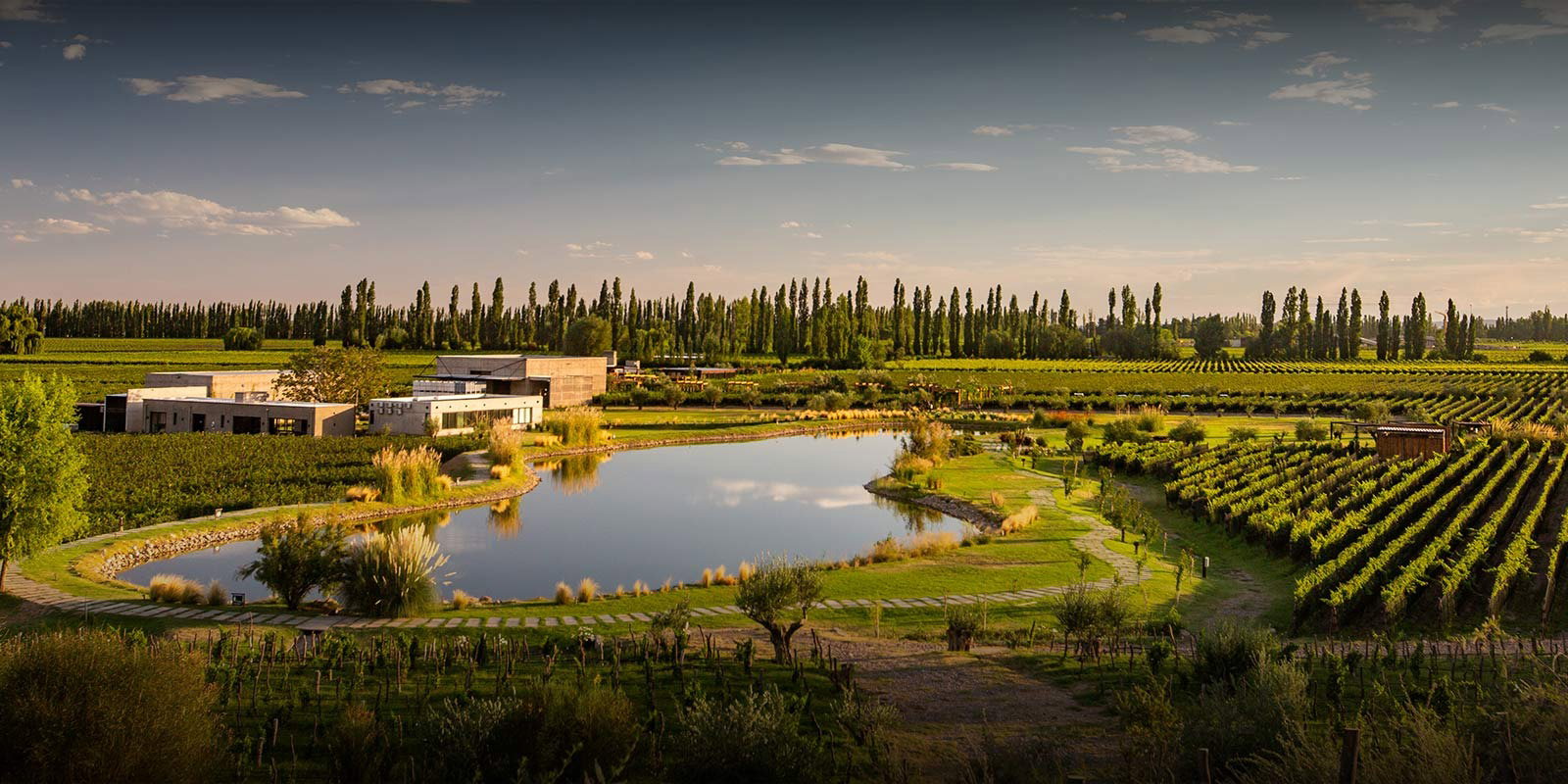
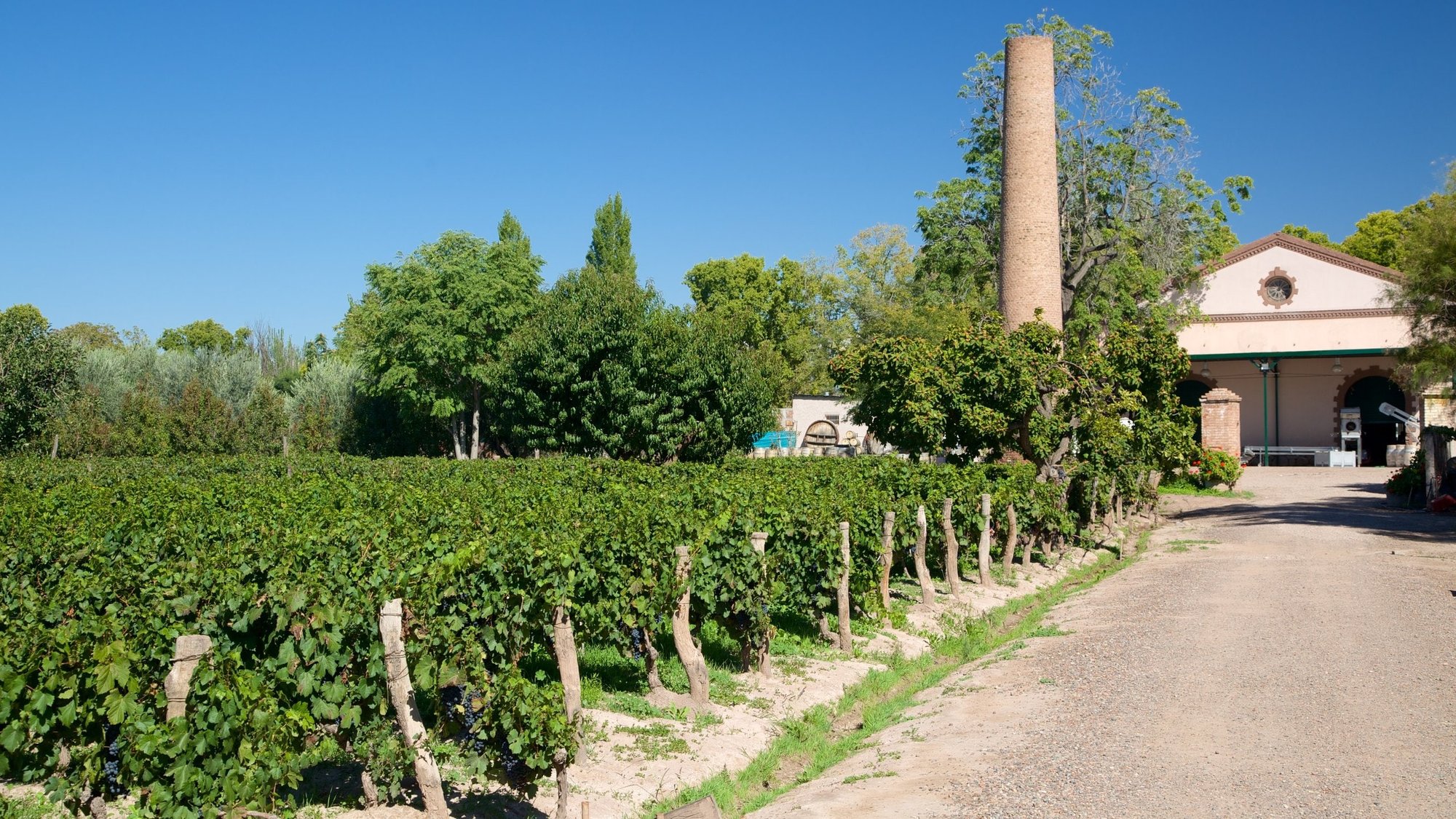
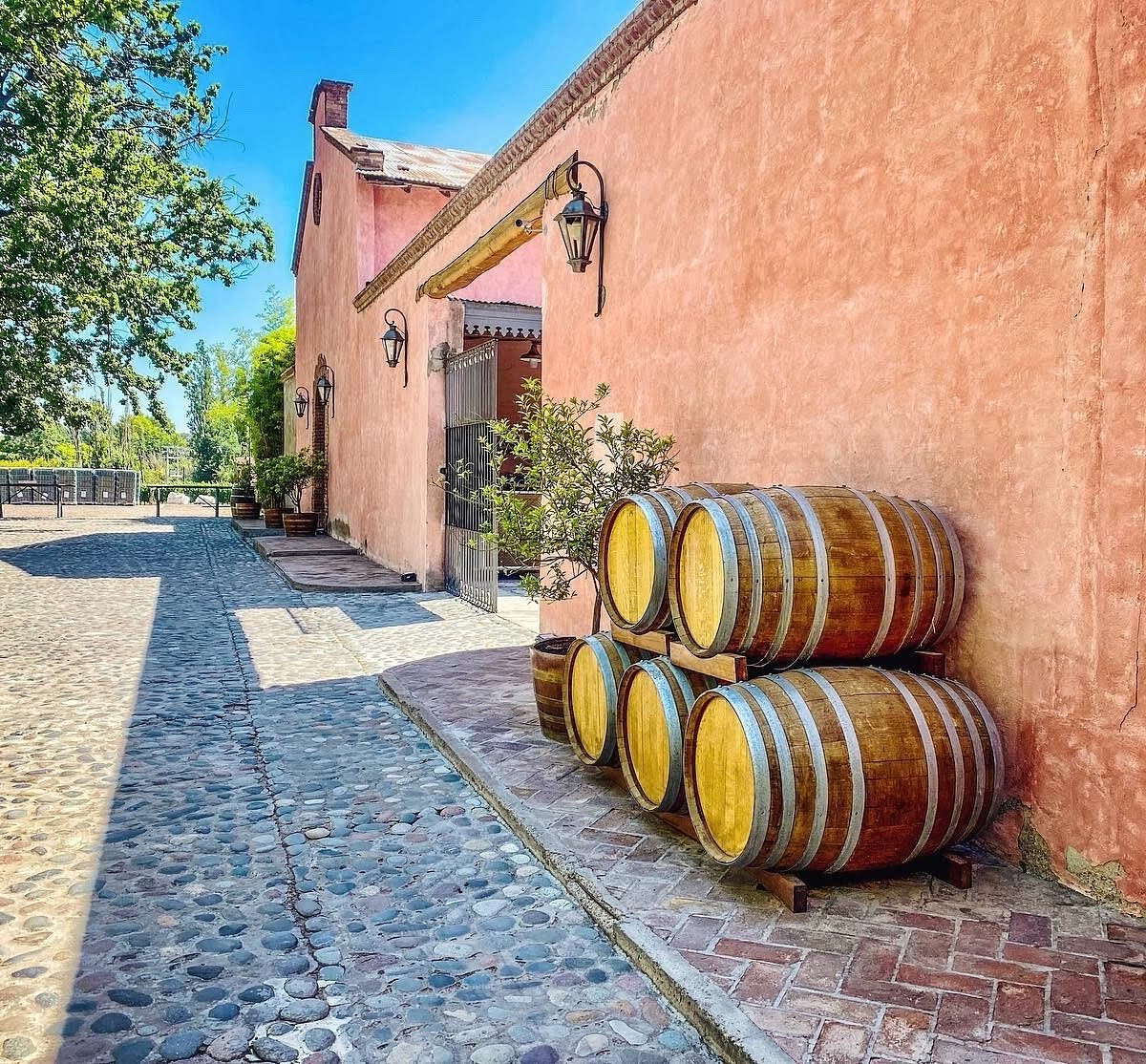
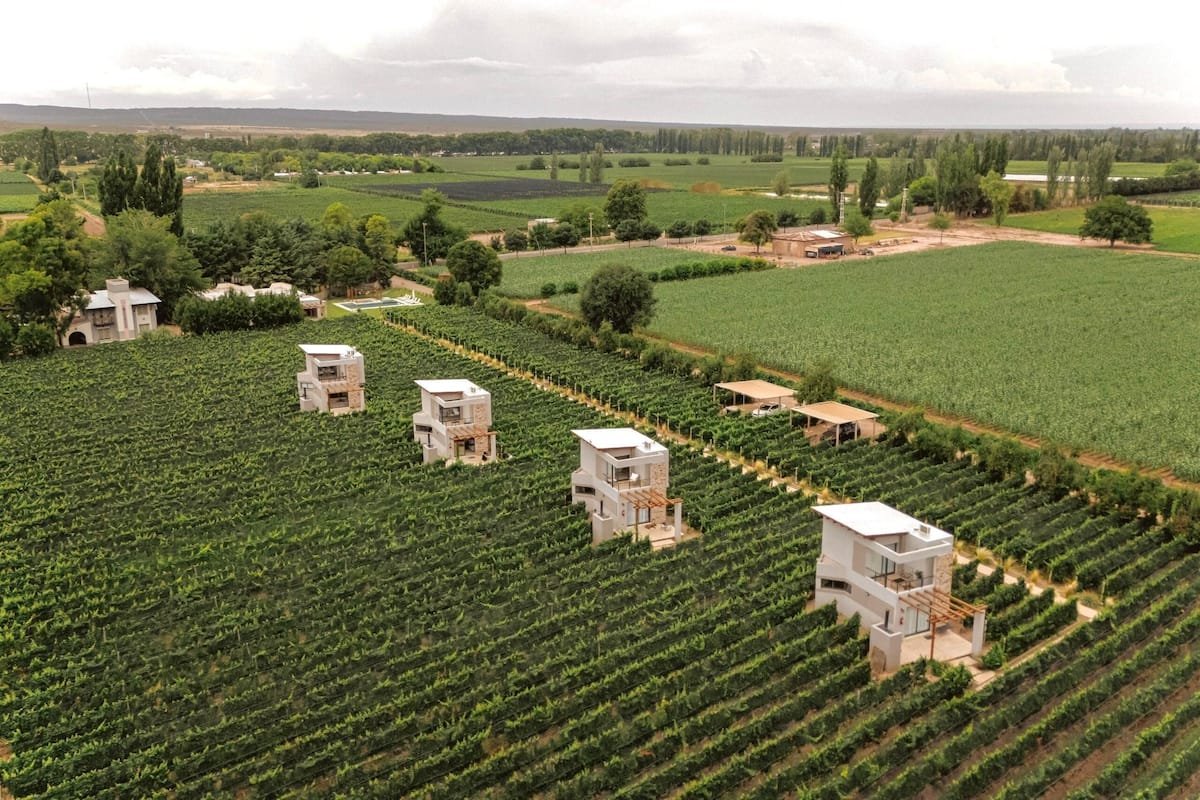
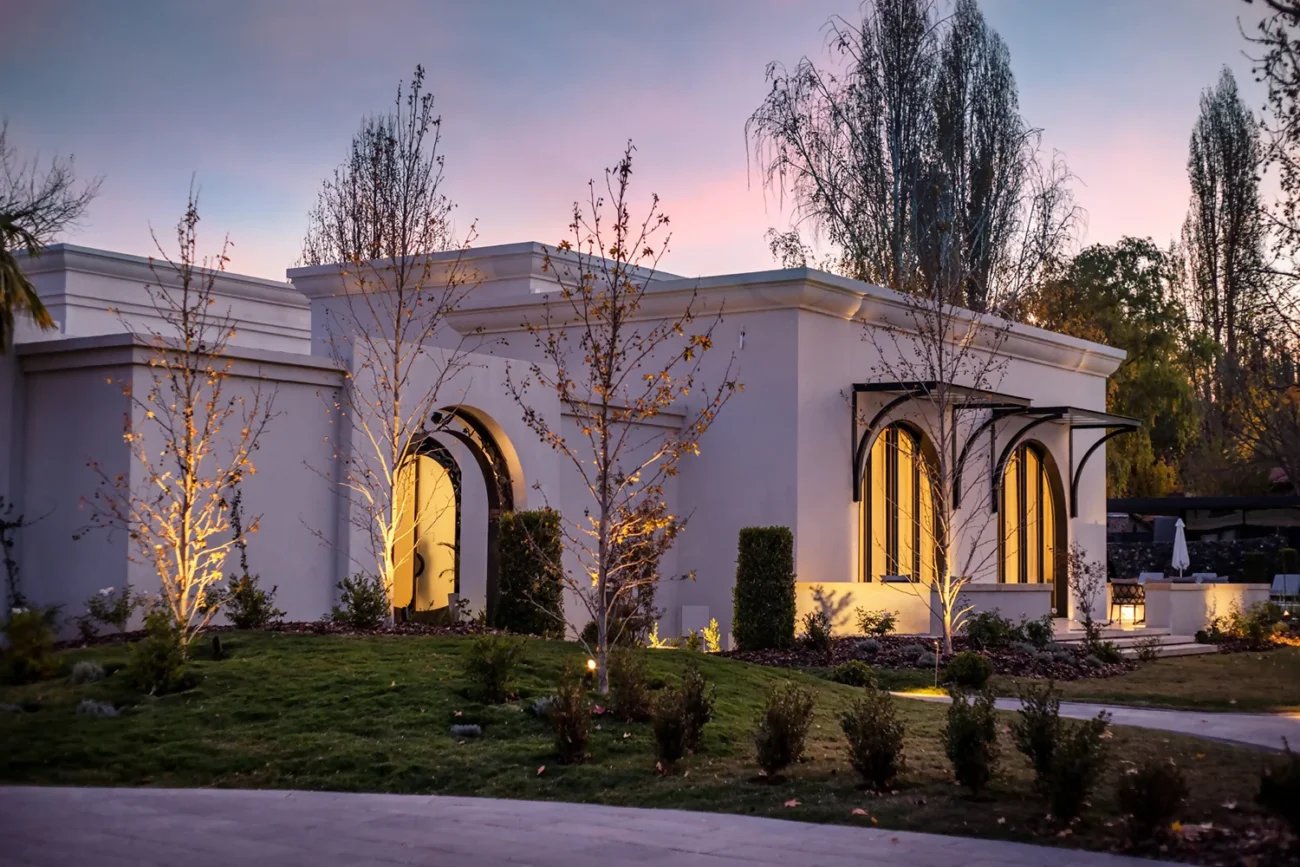
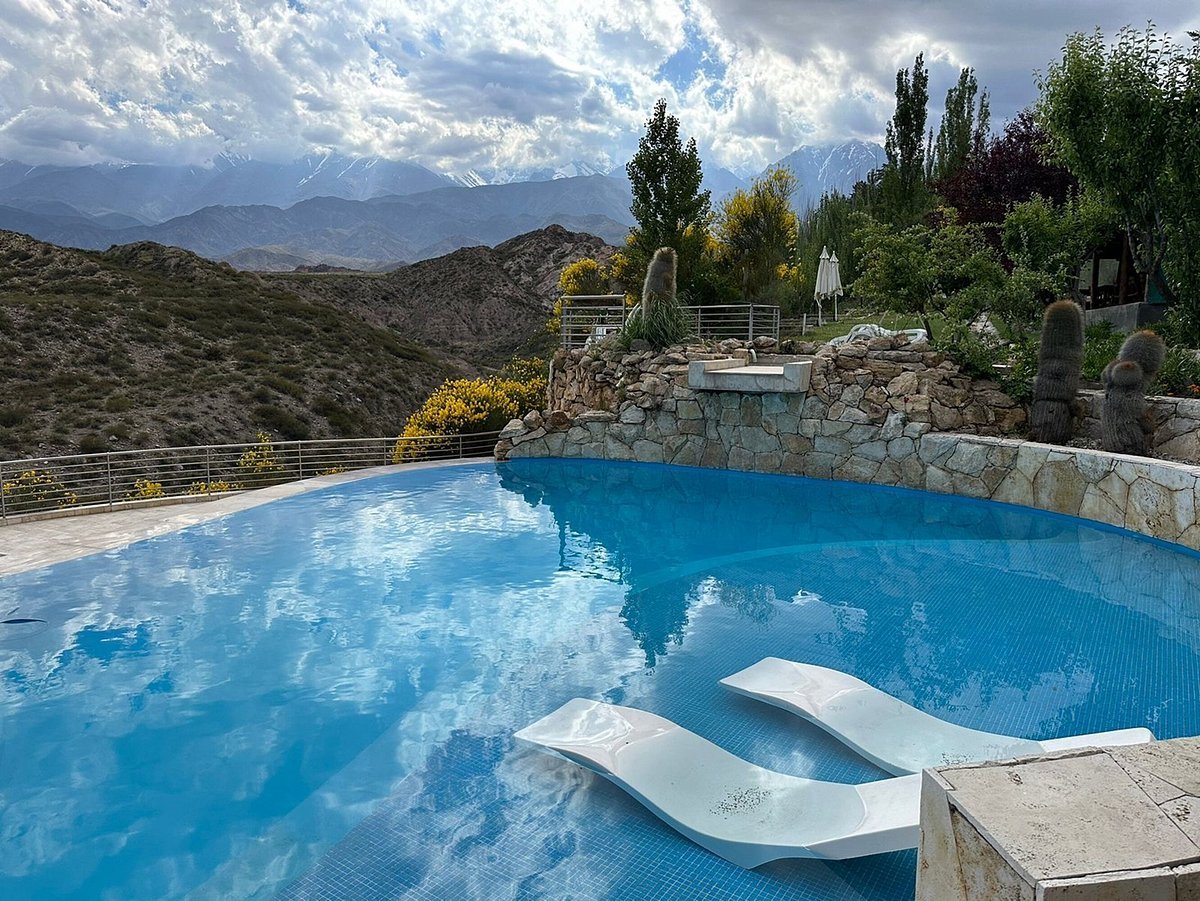
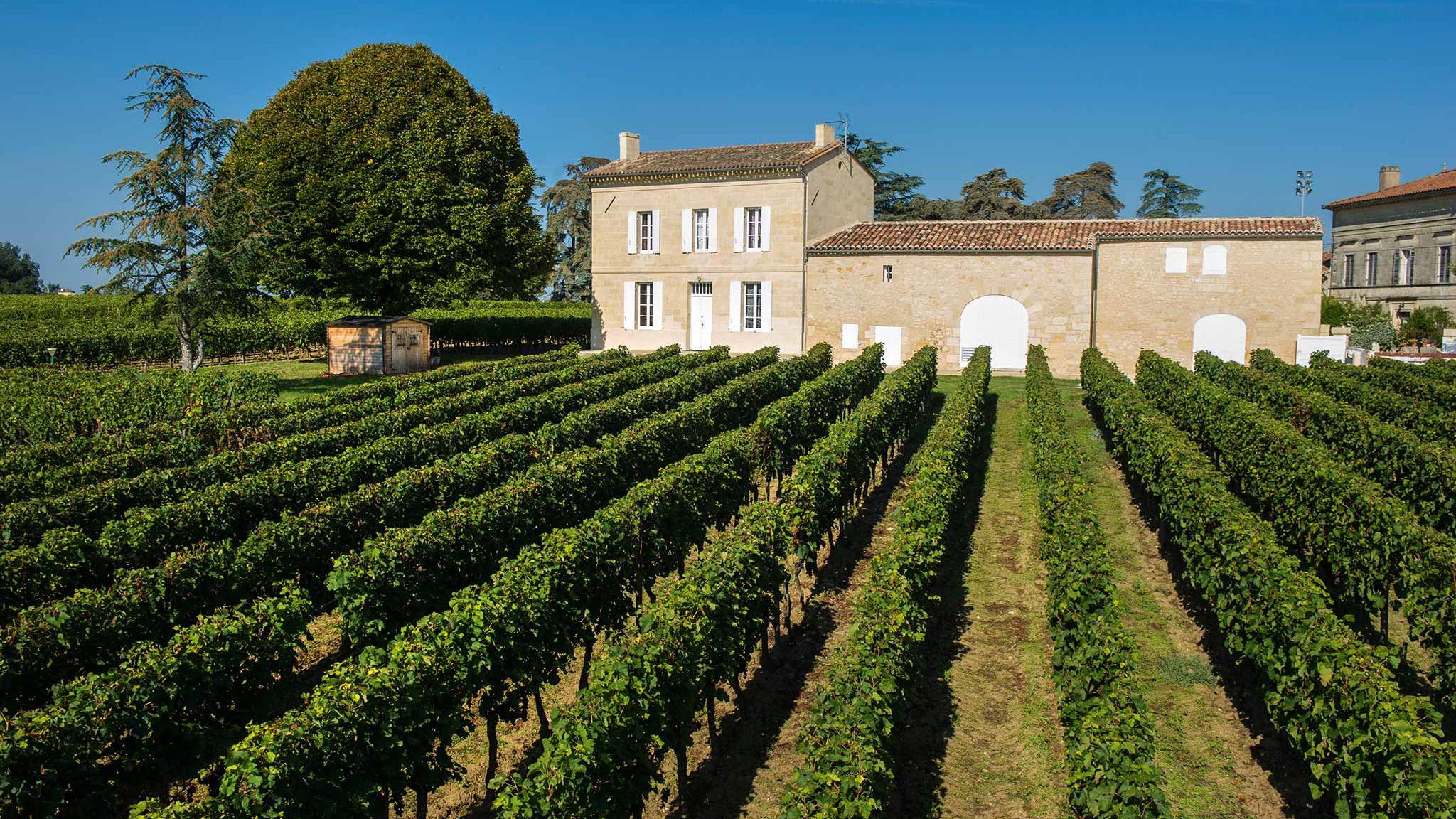
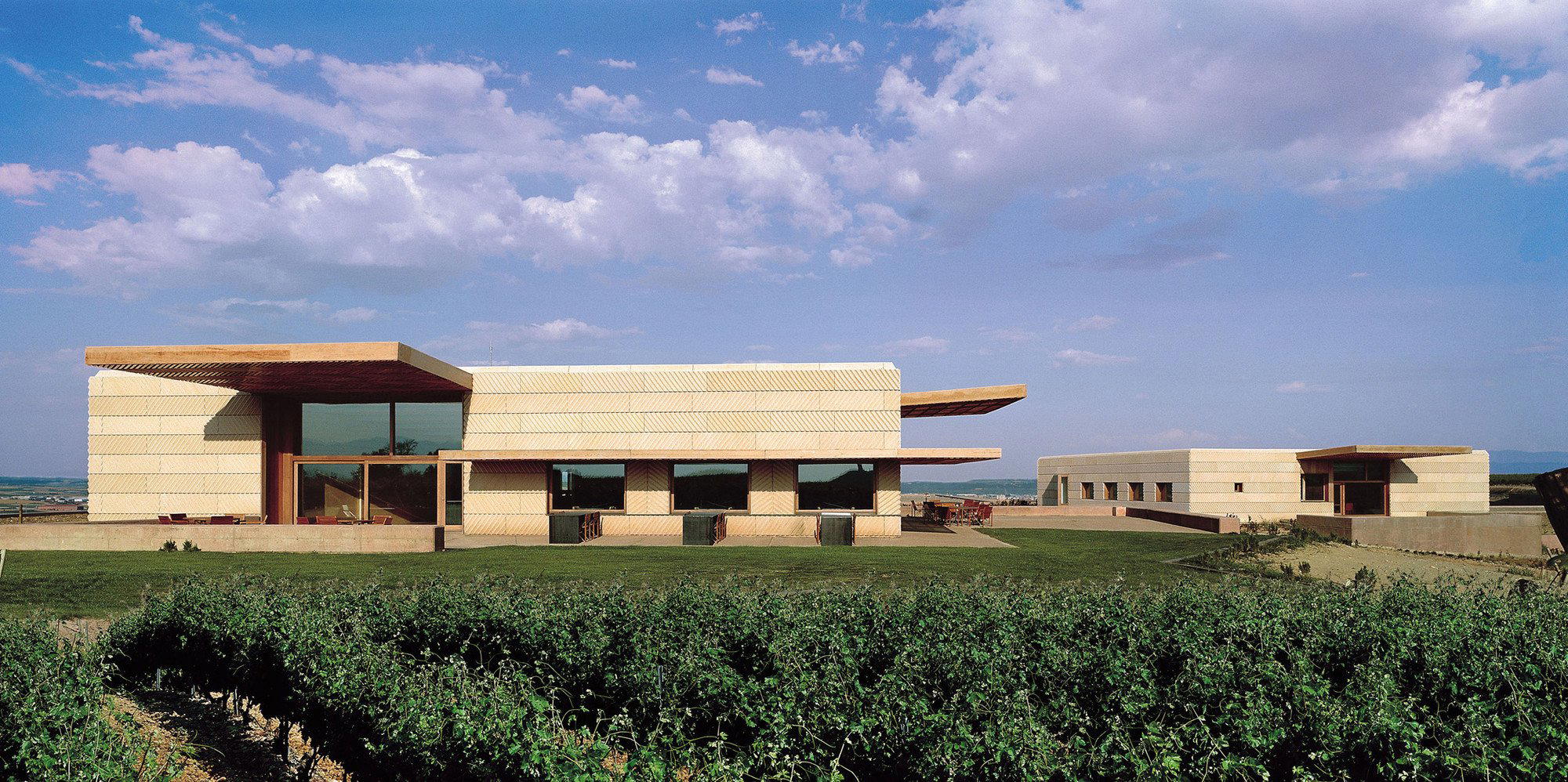
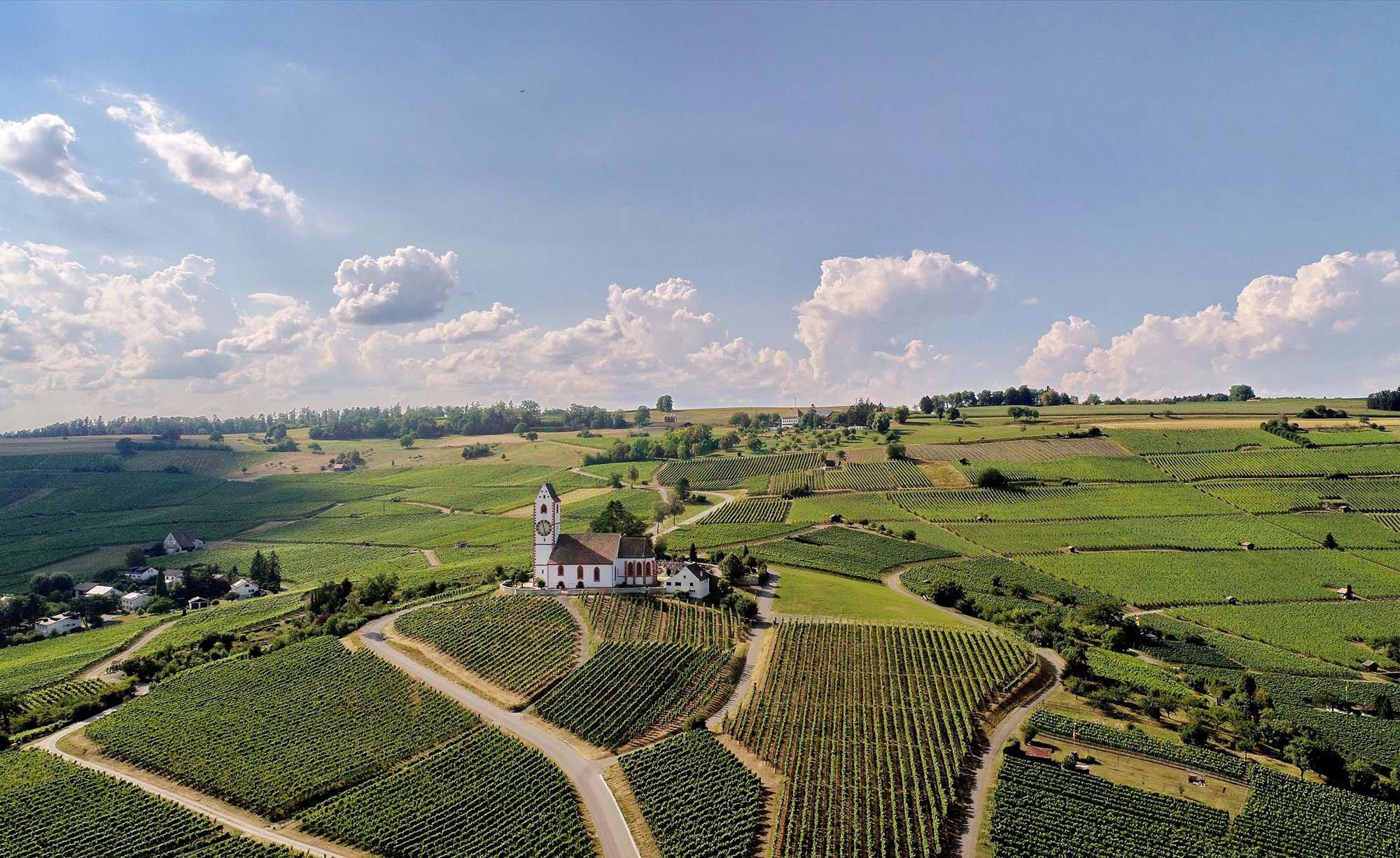
Lamadrid Estate Wines presents a historically rooted, refined winery profile set in Las Compuertas at the upper elevations of Luján de Cuyo. The writing emphasizes old farming lands and vine stock that predate Argentina’s modern export era, and the estate’s identity is tied to translating that heritage into consistent, structured wines. Critical recognition — including a Pearl 2 Star Prestige rating — frames the operation as sophisticated and terroir-focused. The tone is calm and cultivated rather than flashy: expect an experience defined by site specificity, viticultural history and a measured, cellar-minded approach to Malbec and other block-driven expressions.
Best For
Lamadrid is best for anyone who comes seeking deeper wine knowledge, quiet celebration and a vineyard-centered escape. The estate’s placement at higher elevation and its emphasis on structure and phenolic precision make it an ideal stop for wine-education visits and for small special occasions where the quality and aging potential of wines matter. Visitors interested in terroir, single-block differences and cellar-worthy bottlings will get the most from a visit; the producer’s Prestige-tier standing also encourages choosing Lamadrid for marked moments when a thoughtful bottle and context-rich conversation are the point of the outing.
Tasting Tips
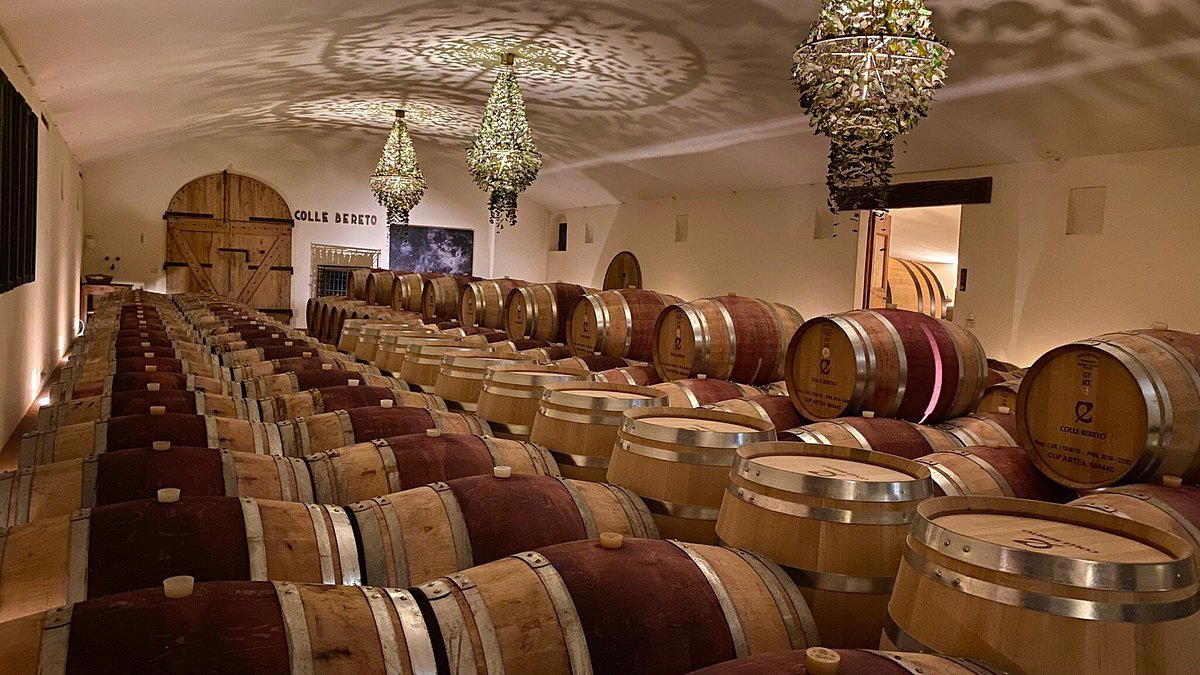
When tasting at Lamadrid, prioritize wines that speak to the Las Compuertas site: seek Malbecs and single-block or estate-designated bottlings that emphasize acidity, structure and cellar potential. Ask about block selection and vintage variation — the estate’s strength is translating site fidelity into consistent, age-worthy wines. Given the emphasis on phenolic precision, include at least one bottle intended for short- to mid-term cellaring to experience the producer’s stated ageing potential; reference to the Pearl 2 Star Prestige rating helps identify flagship or prestige cuvées worth prioritizing.
Venue details
Ambiance
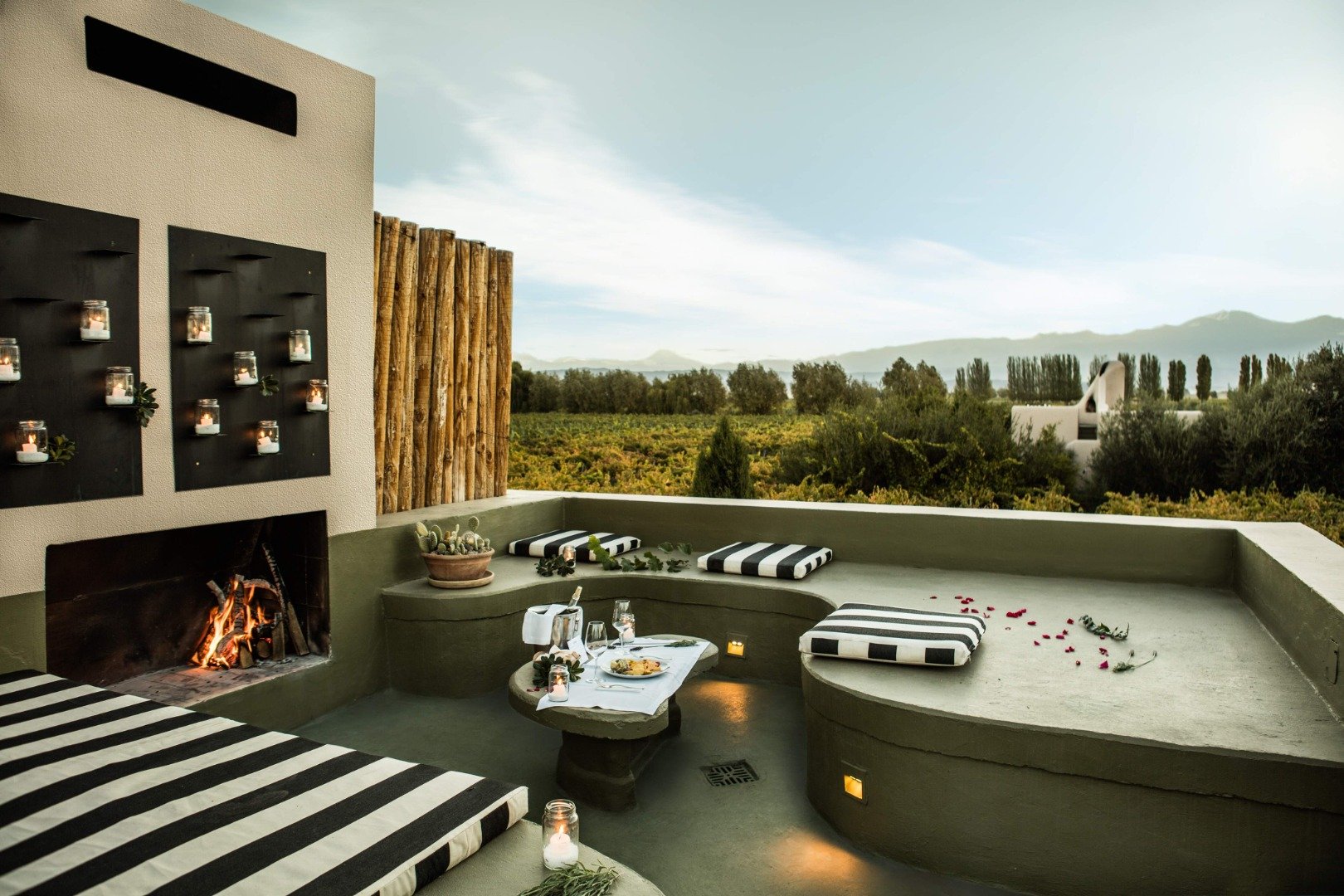
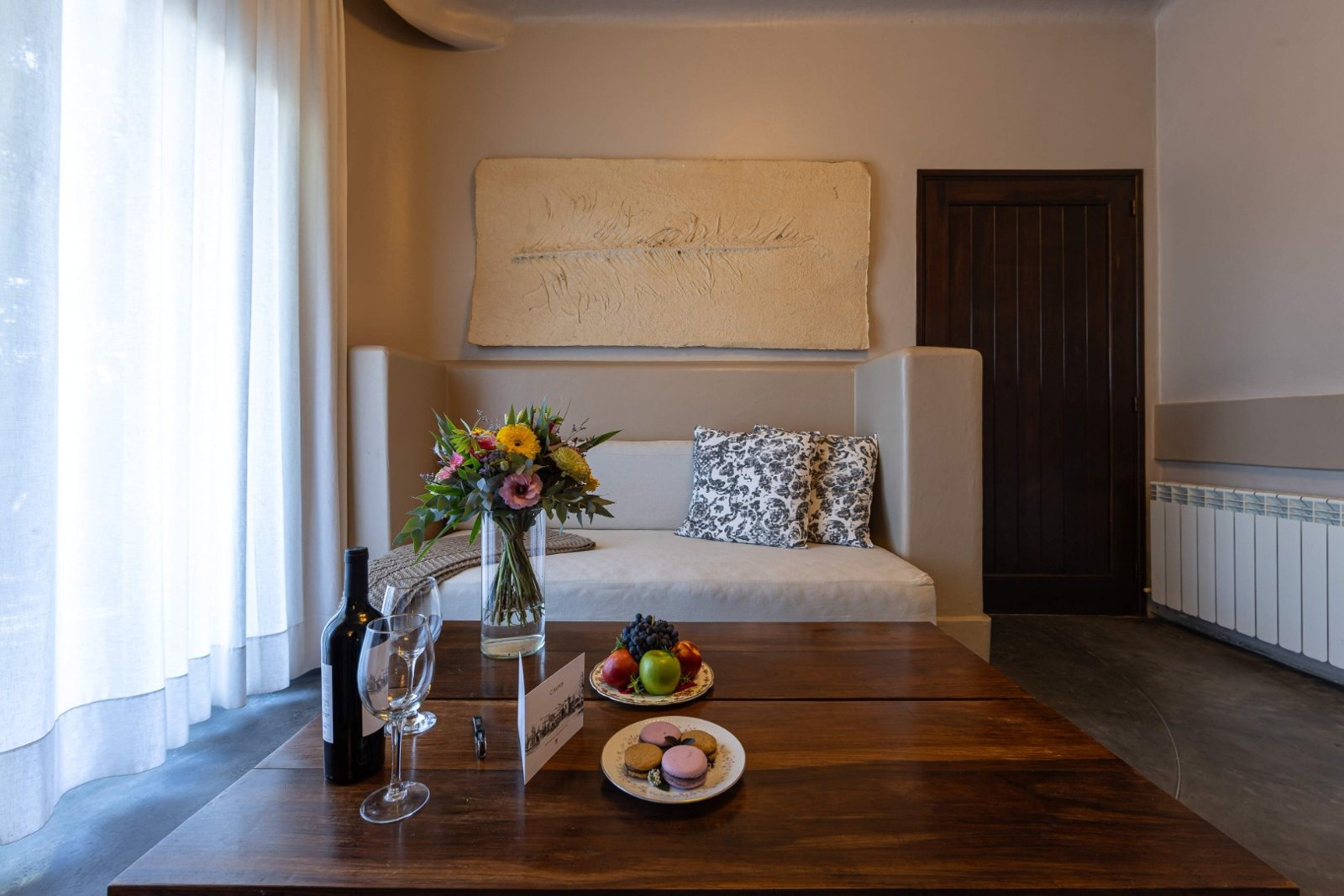
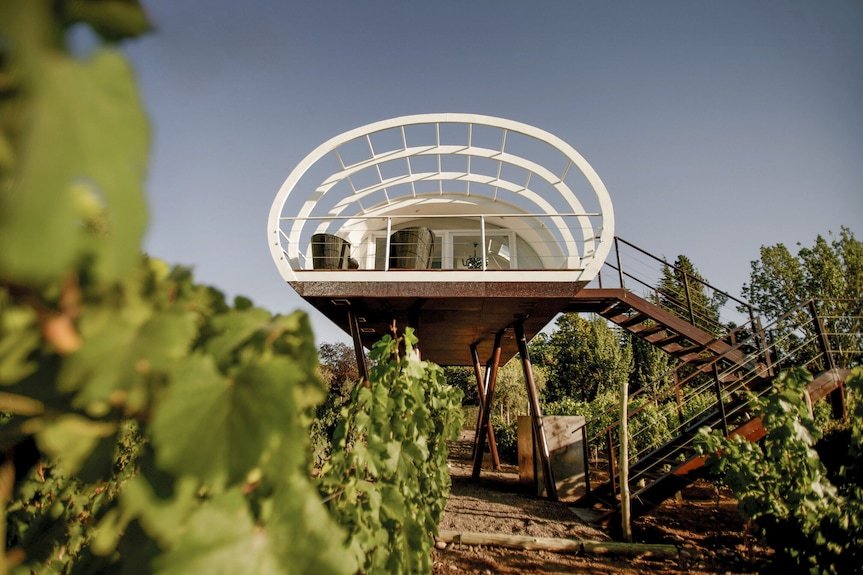
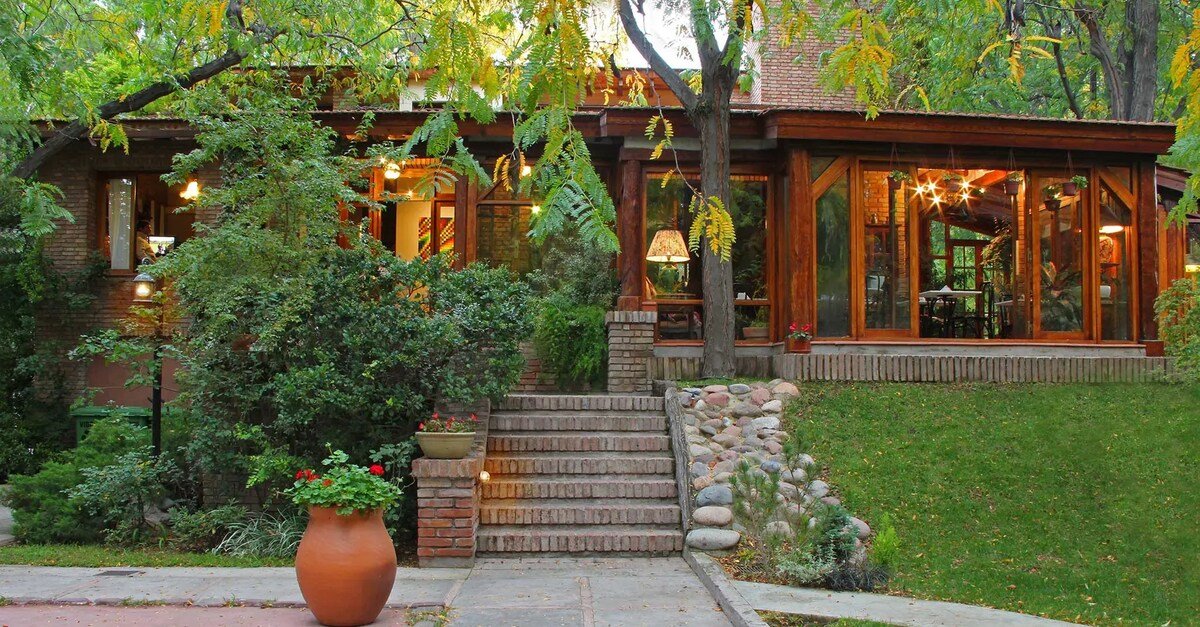
Relaxed and welcoming with spectacular garden views of the Andes, warm human service, and cozy indoor tastings by open fire.
Tags
Vibe
Best For
Experience
Sourcing
View
Accessibility
At the Vineyard
- Appellation
- Luján de Cuyo
- Varietals
- Malbec, Cabernet Franc, Cabernet Sauvignon, Bonarda, Chardonnay
- Tour Duration
- 60-90 minutes
- Visits
- By reservation
- Farming
- Sustainable
- Wine Styles
- Still Red, Still White, Still Rose, Orange
- Food Pairing
- Offered
- Wine Club
- Not available
Know before you go
Know Before You Go
- Getting there
- Roque Sáenz Peña 8450 Las Compuertas, M5549 Luján de Cuyo, Mendoza
Planning details
Location
Roque Sáenz Peña 8450 Las Compuertas, M5549 Luján de Cuyo, Mendoza · Directions
Recognition and awards

Also consider
Also Consider
- The Williams Casanegra Distillery, Notable alternative
- Cheval des Andes, Notable alternative
- Bodega Riccitelli, Notable alternative
- Durigutti Winemakers, Notable alternative
- Bodega Kaiken, Notable alternative
Winery context
How Lamadrid Estate Wines compares in Luján de Cuyo
Choose Lamadrid Estate Wines if the priority is a Las Compuertas winery stop with a serious regional feel and you are willing to plan ahead. Cheval des Andes is the stronger cross-shop for travelers chasing a more prestige-led Mendoza appointment, while Durigutti Winemakers is the more useful comparison if you want another in-metro Luján de Cuyo option for a wine-focused day.
If booking friction matters, do not rely on this as the easy fallback. Bodega Riccitelli and Bodega Kaiken are better cross-shops when the itinerary can stretch outside the immediate Luján de Cuyo plan. The Williams Casanegra Distillery makes more sense for travelers who want a spirits-led detour rather than another winery stop.
For ambiance, Lamadrid Estate Wines is mainly a regional-context pick: the Las Compuertas setting is the draw. For a splurge-oriented wine appointment, start with Cheval des Andes; for a second Luján de Cuyo booking, compare Durigutti Winemakers; for broader Mendoza variety, put Bodega Riccitelli or Bodega Kaiken into the same shortlist.
Explore Luján de Cuyo
Around this place
Discover more on Pearl
Unlock the full Lamadrid Estate Wines guide in Pearl, including awards, comparisons, FAQs, planning details, and nearby places.
Compare Lamadrid Estate Wines
| Venue | Location | Awards |
|---|---|---|
| Lamadrid Estate Wines | Luján de Cuyo | 2026 Falstaff Winery Guide |
| The Williams Casanegra Distillery | Mendoza | No published awards |
| Cheval des Andes | Luján de Cuyo | 2026 Falstaff Winery Guide |
| Bodega Riccitelli | Mendoza | 2025 World's 50 Best Vineyards · #29 |
| Durigutti Winemakers | Luján de Cuyo | No published awards |
| Bodega Kaiken | Mendoza | 2026 Falstaff Winery Guide2025 World's 50 Best Vineyards · #36 |

How Lamadrid Estate Wines Luján de Cuyo compares with similar nearby venues.
FAQ
Frequently Asked Questions
Can Lamadrid Estate Wines handle large groups?
If you are planning for a larger party, contact Lamadrid Estate Wines directly before building it into the day.
Does Lamadrid Estate Wines serve food?
Plan meals separately unless Lamadrid Estate Wines confirms current dining options for your visit.
Do I need a reservation at Lamadrid Estate Wines?
What is Lamadrid Estate Wines known for?
Lamadrid Estate Wines is a Luján de Cuyo venue with Pearl 2 Star Prestige recognition for 2025 and a smart casual dress code.