Winery in Luján de Cuyo, Argentina
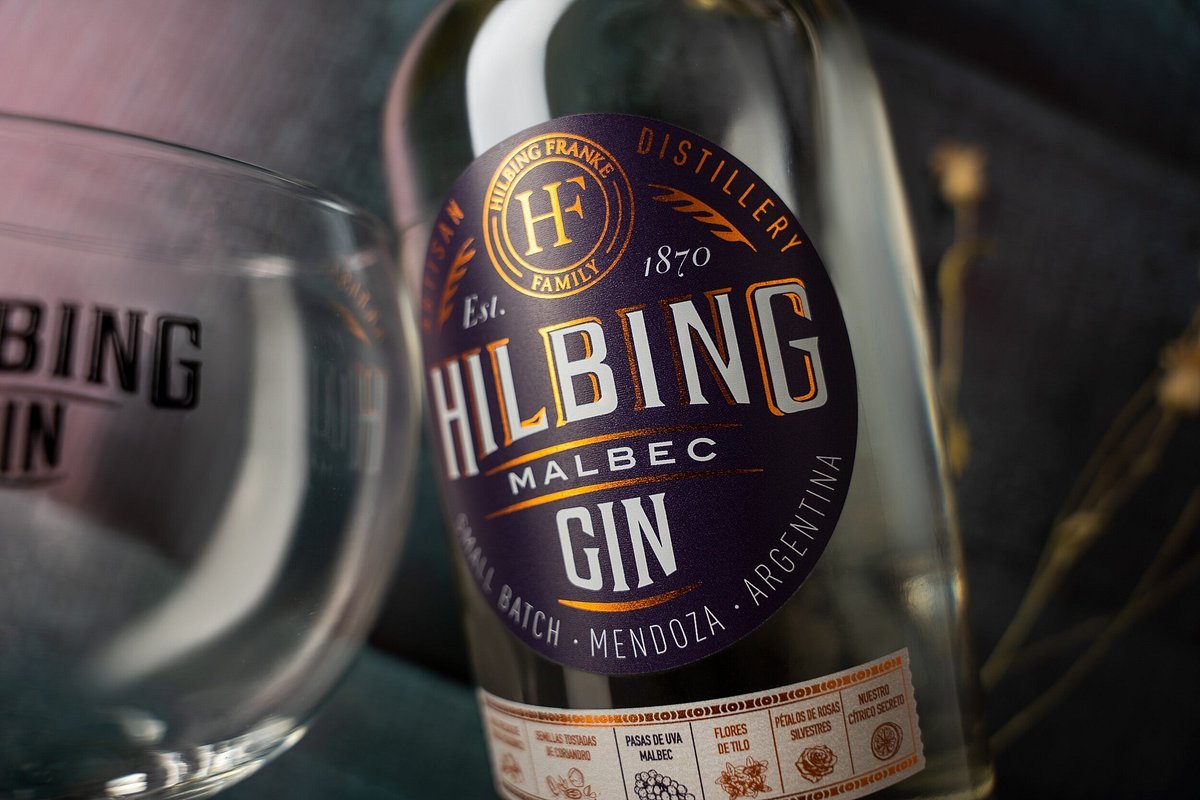
Hilbing Franke Distillery
500ptsHigh-Altitude Spirits Production

About Hilbing Franke Distillery
A Pearl 2 Star Prestige recipient for 2025, Hilbing Franke Distillery operates in Luján de Cuyo, the heart of Mendoza's high-altitude production corridor along Acceso Sur. The distillery sits within a region better known for Malbec than spirits, making its presence a notable counterpoint to the area's dominant wine culture. Visitors should confirm current access and programming directly before planning a visit.
Spirits in Wine Country: A Different Register on Acceso Sur
Luján de Cuyo's western corridor, where the Andes foothills begin their climb and the afternoon light turns the vineyards a particular shade of ochre, has long been defined by the language of wine. The address reads like any other entry point into Mendoza's premium production belt: Acceso Sur, kilometre marker 2200, lateral west. What sits there, however, belongs to a different sensory register. Hilbing Franke Distillery occupies that address not as a winery but as a distillery, a category still rare enough in this corridor to prompt a double-take from visitors accustomed to the vine-to-bottle narrative that shapes almost every other stop along this stretch. The approach, whether from the city of Mendoza to the north or from the higher-altitude zones to the south, runs past properties that have spent decades refining their Malbec and Cabernet programs. Arriving at a distillery amid that context is itself a reorientation.
Argentina's spirits category has grown steadily over the past decade, but Mendoza remains primarily wine country in both production volume and visitor imagination. Distilleries that have established themselves here tend to draw on the same raw-material logic that makes the region compelling for winemaking: altitude-driven temperature swings, access to Andean snowmelt irrigation, and a dry climate that concentrates aromatic compounds before harvest. What Hilbing Franke does with those conditions is not fully documented in the public record, but the 2025 Pearl 2 Star Prestige award signals a production standard that places it in the upper tier of regional spirit producers. Pearl ratings at the two-star prestige level are not distributed broadly; they function as a shorthand for operations that have achieved consistent, measurable quality across their output.
The Sensory Texture of a Production Space in High Altitude
Distilleries and wineries share a certain quality of atmosphere that few other food and drink venues replicate: the smell of fermentation and reduction, the sound of liquid moving through copper and steel, the visual weight of barrels or tanks arranged with industrial logic in spaces that were designed for process, not performance. In Luján de Cuyo, those production spaces typically serve wine, and the sensory vocabulary of a visit, the tannin-adjacent dryness in the air, the coolness of a cave-like barrel room, has been refined over generations of bodega tourism. A distillery introduces a different olfactory signature. Grain or fruit mash at various stages of transformation, the sharp volatility of new spirit cutting through the air near a still, the slower, more complex exhale of a maturation warehouse, these are the cues that mark a distillery visit as distinct from anything the wine corridor otherwise offers.
The Luján de Cuyo production corridor includes properties at very different scales and orientations. Cheval des Andes operates at the ultra-premium end of Bordeaux-varietal blending. Bodega Lagarde combines historic infrastructure with contemporary winemaking. Bodega Norton and Chakana Winery represent different positions in the export-focused and biodynamic-leaning segments respectively. Durigutti Winemakers sits in the artisan-producer tier. Hilbing Franke does not fit any of those categories neatly. Its peer set, if one is looking for comparable operations in Argentina, extends beyond Mendoza: Fratelli Branca Distillery in Buenos Aires operates within an entirely different urban and production context. Internationally, the comparison logic shifts to operations like Aberlour in Aberlour, where distillery identity is shaped by geography and maturation environment as much as recipe.
Award Context and What It Implies About the Offering
The Pearl 2 Star Prestige designation for 2025 is the single verifiable quality signal in the public record for Hilbing Franke. Awards at this level, particularly prestige-tier classifications, are generally awarded on the basis of blind tasting panels that evaluate consistency, complexity, and typicity relative to category. A two-star prestige result does not imply a casual or entry-level operation. It suggests that the distillery's output has been assessed against a defined standard and found to meet it at a level above the baseline. For visitors trying to calibrate expectations, that context matters: this is not a hobby distillery or a tourist-facing novelty built on the back of a winery brand. The award positions Hilbing Franke in the company of producers who have made quality control a structural priority.
For broader context on how Argentine producers at different price points and formats have built reputations, the comparison extends across the country's wine and spirits regions. Bodega El Esteco in Cafayate has built its identity around high-altitude Torrontés and Cabernet in the Calchaquí Valleys. Bodega Colomé in Molinos operates at some of the highest production altitudes in South America. Bodega DiamAndes in Tunuyán and Rutini Wines in Tupungato represent the Uco Valley's growing prestige position. Escorihuela Gascón in Godoy Cruz occupies a historic urban winery position. Familia Schroeder in San Patricio del Chañar anchors Patagonian wine tourism. Across that spread, Hilbing Franke is the outlier: a spirits producer holding its own against a backdrop dominated by vine-based identity. For comparison outside South America, Accendo Cellars in St. Helena illustrates how small-production luxury operations command attention through scarcity and credential rather than volume.
Planning a Visit: What Is Known and What Requires Verification
Luján de Cuyo is accessible from central Mendoza by road, and the Acceso Sur corridor is a primary route for winery tourism in the departamento. The kilometre 2200 address on the lateral west lane of Acceso Sur is a fixed point in the production district, and visitors traveling from Mendoza city will pass through the suburban fringe before the landscape opens into vineyard and production-facility territory. What is not available in the current public record is Hilbing Franke's visitor format: whether the distillery operates regular tours, tasting sessions, or appointment-only visits. Phone and website contact details are not listed in the venue record. Visitors planning a trip should verify current access, hours, and booking requirements through local concierge services or the Mendoza tourism infrastructure before building the distillery into an itinerary. The award status and physical location are confirmed; the visitor-facing programming is not fully documented and should be treated accordingly.
For travelers building a broader Luján de Cuyo itinerary around the Acceso Sur corridor, the full Luján de Cuyo guide covers the range of producers and dining options in the departamento. The distillery sits in a corridor where half a day can absorb two or three stops if logistics are managed, and where the afternoon hours, when the Andean light drops and the temperature falls, tend to produce the most atmospheric visits to production spaces of any kind.
Frequently Asked Questions
- What should I know about Hilbing Franke Distillery before I go?
- Hilbing Franke Distillery holds a Pearl 2 Star Prestige award for 2025, positioning it as a quality-verified spirits producer in Luján de Cuyo, a departamento where wine production dominates and distilleries remain relatively uncommon. The address is Acceso Sur, kilometre 2200, lateral west, within the main production corridor south of Mendoza city. Phone and website details are not currently listed in public records, so confirming visit logistics through a local concierge or the Mendoza tourism office before arrival is advisable. Price and format information is also not publicly documented, so expect to verify those details on contact.
- What's the must-try at Hilbing Franke Distillery?
- Specific product details, including individual spirit expressions and tasting notes, are not available in the current public record. The 2025 Pearl 2 Star Prestige designation indicates the distillery's output has passed a structured quality assessment at a prestige tier, which suggests the core range is worth exploring on a guided or structured visit. Consult the distillery directly or speak with a Mendoza-based specialist who can advise on the current lineup once access is confirmed.
- Can I walk in to Hilbing Franke Distillery?
- Walk-in access is not confirmed in the available information. Hilbing Franke's visitor format, whether it operates open hours, scheduled tours, or appointment-only sessions, is not documented in the public record. Given that the distillery holds a Pearl 2 Star Prestige award for 2025, it is likely to operate with some visitor infrastructure, but the format and booking requirements should be confirmed directly before visiting. The Acceso Sur corridor is a working production district, and unannounced visits to producers in this zone are not always accommodated.
- How does Hilbing Franke Distillery fit within Luján de Cuyo's broader production scene?
- Luján de Cuyo is one of Argentina's most recognized appellations for Malbec and red Bordeaux varietals, making a spirits producer in the departamento a structural outlier rather than a category representative. Hilbing Franke's Pearl 2 Star Prestige award for 2025 gives it a credentialed position that few Argentine distilleries operating outside Buenos Aires or Patagonia have established. For visitors already spending time with producers like Bodega Lagarde or Cheval des Andes, the distillery offers a deliberate category contrast within the same geography.
Related editorial
- Best Fine Dining Restaurants in ParisFrom three-Michelin-star icons to the next generation of Parisian chefs pushing boundaries, these are the restaurants that define fine dining in the world's culinary capital.
- Best Luxury Hotels in RomeFrom rooftop terraces overlooking ancient ruins to Michelin-starred hotel dining, these are the luxury hotels that make Rome unforgettable.
- Best Cocktail Bars in KyotoFrom sleek lounges to hidden speakeasies, Kyoto's cocktail scene blends Japanese precision with global influence in ways you won't find anywhere else.
Save or rate Hilbing Franke Distillery on Pearl
Keep this venue in your Pearl passport, rate it after you visit, and track it alongside every other place you collect.