
Bodega Lagarde
Luján de Cuyo
Winery in Luján de Cuyo, Argentina
 Book with Pearl
The Read
High-Altitude Barrel Prestige
Why go
Bodega Lagarde is worth prioritizing when the winery visit needs to carry a celebration or serious wine day in Luján de Cuyo. Its 2025 recognition gives it a stronger case than a casual tasting stop, but the smart move is to plan ahead and treat any club or allocation offer as a value decision, not a souvenir purchase.
About Bodega Lagarde
For a trip to Luján de Cuyo, Bodega Lagarde is best treated as a planned stop rather than a casual filler. It has Pearl 3 Star Prestige for 2025, appears on World's 50 Best Vineyards at #95 for 2025, and lists a smart casual dress code. That makes it a strong candidate when you want one Luján de Cuyo visit to feel more polished and clearly recognized.
Because public facts are limited, avoid building the day around assumptions about specific menus, service formats, pricing, or add-ons. The safest plan is to confirm current visit details directly with the venue and keep enough time around the visit. In Luján de Cuyo, a smoother day usually comes from choosing a few well-matched stops rather than trying to overpack the itinerary.
A strong pick when the visit is the main event
The reason to prioritize Bodega Lagarde is not a long checklist of extras; it is the confidence signal. Bodega Lagarde carries Pearl 3 Star Prestige for 2025 and appears on World's 50 Best Vineyards at #95 for 2025, which puts it in a more competitive bracket than a routine Luján de Cuyo stop. That does not automatically make it the right choice for every traveler, but it does make it a defensible choice when one planned visit needs to feel special.
For a broader Luján de Cuyo day, compare Bodega Lagarde with names such as Bodega Alta Vista, Bodega Luigi Bosca, Bodega Mendel, Viña Alicia, and Hilbing Franke Distillery, depending on the kind of itinerary you want. For trip planning beyond a single choice, use the full Luján de Cuyo wineries guide first, then fill in meals, stays, drinks, and activities through the Luján de Cuyo restaurants guide, the Luján de Cuyo hotels guide, the Luján de Cuyo bars guide, and the Luján de Cuyo experiences guide.
Who should choose it over another Luján de Cuyo stop
Choose Bodega Lagarde when recognition matters and the day has room to be planned around a standout Luján de Cuyo venue. It is less useful as a purely generic stop, because the available information supports the venue's reputation more than it details a specific format, menu, price point, or schedule. Confirm the practical details directly before arranging the rest of the day.
If you are comparing options, use Bodega Lagarde as the recognition-backed anchor and then decide whether another option better fits the rest of the itinerary. Bodega Alta Vista, Bodega Luigi Bosca, Bodega Mendel, Viña Alicia, and Hilbing Franke Distillery are natural names to consider alongside it, while other dining in Luján de Cuyo can fill out the day without needing to force every stop into the same category.
Planning details
- Location
- San Martín 1745, M5507 Mayor Drummond, Mendoza
- Website
- lagarde.com.ar
- Phone
- +54 261 681-5961
The take
The Take
The Vibe
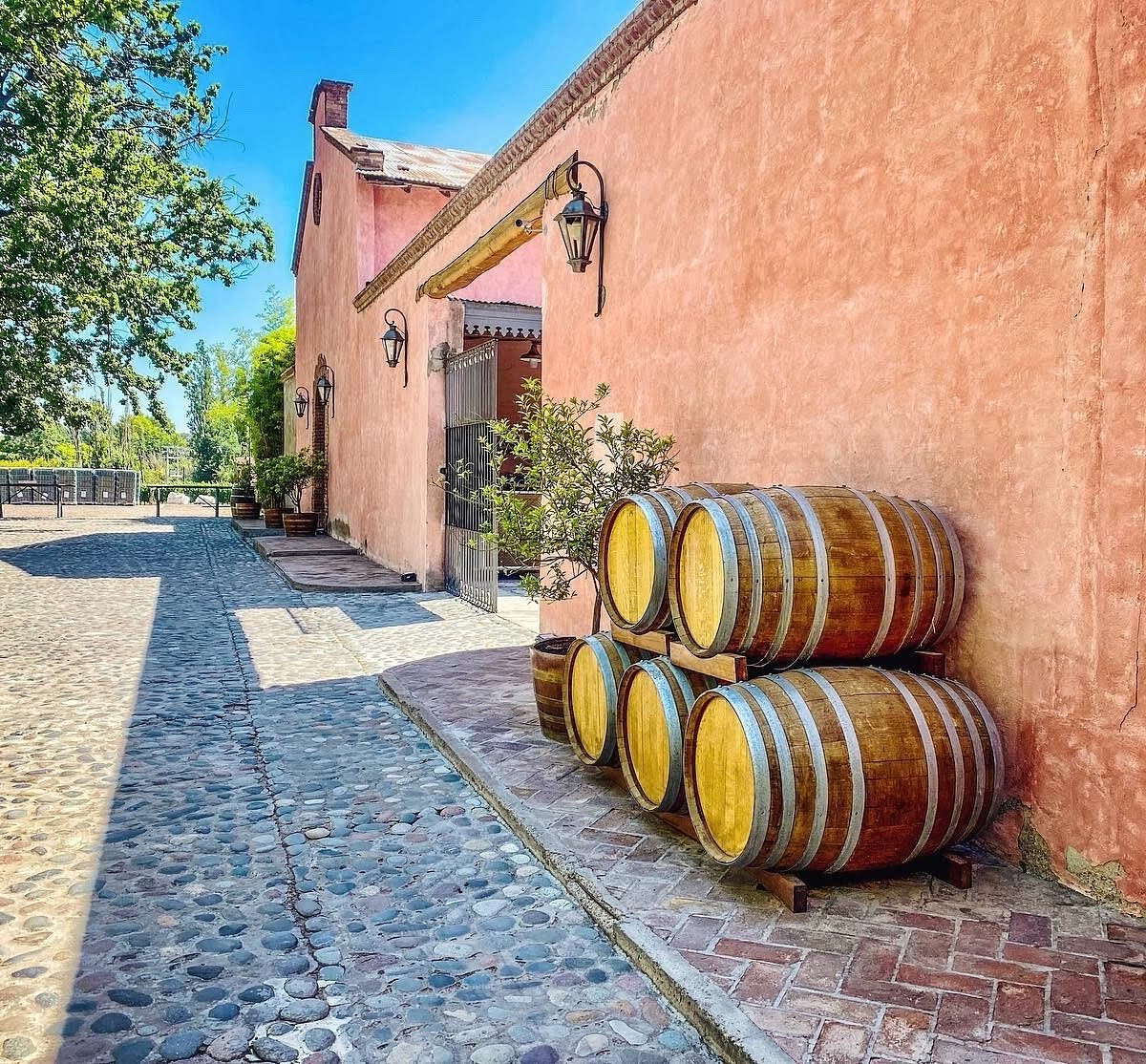
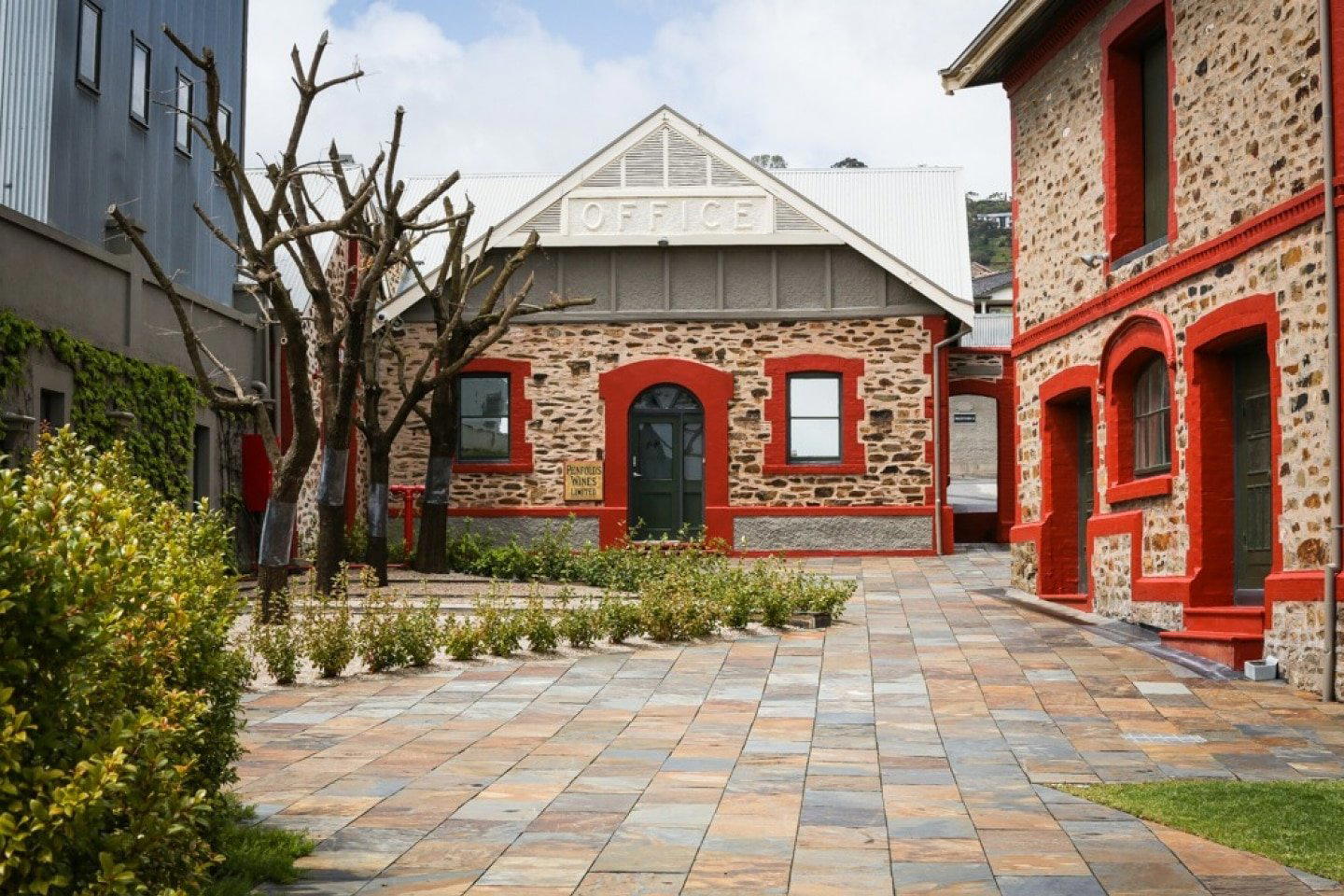
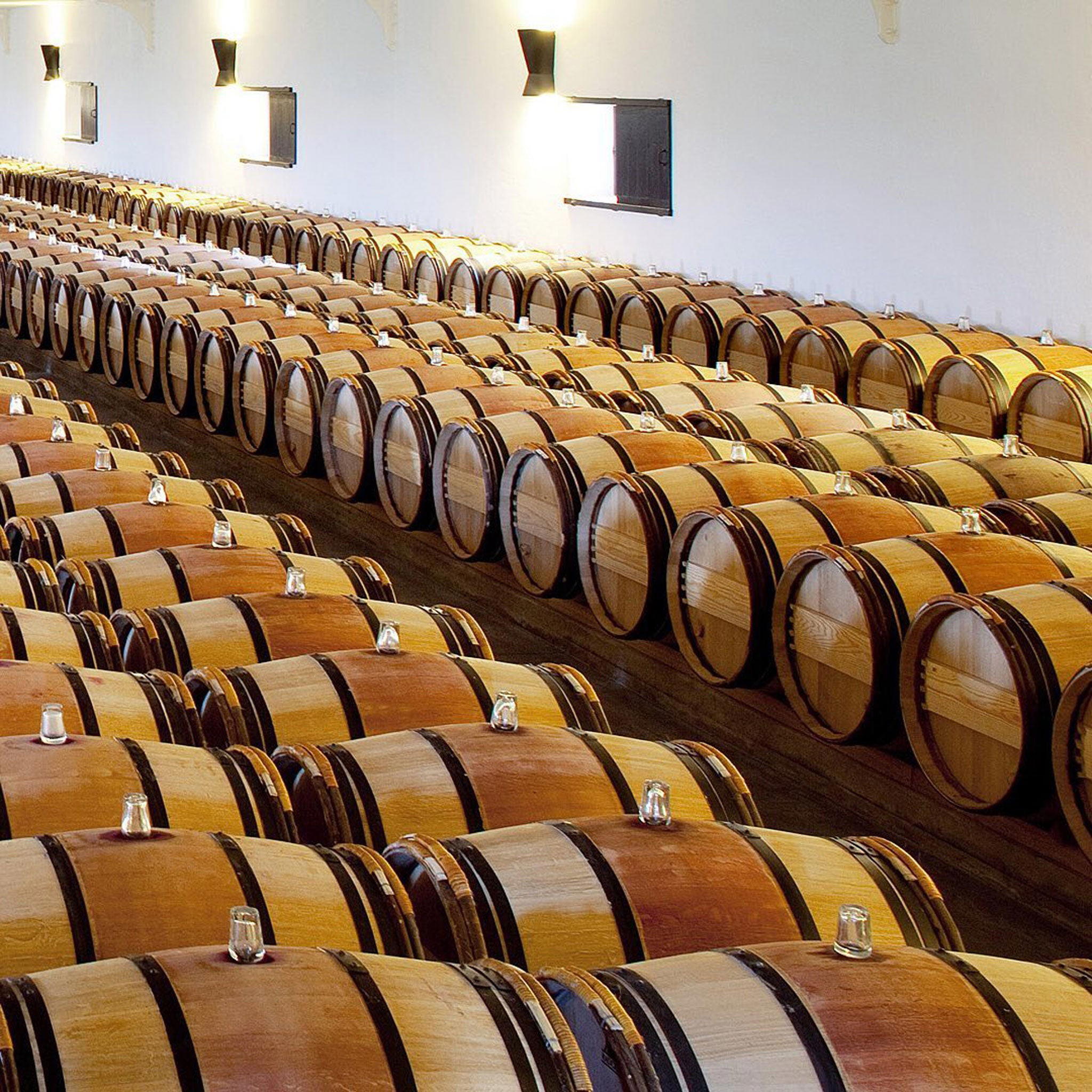
Bodega Lagarde presents a quietly refined experience rooted in history. Visitors move through nineteenth‑century cellars and brick archways under a soft afternoon light, which creates a serene, intimate atmosphere rather than a showy one. The estate’s tone is deliberately understated — confident in its past and measured in its presentation — so the mood leans toward sophisticated contemplation rather than spectacle. Regulars speak of conversations with the place itself: slow cellar walks, moments of silence, and an emphasis on the vineyard’s lineage, all of which produce a tasting that feels composed, restrained and quietly compelling.
Best For
Lagarde is best for people who want a deep, education‑forward winery visit or a quietly memorable special occasion. The estate’s long history and older vines make it especially suited to anyone focused on learning about Luján de Cuyo Malbec and the region’s evolution. Small groups who appreciate a slow, cellar‑centric experience return season after season, and the setting rewards visitors looking to mark an important moment with a measured, historic backdrop rather than loud celebration. It’s less about gimmicks and more about context, provenance and tasting older expressions.
Tasting Tips
When you visit, center the tasting on the estate’s history: ask to see the cellar and request pours from older vintages when available, since the house is noted for opening older bottles. Focus on Luján de Cuyo Malbecs — the copy highlights the sub‑appellation’s structure and depth — and inquire about the oldest vines on the property to understand how terroir and age influence each wine. Keep the visit conversational: the estate favors a slow, reflective pace, so allow time for the cellar walk and comparative sips rather than rushing through multiple flights.
Venue details
Ambiance
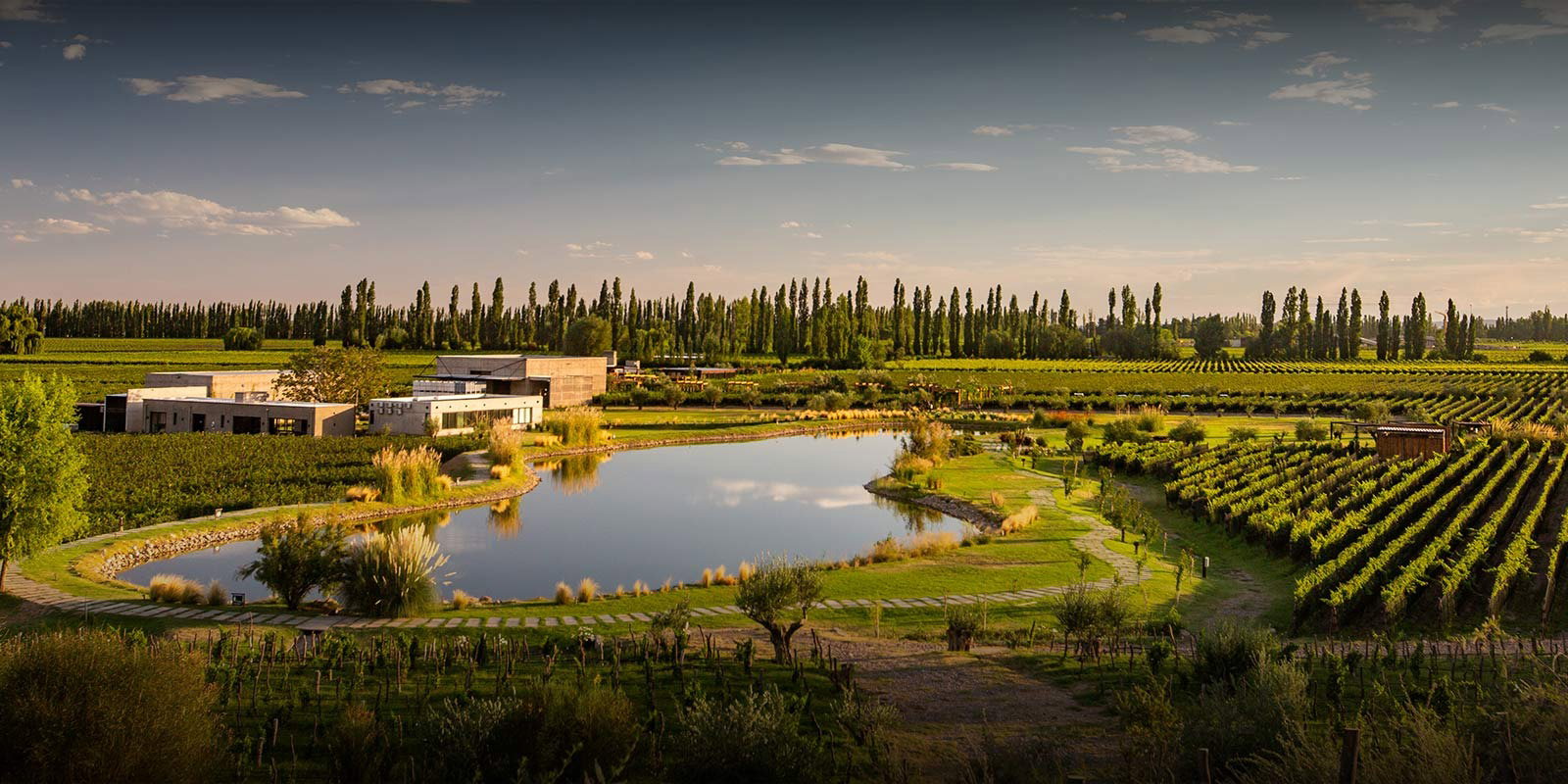
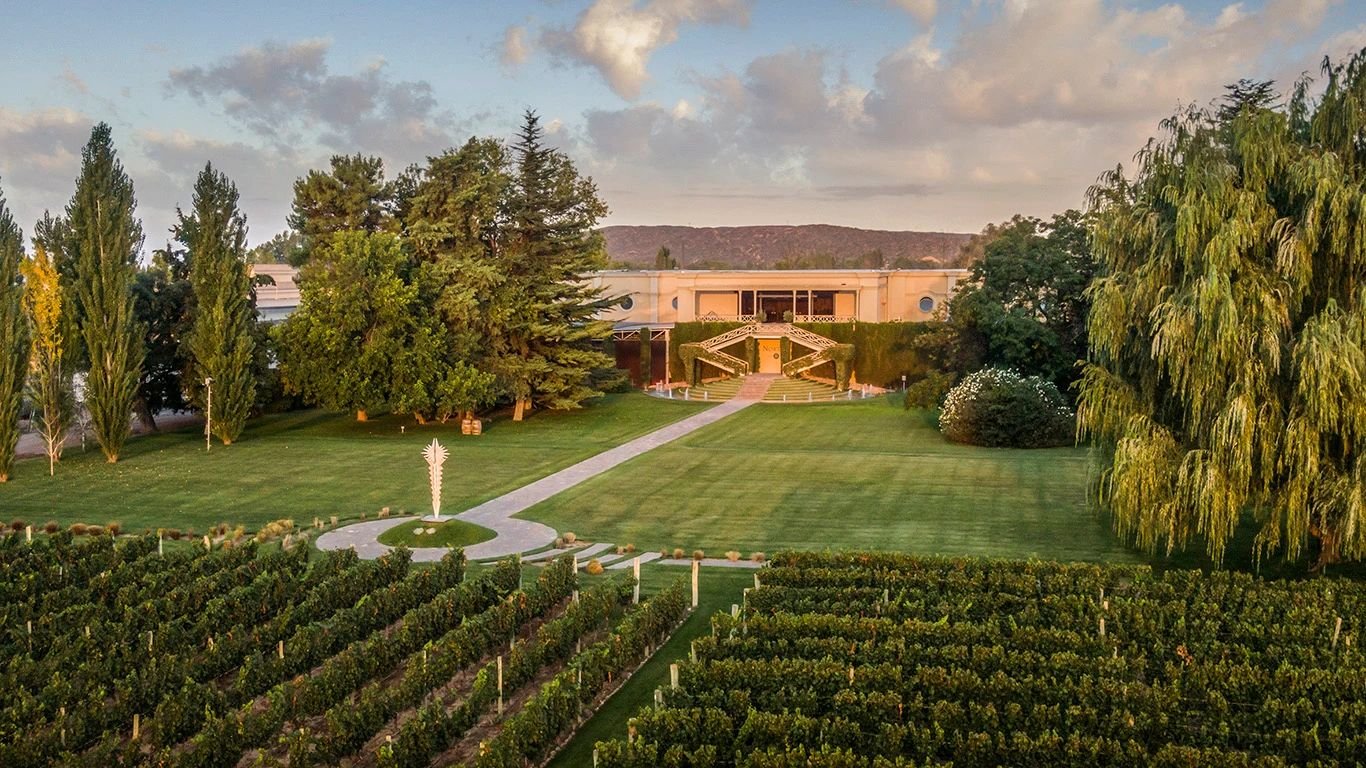
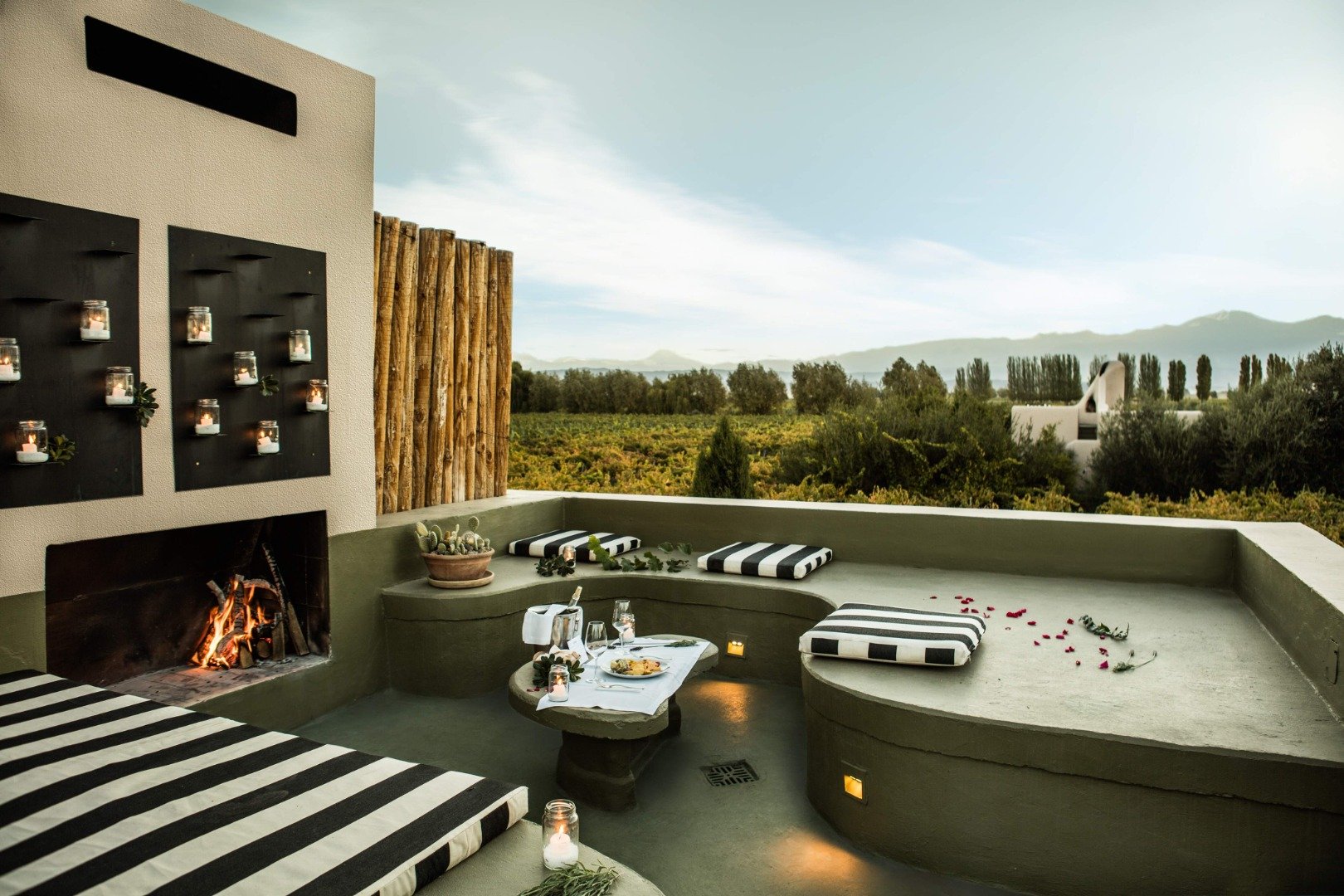
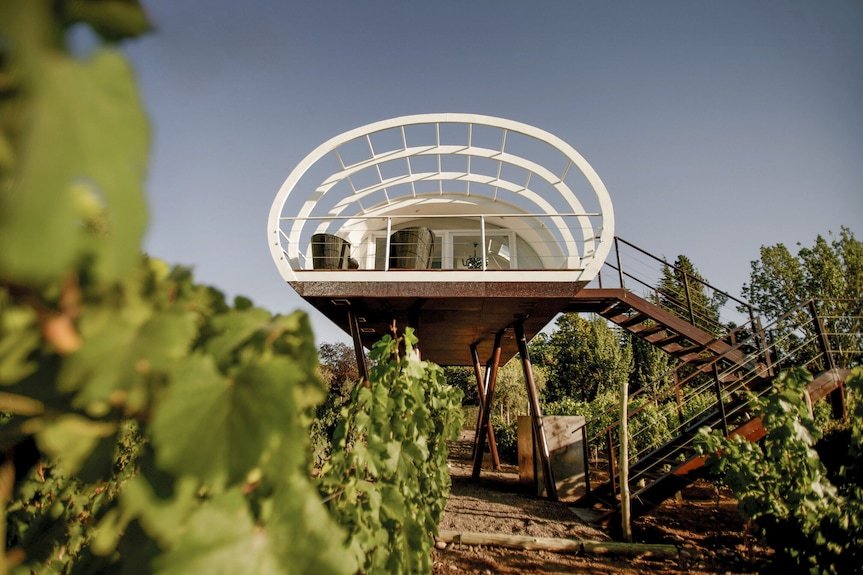
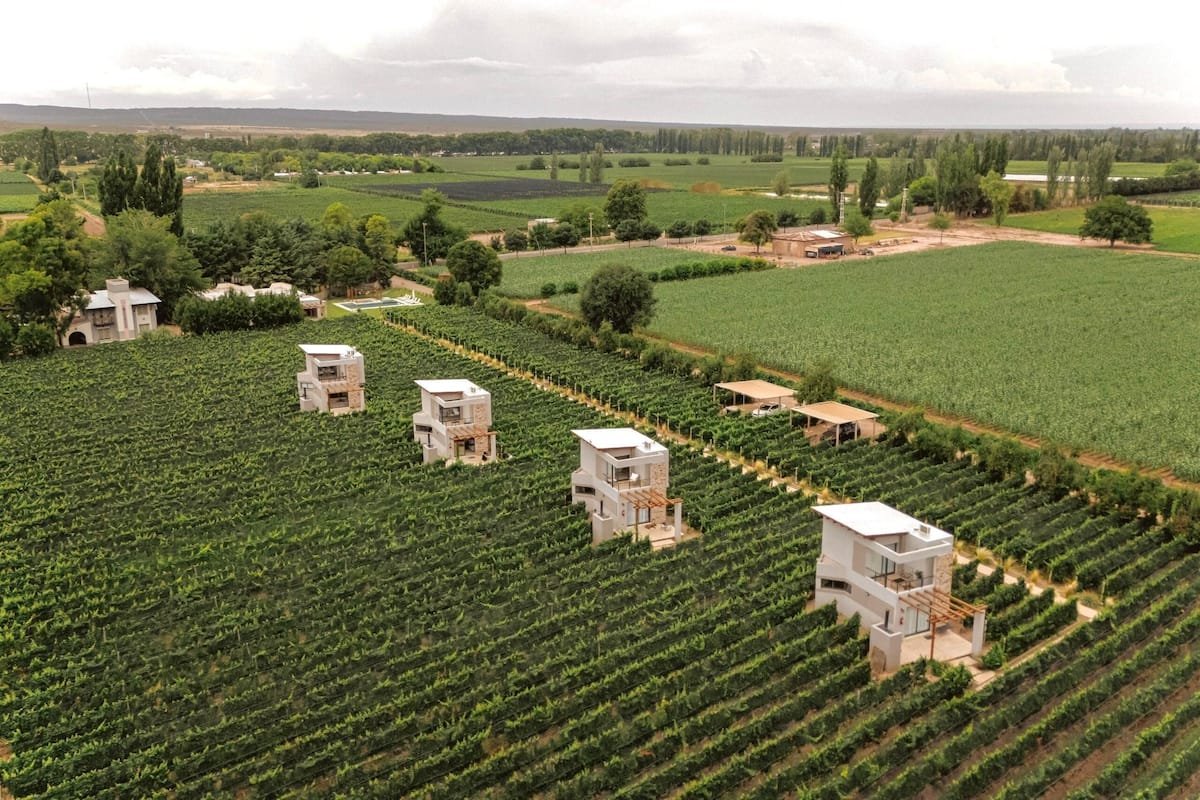
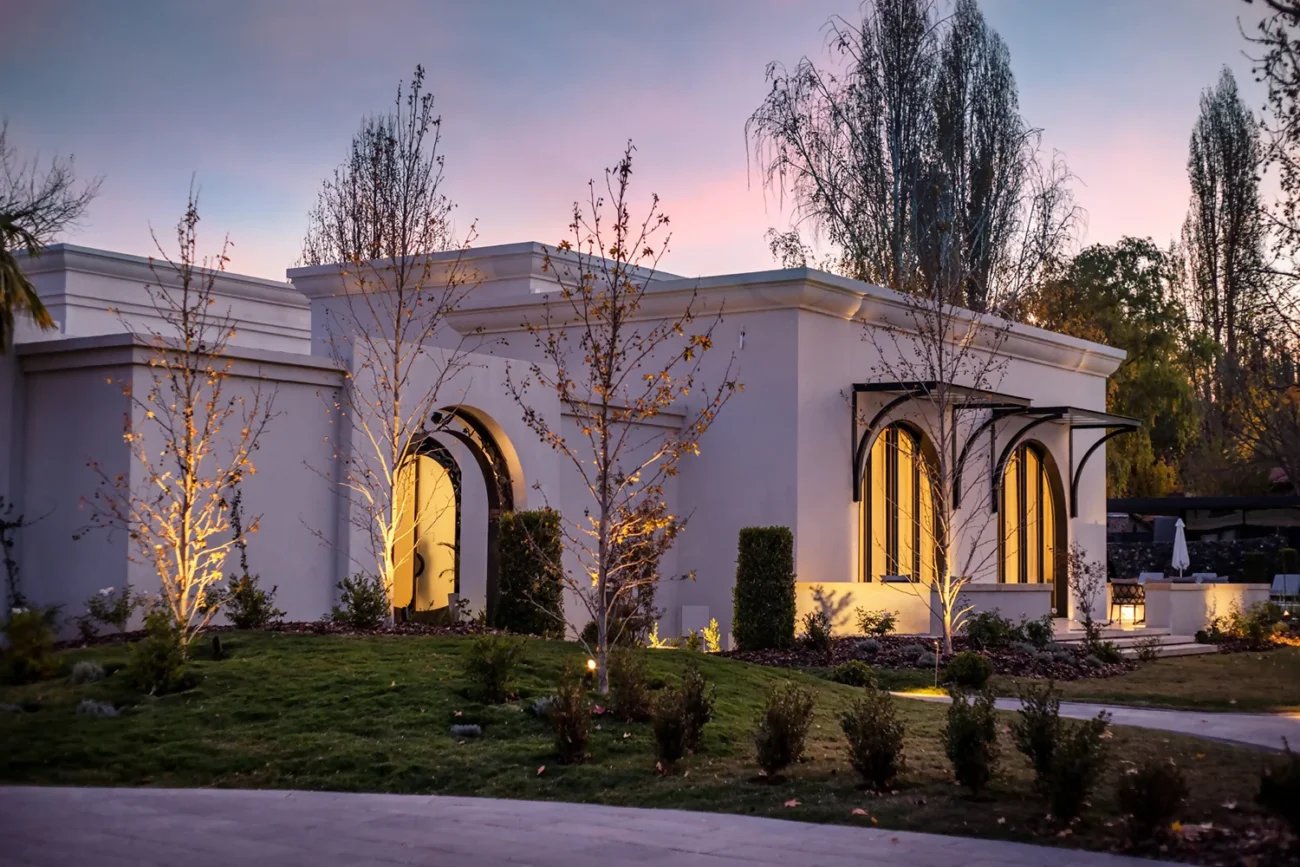
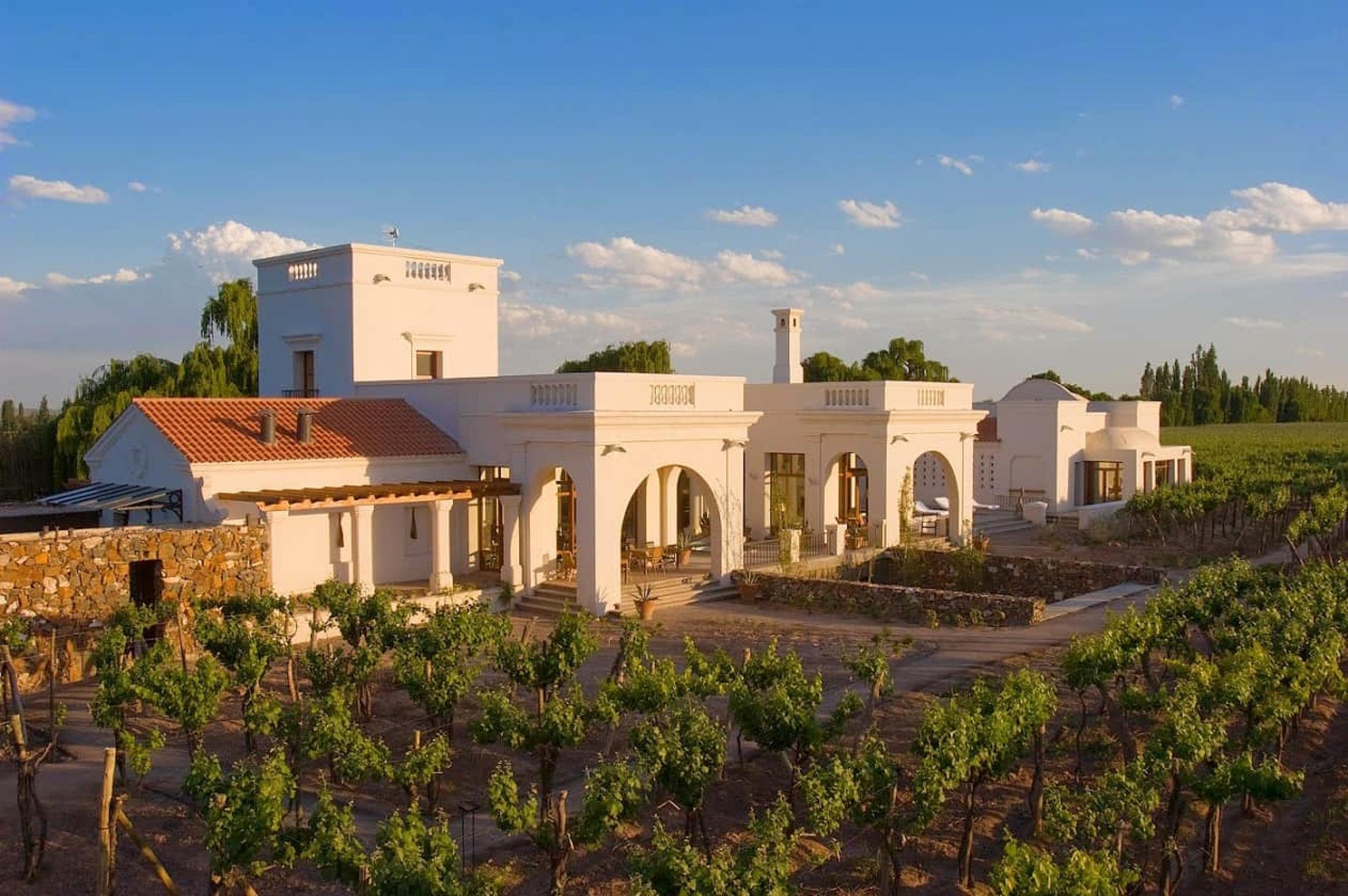
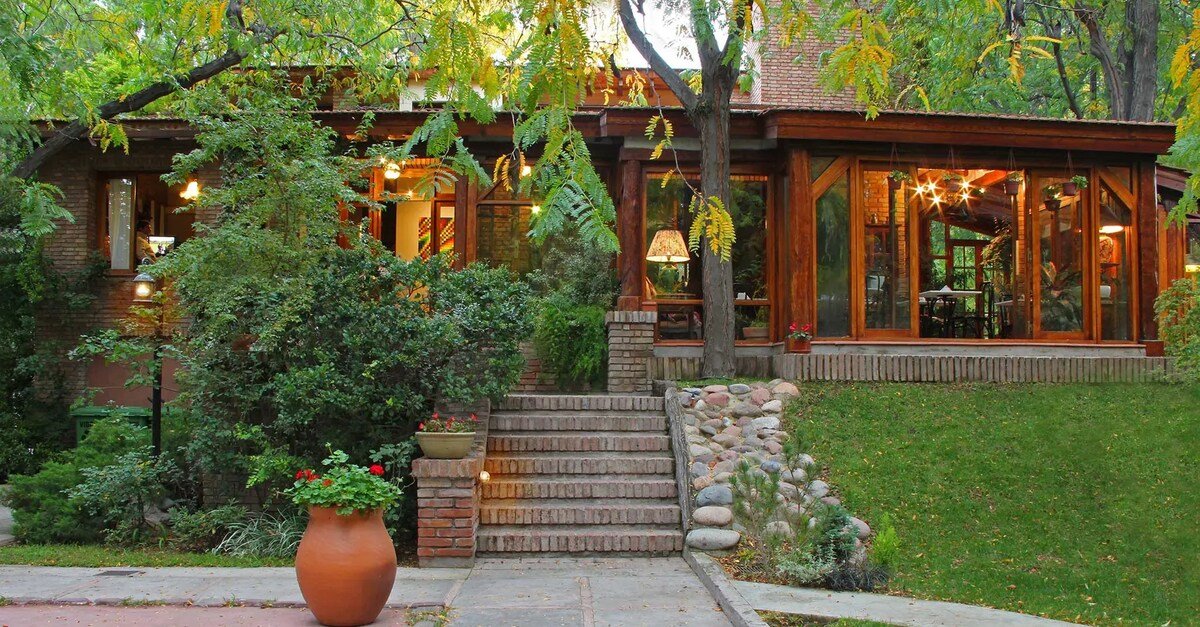
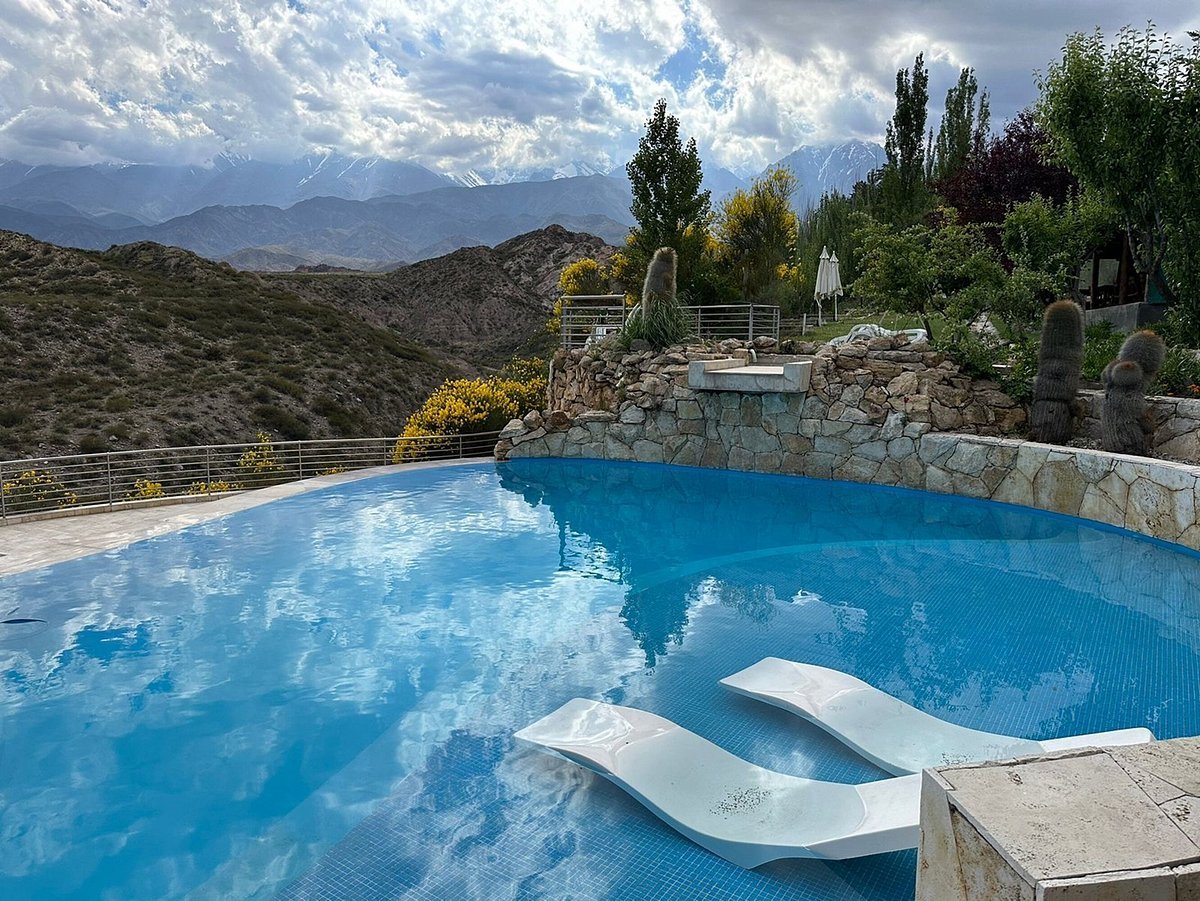
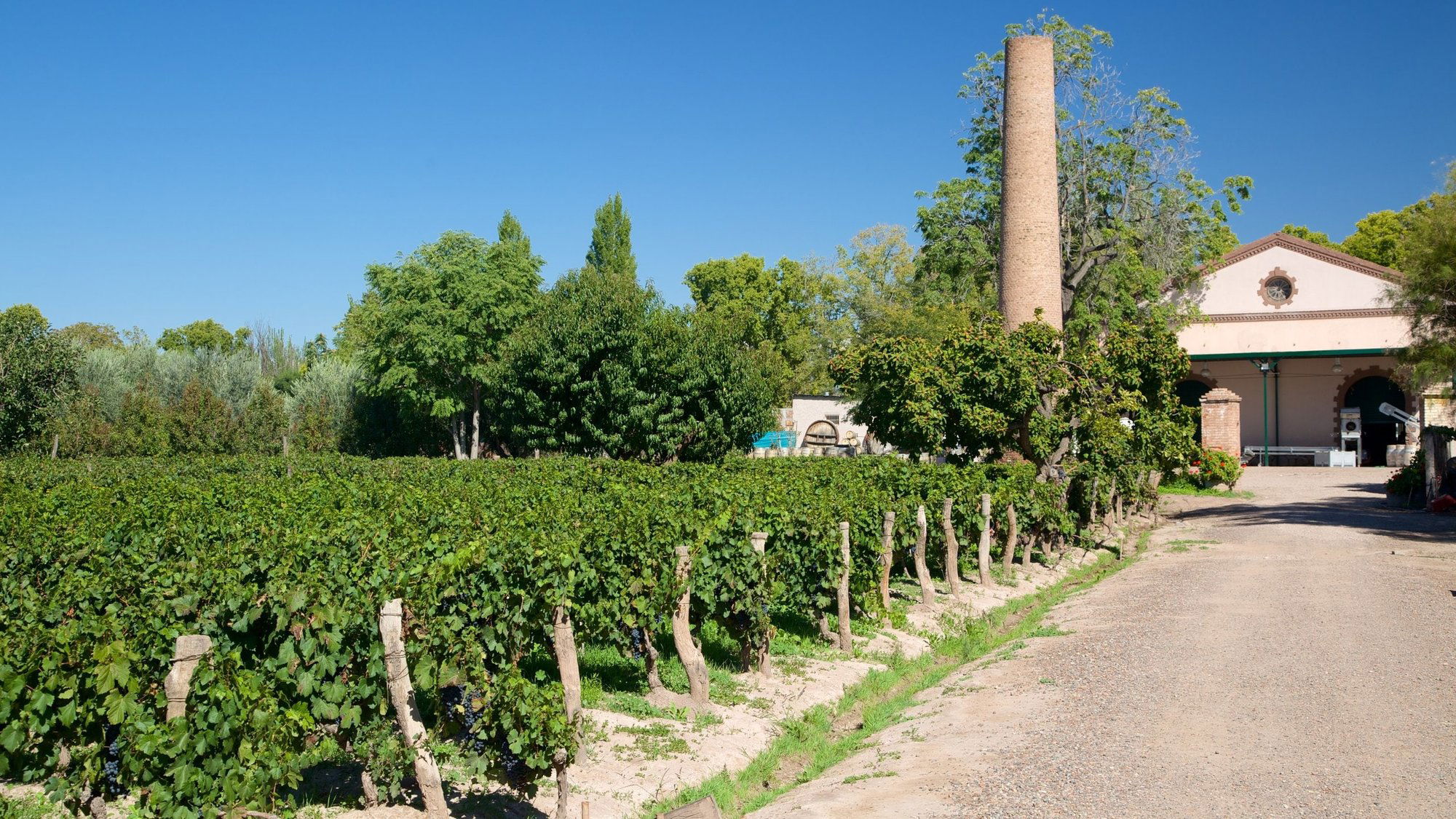
Enchanting atmosphere surrounded by centennial vineyards, with options for dining in a beautiful garden or inside a 19th-century manor house offering fabulous views.
Tags
Vibe
Best For
Experience
Sourcing
View
At the Vineyard
- Appellation
- Luján de Cuyo
- Varietals
- Malbec, Cabernet Sauvignon, Viognier, Torrontés, Cabernet Franc
- Tour Duration
- 60-90 minutes
- Wine Club
- Not available
Know before you go
Know Before You Go
- Getting there
- San Martín 1745, M5507 Mayor Drummond, Mendoza
Planning details
Location
Recognition and awards

Also consider
If You Can't Get In
Try Bodega Alta Vista or Bodega Mendel first if the day should stay wine-focused in Luján de Cuyo. For a different format without leaving the area, Hilbing Franke Distillery is the practical alternative.
Winery context
How It Compares in Luján de Cuyo
Choose Bodega Lagarde when the booking needs to feel polished and high-confidence. Against Bodega Luigi Bosca, Bodega Mendel, Viña Alicia, and Bodega Alta Vista, the edge is recognition: Pearl 3 Star Prestige in 2025 and World's 50 Best Vineyards #95 in 2025 make it a safer choice for a special occasion where the room, pacing, and reputation all need to land.
If availability is the deciding factor, cross-shop first rather than waiting. Bodega Alta Vista and Bodega Mendel are sensible backups for wine-focused visitors who want to stay within Luján de Cuyo. Hilbing Franke Distillery is the better pivot when the group wants a spirits-led change of pace instead of another winery tasting.
For value, the right question is not which name sounds grander; it is which visit fits the day. Bodega Lagarde is the stronger pick for a polished celebration. Viña Alicia is the better cross-shop when the group wants a smaller-feeling wine stop, while Bodega Luigi Bosca suits travelers who want another established Luján de Cuyo name in the mix.
Explore Luján de Cuyo
Around this place
Discover more on Pearl
Unlock the full Bodega Lagarde guide in Pearl, including awards, comparisons, FAQs, planning details, and nearby places.
Compare Bodega Lagarde
| Venue | Location | Awards |
|---|---|---|
| Bodega Lagarde | Luján de Cuyo | 2025 World's 50 Best Vineyards · #95 |
| Bodega Luigi Bosca | Luján de Cuyo | 2026 Falstaff Winery Guide |
| Hilbing Franke Distillery | Luján de Cuyo | No published awards |
| Bodega Mendel | Luján de Cuyo | No published awards |
| Viña Alicia | Luján de Cuyo | No published awards |
| Bodega Alta Vista | Luján de Cuyo | No published awards |

How Bodega Lagarde Luján de Cuyo compares with similar nearby venues.
FAQ
Frequently Asked Questions
Do I need a reservation at Bodega Lagarde?
Reservation requirements are not detailed here. Because Bodega Lagarde is a recognized Luján de Cuyo venue with Pearl 3 Star Prestige and a World's 50 Best Vineyards ranking, it is sensible to confirm availability directly before building a day around it.
What other venues can I compare with Bodega Lagarde?
Bodega Luigi Bosca, Bodega Mendel, Viña Alicia, and Bodega Alta Vista are natural names to research alongside Bodega Lagarde, with Hilbing Franke Distillery as a different kind of stop. Pick Bodega Lagarde if you want a Luján de Cuyo visit backed by external recognition.
Is the wine club at Bodega Lagarde worth joining?
Wine-club details are not detailed here. If membership or ongoing access matters to you, ask Bodega Lagarde directly for current terms and compare them with what you want from a Luján de Cuyo venue relationship before committing.
Does Bodega Lagarde serve food?
Food service details are not detailed here. If food is important to the day, confirm current options directly with Bodega Lagarde or plan other dining in Luján de Cuyo around the visit.