

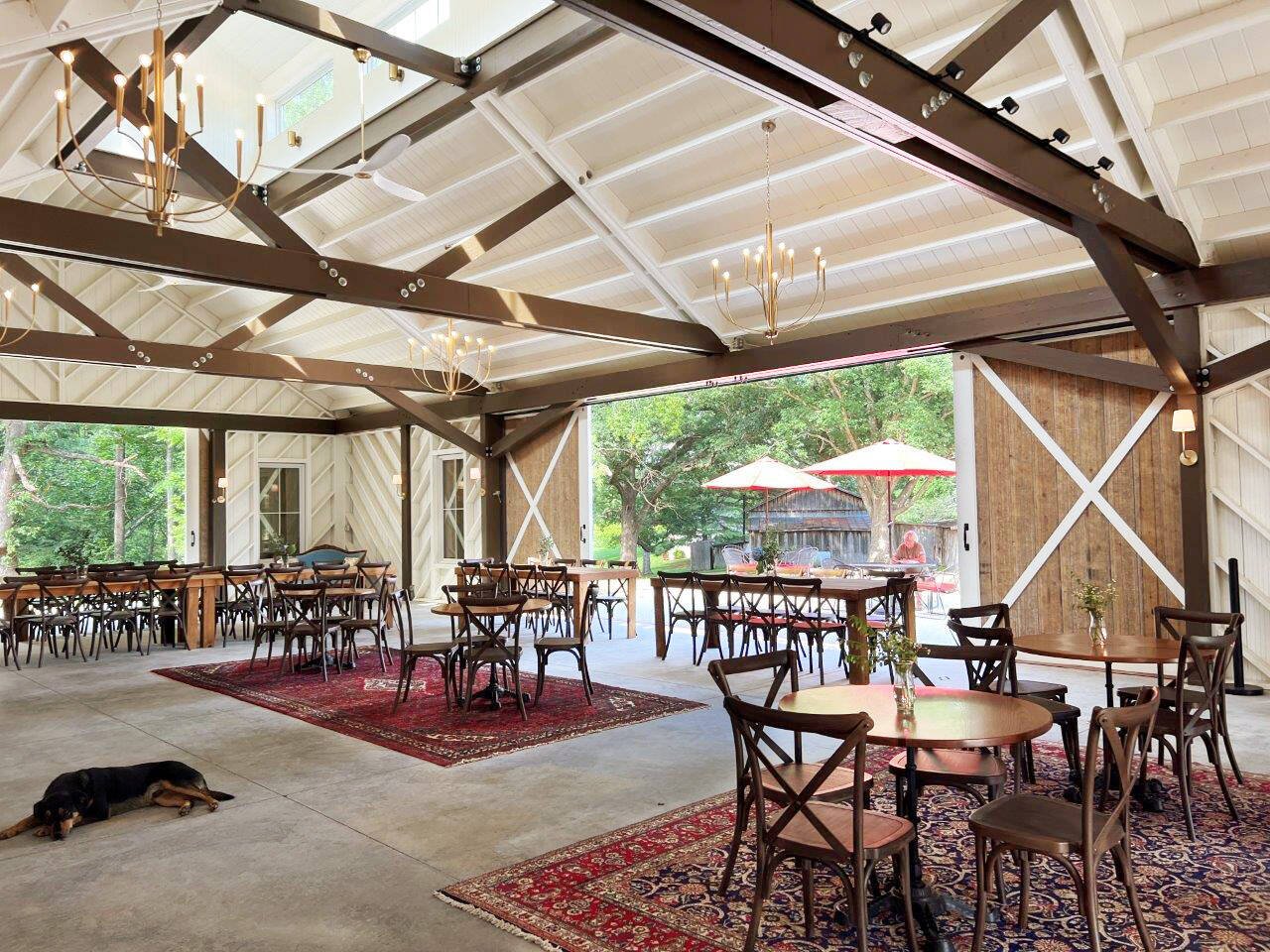
Lovingston Winery
Lovingston
Winery in Lovingston, United States
 Book with Pearl
The Read
Blue Ridge Estate Viticulture
Why go
Lovingston Winery is worth prioritizing for a quieter Nelson County wine stop, especially for couples or small groups who care more about regional context than a large tasting-room scene. Plan ahead rather than treating it as a casual drop-in; cross-shop Veritas Vineyard & Winery or Afton Mountain Vineyards if the group needs a broader destination feel.
About Lovingston Winery
Lovingston Winery is a Lovingston venue with a casual dress code and Pearl 3 Star Prestige recognition for 2025. Specific details about hours, booking process, food service, tasting format, pricing, seating, or shipping are not available. This listing is useful as a starting point, but not as a complete planning document for a visit.
For planning, treat Lovingston Winery as a stop to research directly before building a day around it. If you are comparing options for a broader itinerary, use general Lovingston dining and lodging research for other parts of the trip, especially if the day depends on a meal, a timed visit, or a particular kind of setting. The safest approach is to keep Lovingston Winery in consideration while recognizing that the practical experience requires current, direct information.
A Lovingston winery with limited planning details
Lovingston Winery offers a simple proposition: it is in Lovingston, the dress code is casual, and it holds Pearl 3 Star Prestige recognition for 2025. That is enough to make it a notable venue for readers tracking Pearl-recognized places, but it is not enough to provide the practical details that often shape a visit. For many travelers, the difference between an easy stop and a complicated one comes down to basics such as when a venue is open, whether advance booking is expected, whether there is food, and how visitors are received on arrival. These details are not available.
Because specific service format information is not provided, avoid assuming a particular kind of visit. Lovingston Winery should not automatically be treated as a restaurant substitute, a walk-in venue, a reservation-only experience, or a venue with any particular seating arrangement. If you are weighing other winery options, Veritas Vineyard & Winery, Afton Mountain Vineyards, and Ankida Ridge Vineyards are natural comparison points to research separately, without assuming they share the same setting, scale, or visitor experience. The comparison is useful because it can help place Lovingston Winery within a wider route, but each venue should be checked on its own terms rather than by analogy.
Who should consider Lovingston Winery
Lovingston Winery is best considered by travelers who are comfortable confirming the practical details themselves before going. A food program, menu, tasting structure, lunch service, price point, or reservation policy is not described, so it should not be used as the sole solution for a meal or a fully planned outing unless those details are checked directly. This matters most for groups with firm schedules, dietary needs, transportation plans, or expectations about how long they want to stay. In those cases, the casual dress code is helpful, but it does not answer the larger logistical questions that determine whether the stop fits smoothly into the day.
The main reason to keep it on the shortlist is its Pearl 3 Star Prestige recognition for 2025 and its Lovingston location. Those two facts give the venue a clear place in a planning conversation, even while surrounding details are not available. Cardinal Point Winery and Flying Fox Vineyard are additional winery names to compare when planning a broader route. Lovingston Winery is worth considering when the itinerary can accommodate direct confirmation of the details that matter most to your group. If the trip is flexible, that uncertainty may be easy to manage; if the day is tightly structured, confirm the essentials before relying on it as a central stop.
Planning details
- Location
- 885 Freshwater Cove Ln, Lovingston, VA 22949
- Website
- lovingstonwinery.com
- Phone
- +1 434-263-8467
The take
The Take
The Vibe
Lovingston Winery feels rooted in place: the Blue Ridge foothills are part of the experience rather than mere decoration. The writing highlights a wine program that grows from clay-heavy soils and weathered granite, so the sense here is one of deliberate, craft-focused production. Visitors encounter a quietly confident property — not flashy, but precise — where the regional difficulties of humidity and late-spring frost become the very factors that yield concentrated, structured fruit. That terroir-first approach gives the winery an understated sophistication that complements its intimate, country setting.
Best For
This is a destination for people who travel for wine and landscape. The drive into Nelson County and the Blue Ridge backdrop make Lovingston a natural stop for romantic getaways, weekend escapes and special-occasion visits where scenery matters as much as the bottle. The piece emphasizes the county’s developing wine identity and the winery’s Prestige rating, so it also suits visitors interested in tasting regionally expressive wines and learning about local viticulture. Group outings that center on tasting and terroir will find this a focused, low-key place to explore.
Tasting Tips
Focus on the region’s signature varietals when you visit: the narrative singles out Viognier and Cabernet Franc as the Monticello AVA’s most consistent performers, so ask which vintages best illustrate local character. The write-up also flags Lovingston’s Pearl 3 Star Prestige recognition, so request any wines tied to that assessment or staff recommendations that demonstrate concentration and acidity. Because the copy underlines terroir, inquire about vineyard sources and recent vintages to get a sense of how the site’s clay and granite influence the wines you taste.
Venue details
Ambiance
Relaxed, peaceful atmosphere with cozy farmhouse vibes, scenic vineyard and mountain views, and warm welcoming service.
Tags
Vibe
Best For
Experience
View
At the Vineyard
- Varietals
- Pinotage, Merlot, Cabernet Franc
- Wine Club
- Not available
Know before you go
Know Before You Go
- Getting there
- 885 Freshwater Cove Ln, Lovingston, VA 22949
Planning details
Location
Also consider
Where to look if this is hard to schedule
If availability blocks the plan, start with Veritas Vineyard & Winery for a bigger destination-style outing or Afton Mountain Vineyards for a similarly regional day with broader group appeal. For a more wine-first alternative, check Ankida Ridge Vineyards.
Winery context
How it compares with nearby wineries
Lovingston Winery is the more intentional pick if the goal is a calm, wine-focused stop rather than a broad hospitality outing. Veritas Vineyard & Winery and Afton Mountain Vineyards make more sense for groups that want a bigger-feeling destination and a simpler day plan.
For travelers comparing regional character, Ankida Ridge Vineyards is the closest conceptual cross-shop: choose it when mountain-setting context is the priority, and choose Lovingston Winery when the plan is centered on the Lovingston area itself. Cardinal Point Winery and Flying Fox Vineyard are practical backups when availability drives the decision.
Value here depends less on published pricing and more on fit. If the group wants guaranteed convenience, start with the larger regional names. If the group values a quieter pace and can handle a harder booking, Lovingston Winery is the more rewarding target.
Explore Lovingston
Around this place
Discover more on Pearl
Unlock the full Lovingston Winery guide in Pearl, including awards, comparisons, FAQs, planning details, and nearby places.
Compare Lovingston Winery
| Venue | Location | Awards |
|---|---|---|
| Lovingston Winery | Lovingston | No published awards |
| Ankida Ridge Vineyards | Amherst | No published awards |
| Cardinal Point Winery | Afton | No published awards |
| Flying Fox Vineyard | Afton | No published awards |
| Afton Mountain Vineyards | Afton | No published awards |
| Veritas Vineyard & Winery | Afton | No published awards |
How Lovingston Winery compares with similar nearby venues.
FAQ
Frequently Asked Questions
How long should I plan for a visit to Lovingston Winery?
Specific visit length is not provided. Lovingston Winery is in Lovingston, has a casual dress code, and holds Pearl 3 Star Prestige recognition for 2025, so confirm current hours and visit format directly before deciding how much time to set aside.
What other wineries should I compare with Lovingston Winery?
Relevant comparison names to research include Ankida Ridge Vineyards, Cardinal Point Winery, Flying Fox Vineyard, Afton Mountain Vineyards, and Veritas Vineyard & Winery. Check each venue directly for location, hours, format, and availability before building a winery day.
Does Lovingston Winery serve food?
No food program, cuisine type, or menu is provided. If food is important to your plans, confirm directly with Lovingston Winery and consider other dining in Lovingston separately.
Is the wine club at Lovingston Winery worth joining?
No specific wine club details are provided. Lovingston Winery is in Lovingston, has a casual dress code, and holds Pearl 3 Star Prestige recognition for 2025; review current membership terms directly before joining.