Maker's Mark
Loretto
Winery in Loretto, United States
 Book with Pearl
The Read
Limestone-Country Bourbon Campus
Why go
Maker's Mark is the Loretto pick for a polished bourbon-country occasion rather than a quick tasting stop. Book it when brand recognition, atmosphere, and a destination feel matter; cross-shop Willett Distillery for a more collector-coded visit or Jim Beam and Heaven Hill for broader, easier-to-build itinerary options.
About Maker's Mark
Maker's Mark is listed in Loretto with a casual dress code and Pearl 4 Star Prestige recognition for 2025. Beyond those points, Pearl does not have confirmed details here on hours, pricing, reservations, visit format, food service, group capacity, or on-site amenities.
Use this page as a cautious planning note rather than a full itinerary promise. If you are considering Maker's Mark for a celebration, group outing, or Loretto stop, confirm the current visit details directly before building the day around it.
Book with the basics in mind
Pearl's venue data for this listing is limited. The grounded take is simple: Maker's Mark is a Loretto venue with a casual dress code and Pearl 4 Star Prestige recognition for 2025.
For readers building a wider itinerary, use Pearl's planning pages as general starting points, then cross-check food, lodging, and evening options directly before making firm plans.
Who should pick it over another stop
Choose Maker's Mark if you specifically want to include this Loretto venue in your plans and are comfortable verifying the current experience details before you go. If you are comparing other well-known options, you might also look at Four Roses, Heaven Hill, Jim Beam, Wild Turkey, or Willett Distillery without assuming they offer the same format, location, or visit style.
The practical verdict: Maker's Mark is worth considering for a Loretto itinerary, especially for travelers who value the confirmed casual dress code and Pearl 4 Star Prestige recognition. Confirm timing, availability, and experience details directly before committing.
Planning details
- Location
- 3350 Burkes Spg Rd, Loretto, KY 40037
- Website
- makersmark.com/distillery
- Phone
- +1 270-865-2099
The take
The Take
The Vibe
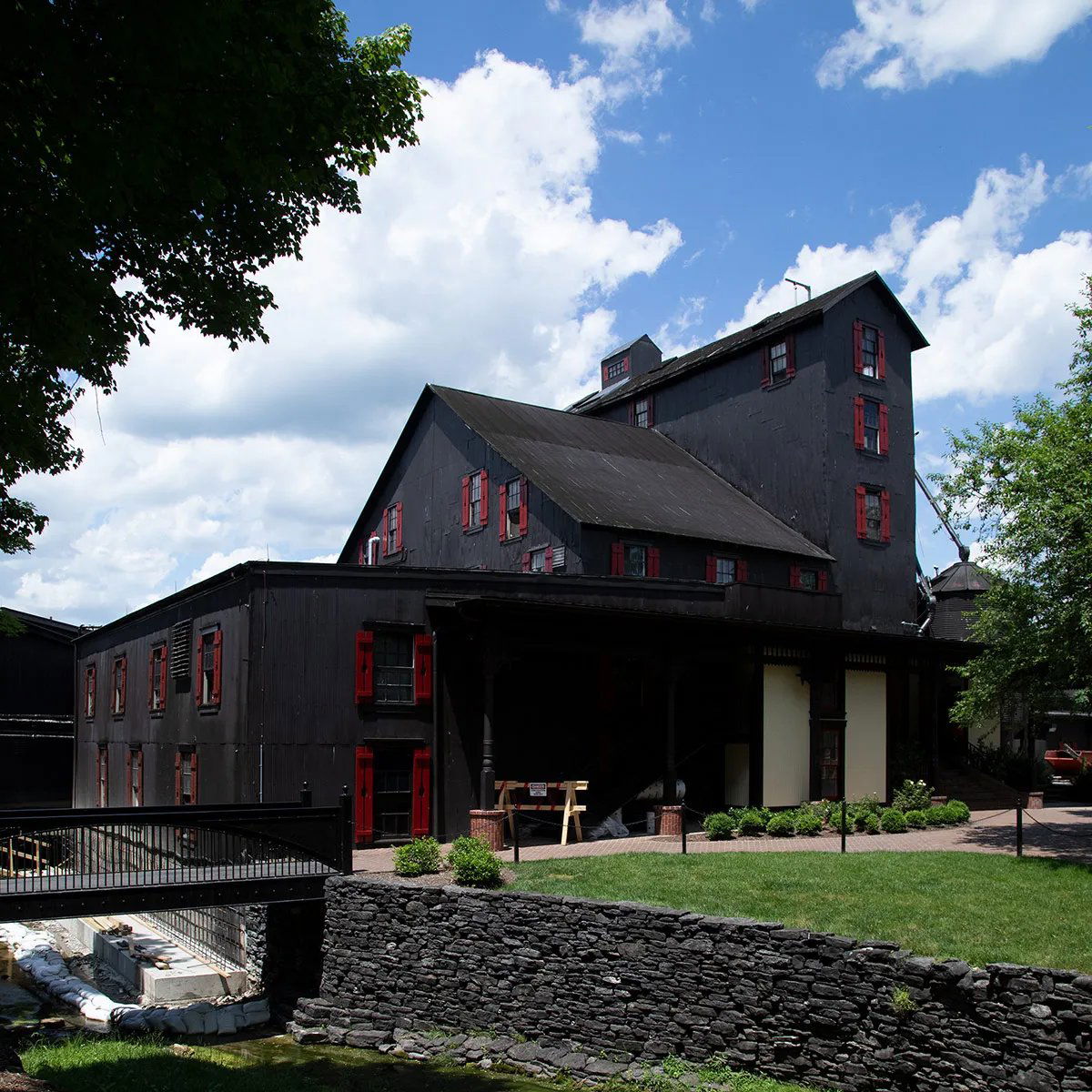
Maker's Mark reads as a classic, working American distillery where history and production coexist. The site occupies a working farm and a cluster of nineteenth‑century buildings, and the copy emphasizes process—fermentation smells greet visitors before the structures appear—so the place feels defined by function rather than theatrical recreation. Discussion of Kentucky's limestone belt and decades‑long on‑site operation gives the property a grounded, industrial character: it's a production landscape with layers of provenance, not a purpose‑built visitor attraction meant to simulate that past.
Best For
This is a destination for people who want to trace spirit character back to place. The text foregrounds terroir and production chemistry, so whiskey enthusiasts and curious small groups looking for an educational visit find value here. The working‑farm setting and the site's distance from Louisville also suit solo day‑trippers who want to explore a historic production site at their own pace. Because the narrative emphasizes active operation and long continuity, visits are best planned by those interested in the craft and history of American whiskey rather than a typical leisure outing.
Venue details
Ambiance
Warm, welcoming atmosphere with beautifully maintained grounds, charming historic buildings, and artistic elements like Chihuly sculptures, creating a picturesque and authentic setting.
Tags
Vibe
Best For
Experience
View
At the Vineyard
- Appellation
- Bardstown AVA
- Varietals
- corn, red winter wheat, malted barley
- Tour Duration
- 60-90 minutes
- Visits
- By reservation
- Farming
- Regenerative
- Food Pairing
- Offered
- Wine Club
- Not available
Know before you go
Know Before You Go
- Getting there
- 3350 Burkes Spg Rd, Loretto, KY 40037
Planning details
Location
Also consider
Where to Look If You Cannot Get In
If availability is the problem, start with Jim Beam for a more flexible Kentucky bourbon itinerary. If the group is more serious about whiskey collecting and less focused on a polished occasion setting, try Willett Distillery instead.
Winery context
How It Compares
Maker's Mark is the stronger choice for a celebration-style bourbon visit in Loretto: more destination-led, more polished, and better suited to groups that care about atmosphere as much as tasting. Willett Distillery is the better cross-shop for whiskey fans who want a more collector-coded stop, while Heaven Hill is the safer pick for visitors who want a broader producer context.
For value and access, Jim Beam is likely the easier itinerary anchor because it suits larger, more casual bourbon trips. Four Roses and Wild Turkey make more sense for travelers building a comparative tasting day around established labels rather than centering the day on one Loretto destination.
The decision comes down to intent: choose Maker's Mark for occasion value and setting; choose Jim Beam or Heaven Hill for a more flexible, lower-friction day; choose Willett Distillery if the group is more bottle-focused than atmosphere-focused.
Explore Loretto
Around this place
Discover more on Pearl
Unlock the full Maker's Mark guide in Pearl, including awards, comparisons, FAQs, planning details, and nearby places.
Compare Maker's Mark
| Venue | Location | Awards |
|---|---|---|
| Maker's Mark | Loretto | No published awards |
| Willett Distillery | Bardstown | No published awards |
| Heaven Hill | Bardstown | No published awards |
| Jim Beam | Clermont | No published awards |
| Four Roses | Lawrenceburg | No published awards |
| Wild Turkey | Lawrenceburg | No published awards |
How Maker's Mark Loretto compares with similar nearby venues.
FAQ
Frequently Asked Questions
Do I need a reservation at Maker's Mark?
Pearl does not have reservation details for Maker's Mark. Treat it as a planned Loretto stop and confirm current booking requirements directly before you go. Four Roses is another option to compare if you are building a broader itinerary.
Does Maker's Mark offer shipping?
What is Maker's Mark known for in Pearl's listing?
Pearl's listing details are limited to Loretto location context, casual dress code, and Pearl 4 Star Prestige recognition for 2025.
Does Maker's Mark offer memberships or clubs?
Pearl does not have membership or club details for Maker's Mark. If membership benefits matter to your plans, confirm current programs directly. Heaven Hill is another name travelers may compare when planning a broader route.
Can Maker's Mark handle large groups?
Pearl does not have group-capacity details for Maker's Mark. Larger parties should confirm current policies directly before arriving. Jim Beam is another venue to consider when comparing trip logistics.
How long should I plan for a visit to Maker's Mark?
Pearl does not have visit-duration details for Maker's Mark. Confirm the current format and timing directly before setting your Loretto schedule. Wild Turkey is another option travelers may compare when planning multiple stops.
When is the best time to visit Maker's Mark?
Pearl does not have best-time-to-visit guidance for Maker's Mark. Check current availability and timing directly before you go. Willett Distillery is another name to consider if you are comparing itinerary options.