
Sanford Winery
Sta. Rita Hills, Lompoc
Winery in Lompoc, United States
 Book with Pearl
The Read
Cool-Climate Pinot Precision
Why go
Sanford Winery is the Lompoc-area pick for wine travelers who want history and a focused tasting rather than a casual drop-in. Its 1976 first vintage and Santa Rosa Road setting make it worth planning around, especially for groups that care about producer context and a slower wine-country itinerary.
About Sanford Winery
Sanford Winery in Lompoc is listed with Trey Fletcher as chef/owner, a smart casual dress code, and Pearl 3 Star Prestige recognition for 2025. For planning, confirm practical details such as hours, prices, reservation rules, shipping options, food service, visit formats, and street address directly before visiting.
Use Sanford Winery as a Lompoc venue to consider when you want a Pearl-recognized stop. Names that may be useful for comparison include Babcock Winery & Vineyards, Foley Estates Vineyard & Winery, Lafond Winery & Vineyards, Rock 12 Distillery, and Spear Vineyards & Winery, but each should be checked on its own current details before you build an itinerary.
A Lompoc venue profile
The strongest reasons to note Sanford Winery are its Lompoc location, Trey Fletcher's association with the venue, the smart casual dress code, and its Pearl 3 Star Prestige recognition in 2025. Ask directly about the visit format, what is offered, how reservations work, and whether any food or shipping service is available.
For first-time planning, treat Sanford Winery as one venue within a broader area itinerary and confirm address, timing, and service style before you go. Babcock Winery & Vineyards, Lafond Winery & Vineyards, Foley Estates Vineyard & Winery, Rock 12 Distillery, and Spear Vineyards & Winery can serve as natural comparison points, while other dining and drinking options should be researched separately.
How to decide if it belongs on your Lompoc itinerary
Choose Sanford Winery if the profile fits what you are looking for: a Lompoc venue with Trey Fletcher listed as chef/owner, smart casual dress, and Pearl 3 Star Prestige recognition for 2025. If your decision depends on food, reservation policies, shipping, pricing, hours, or a specific visit format, confirm those details directly before committing. For a fuller plan, compare Sanford Winery with other options and check each venue's current information directly.
Planning details
- Location
- 5010 Santa Rosa Rd, Lompoc, CA 93436
- Website
- sanfordwinery.com
- Phone
- +1 800-426-9463
The take
The Take
The Vibe
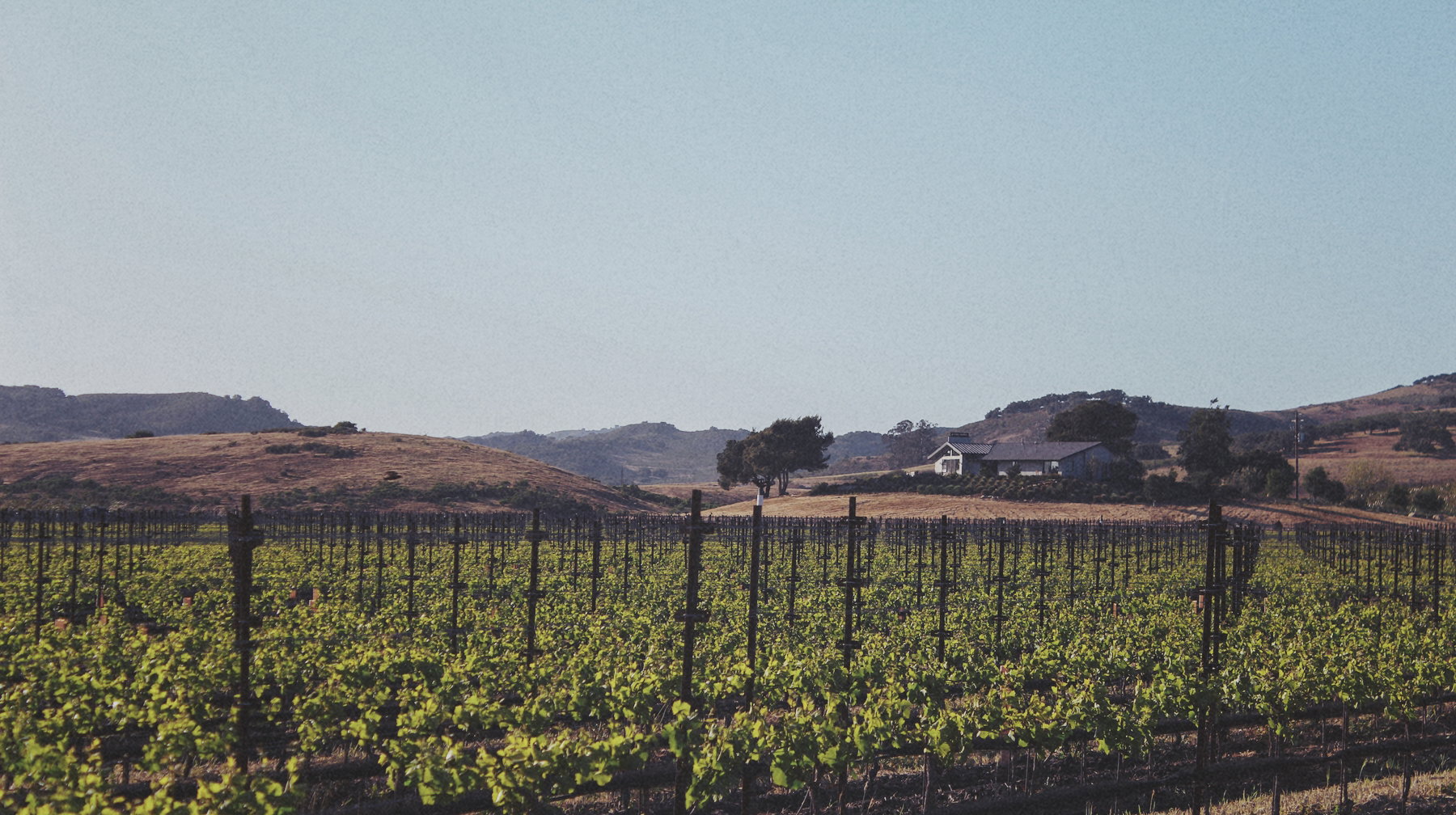
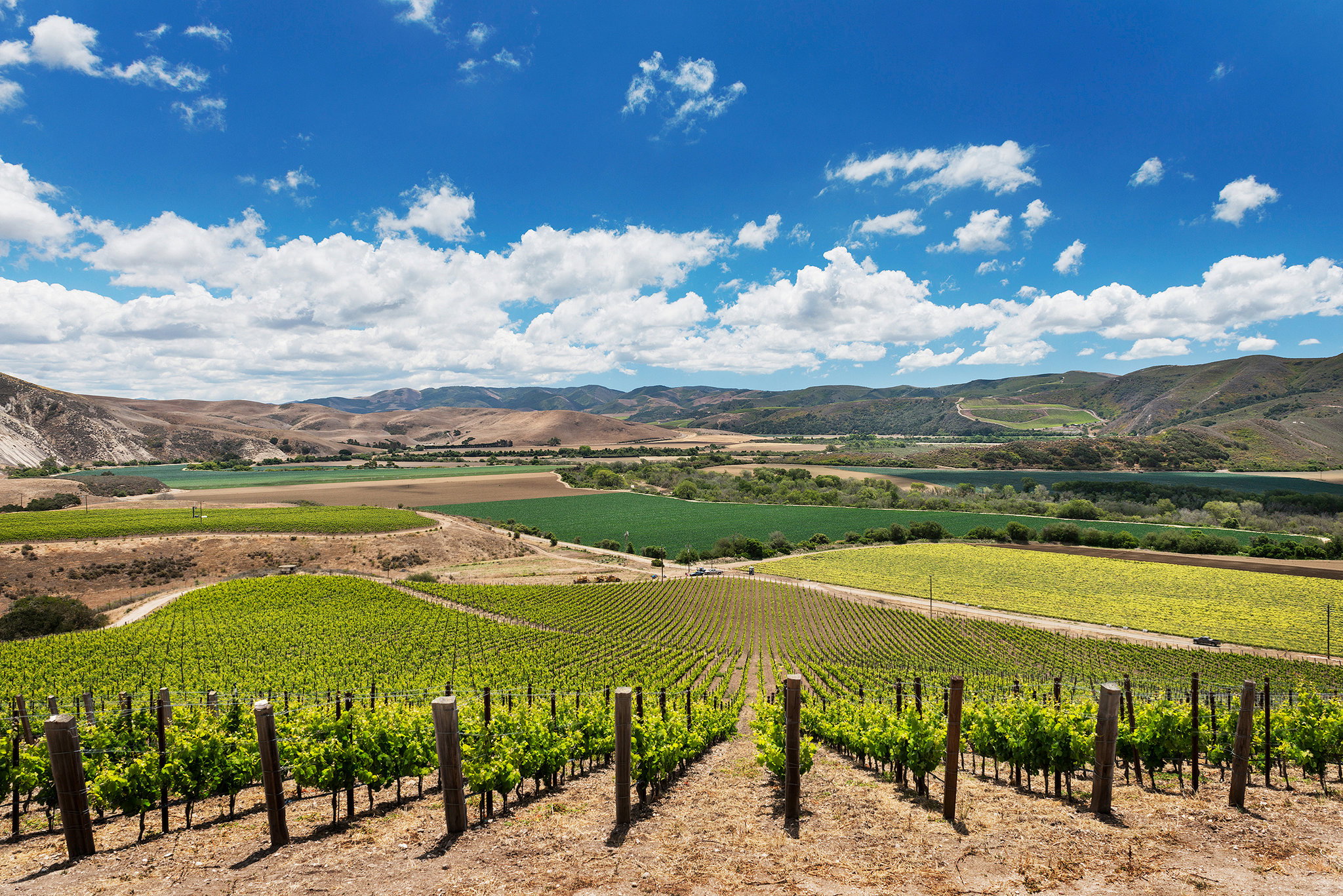
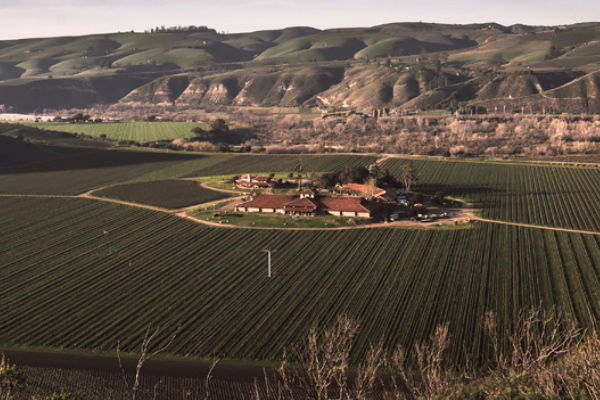
Sanford Winery reads like a founding document of Santa Barbara County Pinot Noir. The tasting room and estate sit within the Santa Rita Hills corridor where cool, marine-influenced growing conditions yield a Burgundian sensibility—Pinot Noir and Chardonnay are the clear focus. With a first vintage in 1976 the property carries historic, almost iconic weight in the region: this is a place born early in the county’s premium-wine era, one that both witnessed and helped shape the appellation. The overall impression is thoughtful and rooted—an understated, historically resonant winery for serious wine visitors.
Best For
Sanford is best for visitors who want to dig into Santa Barbara County’s cool-climate story: wine-education seekers, Pinot Noir and Chardonnay enthusiasts, and travelers treating a tasting as an occasion. Its founding-era status and long track record make it a compelling stop for standalone exploration or a thoughtful special occasion where provenance and terroir matter. Solo visitors who want context and continuity in California Burgundian varieties will find the visit particularly rewarding; it’s less about flashy amenities and more about lineage, site expression and regional significance.
Tasting Tips
Center your tasting on the estate’s Pinot Noir and Chardonnay offerings—those varietals define Sanford’s reputation and the region’s identity. Ask staff about vineyard-designate lots and how different parcels on Santa Rosa Road influence the wines; given the winery’s long history, inquire about older vintages or library selections if they’re available. Expect a focus on site expression rather than novelty blends, and frame questions around vintage variation and maritime influence to get the most illuminating context from a visit steeped in regional development.
Venue details
Ambiance
Rustic elegance with a historic, pioneering atmosphere in a cool-climate vineyard setting built from handmade adobe bricks, stone, and recycled timbers.
Tags
Vibe
Best For
Experience
Sourcing
View
At the Vineyard
- Appellation
- Sta. Rita Hills AVA
- Varietals
- Pinot Noir, Chardonnay
- Visits
- By reservation
- Farming
- Sustainable
- Production
- Mid-size producer
- Wine Styles
- Still Red, Still White
- Wine Club
- Available
Know before you go
Know Before You Go
- Getting there
- 5010 Santa Rosa Rd, Lompoc, CA 93436
Planning details
Location
Recognition and awards
Also consider
Also Consider
- Spear Vineyards & Winery, Notable alternative
- Rock 12 Distillery, Notable alternative
- Foley Estates Vineyard & Winery, Notable alternative
- Lafond Winery & Vineyards, Notable alternative
- Babcock Winery & Vineyards, Notable alternative
Winery context
How Sanford Winery compares in Lompoc wine country
Sanford Winery is the more serious planning choice if the day is built around wine context and a producer with a longer local timeline. Babcock Winery & Vineyards is the better fallback for a looser Lompoc stop, especially when the group wants something easier to slot into the day. Rock 12 Distillery is the practical alternative for visitors prioritizing convenience in Lompoc, though it shifts the experience away from winery tasting.
For travelers comparing Santa Rosa Road and nearby vineyard stops, Lafond Winery & Vineyards and Foley Estates Vineyard & Winery make sense as broader wine-country pairings. Choose Sanford Winery when the point is a focused estate visit with historical weight; choose those peers when the day is more about covering multiple stops with a similar regional feel.
Spear Vineyards & Winery is the comparison for travelers willing to range outside the immediate Lompoc plan. Sanford Winery is the stronger choice when the itinerary needs one anchor near Lompoc rather than a wider regional detour.
Explore Lompoc
Around this place
Discover more on Pearl
Unlock the full Sanford Winery guide in Pearl, including awards, comparisons, FAQs, planning details, and nearby places.
Compare Sanford Winery
| Venue | Location | Awards |
|---|---|---|
| Sanford Winery | Lompoc | 2025 Pearl 3 Star Prestige |
| Spear Vineyards & Winery | Santa Ynez | No published awards |
| Rock 12 Distillery | Lompoc | No published awards |
| Foley Estates Vineyard & Winery | Santa Ynez | No published awards |
| Lafond Winery & Vineyards | Buellton | No published awards |
| Babcock Winery & Vineyards | Lompoc | No published awards |
How Sanford Winery Lompoc compares with similar nearby venues.
FAQ
Frequently Asked Questions
Do I need a reservation at Sanford Winery?
What is the flagship wine at Sanford Winery?
Ask Sanford Winery directly for its current flagship wine or best bottle to try. Key reference points are Sanford Winery in Lompoc, Trey Fletcher as chef/owner, smart casual dress, and Pearl 3 Star Prestige recognition for 2025.
What other venues should I compare with Sanford Winery?
Useful comparison names include Foley Estates Vineyard & Winery, Lafond Winery & Vineyards, Babcock Winery & Vineyards, and Spear Vineyards & Winery. Rock 12 Distillery is another option to research if you are comparing different kinds of stops.