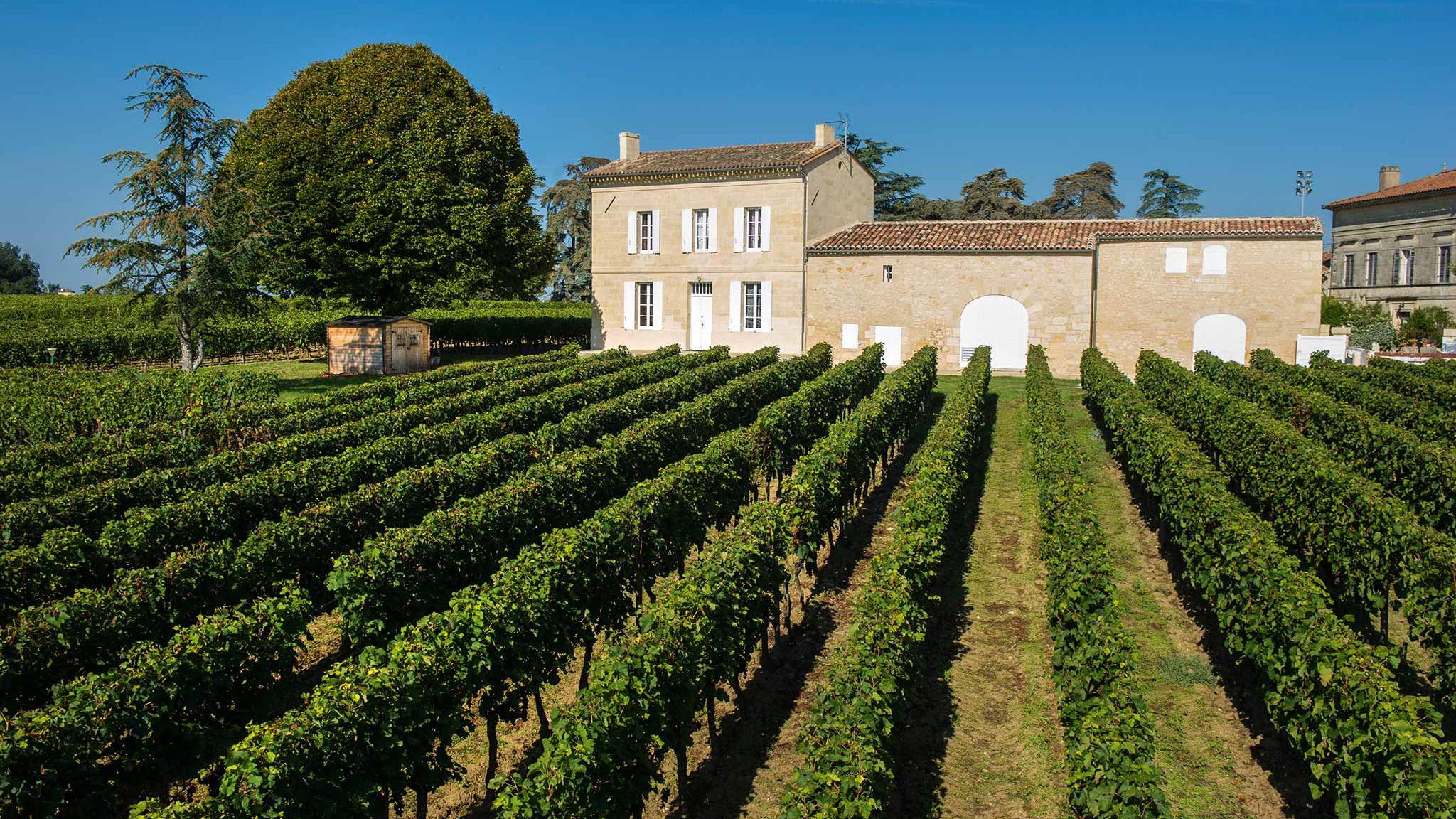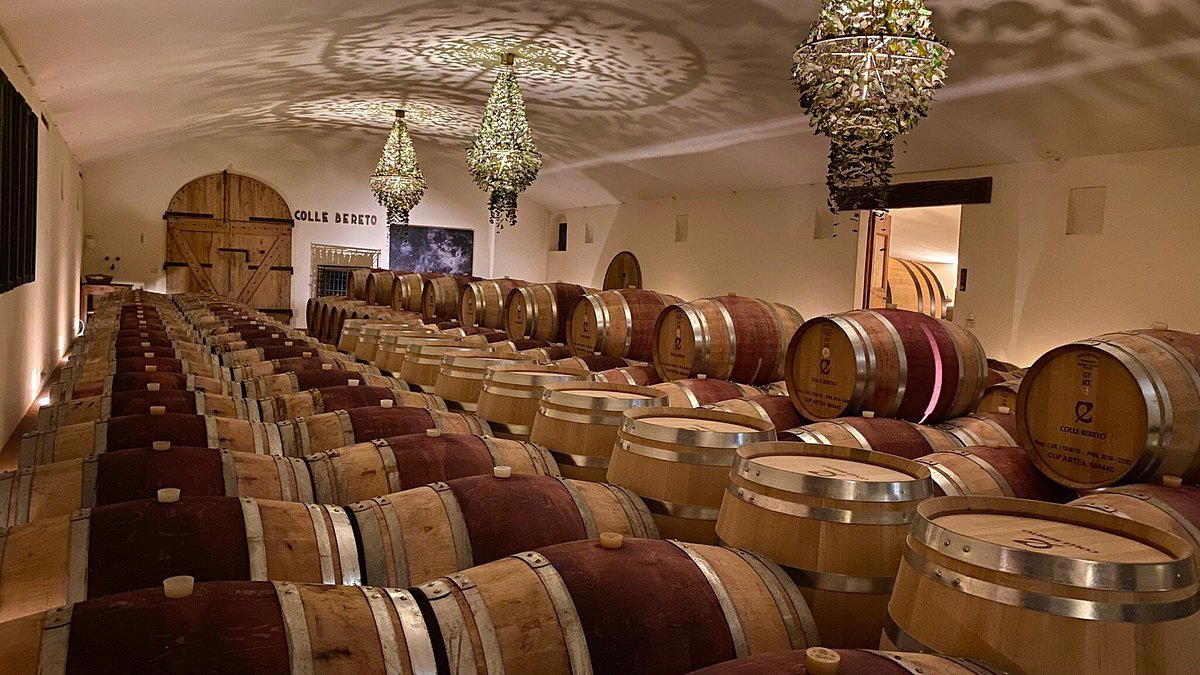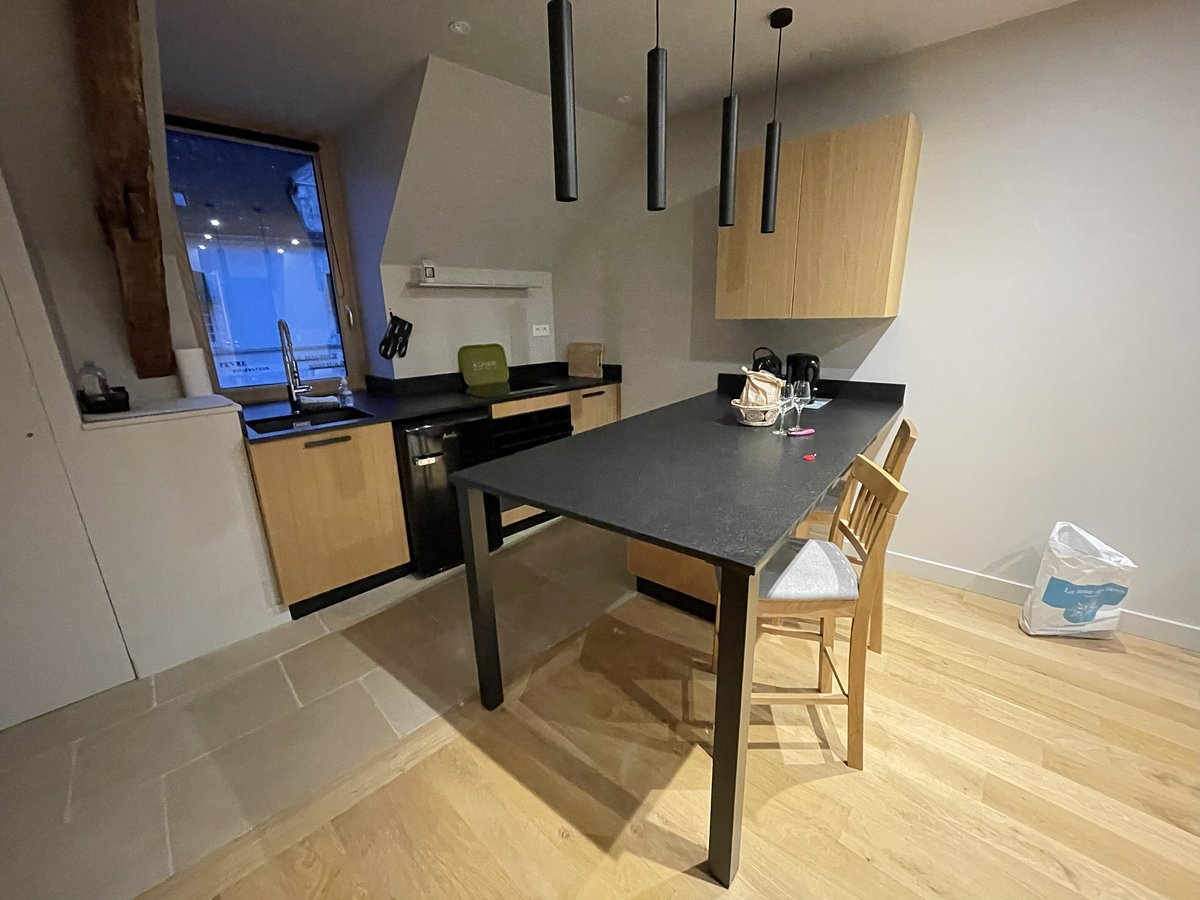

Domaine Garnier & Fils
Ligny-le-Châtel
Winery in Ligny-le-Châtel, France
 Book with Pearl
The Read
Northern Chablis Terroir Expression
Why go
Domaine Garnier & Fils is worth chasing for wine travelers who want a producer-focused stop near Ligny-le-Châtel rather than a polished hospitality package. Access is difficult, so treat it as the anchor of the day and cross-shop nearby Chablis producers if timing does not work.
About Domaine Garnier & Fils
Domaine Garnier & Fils is a Pearl 2 Star Prestige venue in Ligny-le-Châtel for 2025. It carries Pearl 2 Star Prestige recognition for 2025, and the dress code is casual. Specific details such as service format, booking requirements, menu or tasting structure, hours, prices, group capacity, and on-site amenities should be confirmed directly before planning a visit.
A Ligny-le-Châtel venue for travelers comparing regional stops
Domaine Garnier & Fils is a venue to confirm directly before building a day around it. Its Pearl 2 Star Prestige recognition for 2025 makes it a notable Ligny-le-Châtel entry for travelers comparing regional options.
Details such as a restaurant format, hotel component, tasting package, seat count, price level, and hospitality schedule should be confirmed before you go. Use the venue name, Ligny-le-Châtel location, casual dress code, and recognition as the reliable baseline, then confirm any visit-specific details through current official channels.
How to time it in a regional itinerary
Specific opening times, seasonal access, reservation rules, and visit formats should be confirmed directly. If Domaine Garnier & Fils is a priority, check current availability before arranging meals, transport, or other appointments around it.
If you are comparing it with other names in the broader decision set, consider Domaine Billaud-Simon, Domaine Louis Michel & Fils, Domaine Roland Lavantureux, Domaine Willian Fevre, and La Chablisienne as natural reference points. Keep geography and logistics separate when planning: Domaine Garnier & Fils is in Ligny-le-Châtel.
Quick reference: Domaine Garnier & Fils is a casual-dress Ligny-le-Châtel venue with Pearl 2 Star Prestige recognition for 2025; confirm all practical visit details before going.
Planning details
- Location
- Chem. de Mère, 89144 Ligny-le-Châtel, France
- Website
- chablis-garnier.com/fr/ligny-le-chatel.html
- Phone
- +33 3 86 47 42 12
The take
The Take
The Vibe
Domaine Garnier & Fils reads as a terroir-first Chablis house rooted in a particular slice of the Yonne valley. The copy emphasizes Kimmeridgian limestone, compressed marine fossils and a cool, short growing season that together create a taut, saline expression of Chardonnay. The writing frames the domaine’s location and address as a deliberate geological statement — less about flash and more about provenance — so visitors can expect an understated, detail-oriented approach to winemaking where site and soil govern style.
Best For
This is a destination for people who want to learn as they taste. The piece positions Domaine Garnier & Fils within the architecture of Chablis, making it a natural stop for wine-education outings and focused solo visits. Enthusiasts who are studying Kimmeridgian soils, unoaked Chardonnay expression or the contrast between village, Premier Cru and Grand Cru levels will find the domaine especially rewarding. The tone suggests a place for deliberate tasting and geological observation rather than loud group partying or casual drop-ins.
Tasting Tips
When tasting here, pay attention to how the wines reflect Kimmeridgian limestone: look for salinity, tension and a lean, mineral drive that signals northern Chablis identity. The text specifically notes that village and regional-tier Chablis offer honest value, while Premier Cru and Grand Cru bottlings represent the region’s prestige; sample across those levels to understand the site’s range. Favor unoaked or lightly handled Chardonnay expressions to appreciate the structural clarity the copy emphasizes, and ask about parcels that illustrate differences in soil or exposure.
Venue details
Ambiance
Crisp and vibrant atmosphere highlighting the purity and freshness of Chardonnay from ancient limestone soils.
Tags
Vibe
Best For
Experience
Sourcing
View
At the Vineyard
- Appellation
- Chablis AOC
- Varietals
- Chardonnay
- Tour Duration
- 60-90 minutes
- Visits
- By appointment only
- Farming
- Organic
- Production
- Small producer
- Wine Styles
- Still White
- Wine Club
- Not available
Know before you go
Know Before You Go
- Getting there
- Chem. de Mère, 89144 Ligny-le-Châtel, France
Planning details
Location
Chem. de Mère, 89144 Ligny-le-Châtel, France · Directions
Recognition and awards

Also consider
If this is not available
Try Domaine Roland Lavantureux or Domaine Louis Michel & Fils first if the aim is to stay close to the Chablis conversation. For a larger, more structured alternative, La Chablisienne is the more practical fallback.
Winery context
How it compares with nearby Chablis producers
Choose Domaine Garnier & Fils if the priority is a quieter, producer-led stop near Ligny-le-Châtel and the trip can flex around difficult access. Domaine Roland Lavantureux and Domaine Louis Michel & Fils are stronger cross-shops for travelers who want a clearer Chablis-name itinerary and a more obvious regional comparison point.
La Chablisienne is the safer alternative for visitors who want scale and a more structured feel. Domaine Willian Fevre and Domaine Billaud-Simon make more sense for travelers prioritizing name recognition in Chablis. Domaine Garnier & Fils is the better fit when ambiance means a lower-key producer setting rather than a more prominent visitor circuit.
Explore Ligny-le-Châtel
Around this place
Discover more on Pearl
Unlock the full Domaine Garnier & Fils guide in Pearl, including awards, comparisons, FAQs, planning details, and nearby places.
Compare Domaine Garnier & Fils
| Venue | Location | Awards |
|---|---|---|
| Domaine Garnier & Fils | Ligny-le-Châtel | 2026 Falstaff Winery Guide |
| Domaine Roland Lavantureux | Lignorelles | No published awards |
| Domaine Louis Michel & Fils | Chablis | 2026 Falstaff Winery Guide |
| La Chablisienne | Chablis | 2026 Falstaff Winery Guide |
| Domaine Willian Fevre | Chablis | No published awards |
| Domaine Billaud-Simon | Chablis | 2026 Falstaff Winery Guide |
How Domaine Garnier & Fils compares with similar nearby venues.
FAQ
Frequently Asked Questions
Do I need a reservation at Domaine Garnier & Fils?
Reservation requirements should be confirmed directly. Domaine Garnier & Fils is in Ligny-le-Châtel and has Pearl 2 Star Prestige recognition for 2025, so confirm current access and timing before planning a visit.
What other venues are relevant comparisons for Domaine Garnier & Fils?
For comparison planning, Domaine Louis Michel & Fils, Domaine Willian Fevre, La Chablisienne, Domaine Roland Lavantureux, and Domaine Billaud-Simon are relevant names to consider alongside Domaine Garnier & Fils. Check each venue's current location details and access policies separately.
Can Domaine Garnier & Fils handle large groups?
What practical details are confirmed for Domaine Garnier & Fils?
The confirmed information is that Domaine Garnier & Fils is in Ligny-le-Châtel, has a casual dress code, and carries Pearl 2 Star Prestige recognition for 2025. Other practical details should be confirmed directly.
Does Domaine Garnier & Fils serve food?
Do not assume a meal, tasting menu, lunch service, or restaurant format without confirming current details directly with Domaine Garnier & Fils.