

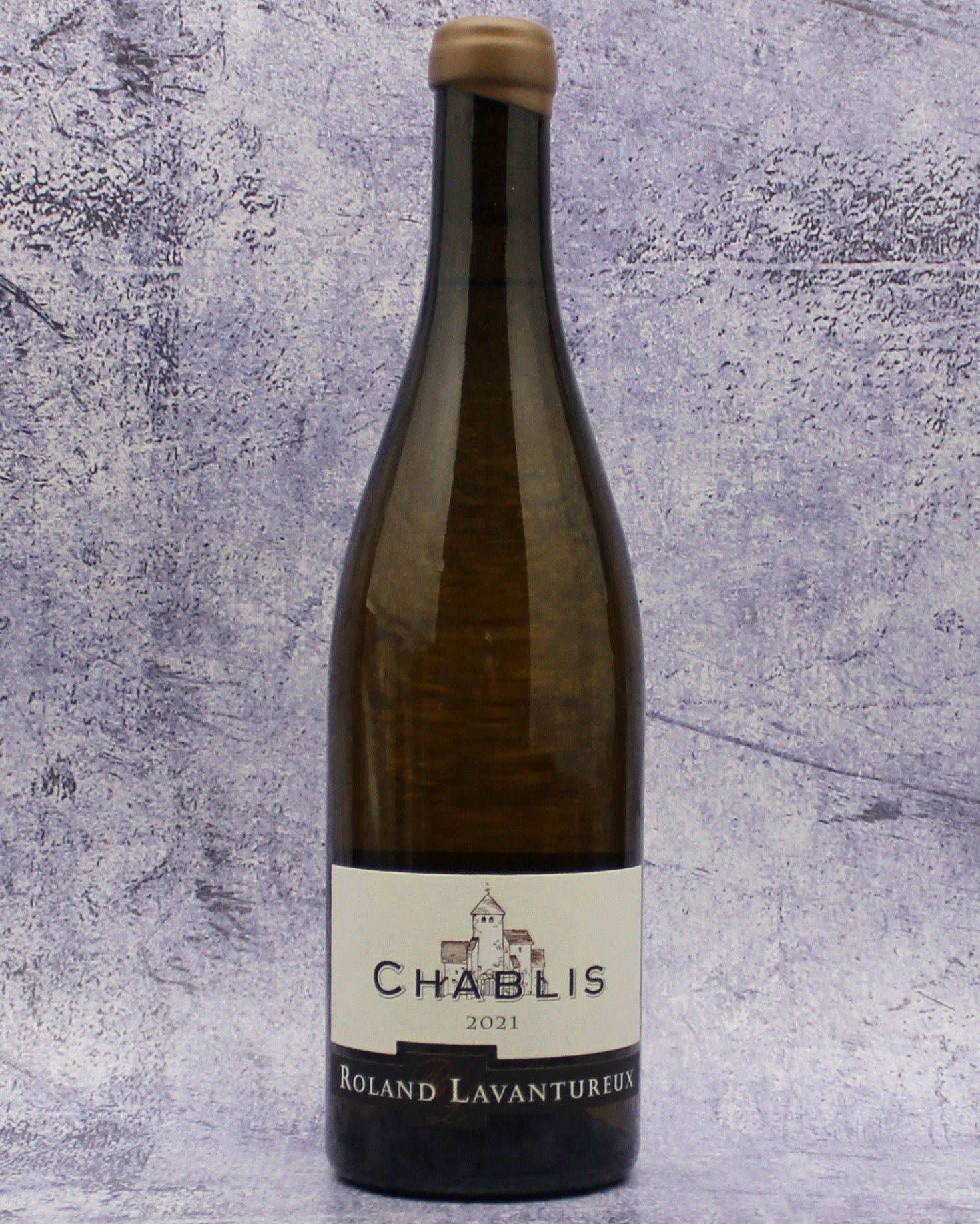
Domaine Roland Lavantureux
Lignorelles
Winery in Lignorelles, France
 Book with Pearl
The Read
Kimmeridgian Terroir Precision
Why go
Domaine Roland Lavantureux is worth pursuing for serious Chablis-focused travelers who care more about producer access and allocation potential than an easy tasting-room experience. Plan well ahead, keep nearby Chablis alternatives ready, and do not treat it as a food stop unless dining details are confirmed separately.
About Domaine Roland Lavantureux
Domaine Roland Lavantureux is a Lignorelles venue recognized with Pearl 2 Star Prestige (2025). Dress code is casual. Before planning around specific services, visit formats, menus, prices, hours, retail options, or appointment procedures, confirm current details directly with the venue.
That makes the planning case simple: approach Domaine Roland Lavantureux as a stop to confirm in advance. If you are organizing time in Lignorelles, keep the plan flexible and use the venue's own channels before relying on any particular experience.
Worth pursuing when the recognition fits your plans
The value question here is not about assuming a format, fee, menu, visitor program, or service model. It is about whether Domaine Roland Lavantureux fits your trip. Pearl 2 Star Prestige (2025) gives Domaine Roland Lavantureux a clear recognition signal, while the casual dress code makes the practical wardrobe expectation simple.
For detailed visitor arrangements, avoid building a tight itinerary around same-day availability or any specific service without checking first. Use Lignorelles as the anchor, then keep other plans flexible and confirm the current details directly before relying on them.
How to build the right day around it
Make this a carefully confirmed stop rather than an assumption-led plan. Confirm food service, retail policy, signature items, seating details, and public schedules directly before arranging meals, transport, or other bookings around it.
If you are comparing Domaine Roland Lavantureux with other names, consider Domaine Garnier & Fils, La Chablisienne, Domaine Louis Michel & Fils, Domaine Moreau-Naudet, and Domaine Willian Fevre as natural reference points. Keep those comparisons focused on your own confirmed trip needs rather than assuming the same format, location, or visitor experience across venues.
Bottom line: pursue Domaine Roland Lavantureux if the Pearl 2 Star Prestige (2025) recognition and Lignorelles setting fit your plans, and verify the operational details directly before you go.
Planning details
- Location
- 4 Rue Saint-Martin, 89800 Lignorelles
- Website
- chablis-lavantureux.fr
- Phone
- +33 7 65 15 12 12
The take
The Take
The Vibe
Domaine Roland Lavantureux sits modestly in a quiet, agricultural pocket of the Chablis region, offering an understated experience centered on place rather than pageantry. The write-up emphasizes geology and farming — the Kimmeridgian limestone and clay that drive a mineral, saline Chablis signature — and positions the domaine as a serious, terroir-focused producer rather than a flashy commercial name. Visiting feels like stepping into a focused study of Chardonnay: restrained, thoughtful, and attentive to the vineyards that surround the estate. The mood is quietly persuasive rather than performative, rewarding visitors who appreciate nuance over grandeur.
Best For
This domaine is particularly well suited to visitors seeking deeper understanding of Chablis terroir. The profile highlights Lignorelles’s Kimmeridgian soils and the domaine’s commitment to producing terroir-faithful wines, and notes recognition from EP Club, which signals attention from serious tasters. That makes it an excellent stop for wine-education minded travelers and solo explorers who want to parse soil-driven differences outside the more famous crus. It’s not pitched as a spectacle; rather, it rewards focused tasting and conversation about parcels, soil, and minimal intervention.
Tasting Tips
When tasting at this domaine, prioritize examples that showcase the Kimmeridgian limestone and the village-level parcels rather than oak-driven styles. The piece explicitly contrasts terroir-faithful producers with wines 'dressed up with oak or intervention,' so ask for cuvées that emphasize mineral, saline and chalky notes. Inquire about specific parcels in Lignorelles and any recent vintages that exhibit the classic Chablis tension. If you want context, mention the EP Club recognition to prompt staff to discuss the domaine’s approach to vineyard expression and classification within the appellation.
Venue details
Ambiance
Classic and humble with pure, precise wines expressing vibrant minerality and saline tension.
Tags
Vibe
Best For
Experience
Sourcing
View
At the Vineyard
- Appellation
- Chablis AOC
- Varietals
- Chardonnay, Pinot Noir
- Visits
- By appointment only
- Farming
- Sustainable
- Wine Styles
- Still White
- Wine Club
- Not available
Know before you go
Know Before You Go
- Getting there
- 4 Rue Saint-Martin, 89800 Lignorelles
Planning details
Location
Also consider
If You Can't Get In
Try La Chablisienne first if the priority is keeping the itinerary intact with a more accessible Chablis stop. For a more producer-led backup, look at Domaine Louis Michel & Fils or Domaine Moreau-Naudet.
Winery context
How It Compares
Domaine Roland Lavantureux is the better target for travelers who want a focused producer visit rather than a broad, high-throughput tasting stop. La Chablisienne is the safer alternative if ease matters more than scarcity, especially for groups trying to keep the day predictable.
For collector-minded visitors, cross-shop it against Domaine Louis Michel & Fils, Domaine Moreau-Naudet, and Domaine Garnier & Fils. Those names make more sense than a generic tasting-room route if the real goal is comparing domaine style, buying access, and cellar-fit for a Chablis allocation.
Domaine Willian Fevre is the cleaner choice for travelers who want a more recognized benchmark in the wider Chablis conversation. Choose Lavantureux when the priority is a narrower, more specialist stop; choose the larger-name route when the priority is convenience, schedule confidence, or an easier first Chablis visit.
Explore Lignorelles
Around this place
Discover more on Pearl
Unlock the full Domaine Roland Lavantureux guide in Pearl, including awards, comparisons, FAQs, planning details, and nearby places.
Compare Domaine Roland Lavantureux
| Venue | Location | Awards |
|---|---|---|
| Domaine Roland Lavantureux | Lignorelles | No published awards |
| Domaine Garnier & Fils | Ligny-le-Châtel | 2026 Falstaff Winery Guide |
| La Chablisienne | Chablis | 2026 Falstaff Winery Guide |
| Domaine Louis Michel & Fils | Chablis | 2026 Falstaff Winery Guide |
| Domaine Willian Fevre | Chablis | No published awards |
| Domaine Moreau-Naudet | Chablis | 2026 Falstaff Winery Guide |

How Domaine Roland Lavantureux compares with similar nearby venues.
FAQ
Frequently Asked Questions
What other venues can I compare with Domaine Roland Lavantureux?
For broader comparison, names to consider include Domaine Garnier & Fils, La Chablisienne, Domaine Louis Michel & Fils, Domaine Willian Fevre, and Domaine Moreau-Naudet. Domaine Roland Lavantureux is recognized with Pearl 2 Star Prestige (2025), so it is worth considering as part of a well-planned itinerary.
What should I know about retail or shipping at Domaine Roland Lavantureux?
Does Domaine Roland Lavantureux serve food?
Do not plan Domaine Roland Lavantureux as a meal stop unless the venue confirms food service directly. The location is Lignorelles.