
Bremerton Wines
Langhorne Creek
Winery in Langhorne Creek, Australia
 Book with Pearl
The Read
Lake-Country Cabernet Depth
Why go
Bremerton Wines is worth prioritising in Langhorne Creek when the visit is about serious bottle buying rather than a packed tasting crawl. It suits couples, small groups, and occasion-led wine days; cross-shop Bleasdale Vineyards for heritage context or Lake Breeze Wines for another local winery stop.
About Bremerton Wines
For a visit in Langhorne Creek, Bremerton Wines can be considered alongside Bleasdale Vineyards or Lake Breeze Wines when planning an itinerary. Key basics are simple: Bremerton Wines is in Langhorne Creek, the dress code is casual, and it holds Pearl 2 Star Prestige recognition for 2025.
Use the recognition as a central marker when deciding whether to include it in your plans, then confirm practical details such as pricing, opening hours, menus, seating, tasting formats, group capacity, shipping, and specific bottles directly with the venue before visiting.
Prioritise the basics
Expect a casual Langhorne Creek venue with 2025 Pearl 2 Star Prestige recognition. Avoid building the visit around a flagship bottle, named tasting flight, food format, chef-led dining offer, price point, or booking policy unless those specifics are confirmed through the venue.
If you are comparing options, Bleasdale Vineyards and Lake Breeze Wines are natural names to consider alongside Bremerton Wines. For broader planning, use the full Langhorne Creek wineries guide before adding meals from the Langhorne Creek restaurants guide or overnight options from the Langhorne Creek hotels guide.
Who should make it the anchor stop
Visitors who want a casual Langhorne Creek stop with a Pearl 2 Star Prestige marker should keep Bremerton Wines high on the shortlist. Larger groups, special-occasion planners, and anyone relying on a particular service should confirm capacity, booking method, menu, hours, and group policy ahead. If you are comparing beyond Bremerton Wines, Adelaide Hills Distillery (78°), Tin Shed Distilling Co (Iniquity), or Fleurieu Distillery may also be relevant to broader planning, though they are not direct substitutes for Bremerton Wines.
The clean recommendation: choose Bremerton Wines when you want a casual Langhorne Creek venue with Pearl 2 Star Prestige recognition. Choose Bleasdale Vineyards or Lake Breeze Wines if you want to compare it with other named options. Add other Langhorne Creek experiences only after confirming the practical details that matter for your day.
Planning details
- Location
- 14 Kent Town Rd, Langhorne Creek SA 5255
- Website
- bremerton.com.au
- Phone
- +61 8 8537 3093
The take
The Take
The Vibe
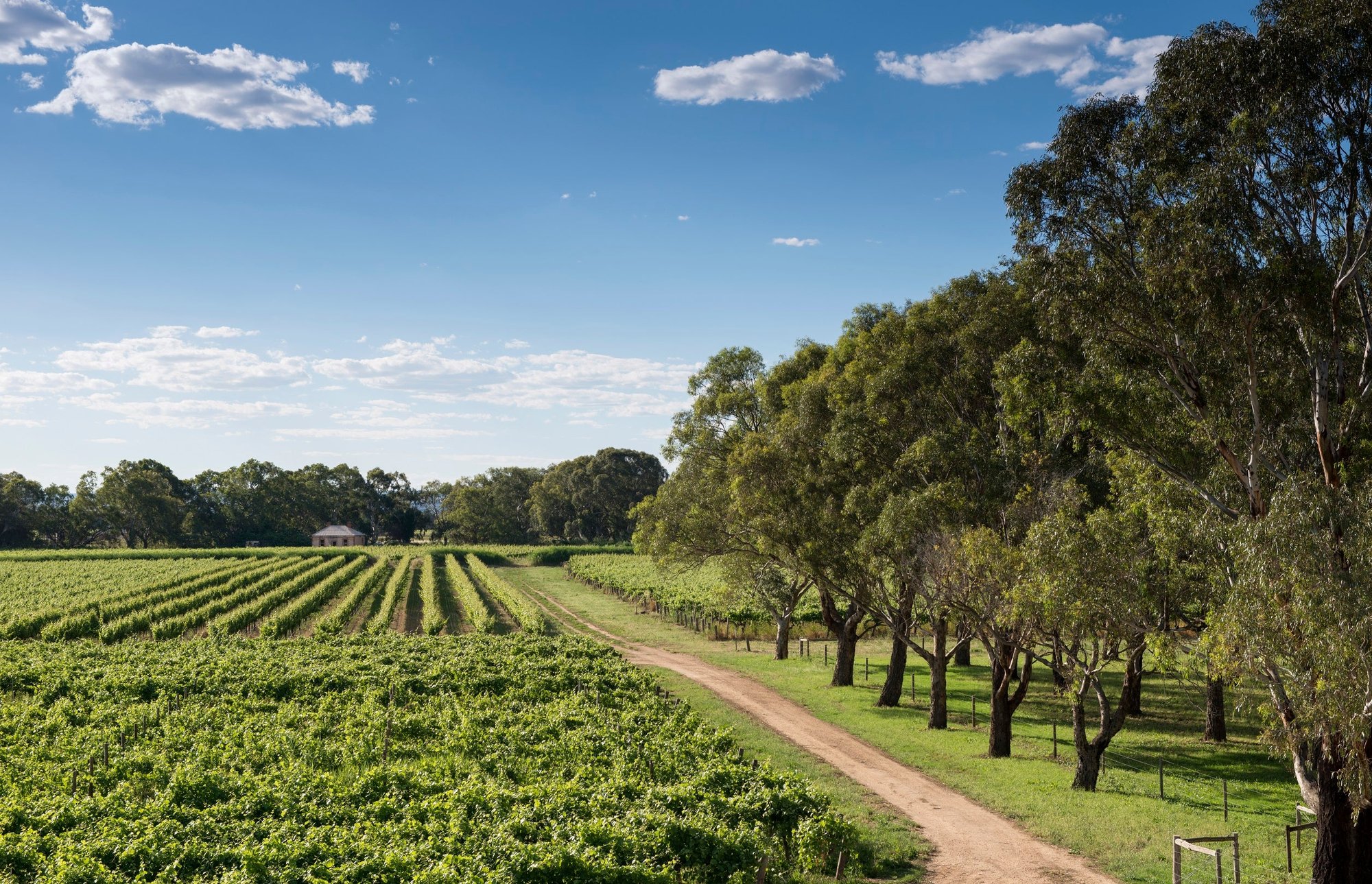
Bremerton Wines presents an understated, methodical presence within Langhorne Creek. The copy emphasizes quiet craft rather than spectacle: flatness and agricultural scale replace dramatic amphitheatres, and producers are rewarded for knowing their soil. The winery’s recent 2025 Pearl 2 Star Prestige recognition underscores a considered, reliable approach to winemaking — ripe fruit and patient tannins rather than overt showmanship. Visitors encounter a place rooted in regional tradition and calm professionalism: ideal for people who appreciate restraint, consistency across vintages, and wines that reveal structure over time.
Best For
Bremerton suits visitors looking for focused wine study, small group outings and low-key celebrations that prize quality over flash. The text frames the property as a destination for people traveling from Adelaide (roughly a 75-minute drive), so day trips or weekend excursions work well. The region’s reputation for deliberate craft and the winery’s Pearl 2 Star Prestige recognition make it especially relevant for educational tastings and groups who want to compare regional red styles. It’s less about spectacle and more about tasting wines that show structural patience and varietal clarity.
Tasting Tips
When tasting Bremerton’s range, prioritize the red wines — the description highlights wines that are "ripe in fruit, but rarely overworked, with tannins that carry long past the finish." Seek out the releases tied to the 2025 Pearl 2 Star Prestige recognition to sample what the assessor community singled out. Ask staff about how Lake Alexandrina’s winter floodwaters and summer breezes influence the wines’ moderation and acidity. Focus conversation on vintage-to-vintage consistency and the estate’s approach to soil, since the region rewards producers who understand their land rather than those who perform for visitors.
Venue details
Ambiance
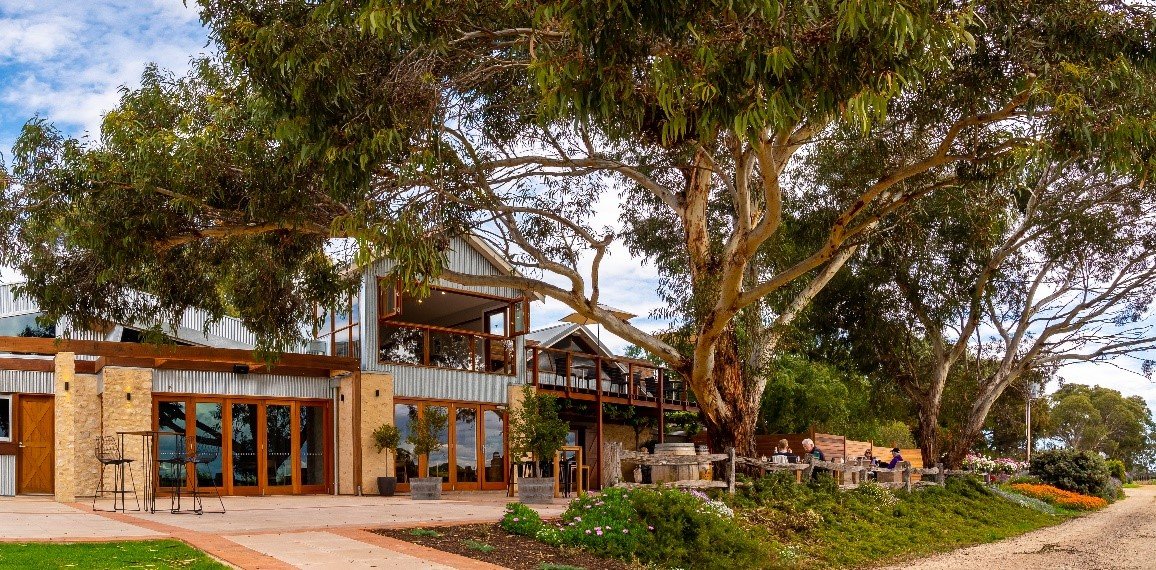
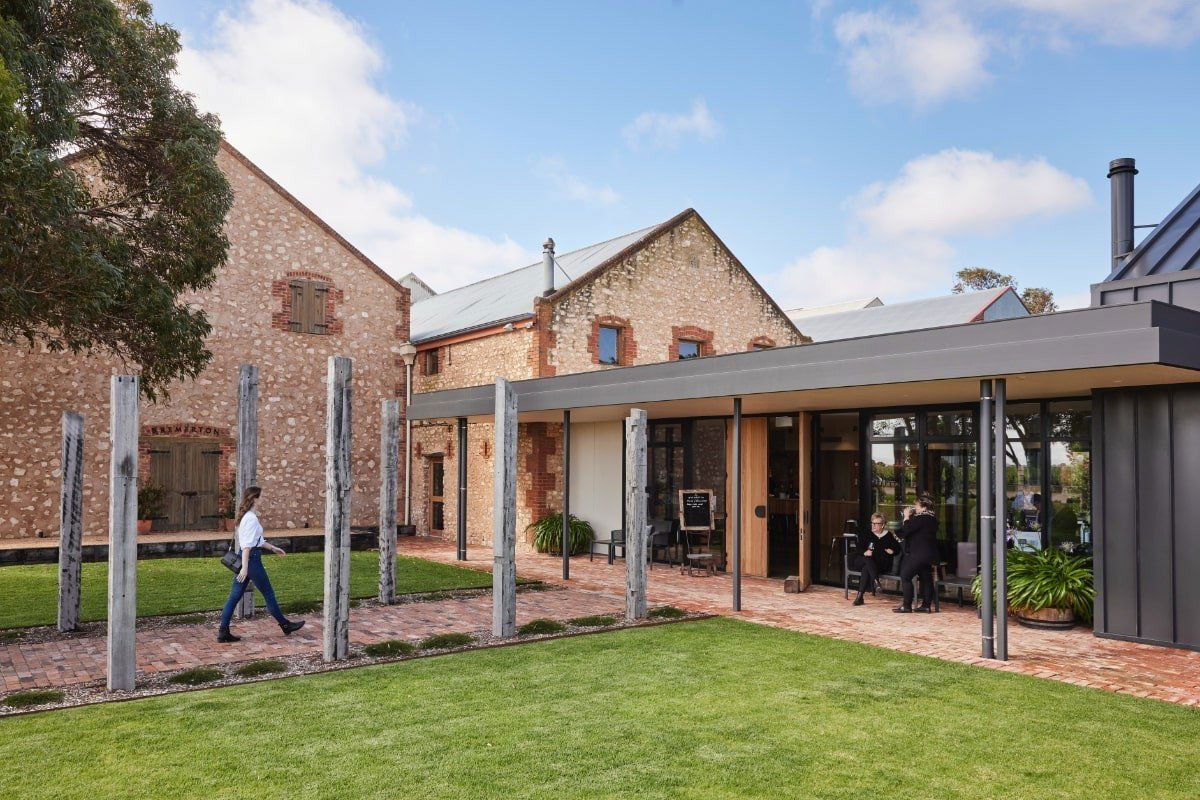
Relaxed and inviting atmosphere in the historic stone barn with natural light, spacious verandah shaded by ceiling fans and umbrellas, and sprawling lawns for picnics.
Tags
Vibe
Best For
Experience
View
Accessibility
At the Vineyard
- Appellation
- Langhorne Creek
- Varietals
- Cabernet Sauvignon, Shiraz, Sauvignon Blanc, Verdelho, Chardonnay
- Tour Duration
- 2-3 hours
- Farming
- Sustainable
- Wine Styles
- Still Red, Still White
- Food Pairing
- Offered
- Shipping
- Available
- Wine Club
- Available
Know before you go
Know Before You Go
- Getting there
- 14 Kent Town Rd, Langhorne Creek SA 5255
Planning details
Location
Recognition and awards

Also consider
Where to go if Bremerton Wines does not fit
Choose Bleasdale Vineyards if the group wants a heritage-led Langhorne Creek winery with strong regional context. Choose Lake Breeze Wines if the itinerary needs another local cellar-door stop rather than a spirits detour.
Winery context
How Bremerton Wines compares in Langhorne Creek
Bremerton Wines is the stronger pick when the point of the day is wine purchasing and a focused cellar-door stop. Bleasdale Vineyards is the more natural alternative for visitors who want a heritage-led Langhorne Creek comparison, while Lake Breeze Wines makes sense as the second winery on the same regional itinerary.
For value, the comparison is less about published price and more about category fit. Choose Bremerton Wines if bottle quality is driving the trip; choose Bleasdale Vineyards if the group wants a classic regional reference point; choose Lake Breeze Wines if the day needs another easy local winery stop. None of the listed peers has enough supplied pricing detail to call a clear low-cost winner.
Tin Shed Distilling Co (Iniquity), Fleurieu Distillery, and Adelaide Hills Distillery (78°) are better cross-shops for spirits drinkers than winery visitors. They are useful if the group is split between wine and whisky or gin, but they are not direct substitutes for a Langhorne Creek wine stop.
Explore Langhorne Creek
Around this place
Discover more on Pearl
Unlock the full Bremerton Wines guide in Pearl, including awards, comparisons, FAQs, planning details, and nearby places.
Compare Bremerton Wines
| Venue | Location | Awards |
|---|---|---|
| Bremerton Wines | Langhorne Creek | 2026 Falstaff Winery Guide |
| Bleasdale Vineyards | Langhorne Creek | No published awards |
| Lake Breeze Wines | Langhorne Creek | No published awards |
| Tin Shed Distilling Co (Iniquity) | Adelaide | No published awards |
| Fleurieu Distillery | Goolwa | No published awards |
| Adelaide Hills Distillery (78°) | Adelaide Hills | No published awards |
How Bremerton Wines Langhorne Creek compares with similar nearby venues.
FAQ
Frequently Asked Questions
Can Bremerton Wines handle large groups?
Does Bremerton Wines offer shipping?
Does Bremerton Wines offer membership?
If membership is important, check the venue's official information and confirm current terms before joining.