Bleasdale Vineyards
Langhorne Creek
Winery in Langhorne Creek, Australia
 Book with Pearl
The Read
Flood-Plain Terroir Precision
Why go
Book Bleasdale Vineyards if the goal is a serious Langhorne Creek wine stop rather than a long lunch. The 2025 Pearl 2 Star Prestige signal makes it a stronger anchor than a casual cellar-door pick, but food details are too thin to treat it as a restaurant-style pairing destination.
About Bleasdale Vineyards
For a Langhorne Creek visit centred on Bleasdale Vineyards, the strongest draw is its Pearl 2 Star Prestige recognition in 2025. This entry offers a concise planning note rather than a full service profile: beyond the venue name, Langhorne Creek location, casual dress code, and recognition, detailed public-facing specifics such as menu, pricing, hours, seat count, or booking format are not available. This distinction matters for trip planning, because a recognised venue can still require separate confirmation before it is used as the anchor for a meal, tasting schedule, or fixed stop in a tightly timed itinerary.
That makes Bleasdale Vineyards a useful candidate for travellers comparing notable Langhorne Creek stops, but not a venue to plan around unconfirmed dining, tasting, or hospitality details. Build the visit with conservative assumptions, confirm current arrangements directly, and use the recognition as context rather than as a substitute for practical planning. In other words, the recognition helps explain why the name belongs on a shortlist, while the lack of operational detail means the practical shape of the visit should remain flexible until checked.
Book for the recognition, not unconfirmed restaurant-style details
Bleasdale Vineyards is a Langhorne Creek venue with Pearl 2 Star Prestige (2025), but details like cuisine type, chef, menu, signature dishes, price point, hours, or dining format are not available. It should not be treated like a documented restaurant unless current details are confirmed before the visit. If the day needs a full food plan, pair this note with Our full Langhorne Creek restaurants guide rather than assuming Bleasdale Vineyards will cover the meal. That approach keeps expectations clear: the draw is the venue context and recognition, not a guaranteed restaurant-style experience.
For travellers comparing options, keep the focus on venue context and relevant names in the same planning set. Lake Breeze Wines and Bremerton Wines are natural comparison points. If the trip broadens beyond Bleasdale Vineyards, Adelaide Hills Distillery (78°), Fleurieu Distillery, and Tin Shed Distilling Co (Iniquity) belong in a separate route rather than being treated as local dining substitutes. Keeping those categories separate makes the planning cleaner, especially for visitors weighing a Langhorne Creek day against a broader regional itinerary with different kinds of stops.
Where it fits in a wider trip
Bleasdale Vineyards works well as a focused Langhorne Creek reference point with Pearl 2 Star Prestige (2025). Travellers comparing the area should use Our full Langhorne Creek wineries guide for nearby context, then decide whether to keep the itinerary local or widen it to other regions. Information on a specific hospitality style, tasting structure, food program, or visitor capacity is not available. As a result, Bleasdale Vineyards adds weight to a Langhorne Creek shortlist, while the final day plan should still be assembled from details that have been checked close to the time of travel.
Make the logistics conservative. Confirm current opening arrangements, booking needs, and any food or tasting details directly before relying on the visit. For the rest of the stay, use Langhorne Creek dining, bars, hotels, and experiences resources as separate planning layers rather than building the whole itinerary around unconfirmed assumptions about one venue. This keeps the profile useful without overstating what is known: Bleasdale Vineyards can be part of a considered Langhorne Creek plan, but the available facts should set the boundaries of what travellers expect before they arrive.
Planning details
- Location
- 1640 Langhorne Creek Rd, Langhorne Creek SA 5255
- Website
- bleasdale.com.au
- Phone
- +61 8 8537 4000
The take
The Take
The Vibe
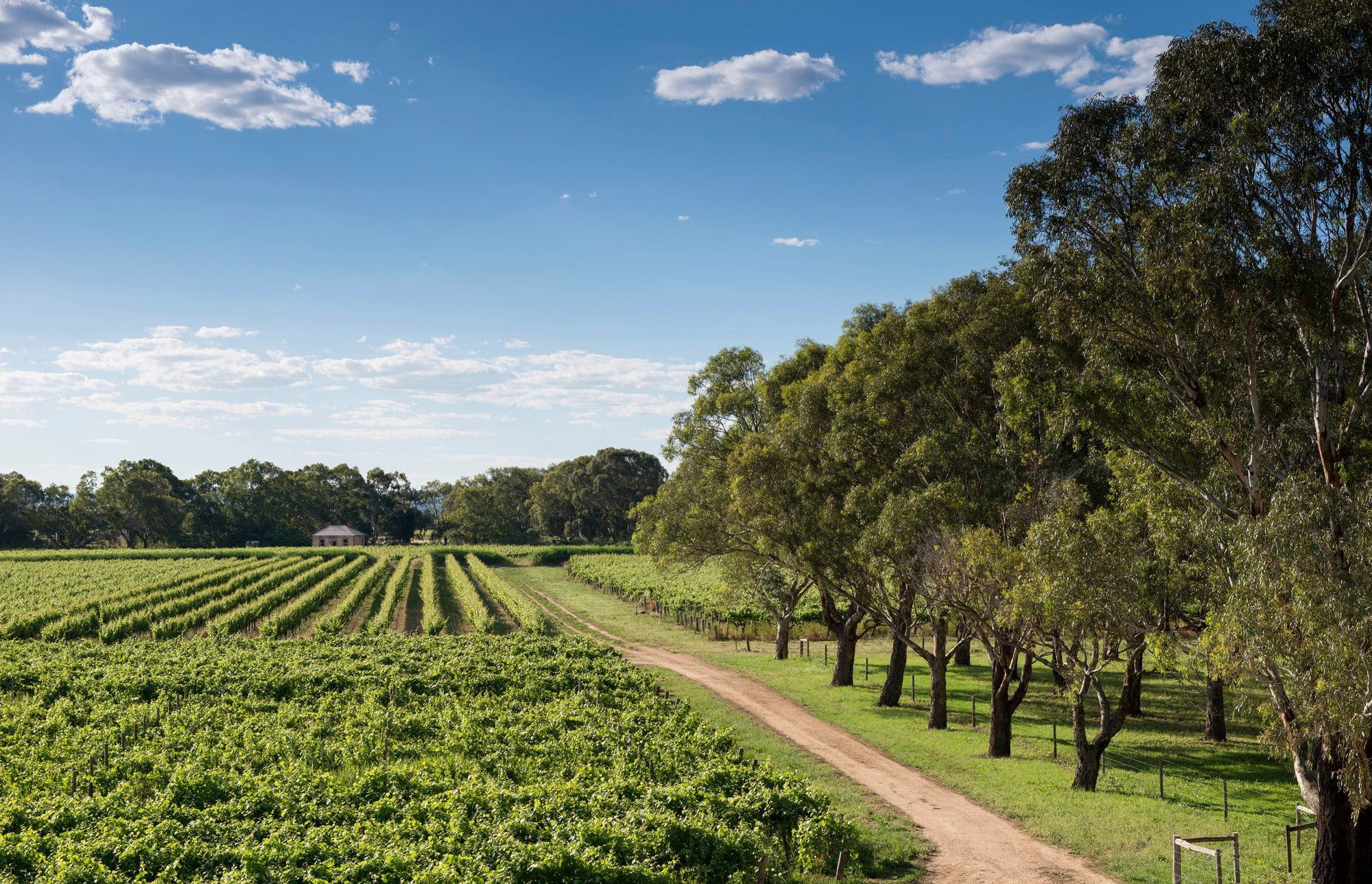
Bleasdale presents as an understated, terroir-first producer where quiet confidence replaces flash. The copy emphasizes the region’s subtle strengths — deep alluvial soils, lake-moderated diurnal ranges and a long, gentle growing season — and frames the winery within a tradition built on Cabernet and Shiraz. A recent Pearl 2 Star Prestige rating places Bleasdale among the region’s higher-performing houses, so the overall impression is measured and refined rather than trendy. Visitors encounter wines shaped by place and patience: structured, phenolic-driven bottles that reward attention rather than immediate showiness.
Best For
Bleasdale is best for visitors who care about terroir and structured, classic Australian varieties. The text foregrounds the site’s floodplain soils and lake-breeze moderation, which make it an excellent stop for wine-education minded guests wanting to understand how growing conditions influence phenolic complexity. It also suits solitary exploration — readers who enjoy quietly learning through tasting — and small group outings of enthusiasts comparing Cabernet Sauvignon and Shiraz across vintages. The emphasis on region and technique makes it a destination for thoughtful tasting rather than casual, high-energy drinking.
Tasting Tips
When tasting at Bleasdale, prioritize the varieties the region is known for: Cabernet Sauvignon and Shiraz. The description highlights slow ripening and phenolic complexity, so look for wines that show structured tannins and retained acidity rather than high-alcohol fruitiness. Ask about estate or single-vineyard bottlings and recent vintages to sense how the lake’s moderating influence affected ripening year-to-year. The producer’s Pearl 2 Star Prestige rating suggests focusing your attention on core releases that best demonstrate site character and balance.
Venue details
Ambiance
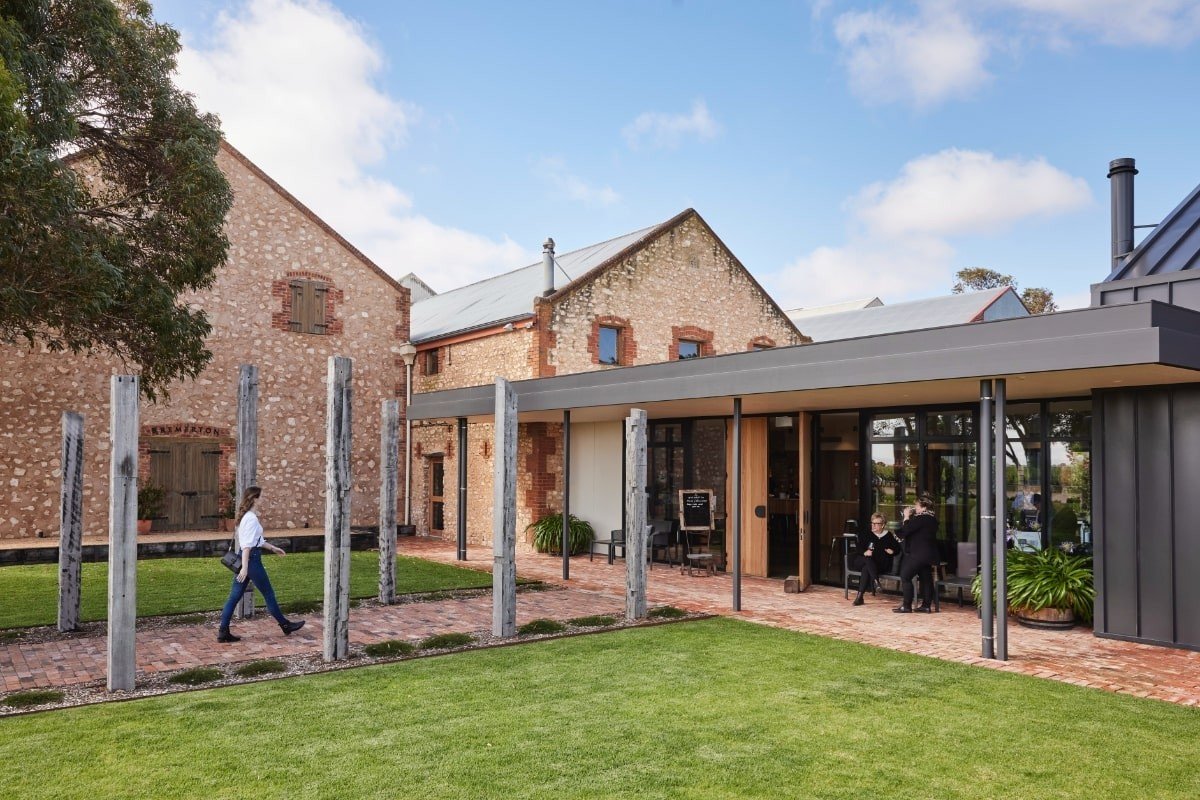
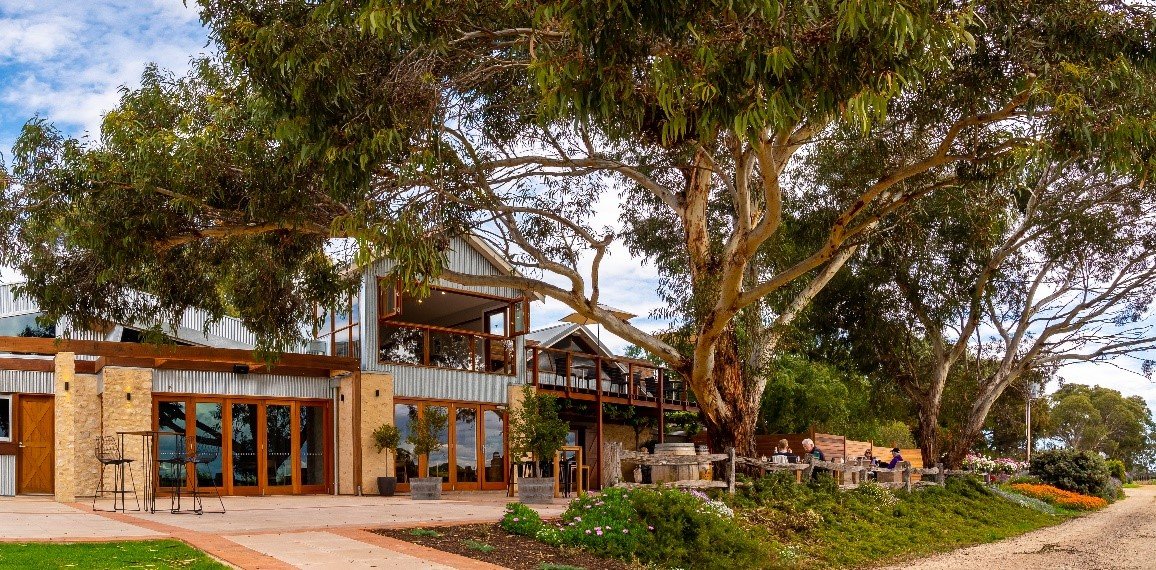
Characterful and history-rich with heritage sheds, old domed cellars, and oak-filled barrel rooms evoking a sense of timeless winemaking tradition.
Tags
Vibe
Best For
Experience
View
At the Vineyard
- Appellation
- Langhorne Creek
- Varietals
- Shiraz, Cabernet Sauvignon, Malbec, Verdelho, Grenache
- Tour Duration
- 60-90 minutes
- Visits
- Walk-ins welcome
- Wine Styles
- Still Red
- Wine Club
- Not available
Know before you go
Know Before You Go
- Getting there
- 1640 Langhorne Creek Rd, Langhorne Creek SA 5255
Planning details
Location
Also consider
Where to go if this is hard to book
Try Lake Breeze Wines or Bremerton Wines first if the plan needs to stay in Langhorne Creek. Both are cleaner substitutes than the distillery options because they keep the day wine-led and regional.
If availability or group logistics make the wine route difficult, shift to Adelaide Hills Distillery (78°) for a spirits-led day instead. That changes the purpose of the outing, but it can be a better fit for mixed groups that are less focused on wine.
Winery context
How it compares in Langhorne Creek
Choose Bleasdale Vineyards when the priority is a wine-led visit with stronger recognition behind it. Lake Breeze Wines and Bremerton Wines are the closest cross-shops for a Langhorne Creek day, and both make sense if the goal is to compare regional cellar-door styles without changing towns.
For readers who want a spirits-led itinerary instead of wine, Tin Shed Distilling Co (Iniquity), Fleurieu Distillery, and Adelaide Hills Distillery (78°) are better fits. They are not direct replacements for a Langhorne Creek wine tasting, but they suit travellers who care more about whisky or spirits than regional wine context.
On booking difficulty, treat Bleasdale as the one to plan first, then add Lake Breeze Wines or Bremerton Wines around it. For ambiance, expect a grounded wine-region stop rather than a high-design destination; if the day needs variety, pairing a Langhorne Creek winery with a distillery gives the itinerary more range.
Explore Langhorne Creek
Around this place
Discover more on Pearl
Unlock the full Bleasdale Vineyards guide in Pearl, including awards, comparisons, FAQs, planning details, and nearby places.
Compare Bleasdale Vineyards
| Venue | Location | Awards |
|---|---|---|
| Bleasdale Vineyards | Langhorne Creek | No published awards |
| Lake Breeze Wines | Langhorne Creek | No published awards |
| Bremerton Wines | Langhorne Creek | 2026 Falstaff Winery Guide |
| Tin Shed Distilling Co (Iniquity) | Adelaide | No published awards |
| Fleurieu Distillery | Goolwa | No published awards |
| Adelaide Hills Distillery (78°) | Adelaide Hills | No published awards |

How Bleasdale Vineyards Langhorne Creek compares with similar nearby venues.
FAQ
Frequently Asked Questions
What other venues can I compare with Bleasdale Vineyards?
For comparison, start with Lake Breeze Wines and Bremerton Wines. If you are widening the trip beyond Bleasdale Vineyards, Tin Shed Distilling Co (Iniquity), Fleurieu Distillery, and Adelaide Hills Distillery (78°) are relevant comparison options, but they should be treated as separate stops rather than substitutes for Bleasdale Vineyards details.
Can Bleasdale Vineyards handle large groups?
Group capacity or a booking policy for Bleasdale Vineyards is not available. If you are planning a group visit in Langhorne Creek, check directly with the venue before making it the anchor of the day.
Are membership details for Bleasdale Vineyards?
When is the best time to visit Bleasdale Vineyards?
Opening hours, peak periods, or a booking format are not available. Before visiting Bleasdale Vineyards in Langhorne Creek, confirm the current schedule and any reservation requirements directly.
Are purchase or shipping details for Bleasdale Vineyards?
Purchase or shipping policies are not spelled out. If those details matter, check directly with Bleasdale Vineyards before you go or before making a purchase.
Do I need a reservation at Bleasdale Vineyards?
A reservation policy is not listed. For a visit to Bleasdale Vineyards in Langhorne Creek, confirm current booking requirements directly, especially if you are coordinating timing with Lake Breeze Wines or Bremerton Wines.