
Weingut Von Hövel
Oberemmel, Konz-Oberemmel
Winery in Konz-Oberemmel, Germany
 Book with Pearl
The Read
Slate-Driven Saar Riesling
Why go
Book Weingut Von Hövel only if the trip is genuinely wine-led and Riesling depth matters more than easy visitor infrastructure. It suits collectors and focused Mosel/Saar travelers better than casual groups looking for food, flexible hours, or a drop-in tasting format.
About Weingut Von Hövel
Weingut Von Hövel is a Pearl 2 Star Prestige venue in Konz-Oberemmel with a casual dress code. Before making it central to a trip, confirm practical arrangements such as hours, pricing, food service, tasting format, appointment policy, shipping, and current offerings directly with the venue.
A 2 Star Prestige venue in Konz-Oberemmel
The strongest reason to keep Weingut Von Hövel on a shortlist is its Pearl 2 Star Prestige recognition for 2025. That makes it a notable Konz-Oberemmel venue within this guide. Treat the listing as a quality signal, and confirm any specific amenities or visitor arrangements before you go.
The safest planning approach is simple: check the venue's official channels before relying on any detail that affects timing, access, purchases, or group suitability. For broader planning in Konz-Oberemmel, use the available local guides, including our full Konz-Oberemmel restaurants guide, while confirming practical details directly with each venue.
How to decide if it belongs on the itinerary
Choose Weingut Von Hövel if a Pearl 2 Star Prestige stop in Konz-Oberemmel is enough to justify direct confirmation and advance planning. Groups that need details such as walk-in access, food service, tasting structure, price level, or flagship offerings settled in advance should verify them before building the day around the venue.
If you are comparing serious regional options, relevant names to consider include Weingut Egon Müller, Weingut Maximin Grünhaus, Weingut Nik Weis – St. Urbans-Hof, Weingut Reichsgraf von Kesselstatt, and Weingut Van Volxem. Use those comparisons to frame the decision, while keeping Weingut Von Hövel's profile clear: Pearl 2 Star Prestige for 2025, casual dress code, and a Konz-Oberemmel location.
Planning details
- Location
- Agritiusstraße 6, 54329 Konz
- Website
- weingut-vonhoevel.de
- Phone
- +49 6501 15384
The take
The Take
The Vibe
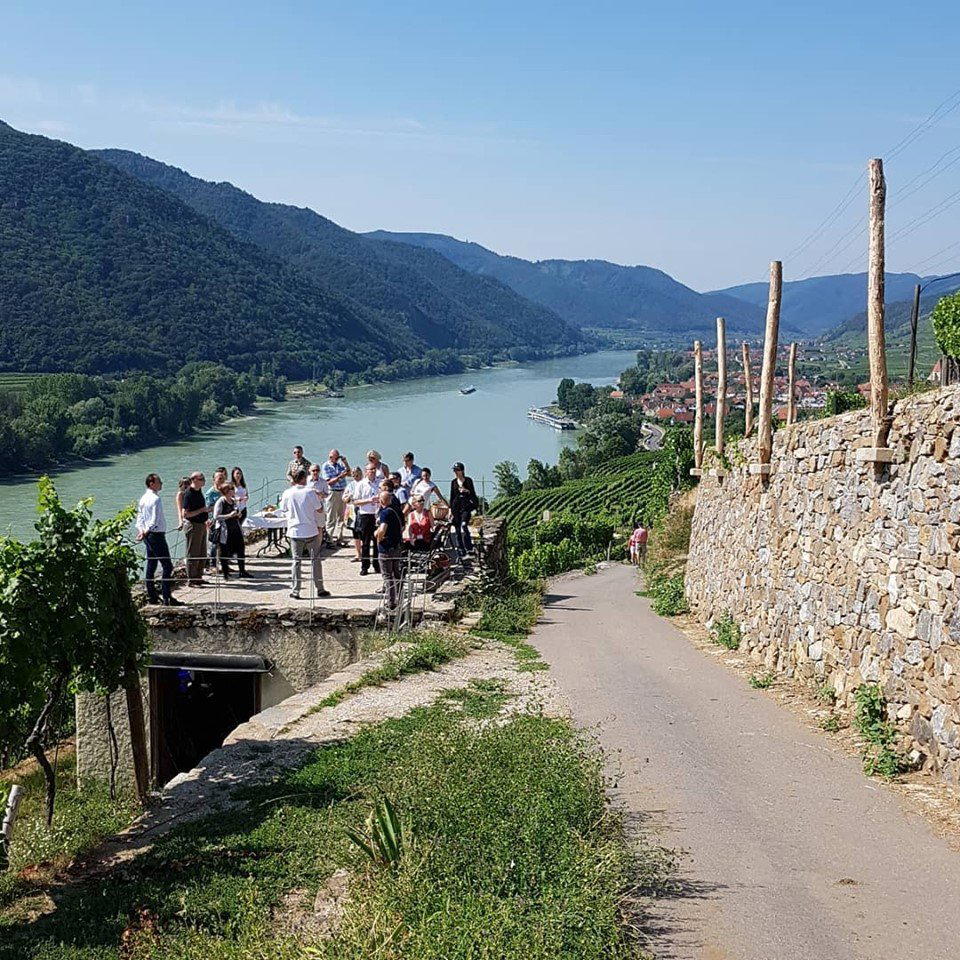
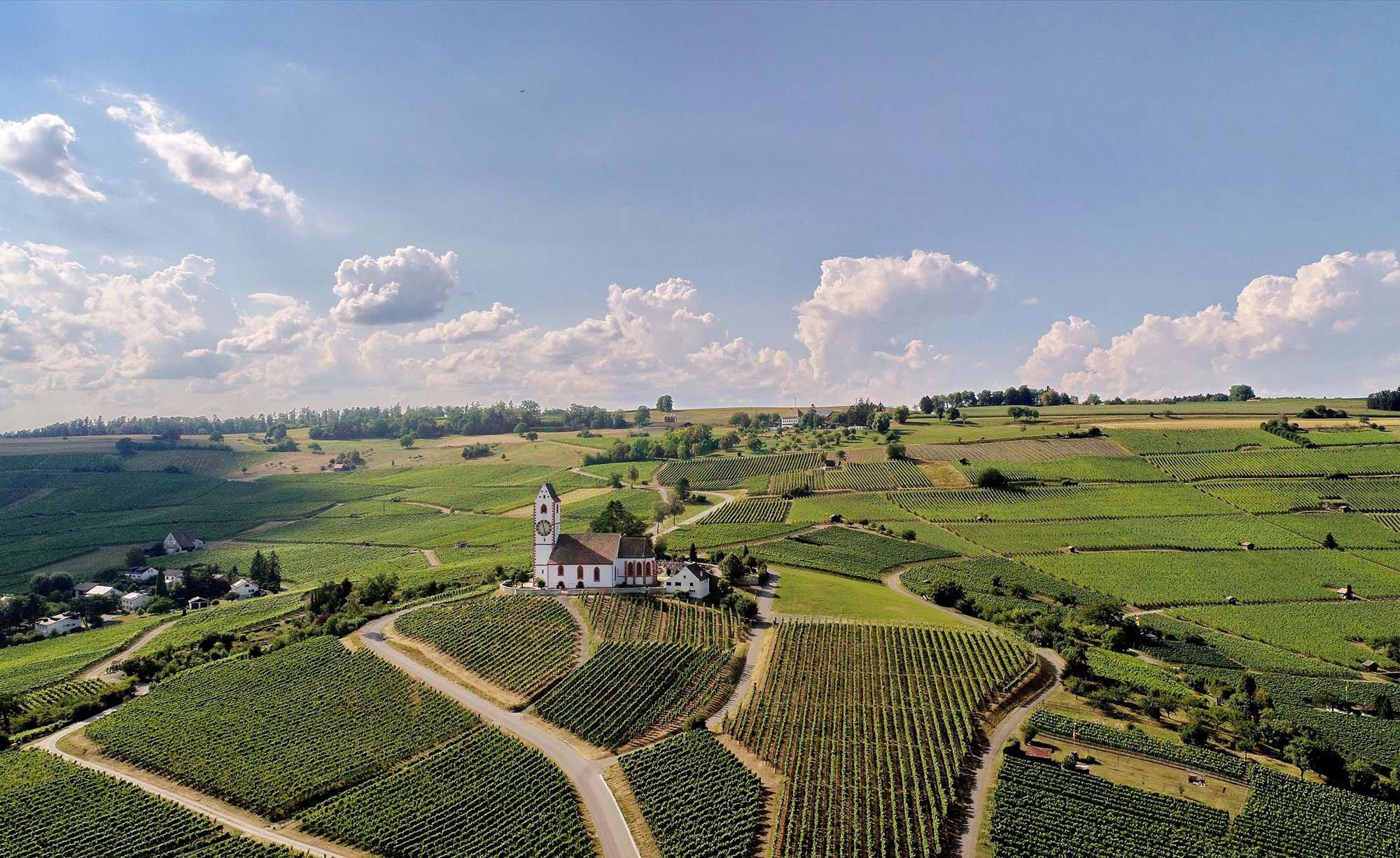
Weingut Von Hövel reads like a study in terroir. The estate operates within the Saar’s slate-heavy slopes and a sharply defined growing season, producing Rieslings that prioritize structural tension and long-term ageability over immediacy. The copy emphasizes the region’s centuries-old wine culture and the estate’s Pearl 2 Star Prestige designation, giving the place a serious, historically grounded character. Visits feel like part of a lineage: focused, exacting and rewarding for anyone who appreciates mineral-driven whites and the slow revelations of bottles built to evolve.
Best For
This is a winery for people who come to learn as much as to taste. The text frames Von Hövel as an interpretive producer in a demanding subregion, making it well suited to wine-education visits and solitary exploration focused on vintage variation and site expression. Enthusiasts who want to compare Kabinett to Spätlese or study how slate influences acidity and aging will find the estate particularly useful. It’s less about casual drinking and more about deepening an understanding of northern German Riesling.
Tasting Tips
When tasting here, prioritize Rieslings across vintages and ripeness levels to hear how a narrow thermal range and slate soils shape each bottle. Ask about older vintages and any site-designate bottlings — the description stresses age-worthiness and vintage-driven differences that reward vertical tasting. Focus on bottles that showcase the Saar’s acidity and mineral backbone rather than immediately lush styles; these wines reveal their structure over time and are best approached with patience and attention to nuance.
Venue details
Ambiance
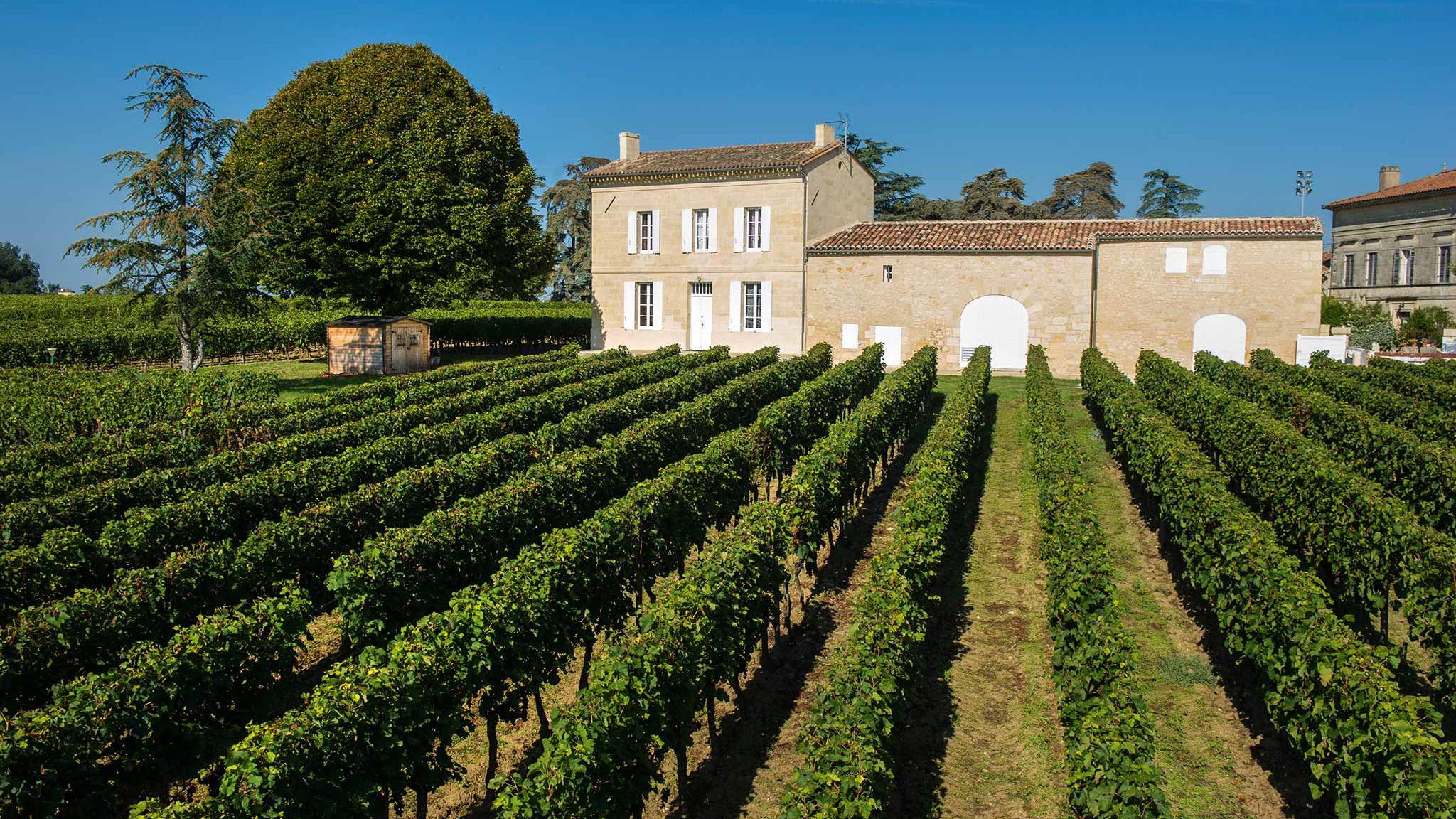
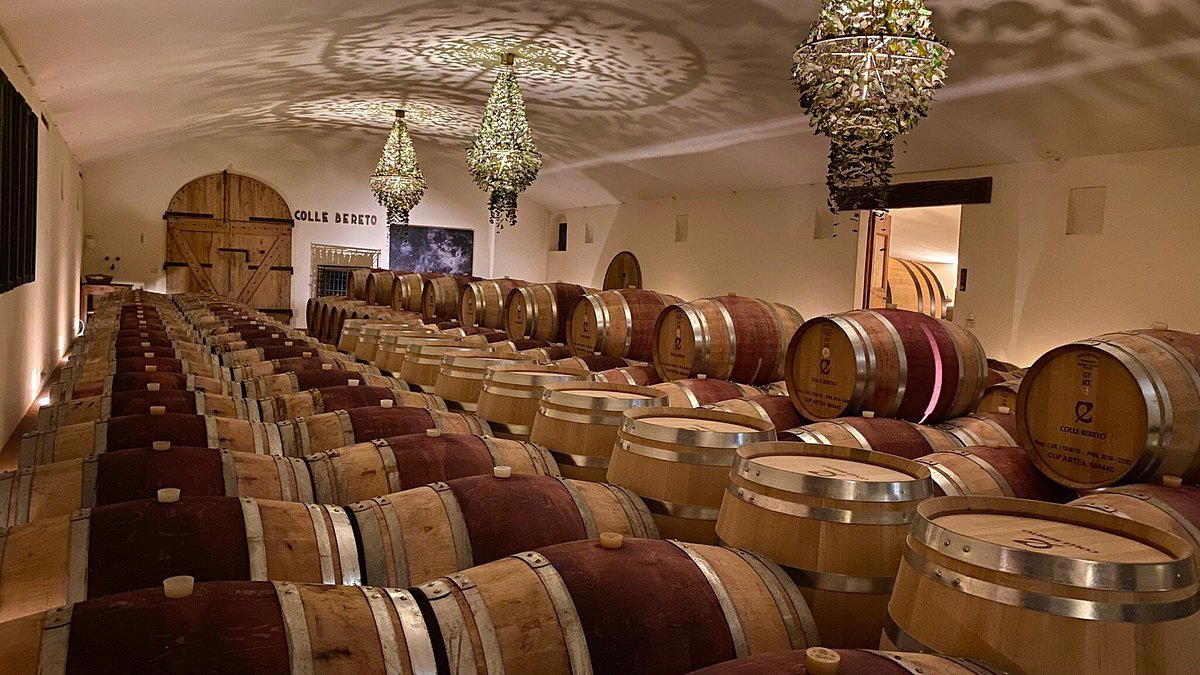
Traditional and welcoming atmosphere in a historic mansion, with a humble and engaging host offering outstanding tasting experiences amid the cool-climate Saar valley.
Tags
Vibe
Best For
Experience
Sourcing
View
At the Vineyard
- Appellation
- Saar
- Varietals
- Riesling
- Visits
- By reservation
- Farming
- Sustainable
- Production
- Small producer
- Wine Styles
- Still White
- Wine Club
- Not available
Know before you go
Know Before You Go
- Getting there
- Agritiusstraße 6, 54329 Konz
Planning details
Location
Recognition and awards

Also consider
If You Can't Get In
Try Weingut Van Volxem if the priority is a serious Saar alternative with broader regional context. For another Riesling-led backup, Weingut Nik Weis – St. Urbans-Hof is the most sensible second inquiry from this set.
Winery context
How It Compares
Against Weingut Egon Müller, Weingut Von Hövel is the more realistic choice for travelers who want serious Saar-region context without making the whole trip revolve around one ultra-competitive name. Egon Müller is the comparison for prestige hunters; Von Hövel is the smarter target when the goal is a focused winery stop that still leaves room for a wider Konz-Oberemmel day.
Weingut Van Volxem and Weingut Nik Weis – St. Urbans-Hof are better cross-shops for visitors who want a broader Saar tasting frame. Choose Von Hövel when the itinerary is more intimate and collector-minded; choose Van Volxem or Nik Weis when the group wants a wider regional read and potentially easier planning.
Weingut Reichsgraf von Kesselstatt and Weingut Maximin Grünhaus make sense for travelers who want heritage-driven German Riesling context across a broader route. Von Hövel is the tighter pick for staying close to Konz-Oberemmel; the others are better if the trip can absorb more travel time and the priority is range over local focus.
Explore Konz-Oberemmel
Around this place
Discover more on Pearl
Unlock the full Weingut Von Hövel guide in Pearl, including awards, comparisons, FAQs, planning details, and nearby places.
Compare Weingut Von Hövel
| Venue | Location | Awards |
|---|---|---|
| Weingut Von Hövel | Konz-Oberemmel | 2026 Falstaff Winery Guide |
| Weingut Egon Müller | Wiltingen | 2026 Falstaff Winery Guide |
| Weingut Van Volxem | Wiltingen | 2026 Falstaff Winery Guide |
| Weingut Reichsgraf von Kesselstatt | Trier | 2026 Falstaff Winery Guide |
| Weingut Maximin Grünhaus | Mertesdorf | No published awards |
| Weingut Nik Weis – St. Urbans-Hof | Leiwen | 2026 Falstaff Winery Guide |
How Weingut Von Hövel compares with similar nearby venues.
FAQ
Frequently Asked Questions
When is the best time to visit Weingut Von Hövel?
If you plan to visit Weingut Von Hövel in Konz-Oberemmel, confirm hours, seasonal schedules, and visitor access directly with the venue before relying on it for an itinerary.
Does Weingut Von Hövel serve food?
Does Weingut Von Hövel offer memberships or allocations?
Does Weingut Von Hövel ship products?
What other venues can be compared with Weingut Von Hövel?
For comparison, consider Weingut Egon Müller, Weingut Maximin Grünhaus, Weingut Nik Weis – St. Urbans-Hof, Weingut Reichsgraf von Kesselstatt, and Weingut Van Volxem, along with other Konz-Oberemmel options generically. Check each venue directly for current access and visitor details.