

Winery in Kirby, United States
Wyoming Whiskey
500Pearl PointsWhiskey Stop
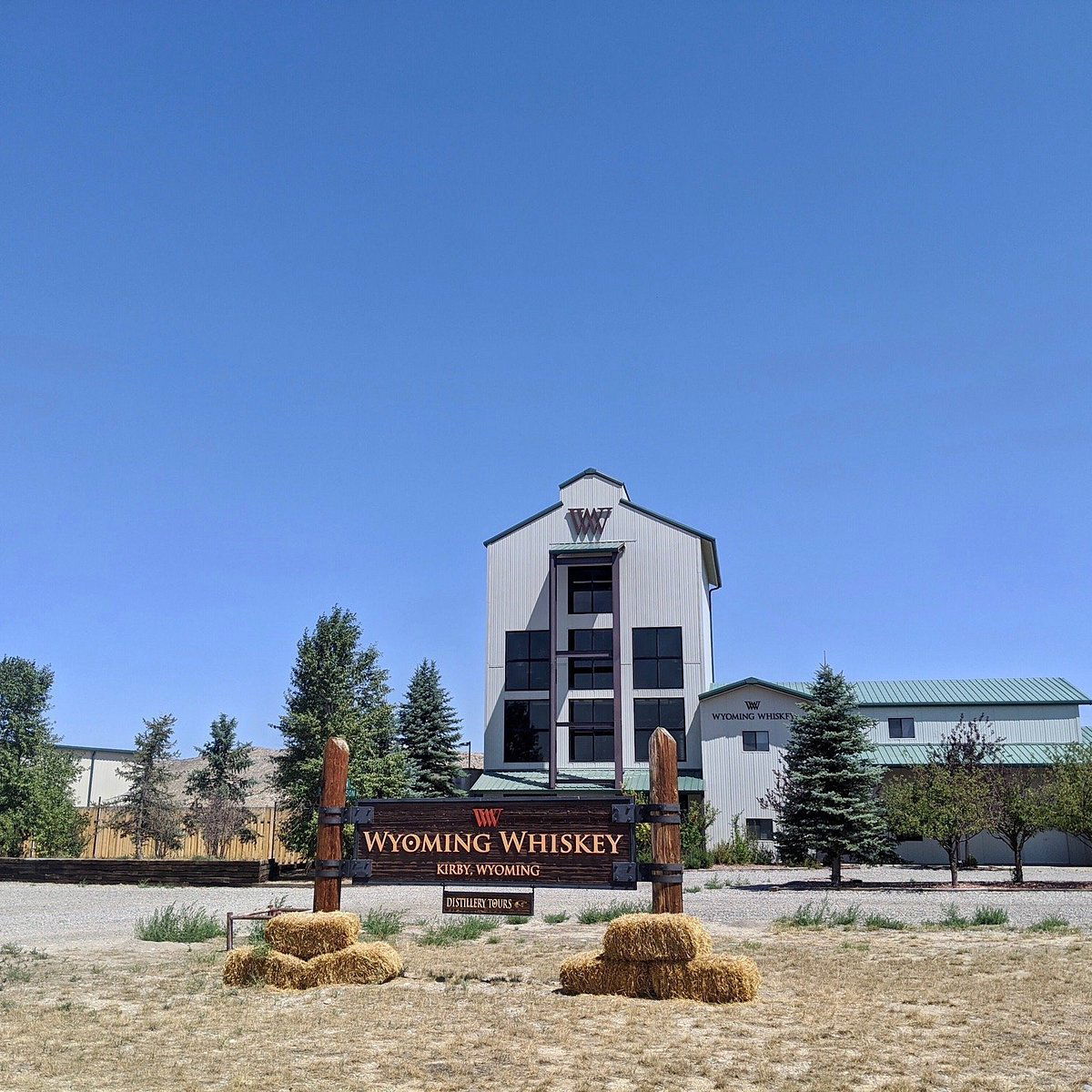
About Wyoming Whiskey
Wyoming Whiskey is a worthwhile Kirby stop for travelers specifically seeking a Wyoming spirits experience, not a wine-club or vineyard-tasting decision. Treat access as plan-ahead, cross-shop High West, Stranahan's, Leopold Bros. if easier logistics matter more than a remote, place-specific whiskey visit.
Wyoming Whiskey is a Kirby venue with a casual dress code and Pearl 2 Star Prestige (2025). Beyond those verified points, the available data is limited, so the safest way to plan is to treat it as a specific Kirby stop and confirm practical details directly before you go.
Because no verified hours, pricing, seating, service format, food program, or reservation policy is provided here, avoid building a tight itinerary around assumptions. The best fit is a visitor who already wants Wyoming Whiskey in Kirby on the schedule and is comfortable checking current details with the venue.
Worth the effort if Wyoming Whiskey is the point
The verified information confirms the casual dress code and Pearl 2 Star Prestige (2025), but it does not verify a menu format, tasting structure, membership model, shipping policy, or price. That means the decision should rest on whether Wyoming Whiskey itself is meaningful to your trip, not on unverified extras.
For broader comparison, High West, Stranahan's, Leopold Bros. Figgins (Leonetti Family), and Reynvaan Family Vineyards may be useful reference points for travelers considering other premium stops. Those references should not be read as Kirby alternatives; they are broader benchmarks for deciding what kind of visit you want.
Plan Kirby around the stop, not the other way around
Keep the Kirby plan simple and leave room to confirm details. If you are coordinating a group, timing a detour, or trying to pair the visit with other dining in Kirby, check directly before committing. With only the casual dress code and Pearl 2 Star Prestige (2025) verified here, a flexible plan is more reliable than one built on unconfirmed specifics.
Frequently Asked Questions
Do I need a reservation at Wyoming Whiskey?
The verified information does not include a reservation policy for Wyoming Whiskey. Because it is a Pearl 2 Star Prestige (2025) venue in Kirby, plan ahead and confirm directly before making the trip.
Does Wyoming Whiskey have a membership program?
The verified information does not include a membership model or membership structure for Wyoming Whiskey. Do not plan around member benefits unless you confirm current details directly with the venue.
Does Wyoming Whiskey ship products?
The verified information does not include any shipping policy for Wyoming Whiskey. Check the venue's official channels for the latest details.
Does Wyoming Whiskey serve food?
The verified information does not include a food program or cuisine type for Wyoming Whiskey. Do not plan around food service unless you confirm it separately with the venue.
Can Wyoming Whiskey handle large groups?
The verified information does not include group capacity or large-party policies for Wyoming Whiskey. If your party is more than a small casual visit, coordinate directly before arriving in Kirby.
What specific offerings are available at Wyoming Whiskey?
The verified information does not include specific offerings for Wyoming Whiskey. If you are looking for something particular, confirm current details directly with the venue.
When is the best time to visit Wyoming Whiskey?
The verified information does not include hours for Wyoming Whiskey. The safest plan is to confirm current opening times directly and leave flexibility in your Kirby itinerary.
Location
120 E Main St, Kirby, WY 82430
Kirby, United States
Compare Wyoming Whiskey
| Venue | Location | Awards |
|---|---|---|
| Wyoming Whiskey | Kirby | Pearl 2 Star Prestige (2025) |
| High West | Wanship | , |
| Leopold Bros. | Denver | , |
| Stranahan's | Denver | , |
| Figgins (Leonetti Family) | Walla Walla | , |
| Reynvaan Family Vineyards | Walla Walla | , |
How Wyoming Whiskey Kirby compares with similar nearby venues.
Where to look if this is not the right fit
If Kirby logistics feel too tight, cross-shop High West for a whiskey visit with a more developed travel setting, or Stranahan's if convenience is the priority.
If the real goal is wine membership value rather than spirits, shift the search to Figgins (Leonetti Family) or Reynvaan Family Vineyards.
How Wyoming Whiskey compares
Choose Wyoming Whiskey if the priority is place: Kirby gives the visit a more destination-led feel than High West, Stranahan's, or Leopold Bros. Those peers are easier fits for travelers who want bigger-market logistics, more surrounding dining options, or a broader hospitality day.
For value, the sharper comparison is category fit. If the reader wants whiskey, Wyoming Whiskey belongs in the same decision set as High West, Stranahan's, Leopold Bros. If the reader is asking about allocations, cellar releases, or wine-club economics, Figgins (Leonetti Family) and Reynvaan Family Vineyards are cleaner matches because they are wine producers rather than a whiskey stop.
Ambiance is the deciding factor. Wyoming Whiskey is the pick for a quieter, Wyoming-specific spirits visit. High West is the easier cross-shop for a more developed travel circuit, while Stranahan's and Leopold Bros. make more sense when convenience and urban access outweigh the appeal of Kirby.
Explore Kirby
Save or rate Wyoming Whiskey on Pearl
Keep this venue in your Pearl passport, rate it after you visit, and track it alongside every other place you collect.