

Winery in Kilbeggan, Ireland
Kilbeggan Distillery
750Pearl PointsTown-Centre Whiskey Stop
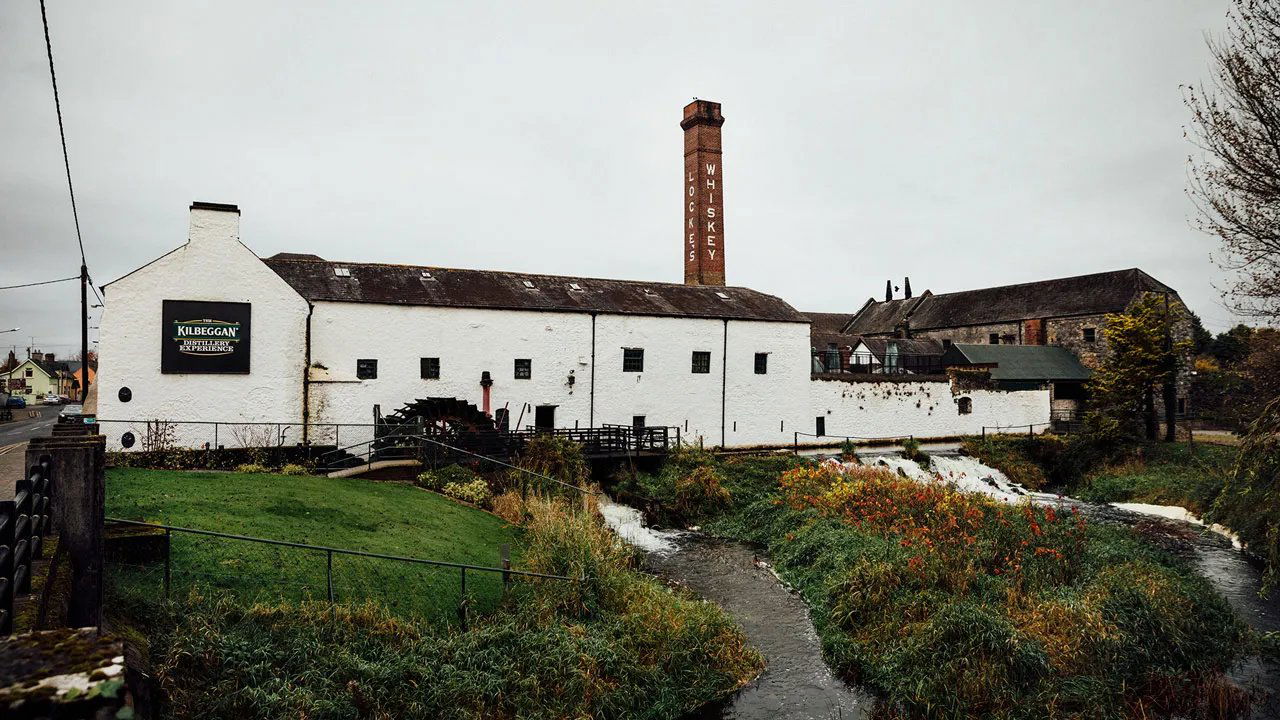
About Kilbeggan Distillery
Kilbeggan Distillery is the pick for travellers who care about setting and Irish whiskey context more than a polished city visitor circuit. Treat it as a planned anchor: booking difficulty is high, food details are not listed, the visit works better as part of a Kilbeggan or Midlands route than as a casual walk-in stop.
Pearl 3 Star Prestige (2025) recognition puts Kilbeggan Distillery in a serious-interest tier for Kilbeggan. With limited verified public-detail fields available here, the honest reason to consider it is direct: it is a named distillery in Kilbeggan with confirmed recognition and a casual dress code.
Plan around the facts rather than invented specifics. The verified details are the venue name, its Kilbeggan location, its casual dress code, its Pearl 3 Star Prestige (2025) recognition; details such as specific booking difficulty, prices, menus, service format, hours, group capacity, food offering are not verified in the data provided here. Check the venue's official channels before building a tight itinerary around it.
The setting does more of the work than the extras
Kilbeggan is the confirmed location, that should be the basis for planning. The appeal here should not be framed around an unverified street address, campus layout, meal programme, or visitor format; treat Kilbeggan Distillery as a Kilbeggan distillery visit and keep the rest of the day flexible unless you have confirmed current details directly.
Do not build the visit around a meal unless you have checked current information from the venue. No verified cuisine type, food programme, menu pricing, opening hours, or dining format is available in the supplied facts. The verified dress code is casual, so attire can be kept simple; arrange restaurants, bars, or hotels separately if the visit needs to become a full day or overnight plan.
Who should choose it among Irish whiskey stops
Choose Kilbeggan Distillery if the priority is a Kilbeggan-based distillery with confirmed Pearl 3 Star Prestige (2025) recognition. For a different style of itinerary, compare it with Jameson (Bow St.), Teeling, Roe & Co, Slane Irish Whiskey, or Tullamore D.E.W. without assuming those venues serve the same trip purpose or are in Kilbeggan.
For wider planning, keep the comparison broad and practical. Kilbeggan Distillery can be considered alongside other named Irish whiskey venues such as Jameson (Bow St.), Roe & Co, Slane Irish Whiskey, Teeling, Tullamore D.E.W. while other dining in Kilbeggan should be researched separately and generically rather than assumed to be part of the distillery visit.
Frequently Asked Questions
How long should I plan for a visit to Kilbeggan Distillery?
No verified visit length is available in the supplied facts. Treat Kilbeggan Distillery as a planned Kilbeggan stop with Pearl 3 Star Prestige (2025) recognition, check the venue's official channels for current timing before finalising your itinerary.
Does Kilbeggan Distillery serve food?
No verified food, cuisine, menu, or pricing details are available in the supplied facts. If you want to build the day around a meal, research separate dining in Kilbeggan and check the venue's official channels for the latest details.
What other distillery venues can I compare with Kilbeggan Distillery?
Kilbeggan Distillery is best treated as a distillery comparison rather than a dining-led stop. For broader drink-focused planning, compare it with Tullamore D.E.W. Slane Irish Whiskey, Jameson (Bow St.), Roe & Co, or Teeling, while checking each venue's location and current visitor details separately.
Does Kilbeggan Distillery have a membership programme?
No verified membership information is available in the supplied facts. Treat this as a visit decision based on Kilbeggan location, casual dress code, Pearl 3 Star Prestige (2025) recognition unless the venue directly confirms additional options.
Do I need a reservation at Kilbeggan Distillery?
No verified reservation requirement is available in the supplied facts. If your schedule is tight, check Kilbeggan Distillery's official channels before travelling and avoid assuming walk-in access or required booking without confirmation.
When is the best time to visit Kilbeggan Distillery?
No verified best time, opening hours, or quiet-period guidance is available in the supplied facts. Plan around Kilbeggan, confirm current operating details directly, leave enough flexibility if you are pairing the stop with other venues such as Jameson (Bow St.) or Tullamore D.E.W.
Can Kilbeggan Distillery handle large groups?
No verified group-capacity information is available in the supplied facts. Contact Kilbeggan Distillery directly before planning a group visit, compare alternatives such as Jameson (Bow St.), Roe & Co, Slane Irish Whiskey, Teeling, or Tullamore D.E.W. only after confirming their current group policies.
Location
Lower Main St, Kilbeggan, Co. Westmeath
Kilbeggan, Ireland
Compare Kilbeggan Distillery
| Venue | Location | Awards |
|---|---|---|
| Kilbeggan Distillery | Kilbeggan | Pearl 3 Star Prestige (2025) |
| Tullamore D.E.W. | Tullamore | , |
| Slane Irish Whiskey | Slane | , |
| Roe & Co | Dublin | , |
| Jameson (Bow St.) | Dublin | , |
| Teeling | Dublin | , |
How Kilbeggan Distillery compares with similar nearby venues.
Also Consider
- Tullamore D.E.W., Notable alternative
- Slane Irish Whiskey, Notable alternative
- Roe & Co, Notable alternative
- Jameson (Bow St.), Notable alternative
- Teeling, Notable alternative
How It Compares
Kilbeggan Distillery is the stronger choice for travellers who want a town-based whiskey stop with heritage weight, while Tullamore D.E.W. is the easier Midlands cross-shop if access matters more than scarcity. With booking difficulty marked near impossible here, Tullamore D.E.W. is the practical backup for visitors who need a firmer plan.
Slane Irish Whiskey is the better comparison for a setting-led outing, especially if the day is built around a destination property rather than a town stop. Roe & Co, Jameson (Bow St.), and Teeling make more sense for Dublin-based travellers who want whiskey without adding a Midlands detour.
Value depends on itinerary shape more than price, since no public price range is listed here. If Kilbeggan is already on the route, this is worth the effort; if the trip is centred on Dublin, Jameson (Bow St.) or Teeling will usually be the cleaner booking decision.
Explore Kilbeggan
Save or rate Kilbeggan Distillery on Pearl
Keep this venue in your Pearl passport, rate it after you visit, and track it alongside every other place you collect.