
Weingut Robert Weil
Kiedrich
Winery in Kiedrich, Germany
 Book with Pearl
The Read
Gräfenberg Precision Riesling
Why go
Prioritize Weingut Robert Weil if the Kiedrich stop is about serious Rheingau Riesling, cellar reputation, and potential allocation value. It is less suited to a casual walk-in tasting day, so plan ahead and keep nearby winery backups ready.
About Weingut Robert Weil
Should you visit Weingut Robert Weil in Kiedrich? Weingut Robert Weil is a Pearl 3 Star Prestige-listed Kiedrich venue; confirm practical details directly before making plans.
Weingut Robert Weil holds Pearl 3 Star Prestige (2025), and the dress code is smart casual. For service format, food, capacity, pricing, hours, tastings, or access, check directly with the venue rather than assuming details.
Worth prioritizing for recognition
Weingut Robert Weil is a Pearl 3 Star Prestige (2025) venue in Kiedrich. That makes it relevant for travelers using recognition as part of their planning.
Confirm tasting format, food service, and group capacity through the venue before building an itinerary around the visit. For broader planning, you can also compare it with Kloster Eberbach, Weingut Balthasar Ress, Weingüter Wegeler, Weingut Peter Jakob Kühn, and Weingut Josef Spreitzer.
Where it fits in a Kiedrich plan
For a Kiedrich plan, Weingut Robert Weil is a key venue to consider. Kloster Eberbach, Weingut Balthasar Ress, Weingüter Wegeler, Weingut Peter Jakob Kühn, and Weingut Josef Spreitzer are useful comparison names when shaping a wider itinerary.
Keep the rest of the plan flexible unless you have confirmed the details directly with the venue. Use local dining, hotel, and experience research if the visit is part of a wider trip.
Know Before You Go
- Best for: Travelers looking for a Pearl 3 Star Prestige (2025) venue in Kiedrich.
- Booking posture: Confirm directly with the venue before making plans.
- Location: Kiedrich.
- Dress code: Smart casual.
- Food expectation: Confirm food service directly before visiting.
- Group fit: Confirm group capacity directly before planning a group visit.
Planning details
- Location
- Mühlberg 5, 65399 Kiedrich
- Website
- weingut-robert-weil.com
- Phone
- +49 6123 2308
The take
The Take
The Vibe
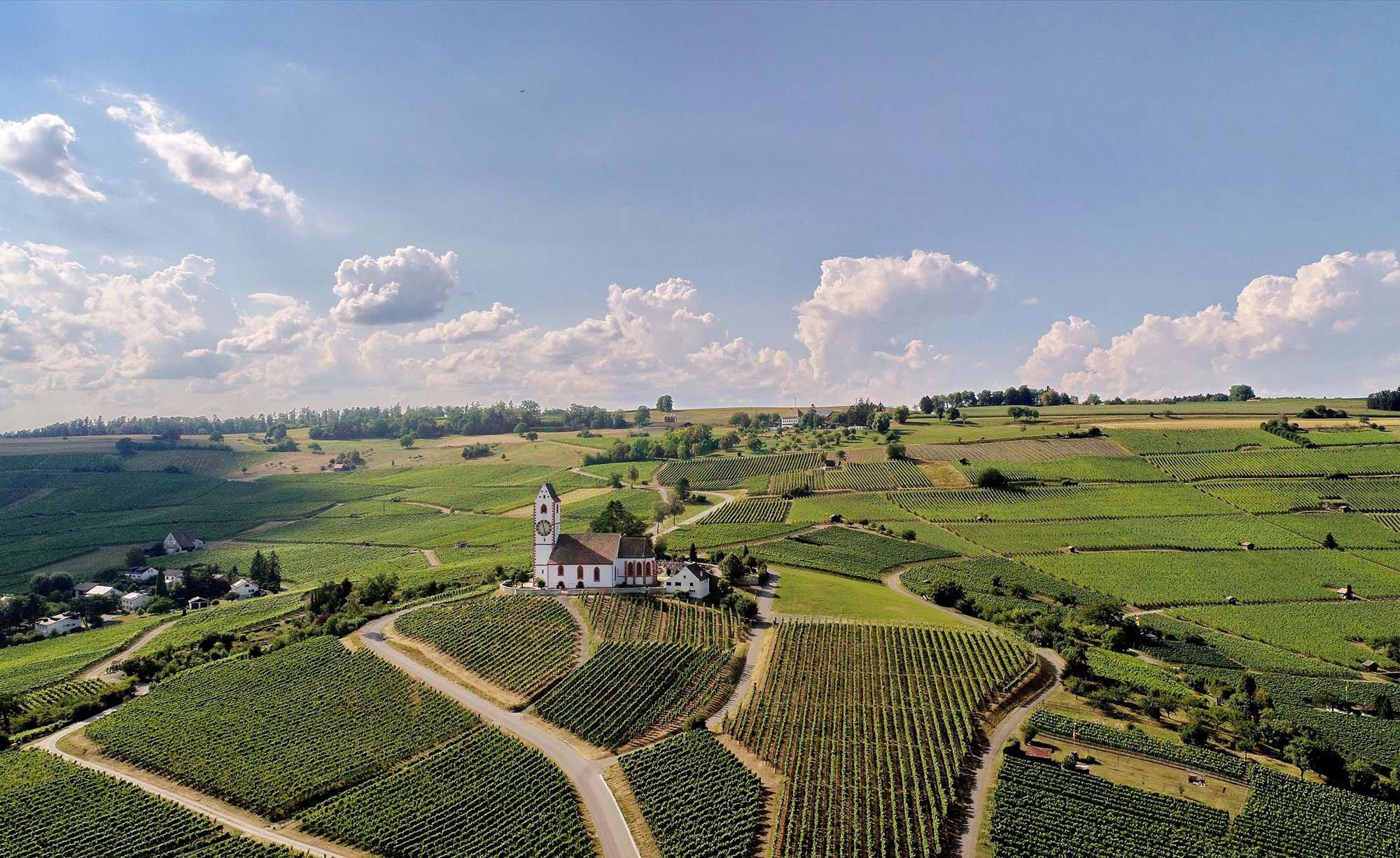
Weingut Robert Weil reads like a vineyard-first institution where geology and exposure are the protagonists. The narrative foregrounds weathered slate and quartzite, a south-facing slope and thin topsoil on the Mühlberg, and the diurnal swings that give Gräfenberg Riesling its tense minerality and aromatic precision. The tone is poised and authoritative — the estate's place in the Rheingau's hierarchy and its decades-long record of quality are the point of pride, rather than flash. Visiting or tasting wines from this address feels like engaging with a rooted, historically minded producer that prizes site definition and long-term aging potential.
Best For
This is a stop for people who care about terroir, Riesling clarity and ageworthy bottlings. The material positions Robert Weil as an estate whose single-vineyard Gräfenberg wines reward study and cellar time, so the winery is well suited to serious wine students, collectors and anyone planning a deliberate tasting focused on site expression. It also holds appeal for milestone moments when a bottle with provenance and aging potential is appropriate. The writing emphasizes precision and provenance rather than casual, quick-drink scenarios.
Tasting Tips
When selecting bottles tied to this estate, prioritize wines labeled from the Gräfenberg site or estate bottlings that reference the Mühlberg provenance; the copy underlines the vineyard's role in shaping mineral tension and longevity. Expect Riesling that favors aromatic precision and acid-driven structure, so consider vintages with some bottle age or plan to cellar newer releases. The mention of the Pearl 3 Star Prestige recognition flags recent critical attention, so look for estate-identified bottlings as markers of site expression rather than generic regional labels.
Venue details
Ambiance
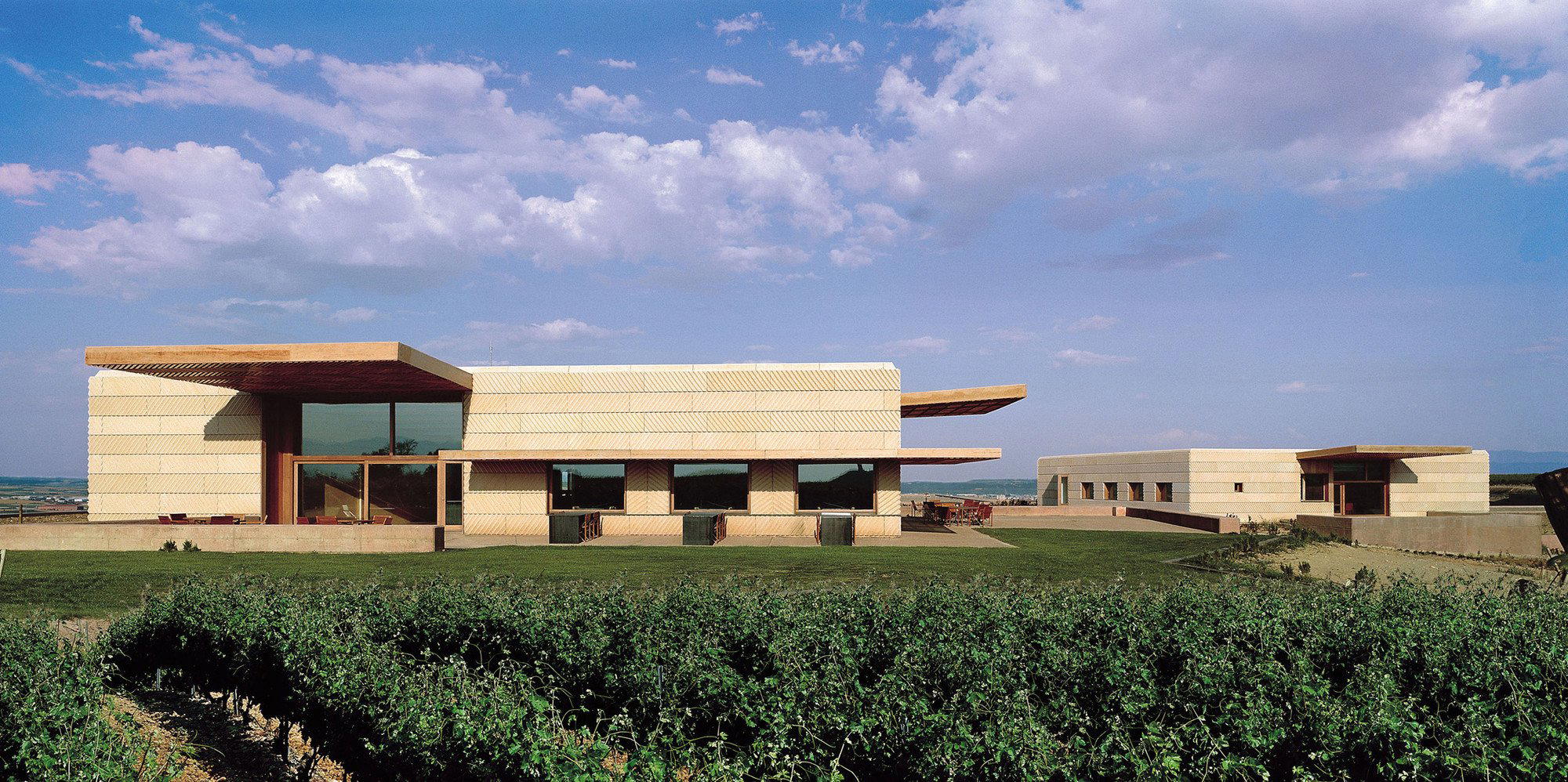
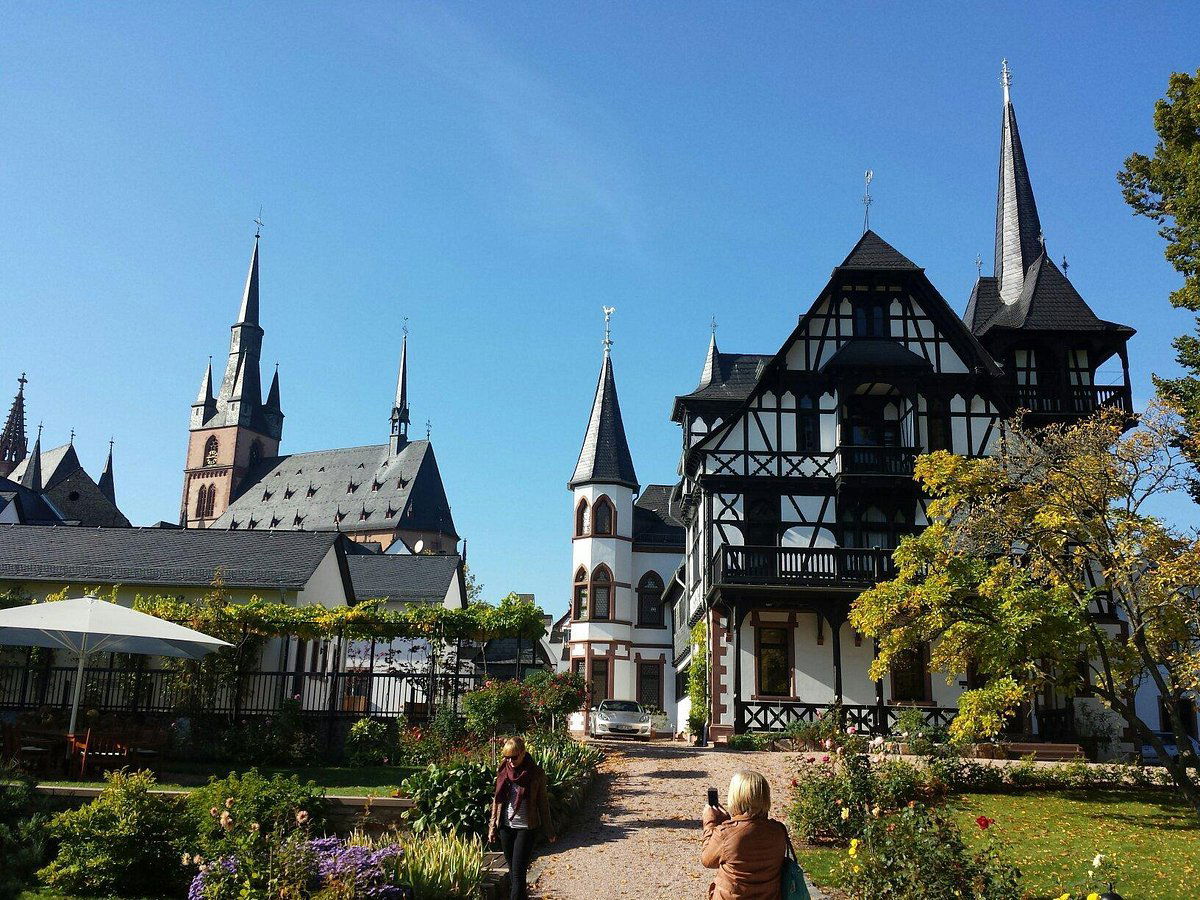
Classic and elegant with a focus on tradition and quality, set amid historic architecture and steep slate vineyards.
Tags
Vibe
Best For
Experience
Sourcing
View
At the Vineyard
- Appellation
- Rheingau
- Varietals
- Riesling
- Visits
- By reservation
- Farming
- Sustainable
- Wine Styles
- Still White
- Wine Club
- Not available
Know before you go
Know Before You Go
- Getting there
- Mühlberg 5, 65399 Kiedrich
Planning details
Location
Recognition and awards

Also consider
Also Consider
- Kloster Eberbach, Notable alternative
- Weingut Balthasar Ress, Notable alternative
- Weingüter Wegeler, Notable alternative
- Weingut Peter Jakob Kühn, Notable alternative
- Weingut Josef Spreitzer, Notable alternative
Winery context
How It Compares
Choose Weingut Robert Weil when the priority is prestige, Riesling focus, and a visit that feels worth planning around. Kloster Eberbach is the better fit for travelers who want a more heritage-led Rheingau stop with broader visitor appeal, while Robert Weil is the sharper choice for collectors and allocation-minded drinkers.
Weingut Balthasar Ress and Weingüter Wegeler are stronger cross-shops if the goal is to compare established Rheingau names in one trip. If booking access is tight, they are sensible backups rather than consolation picks.
For a more wine-geek itinerary, compare it with Weingut Peter Jakob Kühn and Weingut Josef Spreitzer. Robert Weil is the one to chase for a Kiedrich-centered plan; the others help build a fuller Rheingau day if one appointment cannot carry the whole trip.
Explore Kiedrich
Around this place
Discover more on Pearl
Unlock the full Weingut Robert Weil guide in Pearl, including awards, comparisons, FAQs, planning details, and nearby places.
Compare Weingut Robert Weil
| Venue | Location | Awards |
|---|---|---|
| Weingut Robert Weil | Kiedrich | 2026 Falstaff Winery Guide |
| Kloster Eberbach | Eltville | No published awards |
| Weingut Balthasar Ress | Eltville | 2026 Falstaff Winery Guide2025 Decanter Winery Prestige |
| Weingüter Wegeler | Oestrich-Winkel | 2026 Falstaff Winery Guide |
| Weingut Peter Jakob Kühn | Oestrich-Winkel | 2026 Falstaff Winery Guide |
| Weingut Josef Spreitzer | Oestrich-Winkel | 2026 Falstaff Winery Guide |

How Weingut Robert Weil Kiedrich compares with similar nearby venues.
FAQ
Frequently Asked Questions
What other venues are useful to compare with Weingut Robert Weil?
Kloster Eberbach, Weingut Peter Jakob Kühn, Weingut Josef Spreitzer, Weingut Balthasar Ress, and Weingüter Wegeler are relevant names to compare when planning around Weingut Robert Weil.
When is the best time to visit Weingut Robert Weil?
Can Weingut Robert Weil handle large groups?
Confirm large-group arrangements directly with the venue before planning, and compare with Kloster Eberbach or Weingüter Wegeler if you are shaping a broader group itinerary.