

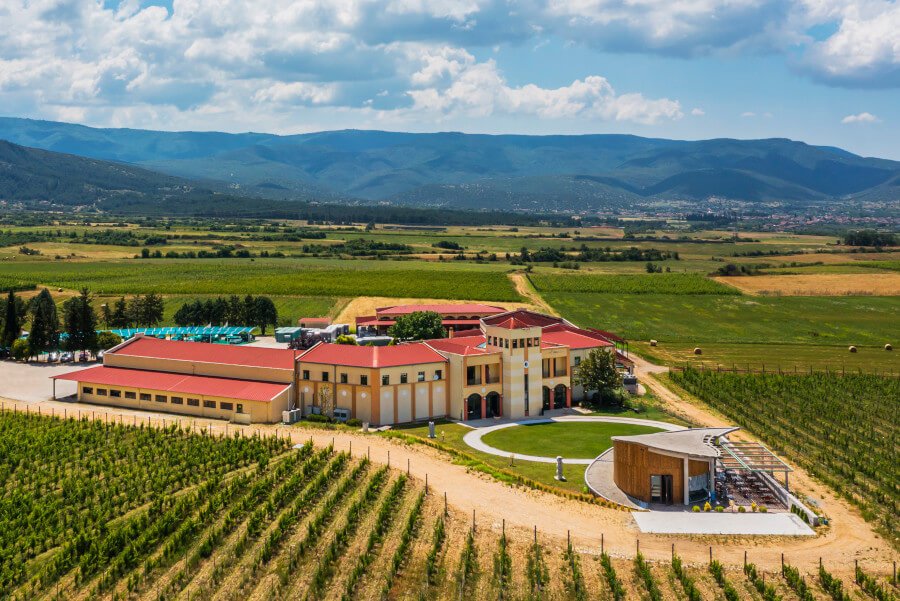
Nico Lazaridi Winery (Magiko)
Agora, Drama, Kavala
Winery in Kavala, Greece
 Book with Pearl
The Read
Artful Estate Expression
Price
$1–10tasting
Why go
Book Nico Lazaridi Winery (Magiko) if the winery visit is meant to anchor a Kavala celebration or wine-focused day. It is better suited to planned itineraries than casual drop-ins, so choose it when experience quality and routing matter more than squeezing in several quick stops.
About Nico Lazaridi Winery (Magiko)
For a Kavala itinerary, Nico Lazaridi Winery (Magiko) is a venue to consider. It is located in Kavala and holds Pearl 1 Star Prestige (2025). This combination gives it enough weight to sit on a shortlist, while also calling for a careful approach to planning. Use that as the grounded reason to consider it, then confirm any visit details directly before arranging the rest of the day, especially if the venue would shape the timing, route, or wider structure of the itinerary.
A considered Kavala venue stop
The case for choosing Nico Lazaridi Winery (Magiko) is direct: it is a Kavala venue with Pearl 1 Star Prestige (2025) recognition. It may suit readers looking for a more intentional stop in the area, particularly those who prefer to anchor a day around a specific venue rather than a casual possibility, but details such as visit format, timing, group capacity, products offered, and booking requirements should be checked directly with the venue. In practice, that means treating the recognition as a useful signal, not as a substitute for current operational information. Pair it with Our full Kavala wineries guide to decide whether to keep the day venue-focused, then use Our full Kavala restaurants guide, Our full Kavala hotels guide, and Our full Kavala bars guide to round out the trip.
Do not build a schedule around unconfirmed assumptions. If comparing options, keep the decision focused on confirmed information and practical logistics before committing. This is especially important for any planned day, where one uncertain element can affect dining plans, hotel timing, or later stops. Other venues to consider include Biblia Chora Estate, Château Nico Lazaridi, Costa Lazaridi Distillery, Ktima Pavlidis, Nico Lazaridi Winery (Magiko), and Oenops Wines, along with Our full Kavala experiences guide.
Planning details
- Location
- Pieres 640 08, Greece
- Website
- chateau-lazaridi.com/en/wineries
The take
The Take
The Vibe
Nico Lazaridi’s Magiko estate sits at the northern Aegean edge of Greek wine country, where foothills and cooler air give the setting a quietly scenic quality. The description emphasizes topography and climate—fields, hills and marked diurnal swings—so visits feel anchored in landscape and terroir rather than flash. That measured, place-focused character comes through in the writing: the winery reads as a thoughtful, landscape-driven operation whose identity is closely tied to the Kavala–Drama corridor. Expect a contemplative, terroir-forward atmosphere rather than overt spectacle.
Best For
This winery is best for travelers interested in learning how northern Greece’s climate and soils shape wine. The piece frames the estate as part of a distinctive corridor whose proximity to the sea and higher inland elevations preserve acidity and produce wines with structural tension. It therefore suits wine-minded visitors, students of terroir and anyone planning a regional tasting itinerary. The property’s recent Pearl 1 Star Prestige recognition also makes it relevant for those tracking Greek producers measured against international benchmarks.
Tasting Tips
When exploring Magiko wines, focus on what the write-up highlights: acidity, structure and terroir expression. The account stresses diurnal temperature swings and schist- and granite-influenced soils, so look for bottlings that show taut acidity, mineral or structural tension rather than overt ripeness. Note the Magiko label and the estate’s Pearl 1 Star Prestige recognition in 2025 as cues to seek flagship or prestige releases. Taste with an eye toward how the wines balance freshness and phenolic development to understand this corner of northern Greek winemaking.
Venue details
Ambiance
A contemplative, terroir-forward atmosphere with a quietly scenic estate feel, shaped by foothills, mountain ventilation, and a strong connection to landscape and art.
Tags
Vibe
Best For
Experience
View
Accessibility
At the Vineyard
- Appellation
- PGI Drama
- Varietals
- Xinomavro, Mavro Provato, Sauvignon Blanc, Chardonnay, Cabernet Sauvignon
- Tour Duration
- 1 hour
- Tour Languages
- English, Italian, German
- Visits
- By reservation
- Production
- Large producer
- Wine Styles
- Still Red, Still White, Sparkling
- Founded
- 1987
- Wine Club
- Not available
Know before you go
Know Before You Go
- Getting there
- Pieres 640 08, Greece
Planning details
Location
Pieres 640 08, Greece · Directions
Also consider
Also Consider
- Biblia Chora Estate, Notable alternative
- Costa Lazaridi Distillery, Notable alternative
- Château Nico Lazaridi, Notable alternative
- Oenops Wines, Notable alternative
- Ktima Pavlidis, Notable alternative
Winery context
How it compares with Kavala-area winery options
Choose Nico Lazaridi Winery (Magiko) when the day needs a polished anchor and a lower-risk special-occasion feel. Biblia Chora Estate is the stronger cross-shop for readers prioritizing a broader regional wine itinerary, while Ktima Pavlidis is the one to compare if the goal is a serious estate visit outside the city core.
Costa Lazaridi Distillery makes more sense if spirits are part of the brief, especially for mixed-interest groups where not everyone wants a wine-led stop. Oenops Wines is the cleaner alternative for readers who want a more wine-specialist comparison rather than a broader hospitality feel.
If the name itself is the draw, compare carefully with Château Nico Lazaridi before committing: the better choice is the one that fits the exact route, timing, and occasion. For a celebration, Magiko is the safer pick when the winery needs to carry the day rather than act as a quick add-on.
Explore Kavala
Around this place
Discover more on Pearl
Unlock the full Nico Lazaridi Winery (Magiko) guide in Pearl, including awards, comparisons, FAQs, planning details, and nearby places.
Compare Nico Lazaridi Winery (Magiko)
| Venue | Location | Awards |
|---|---|---|
| Nico Lazaridi Winery (Magiko) | Kavala | No published awards |
| Biblia Chora Estate | Kokkinochori | 2026 Falstaff Winery Guide |
| Costa Lazaridi Distillery | Drama | No published awards |
| Château Nico Lazaridi | Drama | 2026 Falstaff Winery Guide |
| Oenops Wines | Drama | 2026 Falstaff Winery Guide |
| Ktima Pavlidis | Kokkinogia | 2026 Falstaff Winery Guide |

How Nico Lazaridi Winery (Magiko) Kavala compares with similar nearby venues.
FAQ
Frequently Asked Questions
Do I need a reservation at Nico Lazaridi Winery (Magiko)?
Confirm directly with the venue before you go. Nico Lazaridi Winery (Magiko) is a Kavala venue with Pearl 1 Star Prestige (2025), but its reservation policy is not specified.
Can Nico Lazaridi Winery (Magiko) handle large groups?
Group capacity is not specified. If you are planning for several people, contact the venue in advance and check details before finalizing plans.
What is the flagship wine at Nico Lazaridi Winery (Magiko)?
No flagship wine is specified, so do not choose this place around a single bottle. Treat Nico Lazaridi Winery (Magiko) as a venue in Kavala and ask directly what is available.
Is the wine club at Nico Lazaridi Winery (Magiko) worth joining?
No wine-club details are available for Nico Lazaridi Winery (Magiko). If membership or ongoing access matters to you, ask the venue directly and compare the terms with other options such as Ktima Pavlidis.
How long should I plan for a visit to Nico Lazaridi Winery (Magiko)?
Visit length is not specified. Plan only after checking directly with the venue, and keep the rest of your Kavala schedule flexible until the timing is clear.
Does Nico Lazaridi Winery (Magiko) ship wine?
Shipping is not specified. Do not plan around shipping unless Nico Lazaridi Winery (Magiko) confirms it directly.
When is the best time to visit Nico Lazaridi Winery (Magiko)?
No specific best season, day, or time is specified. Choose a time only after checking current information directly with the venue and fitting it into your Kavala plans.