

Ktima Pieria Eratini
Kolindros, Katerini
Winery in Katerini, Greece
 Book with Pearl
The Read
Olympus Foothills Viticulture
Price
$30–50tasting
Why go
Ktima Pieria Eratini is worth considering for a quiet, wine-focused occasion near Katerini, especially if scarcity and a calmer estate feel matter more than a fully published visitor program. It is less suitable for groups that need confirmed food service, transparent tasting prices, or easy walk-in logistics.
About Ktima Pieria Eratini
That recognition gives the venue a useful point of distinction, but it does not, on its own, fill in the practical information a guest usually needs before planning a visit. Because public details are limited, the safest way to judge it is as a venue to confirm directly before making firm plans. Treat the listing as a starting point rather than a complete guide, especially if the visit would involve travel, a group, or a fixed itinerary.
The dress code is smart casual, which provides at least one reliable expectation for how to arrive. It suggests a polished but not overly formal approach, and it is the clearest guest-facing detail. Beyond that, specific details such as hours, pricing, menu, visit format, food service, and reservation requirements are not available, so they should not be assumed. In practical terms, that means guests should avoid building expectations around a particular experience unless the venue has confirmed it directly.
Book it only after confirming the details you need
A quick confirmation can clarify whether the venue fits the occasion you have in mind, while also preventing the common problem of arriving with assumptions that the information does not actually support. This is especially important when a listing has a strong recognition marker but limited surrounding detail.
Use Katerini as the location reference. If you are comparing options, keep Ktima Pieria Eratini in context with other regional names such as Apostolos Thymiopoulos, Artisans Vignerons de Naoussa, Boutari Winery, Domaine Gerovassiliou, and Kechris Winery, while confirming each venue's current details separately. The comparison can be useful for orientation, but it should not be read as evidence that the venues share the same visit style, level of public information, service model, or booking requirements. Each one requires its own confirmation, particularly if your decision depends on timing, availability, or the kind of experience offered.
Value depends on how much certainty you need
Ktima Pieria Eratini is easier to recommend for guests who are comfortable confirming details in advance than for travelers who need fully published information before committing. The facts support interest, but not assumptions about pricing, food, hours, or service style. That makes the venue potentially appealing to a flexible guest who is willing to ask questions first, and less straightforward for someone trying to compare options entirely from published details. In Pearl terms, the recognition is meaningful, but the thinness of the public record changes how confidently it can be planned around.
If the visit is tied to a milestone or a tightly timed day in Katerini, keep the plan flexible until the venue confirms the essentials. Confirming the basics before booking is not just a formality, but the main way to turn a promising listing into a dependable plan. Once the venue has answered the questions that matter to your visit, it becomes much easier to decide whether Ktima Pieria Eratini fits the role you need it to play.
Planning details
- Location
- Kolindros 600 61, Greece
- Website
- ktimapieriaeratini.gr
- Phone
- +302392033505
The take
The Take
The Vibe
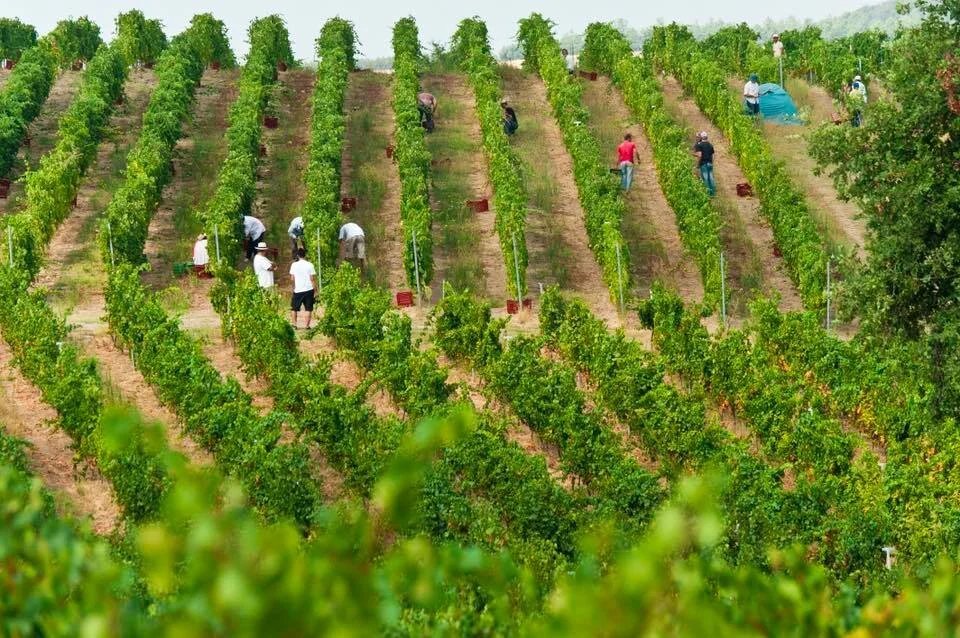
Ktima Pieria Eratini sits where the slopes of Mount Olympus descend toward the Thermaic Gulf, and geography defines the estate’s character. Afternoon sea breezes and nightly cold-air drainage create a pronounced diurnal range that preserves acidity and drives the site’s viticultural personality. The property reads as a quietly ambitious rural estate (calm, scenic and focused on terroir) one that is emerging from regional obscurity after earning recent industry recognition. The overall impression is of a peaceful, terroir-forward place where landscape and climate are the primary attractions.
Best For
This estate is best for people who want to learn about northern Greek terroir and taste wines with clear stylistic intent. Ktima Pieria Eratini is a destination for wine-focused visits, small celebratory outings and group tastings that explore the site’s mountain-and-coast climate. It also suits couples or small parties looking for a scenic, low-key escape rooted in agriculture and wine: especially visitors who value structured, award-recognized wines and an estate setting rather than a busy tourist experience.
Tasting Tips
Ask staff about the diurnal temperature range, vineyard sites and how the maritime winds influence ripening and the wines’ balance. If you want regional context, request comparisons or recommendations that reference other northern Greek producers to better understand Pieria’s place in the broader landscape.
Venue details
Ambiance
Modern, terroir-driven winery atmosphere with an innovative, opinionated winemaking identity and a setting between sea and mountain.
Tags
Vibe
Best For
Experience
Sourcing
View
At the Vineyard
- Varietals
- Xinomavro, Kolindrino, Assyrtiko, Malagouzia, Chardonnay
- Tour Languages
- English, Greek
- Visits
- By appointment only
- Farming
- Organic
- Production
- Small producer
- Wine Styles
- Still Red, Still White, Orange, Dessert
- Founded
- 2006
- Wine Club
- Not available
Know before you go
Know Before You Go
- Getting there
- Kolindros 600 61, Greece
Planning details
Location
Also consider
Where to look if this does not fit the plan
If certainty matters more than a quieter estate mood, start with Boutari Winery. It is the more practical cross-shop for visitors who want a known winery name and a simpler planning profile.
For a broader regional wine day, compare Apostolos Thymiopoulos with Artisans Vignerons de Naoussa. Both are better fits when Naoussa context matters more than staying close to Katerini.
Winery context
How Ktima Pieria Eratini compares with nearby winery options
Ktima Pieria Eratini is the more specialist choice for a quiet, wine-led occasion near Katerini, but it asks for more planning than the better-known out-of-metro alternatives. Apostolos Thymiopoulos and Artisans Vignerons de Naoussa make more sense if the priority is Naoussa-focused wine context and a broader regional tasting day.
For visitors who want a more established winery name with easier trip-planning confidence, Boutari Winery is the safer cross-shop. Domaine Gerovassiliou and Kechris Winery are stronger choices when the group wants a more predictable Thessaloniki-area winery outing rather than a quieter Pieria-side stop.
Choose Ktima Pieria Eratini for a small celebration where ambiance and wine focus matter more than convenience. Choose the peers for clearer itinerary building, especially with larger groups, first-time Greek wine travelers, or anyone who needs the day to run on a fixed schedule.
Explore Katerini
Around this place
Discover more on Pearl
Unlock the full Ktima Pieria Eratini guide in Pearl, including awards, comparisons, FAQs, planning details, and nearby places.
Compare Ktima Pieria Eratini
| Venue | Location | Awards |
|---|---|---|
| Ktima Pieria Eratini | Katerini | No published awards |
| Apostolos Thymiopoulos | Trilofos | 2026 Falstaff Winery Guide |
| Artisans Vignerons de Naoussa | Stenimachos | 2026 Falstaff Winery Guide |
| Boutari Winery | Naoussa | No published awards |
| Domaine Gerovassiliou | Epanomi | 2026 Falstaff Winery Guide |
| Kechris Winery | Kalochori | 2026 Falstaff Winery Guide |

How Ktima Pieria Eratini Katerini compares with similar nearby venues.
FAQ
Frequently Asked Questions
Do I need a reservation at Ktima Pieria Eratini?
Reservation requirements are not available.
Does Ktima Pieria Eratini serve food?
Food service is not available. Do not assume a meal, menu, or tasting format unless the venue confirms it directly.
What other venues should I compare with Ktima Pieria Eratini?
Apostolos Thymiopoulos, Artisans Vignerons de Naoussa, Boutari Winery, Domaine Gerovassiliou, and Kechris Winery are useful comparison names to research, along with other dining in Katerini generally.