Kangaroo Island Spirits
Cygnet River, Kangaroo Island
Winery in Kangaroo Island, Australia
 Book with Pearl
The Read
Island-Sourced Distillation
Price
$20–30tasting
Why go
Book Kangaroo Island Spirits if the occasion calls for a focused spirits tasting rather than another wine flight. It suits couples and small groups better than loose large-party plans, and the high booking difficulty means it belongs early in the itinerary, not as a same-day fallback.
About Kangaroo Island Spirits
For a celebration, date, birthday, or small-group outing, the appeal is the venue name, the Kangaroo Island setting, and the recognition rather than any promise about food, tasting formats, booking difficulty, or length of visit. Confirm current opening details, availability, and any on-site offer with the venue before you go.
Choose it for a Kangaroo Island stop with casual dress
The main decision point is whether you want Kangaroo Island Spirits specifically in your Kangaroo Island plans. If you are building a wider island stay, pair the decision with other Kangaroo Island dining, bars, accommodation, and experiences, including our full Kangaroo Island hotels guide.
Avoid assuming a particular service style, menu, tasting structure, group capacity, or booking lead time.
How to cross-shop the decision
For another named comparison, consider Never Never Distilling Co. You can also compare the decision with Hardys (Tintara), Oliver's Taranga, S.C. Pannell, or Mitolo Wines when weighing Kangaroo Island Spirits against other premium venue options.
Choose another named comparison venue when it better fits the shape of your trip.
Planning details
- Location
- 856 Playford Hwy, Cygnet River SA 5223
- Website
- kangarooislandspirits.com.au
- Phone
- +61 8 8553 9211
The take
The Take
The Vibe
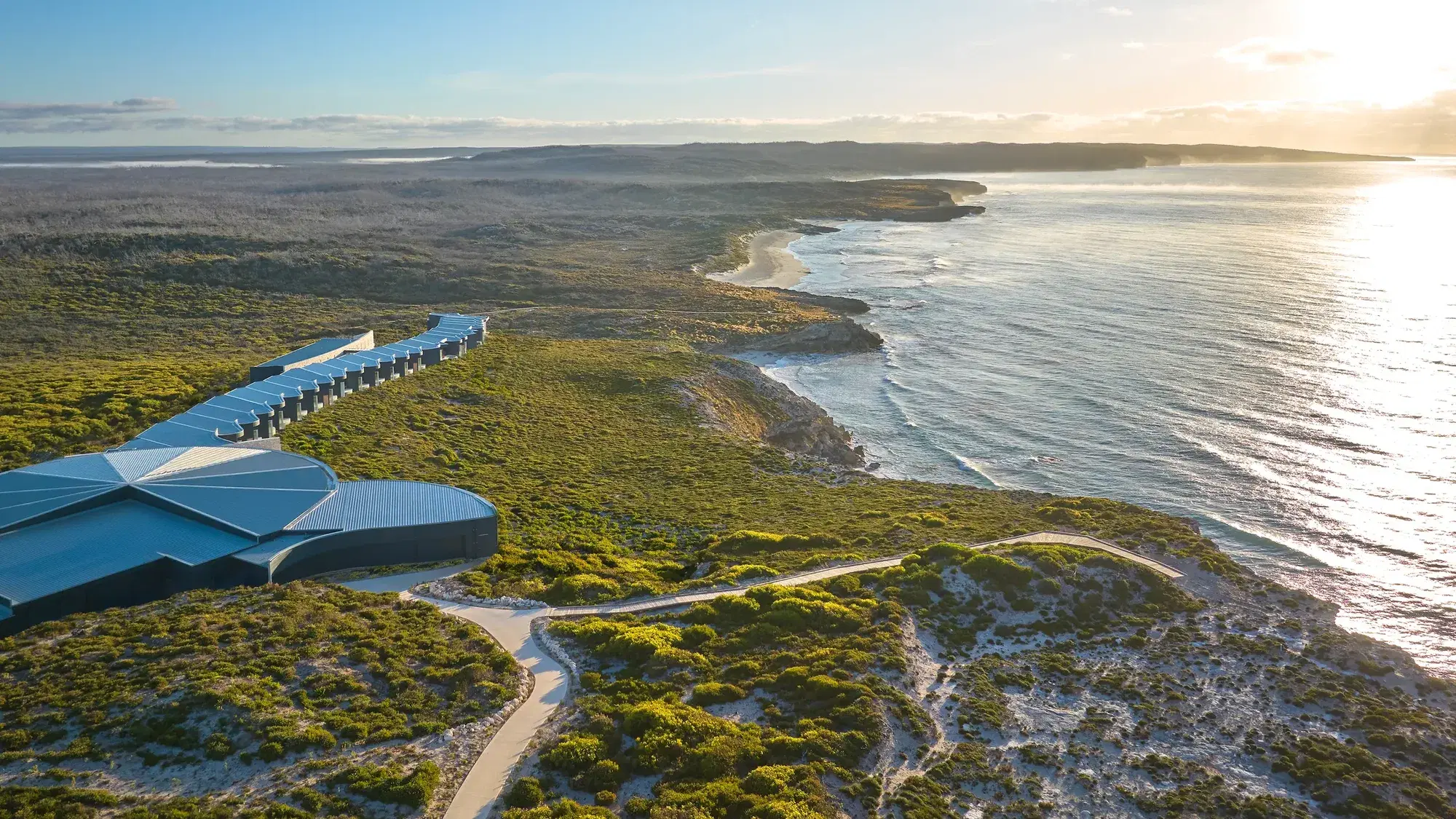
Kangaroo Island Spirits feels rooted in place. The distillery sits amid low scrub and eucalyptus on the Playford Highway, and the local salt air, native herbs and agricultural landscape read through the copy as much as through the bottles themselves. Geographic separation and biosecurity have preserved a distinctive ecology, so the operation reads as quietly deliberate and regionally specific. Visitors can expect a small, terroir-minded producer that foregrounds the island’s botanical character and the slow, restrained logic of craft distillation.
Best For
This is a visit geared toward people curious about provenance and botanical specificity. The site is an interpretive example in the conversation around terroir for spirits, so it’s especially appropriate for group outings focused on learning and for anyone interested in the agricultural and ecological roots of flavour. The distillery’s island context makes it relevant to educators, producers and visitors who want to understand how local flora and isolation shape a spirit’s identity rather than to those seeking mainstream tasting-room spectacle.
Venue details
Ambiance
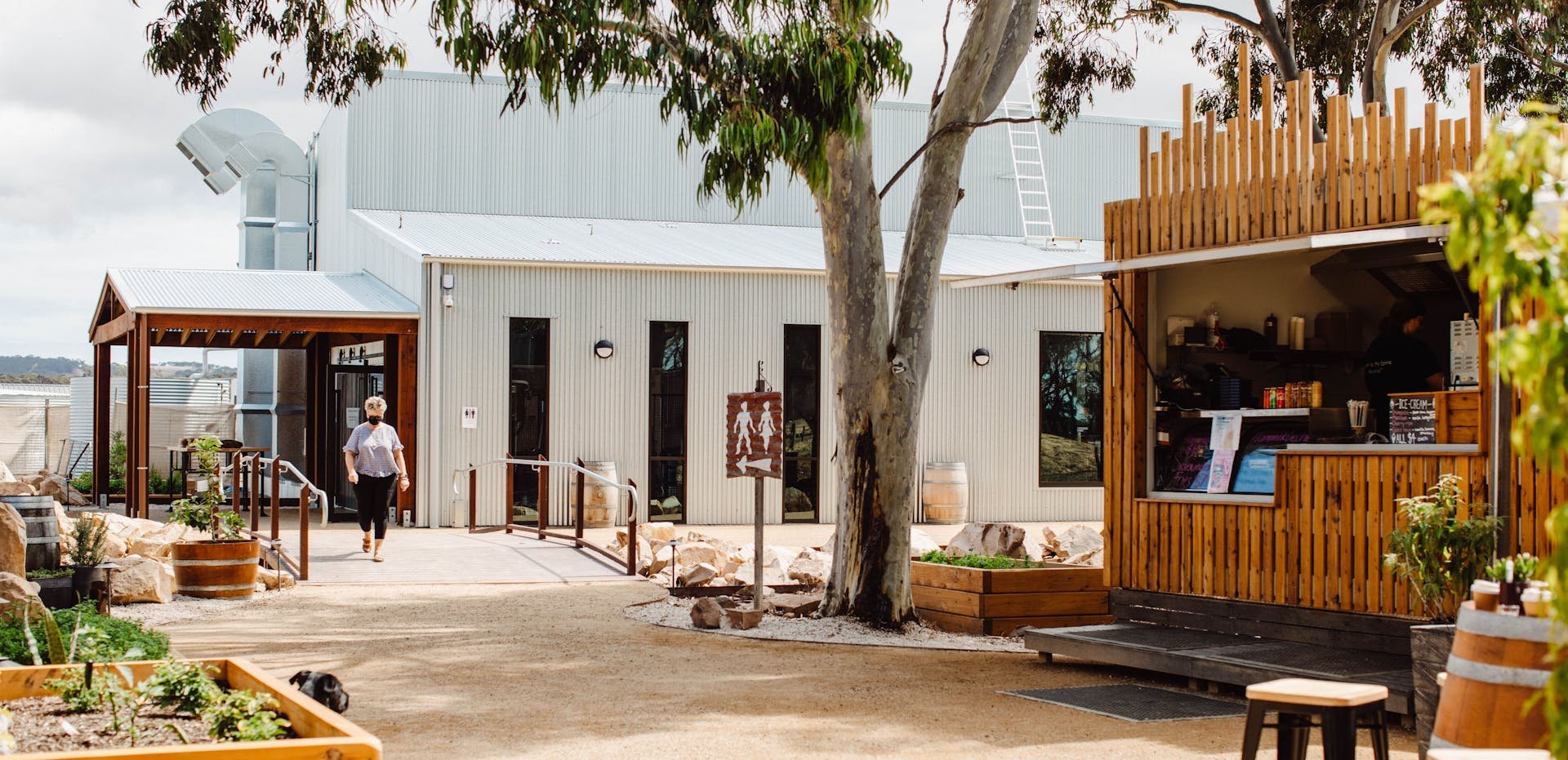
Rustic yet personal atmosphere in a beautiful garden with shade, relaxed laid-back vibe and friendly knowledgeable staff.
Tags
Vibe
Best For
Experience
Sourcing
View
At the Vineyard
- Appellation
- Kangaroo Island
- Tour Duration
- 60-90 minutes
- Farming
- Sustainable
- Production
- Boutique
- Food Pairing
- Offered
- Wine Club
- Not available
Know before you go
Know Before You Go
- Getting there
- 856 Playford Hwy, Cygnet River SA 5223
Planning details
Location
Also consider
Also Consider
- Hardys (Tintara), Notable alternative
- Never Never Distilling Co, Notable alternative
- Oliver's Taranga, Notable alternative
- S.C. Pannell, Notable alternative
- Mitolo Wines, Notable alternative
Winery context
How It Compares
Kangaroo Island Spirits is the pick when the group wants a spirits-led tasting and a quieter island stop, while Hardys (Tintara) is a better fit for a more classic wine-history itinerary. If the occasion is a date or small celebration, the distillery format is more focused; if the group wants breadth across wine styles, Hardys is the safer direction.
Never Never Distilling Co is the closest category comparison because it is also spirits-led, but it makes more sense for a mainland distillery plan. For wine-focused cross-shopping, Oliver's Taranga and S.C. Pannell are stronger choices when the group wants a cellar-door structure rather than a gin or spirits tasting.
Mitolo Wines is the better fit when food, wine, and a more conventional hospitality setup matter. Kangaroo Island Spirits is harder to treat as a casual fallback, so choose it when the tasting itself is the occasion; choose the wine peers when value means a longer, more flexible cellar-door day.
Explore Kangaroo Island
Around this place
Discover more on Pearl
Unlock the full Kangaroo Island Spirits guide in Pearl, including awards, comparisons, FAQs, planning details, and nearby places.
Compare Kangaroo Island Spirits
| Venue | Location | Awards |
|---|---|---|
| Kangaroo Island Spirits | Kangaroo Island | No published awards |
| Hardys (Tintara) | McLaren Vale | 2026 Falstaff Winery Guide |
| Never Never Distilling Co | McLaren Vale | No published awards |
| Oliver's Taranga | McLaren Vale | No published awards |
| S.C. Pannell | McLaren Vale | 2026 Falstaff Winery Guide |
| Mitolo Wines | McLaren Vale | 2026 Falstaff Winery Guide |

How Kangaroo Island Spirits compares with similar nearby venues.
FAQ
Frequently Asked Questions
When is the best time to visit Kangaroo Island Spirits?
Visit when Kangaroo Island Spirits fits naturally into your Kangaroo Island plans.
What other venues can I compare with Kangaroo Island Spirits?
Compare the decision with Never Never Distilling Co, Oliver's Taranga, Mitolo Wines, Hardys (Tintara), or S.C. Pannell. Use those as broader premium-venue comparisons rather than Kangaroo Island alternatives.