Kanosuke
Hioki-shi, Kagoshima
Winery in Kagoshima, Japan
 Book with Pearl
The Read
Volcanic-Terroir Distilling
Why go
Kanosuke is worth planning around if a Kagoshima distillery visit is part of a special-occasion trip and scarcity is part of the appeal. It is less suitable for travelers who need easy booking, confirmed food service, or a large-group format; compare with Yamazaki (Suntory), Shizuoka, Mars Shinshu Distillery before building travel around it.
About Kanosuke
Kanosuke is a Kagoshima venue with Pearl 2 Star Prestige (2025) recognition and a casual dress code. Use those as planning anchors, but do not stretch them into broader assumptions about what a visit will involve. In practical terms, Kanosuke can be placed on a shortlist with confidence that it belongs to Kagoshima and carries the stated recognition, while more specific decisions should remain provisional until they are checked directly.
If the trip is built around Kagoshima, keep dining, hotel, bar, experience choices nearby through the Kagoshima restaurants guide, Kagoshima hotels guide, Kagoshima bars guide, Kagoshima experiences guide. That wider planning frame helps place Kanosuke within the destination without defining the full shape of the visit. Confirm current hours, pricing, service format, food or beverage details directly before planning around the visit. This is especially important if the stop would affect transport choices, hotel location, meal timing, or the order of other Kagoshima plans.
Book for a Kagoshima stop, not for assumed specifics
Kanosuke is best considered when you specifically want to include a Pearl 2 Star Prestige (2025) venue in a Kagoshima itinerary. That is the clearest reason to keep it in view: it gives the stop a defined place in a trip without requiring assumptions about the experience itself. If you are comparing it with other Japanese venues, natural reference points include Yamazaki (Suntory), Shizuoka, Mars Shinshu Distillery, Eigashima (White Oak), and 98Wines. Use those names as orientation points only, not as evidence that Kanosuke should be expected to operate in the same way, offer the same kind of visit, or require the same planning approach.
For private, upgraded, food, beverage, group, or timed-service expectations, be conservative. Do not assume a named private format, food pairing, tasting structure, large-group setup, price point, or specific menu. Treat the dress code as casual, confirm all other operational details through the venue before committing travel time. If the visit is important to the day, make direct confirmation part of the planning process rather than a final check after other reservations or movements have already been fixed.
How to fit it into a Kagoshima trip
The safest approach is to place Kanosuke within a broader Kagoshima plan rather than depending on assumptions about what the visit includes. Build the day with flexibility, avoid making the venue responsible for filling a specific meal, tasting, private-event, or group itinerary role unless those details have been confirmed. For travelers comparing Japanese venues more broadly, useful reference names include 98Wines, Eigashima (White Oak), Mars Shinshu Distillery, Shizuoka, Yamazaki (Suntory). Those references can help with general trip research, but they should not replace direct checks for Kanosuke itself. Confirm the latest details directly before finalizing the day, especially if the stop will shape where you stay, what else you book nearby, or how tightly you schedule the rest of Kagoshima.
Planning details
- Location
- Kagoshima, Japan
- Phone
- N/A
The take
The Take
The Vibe
Kanosuke reads as a measured, sophisticated distillery operating at the southern edge of Japan's spirits map. The copy emphasizes how Kagoshima's subtropical heat accelerates maturation and produces warmer, rounder flavour profiles, and it cites a 2025 Pearl 2 Star Prestige rating that underlines the distillery’s critical standing. Rather than novelty, the tone is analytical and quietly assured: this is a place where environment and technique intersect to yield distinct expressions. Expect a focused, educational atmosphere that privileges provenance and process over flash—an establishment that speaks to serious drinkers and curious students of spirit.
Best For
Kanosuke is best for visitors who want to study how climate shapes spirits: whisky students, regional-spirits enthusiasts and solo explorers who appreciate technical context. The description highlights accelerated maturation, higher angel’s share and distinctive wood extraction in Kagoshima’s heat—topics that reward time and attention. Because the write-up positions Kanosuke alongside well-regarded Japanese producers, it also suits travelers looking for a deeper perspective on why southern distilling yields different results. It’s less about nightlife or socializing and more about learning, tasting and comparing expressions born of a unique terroir.
Tasting Tips
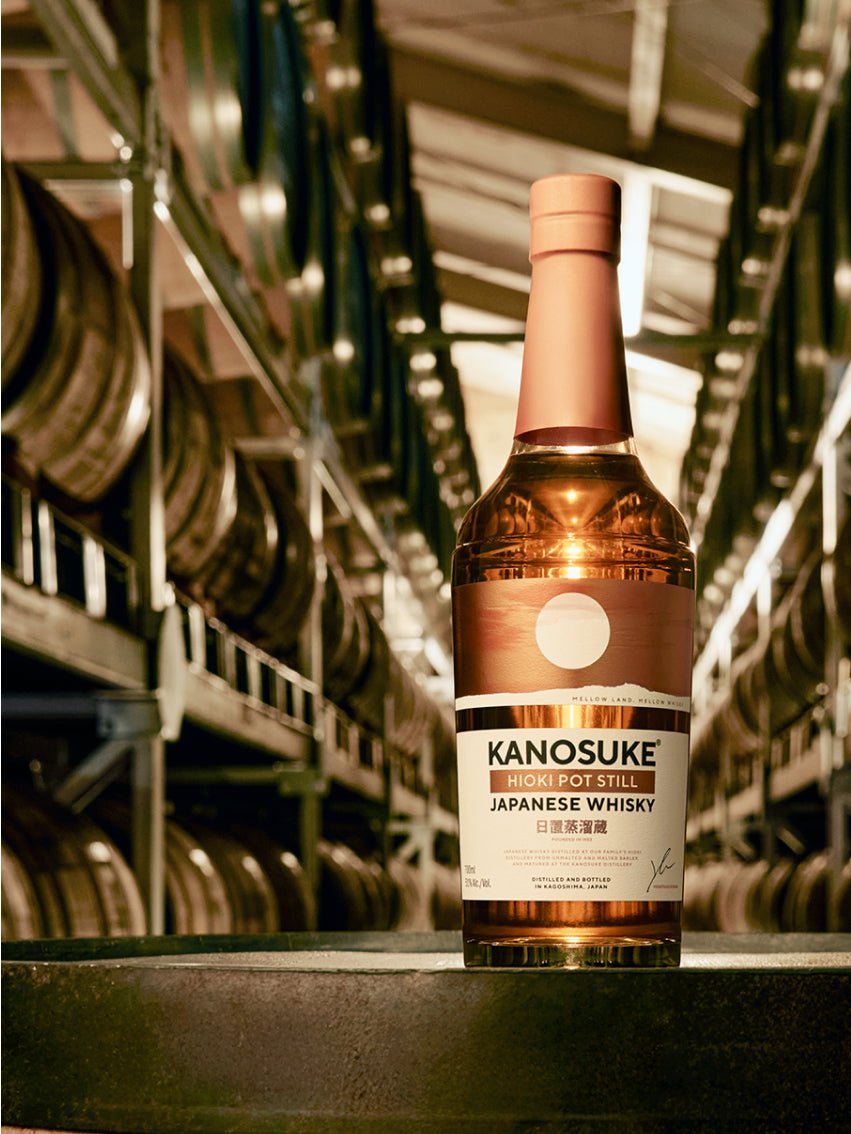
When engaging with Kanosuke’s lineup, focus on expressions that illustrate the distillery’s claim: look for the 2025 Pearl 2 Star Prestige–mentioned releases and bottles that reference age or cask interaction. Ask staff about how Kagoshima’s heat affects early barrel extraction, evaporation rates and the so-called angel’s share—those details explain why flavours skew warmer and rounder than northern counterparts. Steer conversation toward maturation regime and cask influence rather than cocktail service; listeners who probe process will get the clearest sense of what sets these southern spirits apart.
Venue details
Ambiance
Relaxed coastal atmosphere with mellow, saline minerality from sea spray and seasonal winds, evoking a calming beachside serenity.
Tags
Vibe
Best For
Experience
View
At the Vineyard
- Appellation
- Kagoshima
- Tour Duration
- 60-90 minutes
- Wine Club
- Not available
Planning details
Location
Kagoshima, Japan · Directions
Also consider
If you cannot get Kanosuke
Cross-shop Yamazaki (Suntory) if the group wants a more recognizable Japanese whisky stop with broader appeal. For a smaller-producer angle, look at Shizuoka or Mars Shinshu Distillery instead.
Winery context
How It Compares
Kanosuke is the stronger choice for travelers already committed to Kagoshima and looking for a high-prestige distillery stop with a sense of occasion. Yamazaki (Suntory) is the safer pick for a classic Japanese whisky itinerary, while Shizuoka is a better comparison for guests who care more about an independent producer profile than a southern Japan setting.
For value, be practical: travel time matters as much as tasting cost when the visit is outside the main tourist whisky corridors. Eigashima (White Oak) may suit visitors who want a less ceremony-heavy stop, while Mars Shinshu Distillery is a better fit for travelers building a mountain-region whisky route. 98Wines belongs on the list only if the trip is more about Japanese wine than whisky.
Booking difficulty is the deciding factor. If a confirmed slot matters, do not let Kanosuke be the only anchor. Hold one fallback from Yamazaki (Suntory), Shizuoka, or Mars Shinshu Distillery depending on route, then choose Kanosuke when the Kagoshima setting and special-occasion feel justify the extra planning.
Explore Kagoshima
Around this place
Discover more on Pearl
Unlock the full Kanosuke guide in Pearl, including awards, comparisons, FAQs, planning details, and nearby places.
Compare Kanosuke
| Venue | Location | Awards |
|---|---|---|
| Kanosuke | Kagoshima | No published awards |
| 98Wines | Yamanashi | 2025 World's 50 Best Vineyards · #202024 World's 50 Best Vineyards · #48 |
| Eigashima (White Oak) | Akashi | No published awards |
| Yamazaki (Suntory) | Shimamoto | No published awards |
| Shizuoka | Shizuoka | No published awards |
| Mars Shinshu Distillery | Miyada | No published awards |

How Kanosuke Kagoshima compares with similar nearby venues.
FAQ
Frequently Asked Questions
When is the best time to visit Kanosuke?
Kanosuke carries Pearl 2 Star Prestige (2025), so plan ahead and confirm current operating details directly before making it part of a Kagoshima itinerary.
What other venues can I compare with Kanosuke?
If you are comparing Japanese venues, consider Mars Shinshu Distillery, Shizuoka, Yamazaki (Suntory), Eigashima (White Oak), and 98Wines as reference points. Use them for orientation rather than assuming the same format, services, or visit experience as Kanosuke.
How long should I plan for a visit to Kanosuke?
Confirm current visit length directly. Treat Kanosuke as a Kagoshima stop that requires current confirmation rather than assuming a quick drop-in, half-day format, or structured itinerary.
Is there a membership or club at Kanosuke?
Does Kanosuke serve food?
Do not plan the visit around a meal unless you confirm current information directly with the venue; use other Kagoshima dining options if food is central to the day.
Can Kanosuke handle large groups?
What is Kanosuke known for?
Kanosuke is in Kagoshima, has a casual dress code, carries Pearl 2 Star Prestige (2025) recognition. For flagship product, menu, tasting format, or service style, confirm details directly with the venue.