Courvoisier
Jarnac
Winery in Jarnac, France
 Book with Pearl
The Read
Charente Riverfront Cognac
Price
$50–100tasting
Why go
Courvoisier is worth prioritizing for a planned Cognac stop in Jarnac, especially if the occasion calls for a château setting rather than a casual tasting-room feel. It suits couples, celebrations, and brand-history-led visits; cross-shop larger Cognac houses if flexibility or easy group logistics matter more.
About Courvoisier
Courvoisier is a Jarnac venue with a smart casual dress code and Pearl 4 Star Prestige recognition for 2025. The safest way to plan is to treat it as a considered Jarnac stop rather than assume specific services, formats, prices, hours, menus, or group arrangements. For readers building a wider itinerary, use our full Jarnac restaurants guide to plan dining separately around the visit.
A Jarnac stop best planned with confirmed details
The key planning facts are the venue name, its Jarnac location, the smart casual dress code, and its Pearl 4 Star Prestige recognition in 2025. Beyond that, avoid building the day around assumptions about a visit format, food service, private access, or a particular service style unless those details are confirmed directly before you go.
That makes Courvoisier a better fit for travelers who are comfortable planning around a specific Jarnac venue and checking current arrangements in advance. If your schedule depends on exact timing, service format, pricing, or accessibility needs, confirm those points through official channels before committing the rest of the day.
How to think about the visit value
Value is best judged cautiously, especially if format or price matters. The grounded reason to keep Courvoisier on the shortlist is its Jarnac setting, smart casual positioning, and Pearl 4 Star Prestige recognition for 2025, not assumptions about services, menus, or visit structure.
If you are comparing well-known venues for a broader itinerary, keep the comparison practical. Other names to consider include Augier, Camus Cognac, Hennessy, Martell, and Rémy Martin. Check each venue's current details separately rather than assuming they offer the same format, location convenience, or visitor experience.
Who should prioritize it
Prioritize Courvoisier if you want a Jarnac venue with a smart casual dress code and a Pearl 4 Star Prestige distinction for 2025. It is especially sensible for travelers who prefer to plan ahead and verify the practical details before arrival.
Quick read: choose it as a planned Jarnac stop with Pearl 4 Star Prestige recognition; do not assume specific food, pricing, service, or group details without checking first.
Planning details
- Location
- 2 Pl. du Château, 16200 Jarnac
- Website
- courvoisier.com/fr
- Phone
- +33 5 45 35 56 16
The take
The Take
The Vibe
Courvoisier sits quietly within Jarnac’s limestone-lined landscape, projecting a calm, scenic presence rather than theatrical showmanship. The house is rooted in place: chalky Grande and Petite Champagne soils, low-profile stone walls and the slow curve of the Charente shape the estate’s character as much as its labels. Inside the chais, barrels and cellars anchor the sensory experience, and the property reads as an established, historically grounded cognac house. The tone is restrained and serious about craft—perfect for visitors who want atmosphere that underscores terroir and tradition rather than bold marketing gestures.
Best For
This is a stop for visitors who care about provenance and the mechanics of distillation and aging. Courvoisier is well suited to educational visits that unpack cru differences and the logic of barrel ageing, and its Pearl 4 Star Prestige placement makes it appropriate for milestone tastings and group outings that favor pedigree. Wine- and spirits-focused corporate groups, seasoned collectors and small celebratory parties will find the house useful as an orientation point in Jarnac’s cognac landscape, where terroir talks louder than packaging.
Tasting Tips
On tasting visits, focus on comparisons that highlight cru and ageing: ask about Grande Champagne and Petite Champagne expressions and how chalky, moisture-retentive soils influence aromatic development. Inquire with staff about older eaux-de-vie and the house’s approach to barrel maturation—discussion of barrel age and sourcing is central to understanding Courvoisier. Use the visit as an opportunity to connect the sensory notes in the glass back to the chais and soil described in-house literature; the most insightful tastings emphasize place and time in barrel.
Venue details
Ambiance
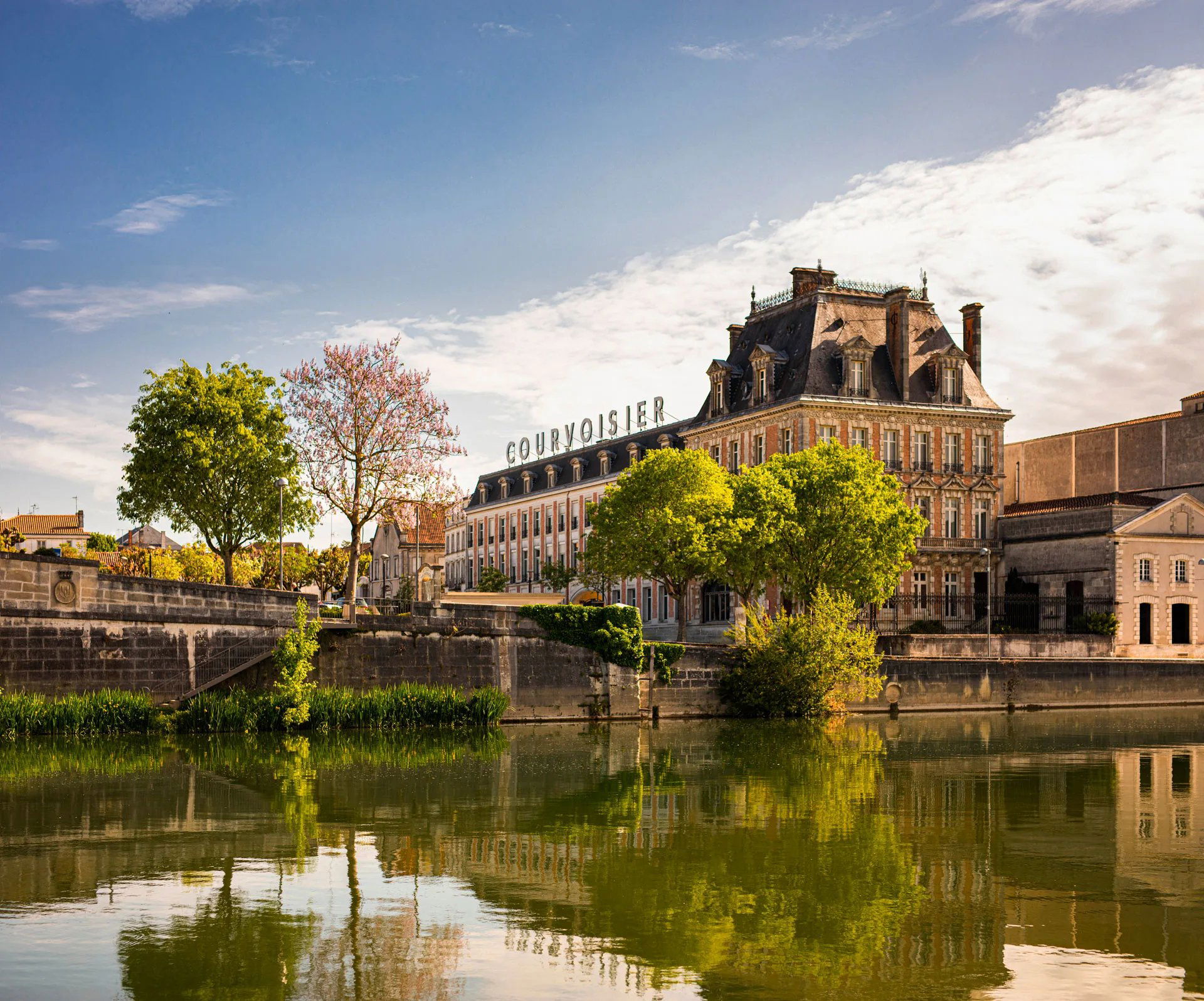
Refined and historic atmosphere within an ornate 19th-century château, reflecting centuries of French cognac tradition and meticulous craftsmanship.
Tags
Vibe
Best For
Experience
Sourcing
View
At the Vineyard
- Appellation
- Cognac AOC
- Varietals
- Ugni Blanc, Folle Blanche, Colombard
- Tour Duration
- 90-120 minutes
- Tour Languages
- French, English
- Visits
- By appointment only
- Farming
- Sustainable
- Wine Styles
- Fortified
- Wine Club
- Not available
Know before you go
Know Before You Go
- Getting there
- 2 Pl. du Château, 16200 Jarnac
Planning details
Location
Also consider
Also Consider
- Camus Cognac, Notable alternative
- Rémy Martin, Notable alternative
- Martell, Notable alternative
- Hennessy, Notable alternative
- Augier, Notable alternative
Winery context
How it compares with nearby Cognac houses
Courvoisier is the stronger choice for readers who want the Jarnac château setting to be part of the occasion. Camus Cognac, Rémy Martin, Martell, and Hennessy are better cross-shops if the priority is comparing major Cognac houses by scale, brand recognition, and visitor infrastructure rather than anchoring the day in Jarnac itself.
For value, the decision comes down to what the visit needs to deliver. Choose Courvoisier when ambiance and a composed special-occasion format matter. Look at Augier if the reader wants a less obvious Cognac stop and is less concerned with a grand-house feel. Choose Rémy Martin, Martell, or Hennessy when the group wants a high-recognition name that can frame Cognac for first-time visitors.
Booking difficulty favors planning early across this set, but Courvoisier is the least casual choice in this comparison because the experience works poorly as an afterthought. If the schedule is tight, cross-shop Camus Cognac or Augier first; if the day is built around one polished Cognac house visit, Courvoisier earns the slot.
Explore Jarnac
Around this place
Discover more on Pearl
Unlock the full Courvoisier guide in Pearl, including awards, comparisons, FAQs, planning details, and nearby places.
Compare Courvoisier
| Venue | Location | Awards |
|---|---|---|
| Courvoisier | Jarnac | No published awards |
| Camus Cognac | Cognac | No published awards |
| Rémy Martin | Cognac | No published awards |
| Martell | Cognac | No published awards |
| Hennessy | Cognac | No published awards |
| Augier | Aigre | No published awards |
How Courvoisier Jarnac compares with similar nearby venues.
FAQ
Frequently Asked Questions
Does Courvoisier serve food?
Can Courvoisier handle large groups?
If you are planning a group visit, confirm availability, timing, and any requirements directly with Courvoisier before building the rest of the itinerary around it.
What other venues can I compare with Courvoisier?
For a broader plan, other relevant names to compare include Camus Cognac, Rémy Martin, Martell, Hennessy, and Augier. Check each venue's current location details, opening arrangements, and visit format separately before assuming they fit the same schedule.
Are there membership or access options at Courvoisier?
Judge any offer only after confirming what it includes, and do not assume special pricing, availability, or benefits unless Courvoisier states them directly.