Viña Santa Ema
Isla de Maipo
Winery in Isla de Maipo, Chile
 Book with Pearl
The Read
Maipo Terroir Precision
Price
$20–30tasting
Why go
Viña Santa Ema is worth prioritizing if the goal is an estate-led Isla de Maipo wine visit rather than a quick tasting stop. It suits travelers building a focused Maipo Valley day, but cross-shop Viña De Martino or Viña Tarapacá if availability, group logistics, or a more predictable visitor setup matters more.
About Viña Santa Ema
Viña Santa Ema is a venue in Isla de Maipo with a casual dress code and 2 Star Prestige recognition for 2025.
Approach Viña Santa Ema as a planning decision for Isla de Maipo, and confirm current visit details directly before arranging your trip. If you are comparing options, keep the choice focused on the location, the casual dress code, and the recognition.
Choose it for Isla de Maipo recognition, not assumed formats
Viña Santa Ema is best described by its essentials: Isla de Maipo location, casual dress code, and 2 Star Prestige recognition in 2025. Check current visit format, food service, price point, schedule, reservation policy, and visitor capacity through official channels before you plan around them.
The practical verdict: consider Viña Santa Ema when you want a recognized Isla de Maipo venue and are comfortable confirming the operational details directly. For travelers building a wider local plan, use current Isla de Maipo planning resources and confirm each stop's details before making arrangements.
Who should cross-shop before committing
If you are still deciding, compare Viña Santa Ema with other named options such as Viña De Martino and Viña Tarapacá, or with other dining and venue choices in Isla de Maipo more generally. The right comparison depends on the current availability, format, and practical information each venue provides at the time you plan.
Planning details
- Location
- Izaga 1096, 9790163 Isla de Maipo, Región Metropolitana
- Website
- santaema.cl
- Phone
- +56 2 2663 7100
The take
The Take
The Vibe
Viña Santa Ema reads as a prestige-focused Maipo Valley producer rather than a romantic, off-the-map boutique. The prose stresses working production and a clear position inside Chile’s quality corridor: Cabernet-dominant programs, site specificity and restrained extraction. The Pearl 2 Star Prestige designation signals a measured, quality-oriented operation that competes on awards and allocation channels rather than mass placement. Visitors can expect a grounded, professional winery identity — sophisticated in intent and execution, and oriented toward serious red-wine expression rather than theatrical visitor experiences.
Best For
This estate is best approached with a purposeful tasting mindset: wine-education visits, comparative group outings and solo exploration focused on understanding Cabernet expression in Maipo. The description frames Viña Santa Ema within a peer group of estates and highlights its Pearl 2 Star Prestige standing, so it’s a useful stop for groups comparing stylistic approaches or for individual visitors studying site specificity and winemaking trends. It suits travelers who prioritize learning about terroir, varietal structure and the regional shift toward restraint in prestige Chilean reds.
Tasting Tips
When tasting at Viña Santa Ema, prioritize the Cabernet-dominant bottlings and any releases tied to specific sites — the text emphasizes mineral sharpness and structural definition in the valley’s Cabernets. Look for wines or cuvées that reference site specificity or restrained extraction, and note the Pearl 2 Star Prestige designation when comparing quality tiers. Ask staff how the estate positions its prestige bottlings relative to higher-volume lines; that context is useful because the producer competes through awards and allocations rather than mass-market placement.
Venue details
Ambiance
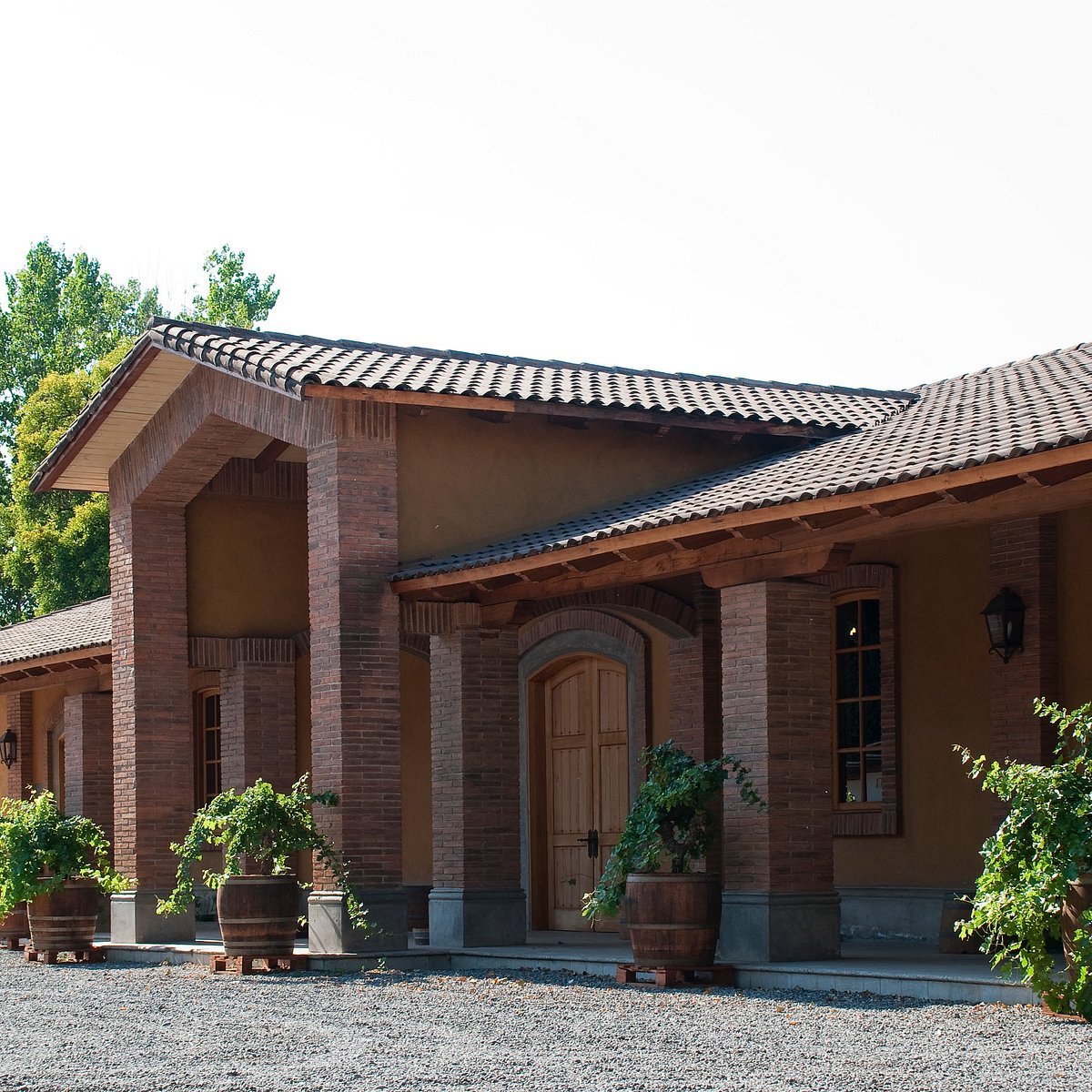
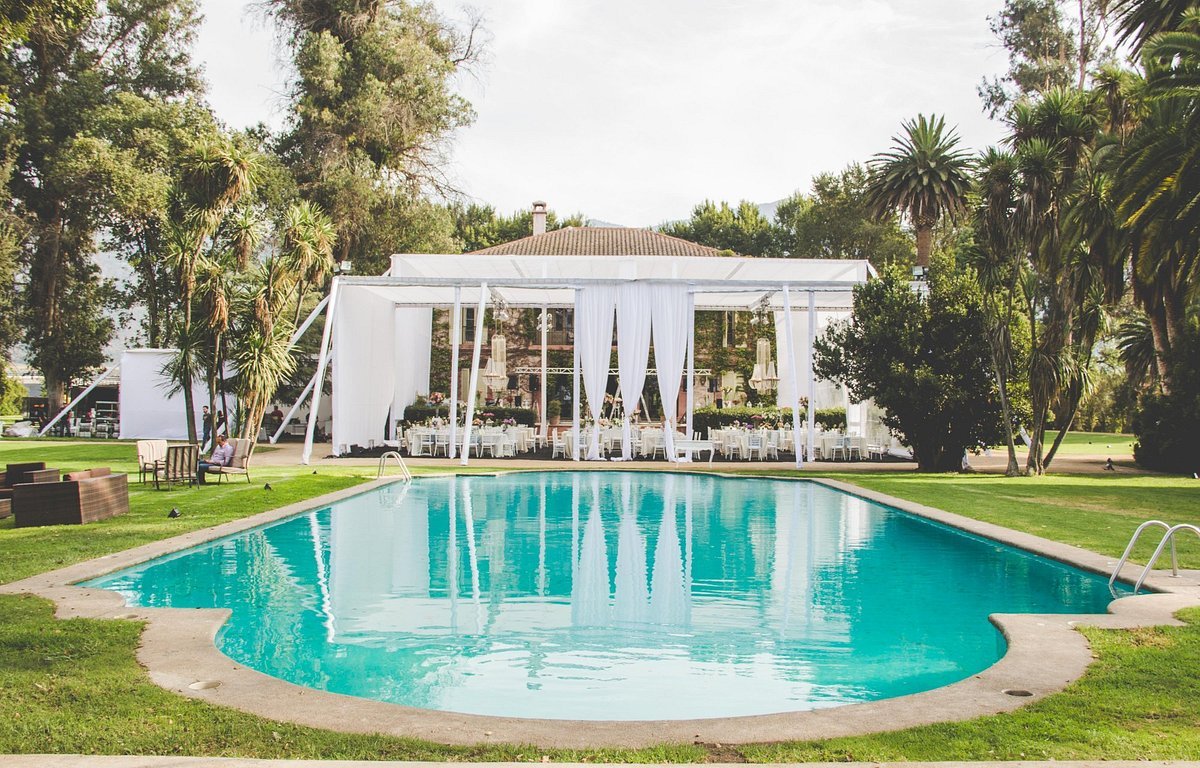
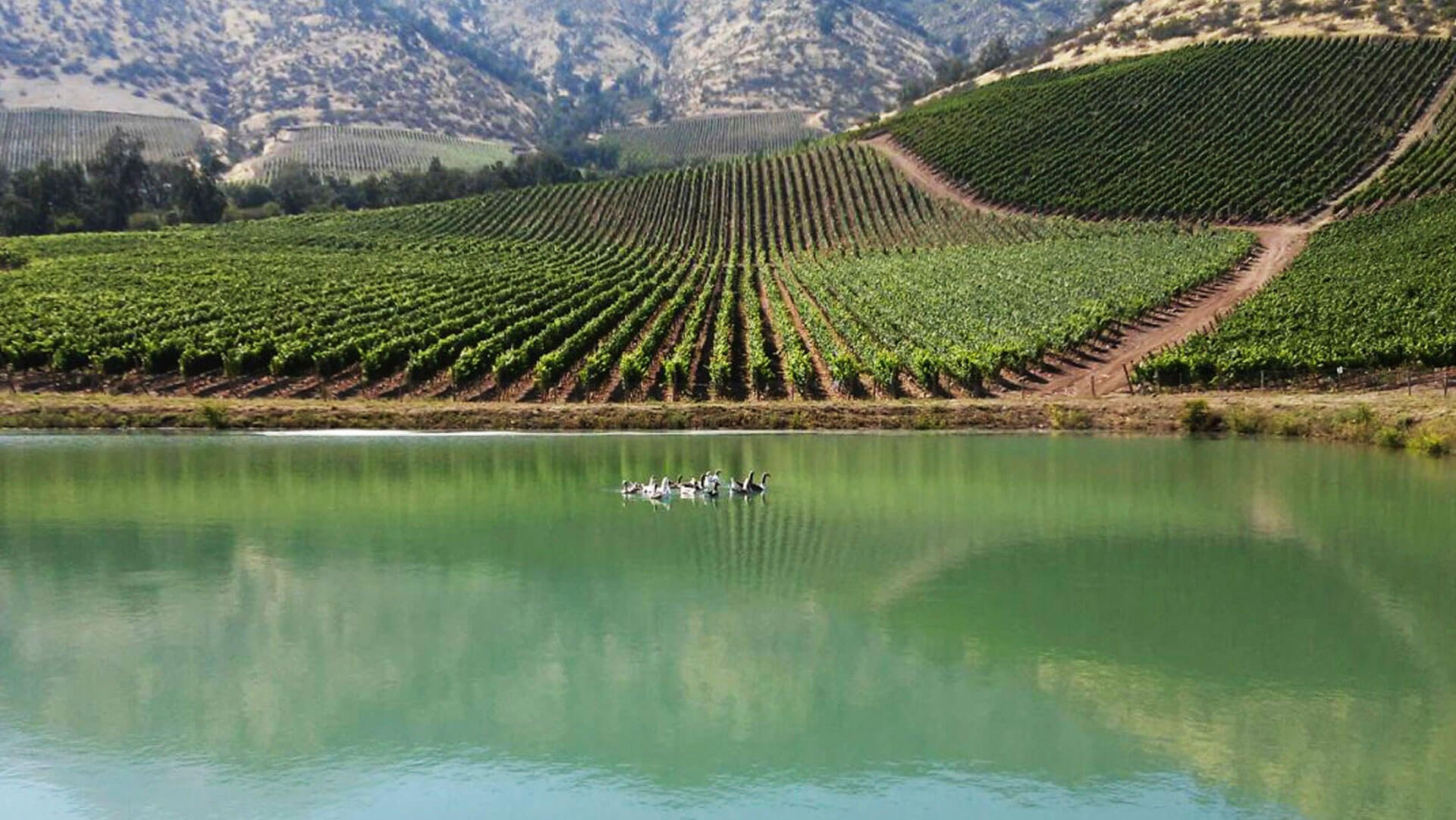
Modern and comfortable facilities surrounded by beautiful vineyards with extraordinary mountain views, offering a relaxed and scenic tasting atmosphere.
Tags
Vibe
Best For
Experience
Sourcing
View
Accessibility
At the Vineyard
- Appellation
- Maipo Valley
- Varietals
- Cabernet Sauvignon, Carmenere, Merlot, Pinot Noir
- Tour Duration
- 60-120 minutes
- Tour Languages
- Spanish, English
- Visits
- By reservation
- Farming
- Sustainable
- Production
- Mid-size producer
- Wine Styles
- Still Red, Still White, Still Rose
- Food Pairing
- Offered
- Shipping
- Available
- Wine Club
- Not available
Know before you go
Know Before You Go
- Getting there
- Izaga 1096, 9790163 Isla de Maipo, Región Metropolitana
Planning details
Location
Also consider
Also Consider
- Viña De Martino, Notable alternative
- Viña Tarapacá, Notable alternative
- Viña Undurraga, Notable alternative
- Viña Santa Rita, Notable alternative
- Haras de Pirque, Notable alternative
Winery context
How It Compares
Among Isla de Maipo options, Viña Santa Ema is the better choice when the estate setting is part of the reason for going. Viña De Martino is the sharper cross-shop for a more wine-led visit, while Viña Tarapacá makes more sense for travelers who want a broader estate feel and a less intimate day.
For visitors comparing across the wider Santiago-accessible wine circuit, Viña Undurraga and Viña Santa Rita are better fits when scale, visitor infrastructure, and easier group planning matter. Viña Santa Ema is more compelling when the decision is about a focused Isla de Maipo stop rather than a large-format winery outing.
Haras de Pirque is the better comparison for travelers who want a stronger architectural or destination-winery angle outside the immediate Isla de Maipo set. Choose Viña Santa Ema when staying closer to the valley context matters; choose Haras de Pirque when the day can stretch farther and the setting needs to do more of the work.
Explore Isla de Maipo
Around this place
Discover more on Pearl
Unlock the full Viña Santa Ema guide in Pearl, including awards, comparisons, FAQs, planning details, and nearby places.
Compare Viña Santa Ema
| Venue | Location | Awards |
|---|---|---|
| Viña Santa Ema | Isla de Maipo | No published awards |
| Viña De Martino | Isla de Maipo | 2026 Falstaff Winery Guide |
| Viña Tarapacá | Isla de Maipo | No published awards |
| Viña Undurraga | Talagante | No published awards |
| Viña Santa Rita | Buin | 2026 Falstaff Winery Guide2025 World's 50 Best Vineyards · #412021 World's 50 Best Vineyards · #282019 World's 50 Best Vineyards · #26 |
| Haras de Pirque | Pirque | 2026 Falstaff Winery Guide |


How Viña Santa Ema Isla de Maipo compares with similar nearby venues.
FAQ
Frequently Asked Questions
Can Viña Santa Ema handle large groups?
Are memberships or special programs at Viña Santa Ema worth joining?
If memberships or special programs matter to you, ask Viña Santa Ema directly and compare any current terms with other options you are considering.
When is the best time to visit Viña Santa Ema?
Does Viña Santa Ema have a signature offering?
Do I need a reservation at Viña Santa Ema?
Does Viña Santa Ema serve food?
How long should I plan for a visit to Viña Santa Ema?
Confirm the expected visit length directly with Viña Santa Ema. The venue is in Isla de Maipo with a casual dress code and 2 Star Prestige recognition for 2025.