

Philip Carter Winery of Virginia
Hume
Winery in Hume, United States
 Book with Pearl
The Read
Piedmont Terroir Prestige
Price
$30–50tasting
Why go
Book Philip Carter Winery of Virginia if the goal is a recognized Hume winery stop for a date, anniversary, or slower countryside tasting day. Do not choose it solely for a food-pairing program unless current food details are confirmed before you go.
About Philip Carter Winery of Virginia
Should you plan a visit to Philip Carter Winery of Virginia in Hume? Yes, if the priority is a winery stop with clear recognition rather than a venue chosen for detailed dining information. In other words, this is a stronger fit for visitors who are comfortable keeping the plan simple, and a weaker fit for anyone who needs every food, service, or logistical detail settled in advance. The safest way to plan is to treat the winery itself as the anchor and confirm any operational details directly before you go.
Those points are enough to give the venue a defined place on a Virginia itinerary, but they are not enough to support assumptions about the rest of the visit. Beyond that, do not build the visit around assumed menus, pricing, group policies, shipping, club perks, or a specific service format unless the venue confirms those details for your date.
A recognition-led pick when the food details are secondary
That recognition makes the winery easier to justify as a deliberate stop rather than a fallback, especially for travelers narrowing a broader Hume or Virginia plan. The tradeoff is that food specifics may require direct confirmation. If food pairing or a full meal is the deciding factor, treat that as something to confirm before committing, not as something to infer from the winery category alone.
For a celebration or planned outing, keep expectations tight: plan for the winery first, keep the itinerary flexible, and avoid making the stop responsible for an entire meal unless current food service is confirmed through the venue's own channels. That approach protects the day from overplanning, while still allowing the recognized winery visit to be the reason for going. For broader planning around Hume, compare it with other wine-focused options and add other Hume dining or lodging only after checking current details.
Plan it for a slower Virginia wine day, not a high-detail dining plan
This is a good choice when the goal is a composed winery stop with a recognized accolade and a casual dress code. The casual dress code also makes the planning tone simpler: the visit does not need to be framed as a formal dining occasion. Instead, it works best as part of a slower Virginia wine day where the appeal is the recognition, with practical choices checked close to the visit. It is less useful for readers who need specific menus, published pricing, shipping policies, club benefits, or detailed group information before deciding.
If the Hume itinerary is part of a broader wine search, compare Philip Carter Winery of Virginia with other relevant winery options such as Barrel Oak Winery, Glen Manor Vineyards, Pearmund Cellars, RdV, and Slater Run Vineyards. Use those comparisons to decide which venue best fits the kind of visit you want, then confirm practical details directly with the venue before making firm plans.
Planning details
- Location
- 4366 Stillhouse Rd, Hume, VA 22639
- Website
- pcwinery.com
- Phone
- +1 540-364-1203
The take
The Take
The Vibe
Philip Carter Winery sits quietly in the northern Piedmont where the foothills of the Blue Ridge press close to the vineyards. The writing emphasizes terroir and agricultural identity more than tasting-room theatrics, so the property reads as understated and place-driven rather than trend-driven. Visitors encounter a rural, contemplative setting — broad holdings, changing weather off the mountains and a sense that the wines are answers to questions about which grapes best express this specific latitude and geology. It’s a serene, low-key winery experience for people who prize landscape and sense of place.
Best For
This is a pick for people focused on terroir and learning rather than high-volume tasting-room traffic. The copy frames the site as a quieter counterpoint to busier Virginia wine corridors, so it suits travelers seeking a measured, educational tasting — comparing microclimates, soils and varietal choices — and visitors looking for a countryside escape west of the city. If you want a scenic, contemplative tasting that foregrounds place and vineyard thinking, this is a sensible stop.
Tasting Tips
Ask for guidance that highlights site-driven wines: staff are positioned to explain how northern Piedmont elevation, drainage patterns and soil influence grape choices. Seek out flights or bottlings that showcase single-vineyard or site-focused expressions so you can taste the mineral signatures the copy describes. Use the conversation about varietal selection as your tasting roadmap — inquire which wines the winery feels best articulate this particular stretch of the Blue Ridge foothills.
Venue details
Ambiance
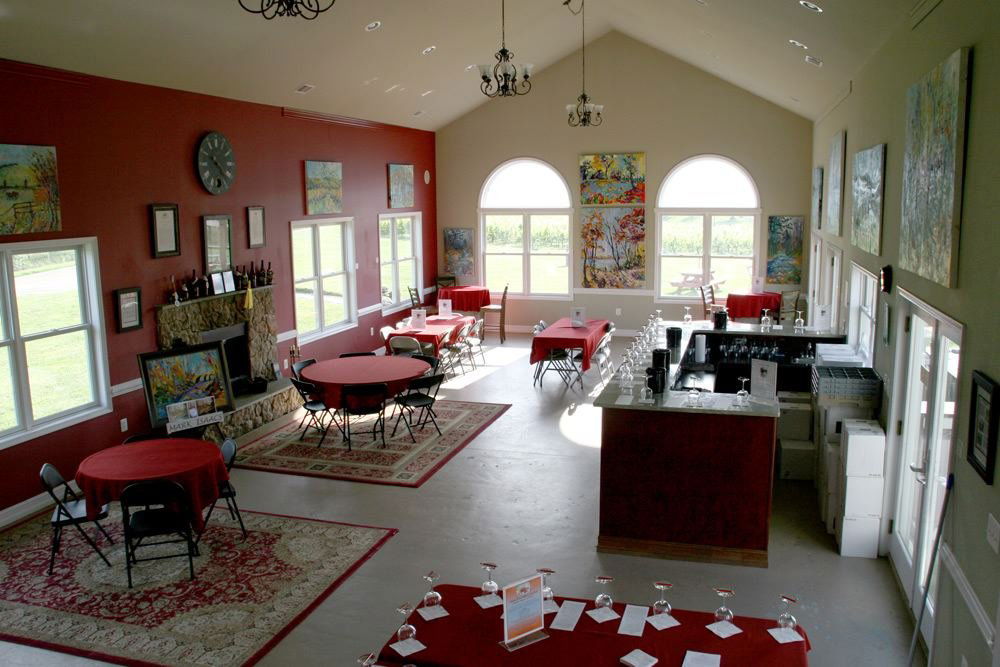
Tranquil and picturesque with natural light from expansive grounds; seasonal decorating in tasting room; welcoming and relaxed atmosphere suitable for both intimate and group gatherings.
Tags
Vibe
Best For
Experience
Sourcing
View
Accessibility
At the Vineyard
- Appellation
- Virginia
- Varietals
- Chambourcin, Chardonnay, Riesling
- Tour Duration
- 90-120 minutes
- Tour Languages
- English
- Visits
- By reservation
- Farming
- Sustainable
- Wine Styles
- Still White, Still Red, Fortified
- Food Pairing
- Offered
- Shipping
- Available
- Wine Club
- Available
Know before you go
Know Before You Go
- Getting there
- 4366 Stillhouse Rd, Hume, VA 22639
Planning details
Location
Also consider
Also Consider
- Barrel Oak Winery, Notable alternative
- RdV, Notable alternative
- Slater Run Vineyards, Notable alternative
- Glen Manor Vineyards, Notable alternative
- Pearmund Cellars, Notable alternative
Winery context
How it compares with nearby winery choices
Choose Philip Carter Winery of Virginia when recognition and a composed Hume-area visit matter more than chasing the hardest booking in the region. RdV is the sharper cross-shop for collectors who want a more serious, destination-style wine appointment, while Barrel Oak Winery is the easier-feeling alternative for a casual group day.
For ambiance, Slater Run Vineyards and Glen Manor Vineyards are the right comparisons if the setting is doing a lot of the work for the occasion. Pick Philip Carter when the decision needs a recognized name near Hume; look to those peers when the day is more about the countryside rhythm than a single anchor stop.
Pearmund Cellars is the practical fallback if the group needs a broader, easier winery plan. For a smaller celebration, Philip Carter is the cleaner choice; for larger or more flexible groups, Barrel Oak Winery or Pearmund Cellars may be simpler to arrange.
Explore Hume
Around this place
Discover more on Pearl
Unlock the full Philip Carter Winery of Virginia guide in Pearl, including awards, comparisons, FAQs, planning details, and nearby places.
Compare Philip Carter Winery of Virginia
| Venue | Location | Awards |
|---|---|---|
| Philip Carter Winery of Virginia | Hume | No published awards |
| Barrel Oak Winery | Delaplane | No published awards |
| RdV | Delaplane | No published awards |
| Slater Run Vineyards | Upperville | No published awards |
| Glen Manor Vineyards | Huntly | 2026 Falstaff Winery Guide |
| Pearmund Cellars | Broad Run | No published awards |

How Philip Carter Winery of Virginia compares with similar nearby venues.
FAQ
Frequently Asked Questions
How long should I plan for a visit to Philip Carter Winery of Virginia?
Information on recommended visit length is not available. Plan according to your own itinerary, and confirm any time-sensitive details directly with the venue before you go.
What other wineries should I compare with Philip Carter Winery of Virginia?
Useful comparison venues include Barrel Oak Winery, RdV, Slater Run Vineyards, Glen Manor Vineyards, and Pearmund Cellars.