
Winery in Huasco, Chile
Pisco Alto del Carmen Distillery
750ptsAtacama-Terroir Pisco
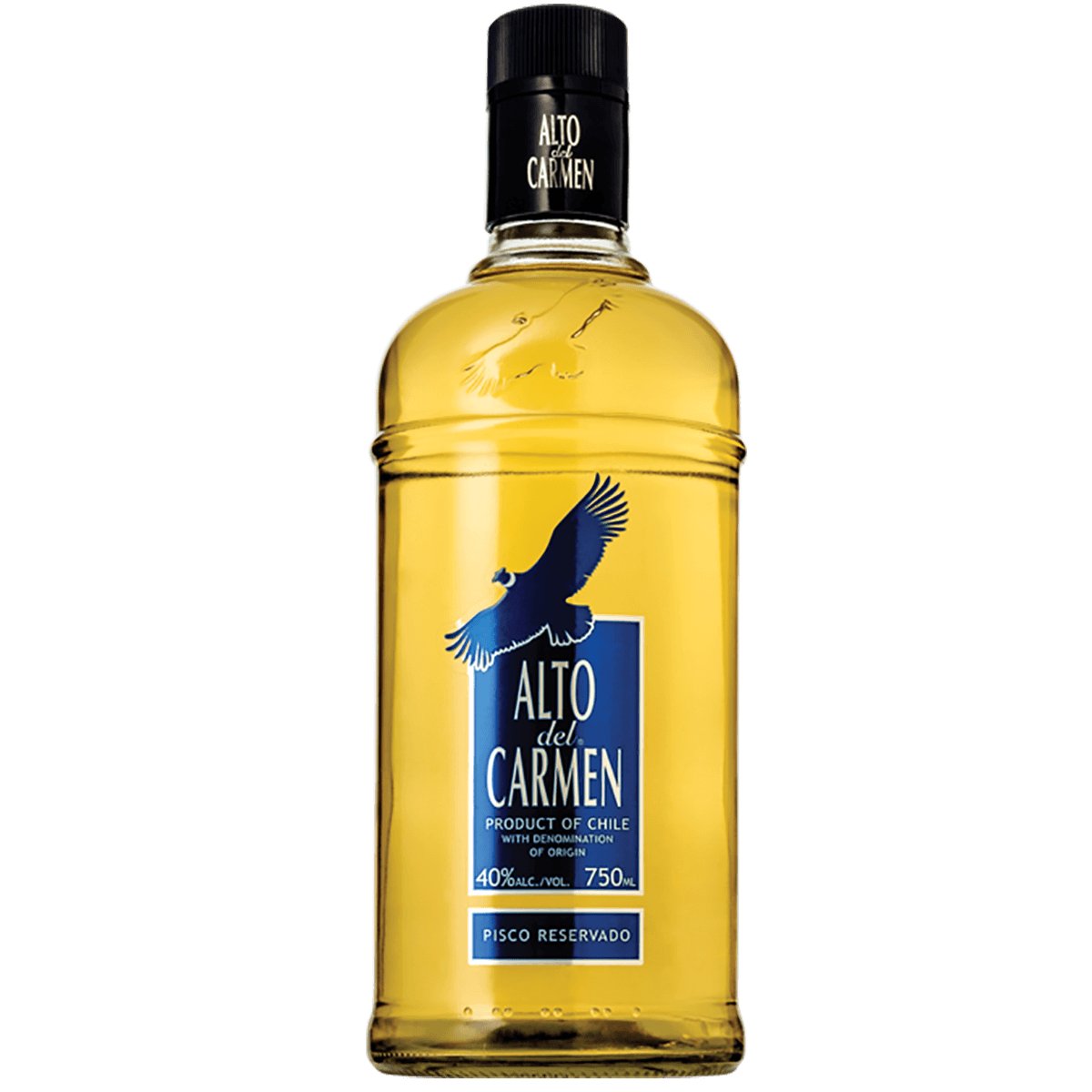
About Pisco Alto del Carmen Distillery
Pisco Alto del Carmen Distillery operates in Huasco, one of Chile's northern valleys where extreme aridity and high-altitude terrain shape the moscatel and pedro jiménez grapes that define the region's pisco character. Recognised with a Pearl 3 Star Prestige rating in 2025, it represents the more serious, terroir-focused end of Chilean pisco production — a category that is only now receiving the critical attention it has long deserved.
Where the Desert Makes the Spirit
The Huasco Valley sits at the northern edge of Chile's recognised pisco-producing zone, a region where the Atacama Desert's influence is not background scenery but active participant in what ends up in the bottle. Annual rainfall here is measured in single digits. Diurnal temperature swings between scorching afternoon heat and cold Andean nights push the aromatic compounds in moscatel grapes toward concentration levels that the central valleys cannot replicate. This is not a setting that softens what it produces. The land imposes itself, and the leading distilleries in this zone have learned to work with that imposition rather than against it.
Pisco Alto del Carmen Distillery operates within that context. Its 2025 Pearl 3 Star Prestige recognition from EP Club places it in the upper tier of Chilean pisco producers being assessed by serious beverage critics — a category that, until recently, was largely absent from international spirits conversation. That absence says more about the historical marketing of Chilean pisco as an affordable domestic commodity than it does about what the region is capable of producing at its apex.
The Terroir Argument for Northern Chilean Pisco
Chilean pisco's legal production zone covers the Atacama and Coquimbo regions, but within that zone there are meaningful differences between sub-valley expressions. The Huasco Valley, where Alto del Carmen sits, is the northernmost of these sub-zones and arguably the most extreme in climatic terms. The combination of near-zero rainfall, high UV radiation, and significant altitude variation concentrates sugars and aromatic esters in ways that producers further south do not experience to the same degree.
Moscatel de Alejandría and moscatel rosada dominate plantings in this zone, alongside pedro jiménez. These varieties have been cultivated here for centuries, arriving with Spanish colonial agriculture and adapting over generations to soil profiles that are predominantly sandy, mineral-rich, and low in organic matter. That soil poverty, counterintuitively, tends to produce smaller yields with more concentrated flavour. Compare this with the irrigated flatland plantings that characterise volume-oriented pisco production, and the distinction becomes clear: the Huasco Valley is working with terroir, not against it.
For reference, producers like Viña Falernia in Vicuña have made the parallel argument for Elqui Valley wine grapes in recent years, demonstrating that the northern Chilean valleys can produce structured, aromatic whites from moscatel-adjacent varieties when yields are controlled and altitude is taken seriously. The same logic applies to pisco, where the raw material quality ceiling is considerably higher than the category's commercial reputation has suggested.
Pisco as a Serious Spirits Category
Chilean pisco occupies an unusual position in the global spirits market. It has faced decades of competition with Peruvian pisco for geographic and denominational identity, while simultaneously competing domestically against imported spirits on price. The result has been a market dynamic that rewarded volume and affordability over craft and terroir expression. That dynamic is shifting, slowly, as a younger generation of Chilean consumers and an interested international audience begin treating pisco with the same framework applied to mezcal's quality evolution over the past fifteen years.
The mezcal comparison is instructive. Before the 2010s, mezcal was broadly misunderstood outside Mexico as a rough, niche spirit. The emergence of small-batch producers, geographic designations, and serious critical attention transformed the category into one of the most discussed spirits sectors globally. Chilean pisco is at an earlier stage of that same transition. Distilleries earning recognition like Alto del Carmen's 2025 Pearl 3 Star Prestige are precisely the kind of producers driving that shift — those with genuine terroir differentiation and a product serious enough to hold up under critical scrutiny.
For context on how spirits producers across northern South America are approaching similar quality questions, the Atacamasour Distillery in San Pedro de Atacama represents another data point in this emerging craft tier. The geographical concentration of serious producers in the Atacama zone is not coincidental: the extreme environment is selective, and the producers who commit to working within it rather than moderating its effects tend to produce the most distinctive results.
Alto del Carmen in Its Peer Context
Within Chilean pisco production, there is a meaningful split between large industrial producers, which supply most of the domestic volume, and a smaller cluster of estate or small-batch operations working with controlled yields from defined sub-valleys. Alto del Carmen sits in the latter group. A Pearl 3 Star Prestige designation in 2025 positions it clearly within the premium tier being recognised by EP Club's assessment framework , a tier where provenance specificity, variety transparency, and distillation approach are evaluated rather than purely price-per-litre efficiency.
The peer comparison worth making is not against the large commercial labels but against the serious regional producers of the northern valleys. The Elqui and Limarí valleys produce their own range of quality-focused piscos, and the broader Chilean wine world has demonstrated that sub-regional specificity matters: Viña De Martino in Isla de Maipo, Viña Seña in Panquehue, and Viña Casa Silva in San Fernando have each built identities around specific valley expressions. The pisco producers earning serious recognition in 2025 are following an analogous path.
Planning a Visit to Huasco
Huasco is a small port city in the Atacama Region, reached most practically by road from Copiapó, the regional capital, which is approximately two hours north by car and has the closest commercial airport. The valley itself extends inland from the coast, and the town of Alto del Carmen , for which the distillery is named , sits further east into the valley, where the agricultural and production activity is concentrated. The route from the coast into the valley is where the landscape transitions most dramatically, from coastal scrubland into the irrigated vineyard and orchard corridors that support the region's agriculture.
Visitors planning around the pisco-producing zone would do well to combine Alto del Carmen with the broader northern Chilean circuit. The Elqui Valley further south offers a denser concentration of visitor-oriented producers, and the overall northern Chilean spirits and wine trail is considerably less travelled than the central valley route that runs through Maipo and Colchagua. That lower visitor volume is one practical advantage: access to producers here tends to be less mediated by tourism infrastructure and more direct. For website and booking details, contact information for Alto del Carmen is leading confirmed through current listings, as specifics are subject to seasonal availability.
Those building a broader Chilean wine and spirits itinerary can reference El Gobernador (Miguel Torres Chile) in Curicó, Viña Undurraga in Talagante, Viña MontGras in Palmilla, Viña Valdivieso in Lontué, Viña Ventisquero in Santiago, Viña Santa Rita in Buin, and Balduzzi Winery in San Javier to build a full north-to-south overview of Chilean production. For comparison outside Chile, Aberlour in Aberlour and Accendo Cellars in St. Helena represent how terroir-anchored premium spirits and wine producers in other regions have built their critical identities. See also our full Huasco restaurants guide for broader context on what the region offers beyond the distillery.
Frequently Asked Questions
- What kind of setting is Pisco Alto del Carmen Distillery?
- It operates in the Huasco Valley of northern Chile, one of the country's designated pisco-producing sub-zones. The setting is agricultural and remote, defined by desert-edge terrain and irrigated vineyard corridors rather than developed hospitality infrastructure. Given its Pearl 3 Star Prestige recognition in 2025, it is positioned as a serious production facility rather than a mass-tourism destination.
- What do visitors recommend trying at Pisco Alto del Carmen Distillery?
- The Huasco Valley's primary pisco varieties are moscatel de Alejandría and pedro jiménez, grown in low-rainfall, high-UV conditions that concentrate aromatic intensity. Given the distillery's 2025 EP Club Pearl 3 Star Prestige rating, the spirits associated with its northern-valley terroir are the primary draw. Visitors interested in the broader northern Chilean producer scene should cross-reference with Viña Falernia in Vicuña for a comparable terroir-focused approach in the adjacent Elqui Valley.
- What is Pisco Alto del Carmen Distillery leading at?
- Based on its 2025 Pearl 3 Star Prestige recognition from EP Club, the distillery sits within the premium, terroir-focused tier of Chilean pisco production. Its position in the Huasco Valley gives it a geographic identity distinct from both large commercial producers and Elqui Valley peers, anchored in the extreme aridity and mineral soils of one of Chile's most northerly growing zones.
- Do I need a reservation for Pisco Alto del Carmen Distillery?
- Given the distillery's location in the relatively remote Huasco Valley and its positioning as a serious production facility rather than a high-volume visitor attraction, advance contact is advisable before making the journey. Website and phone details are leading confirmed through current sources. The 2025 Pearl 3 Star Prestige recognition signals a premium-tier operation, which in comparable producers typically means structured visit formats rather than walk-in access.
- How does Pisco Alto del Carmen's northern valley location affect what ends up in the bottle?
- The Huasco Valley receives almost no annual rainfall, which means vines rely almost entirely on Andean meltwater irrigation and develop deep root systems in mineral-rich, sandy soils. This stress-driven growing environment limits yields and concentrates the aromatic esters in moscatel varieties that give the leading northern Chilean piscos their distinctive floral and stone-fruit character. The 2025 Pearl 3 Star Prestige rating reflects EP Club's assessment that Alto del Carmen's production reflects this terroir specificity at a level that separates it from volume-oriented competitors.
Related editorial
- Best Fine Dining Restaurants in ParisFrom three-Michelin-star icons to the next generation of Parisian chefs pushing boundaries, these are the restaurants that define fine dining in the world's culinary capital.
- Best Luxury Hotels in RomeFrom rooftop terraces overlooking ancient ruins to Michelin-starred hotel dining, these are the luxury hotels that make Rome unforgettable.
- Best Cocktail Bars in KyotoFrom sleek lounges to hidden speakeasies, Kyoto's cocktail scene blends Japanese precision with global influence in ways you won't find anywhere else.
Save or rate Pisco Alto del Carmen Distillery on Pearl
Keep this venue in your Pearl passport, rate it after you visit, and track it alongside every other place you collect.