Albertina Wine Cellars
Hopland
Winery in Hopland, United States
 Book with Pearl
The Read
Mendocino Terroir Precision
Why go
Albertina Wine Cellars is a selective Hopland pick for wine travelers who value a quieter, planned stop over an easy drop-in tasting-room crawl. Pricing and visitor details are not broadly published, so it makes more sense for flexible explorers than for groups needing firm logistics before arrival.
About Albertina Wine Cellars
Albertina Wine Cellars is a Hopland venue with a casual dress code and Pearl 2 Star Prestige recognition for 2025. It is best approached as a venue to research directly before building a trip around it.
The main reason to consider Albertina Wine Cellars is simple: it is a recognized Hopland stop for travelers comparing venues. Confirm pricing, visit format, capacity, hours, offerings, amenities, and reservations with the venue before visiting.
A Hopland stop that rewards planning over assumptions
Avoid making firm assumptions about how a visit works. Treat details such as availability, group suitability, format, and cost as items to confirm directly rather than as settled facts.
The dress code is casual, which makes the venue easy to fit into a relaxed Hopland itinerary. For anything more specific than that, especially timing or group logistics, plan ahead and check before you go.
Where it fits in a Hopland visit
Use Albertina Wine Cellars as one recognized option when comparing venues in the broader area. Other venues worth comparing include Ettore Winery, Milano Family Winery, Terra Sávia Winery, Topel Winery, and Yorkville Cellars, along with other Hopland options considered generically.
The practical verdict: consider Albertina Wine Cellars if you want a casual Hopland stop with Pearl 2 Star Prestige recognition. If you need detailed information on pricing, format, capacity, or scheduling before choosing, confirm those points directly or compare it with other venues before finalizing the day.
Planning details
- Location
- 4601 Co Rd 110, Hopland, CA 95449
- Website
- albertinawinecellars.com
- Phone
- +1 707-744-1475
The take
The Take
The Vibe
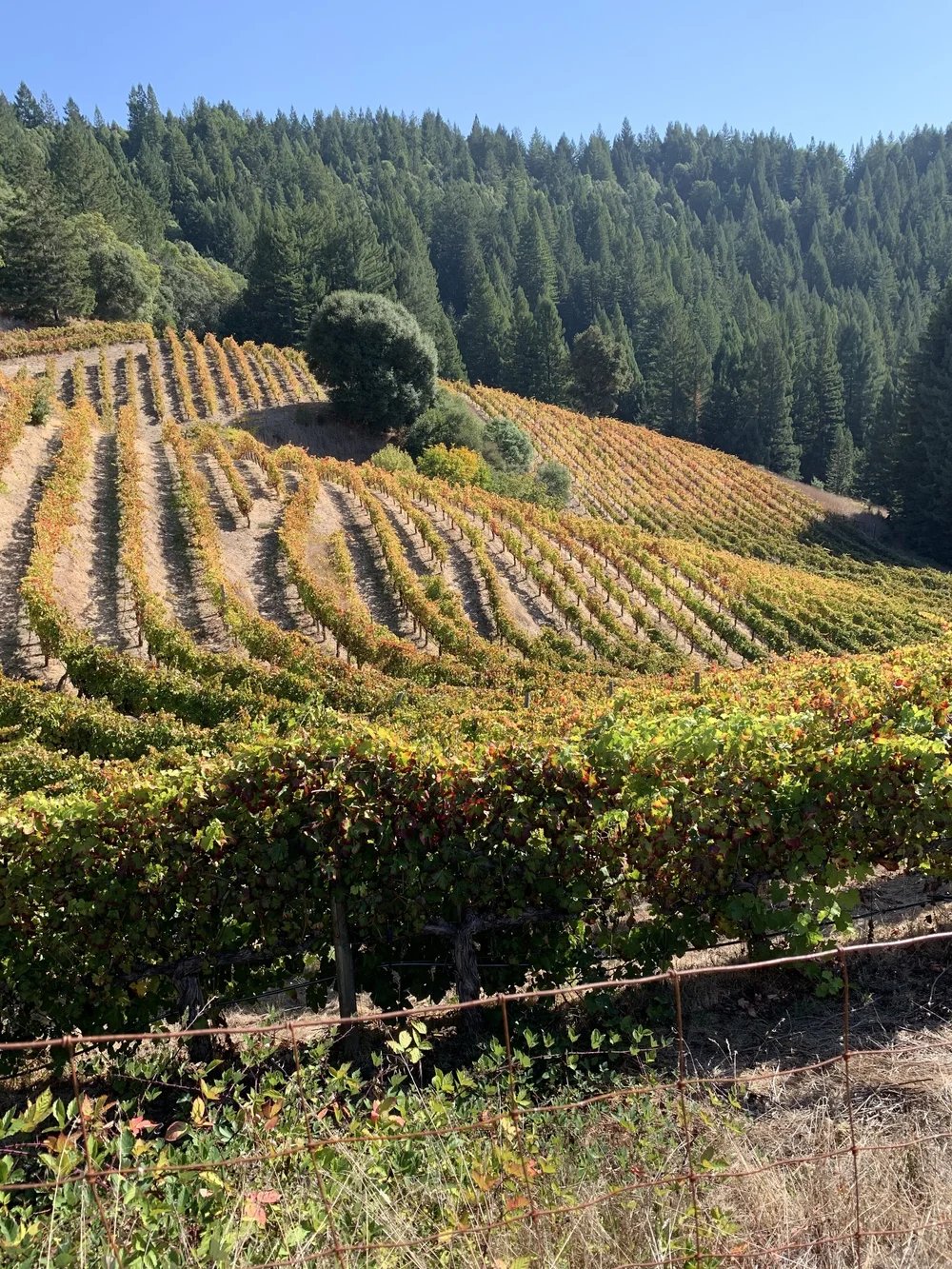
Albertina Wine Cellars presents as a terroir-first, thoughtful Mendocino producer. The profile centers on the region’s unusual thermal rhythm and volcanic-influenced soils, and the writing underscores a methodical approach to growing and winemaking rather than flash. A Pearl 2 Star Prestige rating signals consistent quality and regional relevance, so visits feel geared toward people who want to understand how climate and soil translate into structure, acidity and phenolic balance. The overall tone is serious and considered — a refined spot for tasting and learning rather than a party destination.
Best For
This is a destination for people interested in wine education and close study of site expression. Sommelier-minded visitors, students of viticulture, and explorers who want to compare how diurnal swings and volcanic soils influence flavor will get the most out of a visit. It also suits solo travelers or small groups focused on tasting and conversation, since the narrative emphasizes vineyard-level detail and a producer reputation that rewards attentive sipping and questions about farming and provenance.
Tasting Tips
When tasting Albertina wines, look for estate-designated bottlings and any vineyard-specific cuvées — the profile emphasizes site-driven character. Pay attention to acidity, structural tension and phenolic development described in the copy; those elements are central to the house style. Ask about the Pearl 2 Star Prestige designation and how farming choices and soil types informed each vintage. If comparisons are available, taste adjacent-vineyard or adjacent-vintage selections to hear how diurnal temperature swings and volcanic residue shape the wines.
Venue details
Ambiance
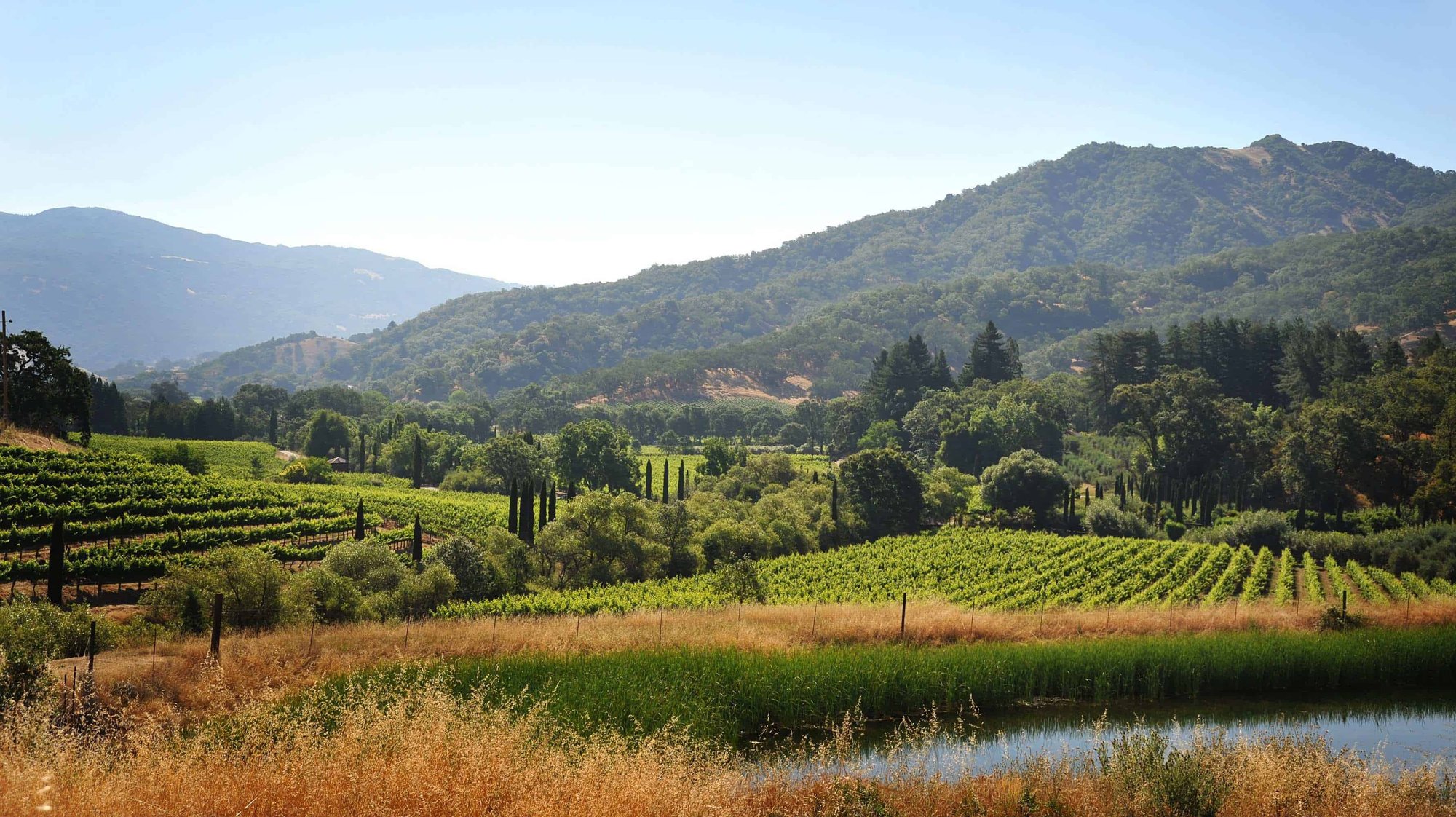
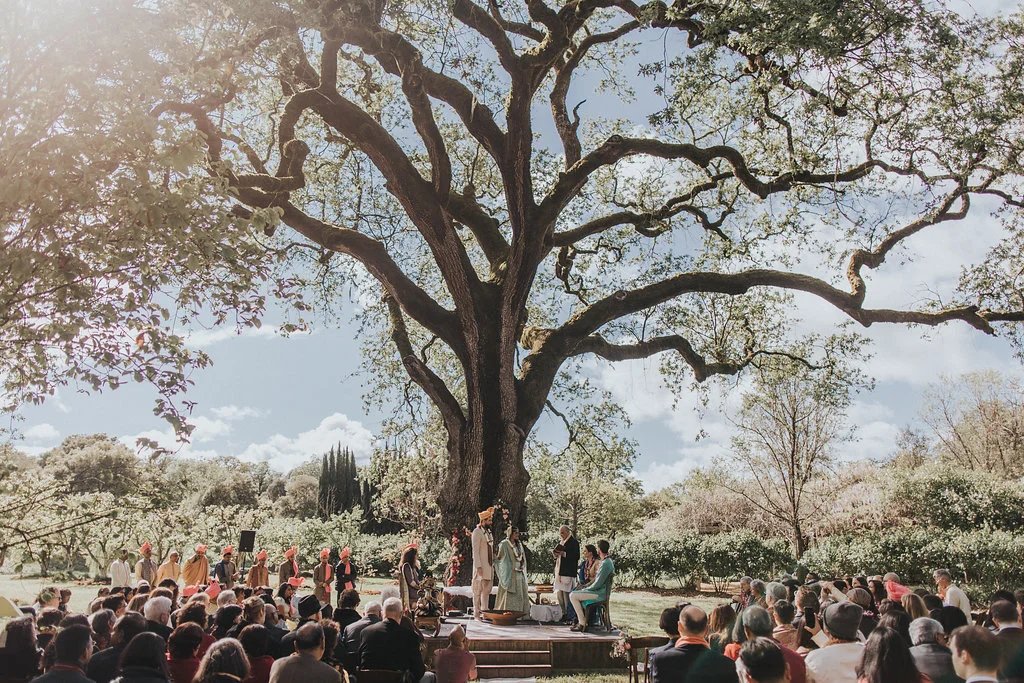
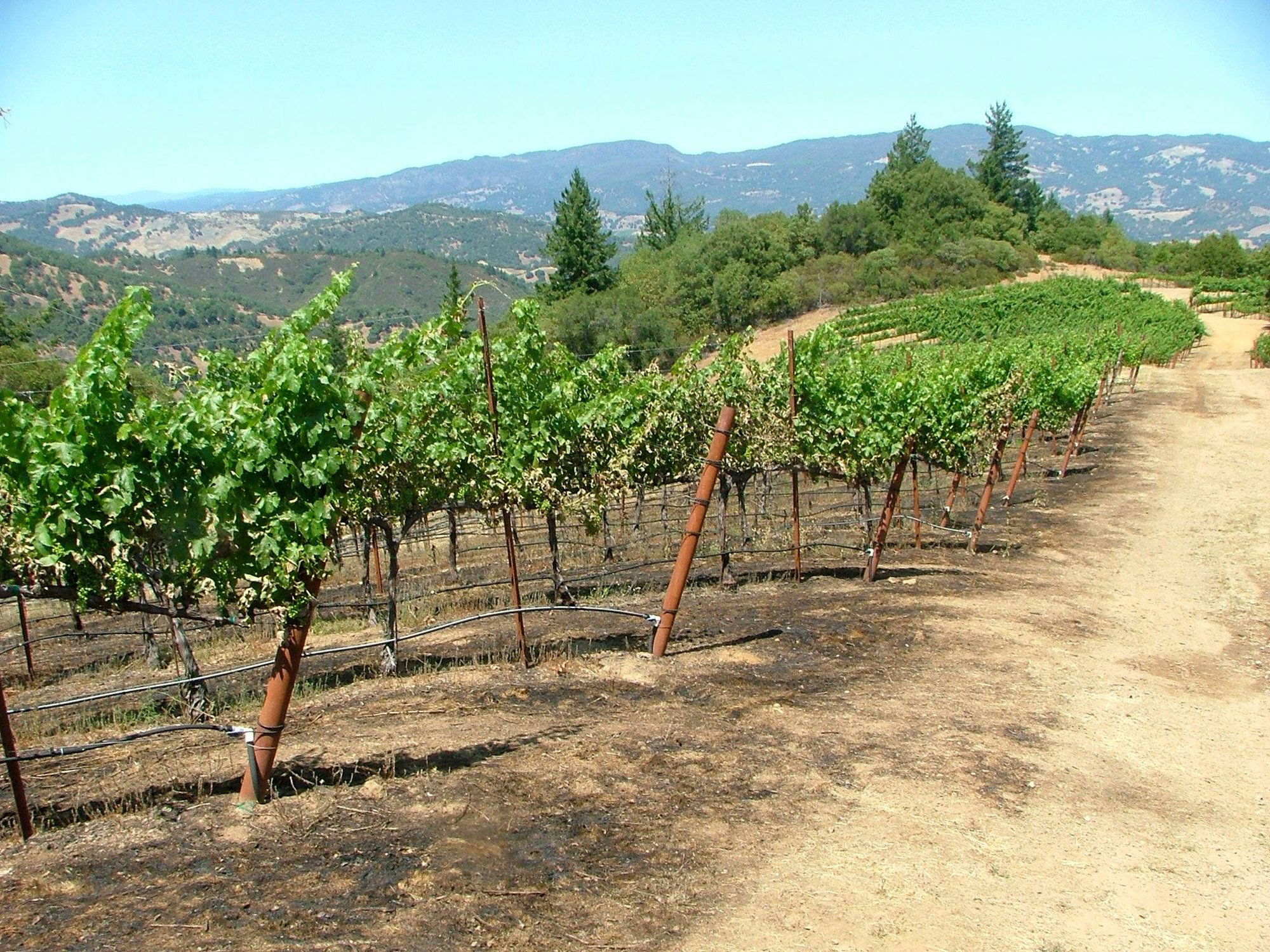
Relaxed rustic atmosphere amid oak-studded knolls and sweeping mountain vistas during vineyard tastings and picnics.
Tags
Vibe
Best For
Experience
View
At the Vineyard
- Appellation
- Mendocino
- Varietals
- Cabernet Sauvignon, Merlot
- Tour Duration
- 60-120 minutes
- Tour Languages
- English
- Visits
- By appointment only
- Production
- Small producer
- Wine Styles
- Still Red
- Wine Club
- Not available
Know before you go
Know Before You Go
- Getting there
- 4601 Co Rd 110, Hopland, CA 95449
Planning details
Location
Also consider
Where to look if this is hard to arrange
If availability is the issue, start with Ettore Winery or Terra Sávia Winery for a Hopland alternative that fits the same wine-country day with fewer planning unknowns.
If the group is open to a wider route, Yorkville Cellars is the more logical cross-shop beyond Hopland.
Winery context
How it compares in Hopland
Albertina Wine Cellars is the more selective choice if the priority is a quieter, less obvious Hopland stop. Topel Winery and Ettore Winery are stronger cross-shops for travelers who want a more conventional winery visit with fewer unknowns around planning.
For value-minded visitors, compare Albertina against Terra Sávia Winery and Milano Family Winery before committing, because clearer access and a more familiar tasting-room setup can matter as much as bottle quality when building a Hopland day. If the trip includes Anderson Valley movement, Yorkville Cellars is the better fit for travelers already heading beyond Hopland rather than staying tightly local.
The recommendation is simple: choose Albertina Wine Cellars for a planned, lower-profile stop; choose Topel Winery, Ettore Winery, Terra Sávia Winery, or Milano Family Winery if the group needs an easier planning path and a more predictable tasting-room experience.
Explore Hopland
Around this place
Discover more on Pearl
Unlock the full Albertina Wine Cellars guide in Pearl, including awards, comparisons, FAQs, planning details, and nearby places.
Compare Albertina Wine Cellars
| Venue | Location | Awards |
|---|---|---|
| Albertina Wine Cellars | Hopland | No published awards |
| Topel Winery | Hopland | No published awards |
| Yorkville Cellars | Yorkville | No published awards |
| Ettore Winery | Hopland | No published awards |
| Terra Sávia Winery | Hopland | No published awards |
| Milano Family Winery | Hopland | No published awards |
How Albertina Wine Cellars Hopland compares with similar nearby venues.
FAQ
Frequently Asked Questions
When is the best time to visit Albertina Wine Cellars?
Albertina Wine Cellars is in Hopland, and the safest planning approach is to confirm current visitor details directly before arranging your day. If you are comparing options, Milano Family Winery is another name to consider.
What other venues should I compare with Albertina Wine Cellars?
Topel Winery, Yorkville Cellars, Ettore Winery, Terra Sávia Winery, and Milano Family Winery are comparison names to consider alongside Albertina Wine Cellars. Use them as reference points when planning an outing, while confirming each venue's current visitor details directly.
Do I need a reservation at Albertina Wine Cellars?
Check directly with Albertina Wine Cellars for reservation requirements, booking policy, availability, and visit format. Albertina Wine Cellars has Pearl 2 Star Prestige recognition for 2025. Terra Sávia Winery is another comparison point if you are weighing venues.
Can Albertina Wine Cellars handle large groups?
If you are planning for a group, confirm group capacity and logistics directly with Albertina Wine Cellars before setting the itinerary. Milano Family Winery is another venue to compare when organizing an outing.