

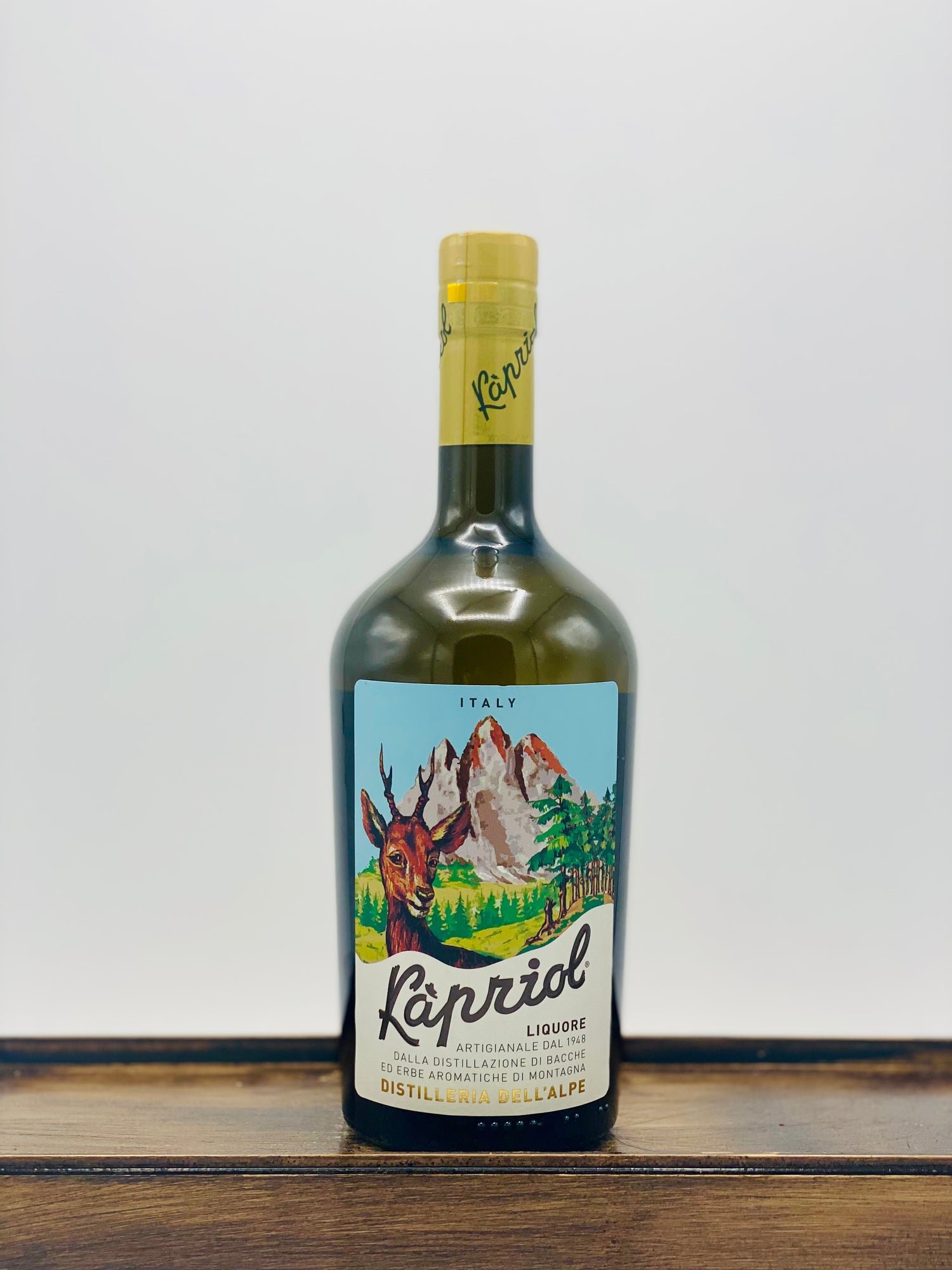
Distilleria Alpe
Hône
Winery in Hône, Italy
 Book with Pearl
The Read
High-Altitude Artisan Distilling
Why go
Distilleria Alpe is worth arranging if you want a focused Valle d'Aosta spirits stop rather than a full wine-tourism day. Treat it as appointment-sensitive and category-specific: strong for curious first-timers interested in local distilling, weaker if you need published menus, food service, or a guaranteed group format.
About Distilleria Alpe
For a first-timer in Hône, Distilleria Alpe is best approached with modest, practical expectations.
That makes the decision simple: consider Distilleria Alpe if you are already planning time in Hône and want to include a recognized venue in a casual itinerary. If you need a tightly scheduled experience, a meal, or a clearly published format, check those details with the venue first. For a broader plan, use other Hône dining and travel resources alongside this listing rather than relying on assumptions.
Worth arranging if you want a recognized Hône stop
Travelers may still need practical details such as booking requirements, tasting structure, food availability, or group suitability before making firm plans. Treat it as a promising Hône stop, not as the sole anchor for an itinerary.
For context, travelers comparing related venue names may also look at Antica Distilleria Quaglia, Carpano, Cocchi, Distilleria La Valdôtaine, or Fratelli Francoli. Use those as broader points of reference rather than assuming the same format, location, or services.
Plan this as a focused stop, not the whole itinerary
The safest planning approach is to keep Distilleria Alpe as one part of a Hône visit. Check any practical needs directly: whether a visit is possible, whether advance booking is required, what is offered, and whether the timing works with the rest of your day.
Avoid assuming details, and plan a backup if your schedule depends on a specific format or service.
Planning details
- Location
- Via Stazione, 48, 11020 Hône AO
- Website
- alpedistilleria.it
- Phone
- +39 0125 803145
The take
The Take
The Vibe
Distilleria Alpe sits squarely within its Alpine landscape: the copy foregrounds Mont Blanc, the Gran Paradiso massif and the steep-walled valley that channels glacial water and concentrated botanicals. The distillery reads like a high-altitude craft operation: small-batch, terroir-driven and attentive to the particularities of an unforgiving landscape. That combination of rugged topography and focused production gives visits a distinctly scenic, contemplative character rather than the feel of a large industrial house. The distillery is artisanal and regionally specific, with an emphasis on place and the sensory imprint of mountain-grown raw materials.
Best For
This is primarily a destination for people interested in the mechanics and geography of craft spirits: students of distillation, curious oenophiles and those drawn to Alpine terroir. The editorial framing emphasizes education and regional distinctiveness, so the distillery works well for small, focused visits that aim to unpack how altitude, thermal variation and glacial water shape fermentation and distillation. Its placement within the smaller tier of limited-batch producers also makes it appropriate for travelers who prefer specialized, context-rich experiences rather than mass-market tastings.
Tasting Tips
Ask about the influence of glacial water and high-altitude botanicals on aromatics and how short growing seasons concentrate flavor. Inquire about current releases and any small-production bottles that speak to local terroir. Focus questions on methods and provenance rather than generic tasting notes to get the most insight from an educational visit.
Venue details
Ambiance
Rustic alpine atmosphere with focus on traditional herbal liqueur production.
Tags
Vibe
Best For
Experience
Sourcing
View
At the Vineyard
- Appellation
- Valle d'Aosta
- Tour Duration
- 60-90 minutes
- Tour Languages
- Italian
- Visits
- By appointment only
- Farming
- Sustainable
- Production
- Small producer
- Wine Club
- Not available
Know before you go
Know Before You Go
- Getting there
- Via Stazione, 48, 11020 Hône AO
Planning details
Location
Also consider
Where to look if you cannot arrange it
Start with Distilleria La Valdôtaine if the goal is staying close to the Valle d'Aosta distillery category. If the trip allows a wider Italian drinks itinerary, compare Antica Distilleria Quaglia for a traditional spirits angle or Cocchi for aperitivo-focused context.
Winery context
How it compares with other producer visits
Distilleria Alpe is the more local, Hône-specific choice, while Distilleria La Valdôtaine is the closest comparison for travelers who want another Valle d'Aosta distillery reference. Choose Distilleria Alpe if the priority is keeping the plan tight around Hône; cross-shop La Valdôtaine if availability or group logistics are the deciding factor.
Fratelli Francoli, Cocchi, and Carpano are better reference points for travelers comparing broader Italian drinks heritage rather than a local Alpine stop. They make more sense if brand recognition and a larger producer context matter more than staying near Hône.
Antica Distilleria Quaglia is the stronger cross-shop for visitors interested in traditional spirits and aperitivo culture. Distilleria Alpe is the practical pick for proximity; Quaglia is the better fit if the trip can absorb extra travel for a wider Piedmont-style producer comparison.
Explore Hône
Around this place
Discover more on Pearl
Unlock the full Distilleria Alpe guide in Pearl, including awards, comparisons, FAQs, planning details, and nearby places.
Compare Distilleria Alpe
| Venue | Location | Awards |
|---|---|---|
| Distilleria Alpe | Hône | No published awards |
| Distilleria La Valdôtaine | Saint-Marcel | No published awards |
| Fratelli Francoli | Ghemme | No published awards |
| Cocchi | Asti | 2026 Falstaff Winery Guide |
| Carpano | Turin | No published awards |
| Antica Distilleria Quaglia | Castelnuovo Don Bosco | No published awards |

How Distilleria Alpe Hône compares with similar nearby venues.
FAQ
Frequently Asked Questions
Can Distilleria Alpe handle large groups?
If you are planning for more than a small party, contact Distilleria Alpe directly before arranging your visit to Hône.
What other venues can I compare with Distilleria Alpe?
For broader comparison, you may also look at Distilleria La Valdôtaine, Fratelli Francoli, Cocchi, Carpano, and Antica Distilleria Quaglia, without assuming they share the same city, format, or services.