Hakushu (Suntory)
Hakushu-cho, Hokuto
Winery in Hokuto, Japan
 Book with Pearl
The Read
Alpine-Terroir Single Malt
Price
$10–20tasting
Why go
Hakushu (Suntory) is worth planning around if Japanese whisky is the focus and access is already secured. It is a quieter, destination-style Hokuto stop, better for serious enthusiasts than casual groups. Wine-led travelers may get more value from nearby winery-focused alternatives, while spirits travelers should cross-shop other Japanese distilleries before committing the day.
About Hakushu (Suntory)
Hakushu (Suntory) is a venue in Hokuto with a smart casual dress code and Pearl 4 Star Prestige recognition for 2025. For hours, pricing, format, booking requirements, group size, specific services, or facilities, plan with the venue directly before building an itinerary around it.
Approach Hakushu (Suntory) as a conservative planning note rather than a full service guide. If you are arranging a day in the area, confirm the practical details first, then fill the rest of the schedule with other Hokuto dining or travel plans as needed, including Hokuto restaurants if you need a separate meal.
Book this for a planned Hokuto stop, not assumed extras
The grounded reasons to keep Hakushu (Suntory) on a shortlist are its Hokuto location, smart casual dress code, and Pearl 4 Star Prestige recognition in 2025. Do not assume hours, pricing, specific services, booking format, group handling, or a specific visit length without checking directly.
For broader trip planning, compare Hakushu (Suntory) naturally with Château Mercian Mariko Winery, Mars Shinshu Distillery, Fuji Gotemba Distillery, Shizuoka, and Chichibu, depending on the kind of itinerary you are trying to organize. Keep geography in mind when comparing options, and confirm current visitor information with each venue directly.
Plan the ambiance around the smart casual dress code
The style guidance is smart casual. Ask the venue about atmosphere, seating, service format, crowd level, and whether the experience is structured or informal if those details matter to your plans.
The verdict: consider Hakushu (Suntory) if you want a Pearl 4 Star Prestige venue in Hokuto and are comfortable confirming the operational details yourself. If your day depends on specific timing, food, accessibility, group requirements, or other services, verify those points before committing.
Planning details
- Location
- 2913-1 Hakushūchō Torihara, Hokuto, Yamanashi 408-0316
- Website
- suntory.co.jp/factory/hakushu
- Phone
- +81 551-35-2211
The take
The Take
The Vibe
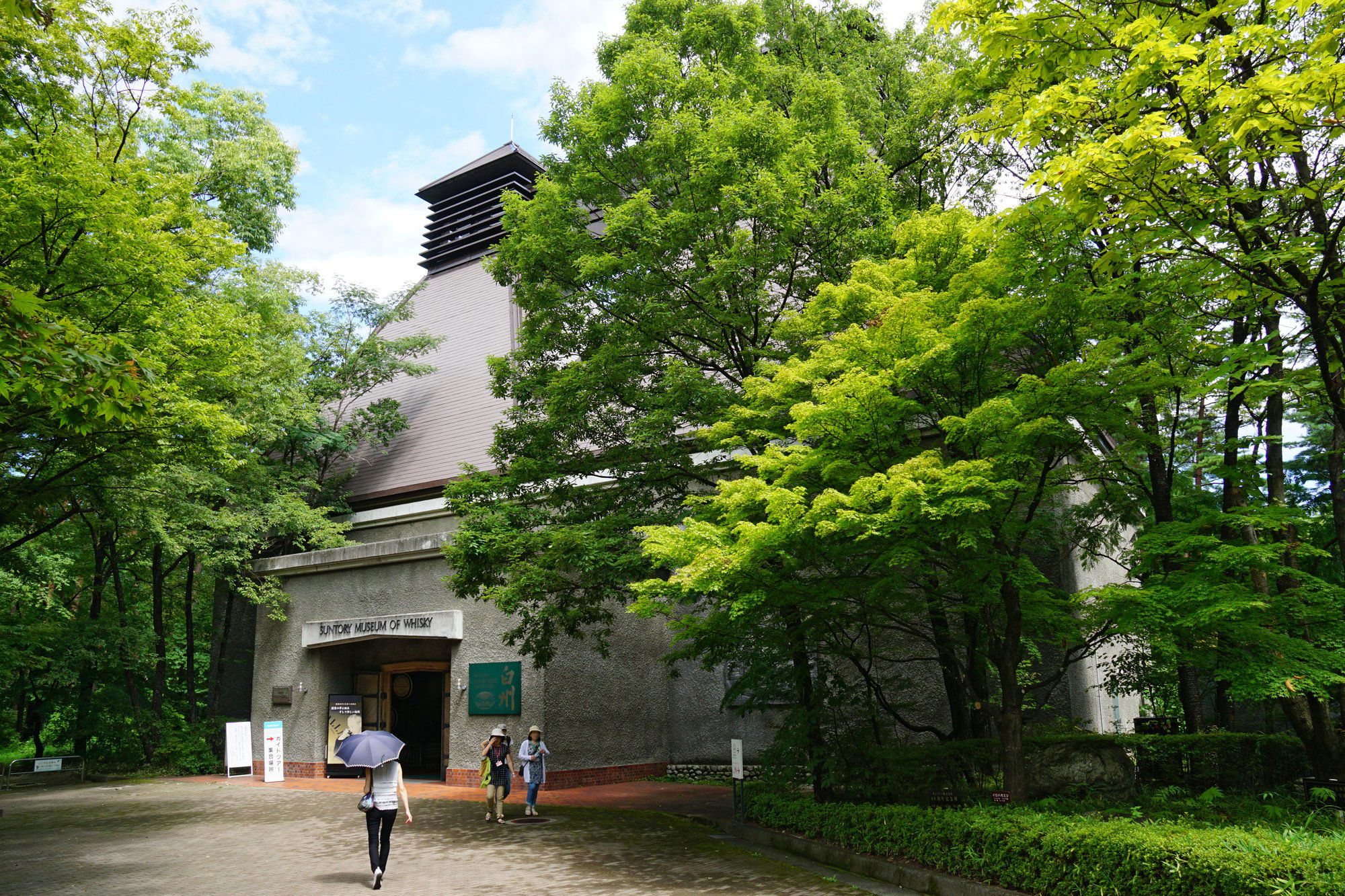
Hakushu presents a measured, contemplative mountain atmosphere defined by altitude and forest. At roughly 700 metres in the Southern Alps, the distillery’s cool air, granite-filtered snowmelt and slow warehouse evaporation create a setting that feels both serene and exacting. The prose frames production as an expression of place, so the site reads less like a flashy visitor attraction and more like a thoughtfully maintained, classic production estate. Visitors encounter calm trails, substantial timbered buildings and the quiet precision of a distillery that treats geography as a core ingredient in its identity.
Best For
Hakushu is best for visitors who want to understand how environment shapes spirit. It excels as an educational destination for whisky enthusiasts and students of production, highlighting how water, temperature and warehouse conditions alter flavor and texture. The site suits solitary explorers who appreciate technical narratives and slow, observational visits, as well as small groups seeking a substantive outing centered on provenance and process. Those expecting a boisterous tasting room will find instead a focused, place-driven experience that privileges context over spectacle.
Tasting Tips
When you visit or taste Hakushu expressions, orient your questions around origin and process: ask how the snowmelt source and granite filtration influence fermentation, and how the cool alpine summers alter maturation and evaporation. If a tour or tasting includes commentary on warehouses or new-make spirit, pay close attention to those details — they’re central to the distillery’s character. Prioritize comparative tastings or notes that highlight house style versus coastal or lowland peers so you can directly hear and feel the effects of mountain terroir.
Venue details
Ambiance
Serene forest atmosphere amidst lush greenery and mountains, with natural light and a peaceful, immersive production environment.
Tags
Vibe
Best For
Experience
View
At the Vineyard
- Appellation
- Yamanashi
- Tour Duration
- 60-90 minutes
- Tour Languages
- Japanese, English
- Visits
- By reservation
- Farming
- Sustainable
- Production
- Large producer
- Food Pairing
- Offered
- Wine Club
- Not available
Know before you go
Know Before You Go
- Getting there
- 2913-1 Hakushūchō Torihara, Hokuto, Yamanashi 408-0316
Planning details
Location
2913-1 Hakushūchō Torihara, Hokuto, Yamanashi 408-0316 · Directions
Also consider
Also Consider
- Mars Shinshu Distillery, Notable alternative
- Château Mercian Mariko Winery, Notable alternative
- Chichibu, Notable alternative
- Fuji Gotemba Distillery, Notable alternative
- Shizuoka, Notable alternative
Winery context
How it compares with other Japanese producer visits
Choose Hakushu (Suntory) over Mars Shinshu Distillery if the priority is a high-demand, destination-style whisky visit in a quieter mountain setting. Mars Shinshu Distillery is the cleaner alternative for travelers building a broader Nagano route, while Hakushu is the stronger pick when the day can revolve around one difficult-to-secure stop.
For wine-focused travelers, Château Mercian Mariko Winery is the more relevant comparison because the visit logic is bottle-led rather than distillery-led. If the goal is to understand Japanese wine, start there. If the goal is Japanese whisky context, Hakushu is more compelling, but only if booking difficulty does not distort the rest of the trip.
Chichibu, Fuji Gotemba Distillery, and Shizuoka are better cross-shops for spirits travelers deciding where to spend limited itinerary time. Fuji Gotemba Distillery is likely the easier fit for travelers already moving through the Fuji area, while Chichibu and Shizuoka make more sense for enthusiasts comparing producer identity across regions. Hakushu is the pick when ambiance and source context matter more than itinerary convenience.
Explore Hokuto
Around this place
Discover more on Pearl
Unlock the full Hakushu (Suntory) guide in Pearl, including awards, comparisons, FAQs, planning details, and nearby places.
Compare Hakushu (Suntory)
| Venue | Location | Awards |
|---|---|---|
| Hakushu (Suntory) | Hokuto | No published awards |
| Mars Shinshu Distillery | Miyada | No published awards |
| Château Mercian Mariko Winery | Nagano | 2025 World's 50 Best Vineyards · #462023 World's 50 Best Vineyards · #382021 World's 50 Best Vineyards · #332020 World's 50 Best Vineyards · #30 |
| Chichibu | Chichibu | No published awards |
| Fuji Gotemba Distillery | Gotemba | No published awards |
| Shizuoka | Shizuoka | No published awards |

How Hakushu (Suntory) in Hokuto compares with similar nearby venues.
FAQ
Frequently Asked Questions
Does Hakushu (Suntory) offer remote purchase or fulfillment options?
Does Hakushu (Suntory) serve food?
If a meal is important, plan separately in Hokuto and confirm current food options before visiting Hakushu (Suntory).
How long should I plan for a visit to Hakushu (Suntory)?
Does Hakushu (Suntory) have a membership program?
Ask the venue directly about any membership program at Hakushu (Suntory) before making plans around it.
What other venues can I compare with Hakushu (Suntory)?
For comparison planning, Château Mercian Mariko Winery, Mars Shinshu Distillery, Fuji Gotemba Distillery, Shizuoka, and Chichibu may be useful references. Confirm location, access, and current visitor details with each venue directly.