

Winery in Härnösand, Sweden
Hernö Gin
500Pearl PointsGin-led stop
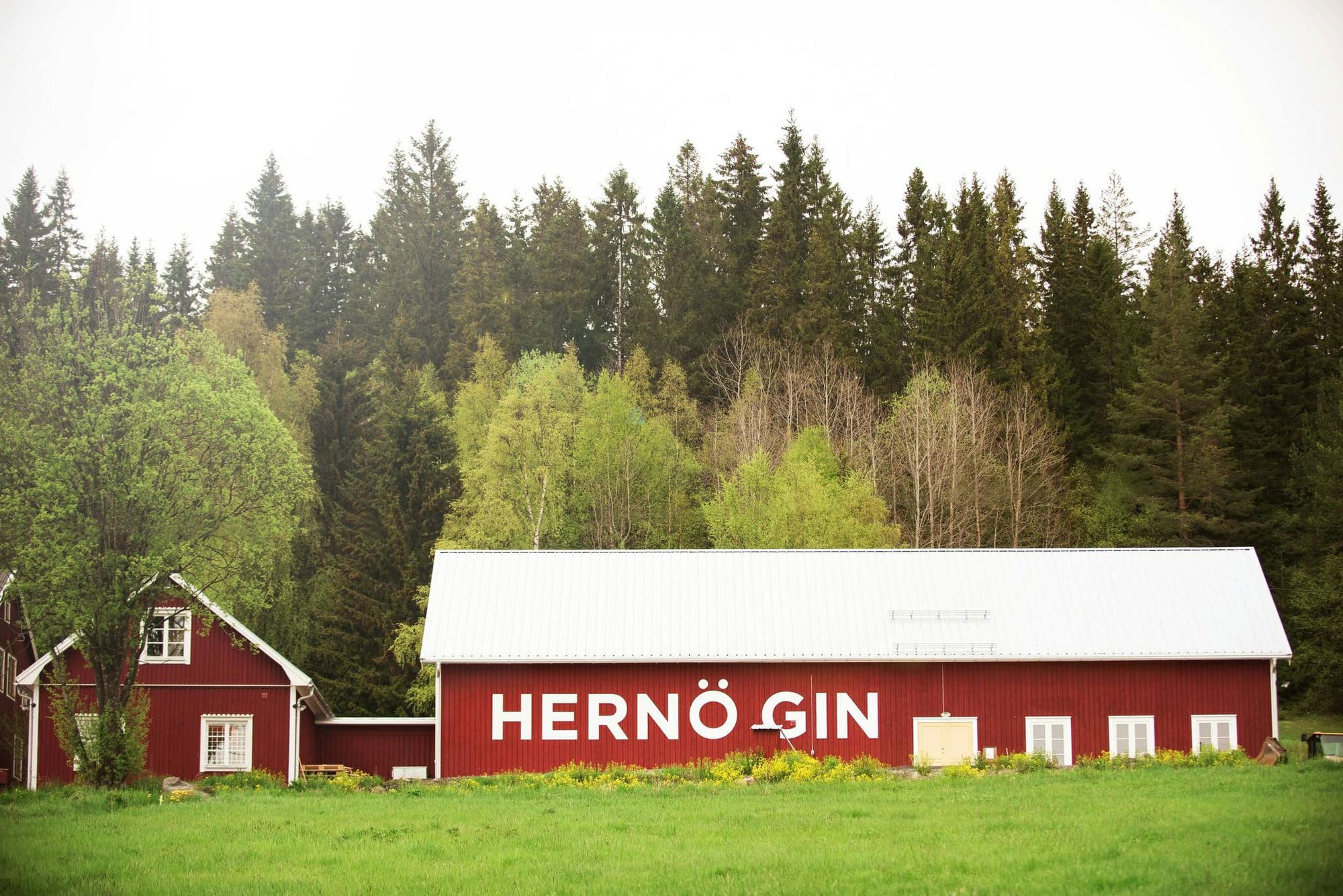
About Hernö Gin
Book Hernö Gin if the goal is a polished spirits-led stop in Härnösand, especially for a date, small celebration, or business guest who will value a specific Swedish gin destination. Do not rely on it as a food-pairing or full-meal plan unless confirmed separately; build dining around the visit instead.
For Hernö Gin in Härnösand, the verified picture is intentionally concise: it is a 2 Star Prestige venue for 2025 with a smart casual dress code. Those two confirmed points are useful, because they establish a level of editorial recognition and a basic expectation for how to dress, but they should not be stretched into broader assumptions. Beyond that, specific details about menus, service format, group handling, reservations, opening hours, pricing, or on-site offerings are not verified here, so plan with those limits in mind. In practical terms, treat the listing as a strong signal of interest rather than a complete visit plan. The venue may sit high on a shortlist because of its confirmed status, but the everyday logistics still need to be checked before you build an occasion, a journey, or a dining schedule around it.
Use Hernö Gin as a shortlist candidate when the confirmed draw is its recognition in Härnösand, not because of any unverified claim about cuisine, tastings, drinks service, or a particular setting. The distinction matters for travelers and local planners alike: recognition can tell you that a venue deserves attention, while verified practical information tells you how to use it. If you are building a wider visit, compare it with other dining in Härnösand generically and confirm practical details directly before committing. That approach keeps expectations aligned with what is actually known, especially if timing, budget, group size, or the nature of the experience will affect the success of the visit. Hernö Gin is best approached with interest and care: note the confirmed prestige, respect the smart casual guidance, leave the rest to direct confirmation rather than assumption.
Choose it for confirmed recognition, with practical details checked ahead
The strongest verified reason to consider Hernö Gin is direct: 2 Star Prestige recognition in 2025, paired with a smart casual dress code. That gives the venue a clear premium signal, but it does not verify a specific menu, beverage program, price point, seating setup, or reservation policy. For Pearl readers, that makes Hernö Gin a venue to flag for its confirmed standing rather than to categorize too narrowly. A 2 Star Prestige designation is enough to justify attention within Härnösand, yet it should be read alongside the absence of confirmed operational detail here. The smart casual dress code offers one practical anchor, suggesting that guests should avoid treating the visit as entirely informal, but it does not answer questions about what will be served, how service is arranged, whether groups are accommodated, or how far in advance plans should be made.
Cross-shopping should stay equally careful. Mackmyra, Smögen, Kyrö Distillery Company can be useful reference points for readers comparing Nordic venues, while other Härnösand dining rooms may help round out a local itinerary. Do not assume that any comparison confirms the same services, format, or practical arrangements at Hernö Gin. Instead, use those names as broad contextual markers when thinking about the kind of venues that may appear on a Nordic shortlist, then return to Hernö Gin's own verified information before making decisions. If your plans depend on a particular dining format, an exact schedule, a defined spend, or a specific on-site experience, those details should be confirmed directly. The safest recommendation is therefore measured but positive: consider Hernö Gin for its 2025 2 Star Prestige recognition in Härnösand, dress smart casual, make any final commitment only after checking the practical information that is not established in this listing.
Frequently Asked Questions
Does Hernö Gin offer shipping or delivery?
There is no verified information here confirming shipping, retail, or delivery details at Hernö Gin in Härnösand. Treat those services as unconfirmed unless the venue confirms them directly.
Does Hernö Gin serve food?
There is no verified cuisine, menu, or dining-service detail for Hernö Gin in Härnösand in the available venue data. If food is important to your visit, confirm directly before planning around it.
Can Hernö Gin handle large groups?
Group capacity and group booking details are not verified here. For a larger party, contact Hernö Gin directly rather than assuming a particular format or capacity.
Are memberships or clubs available at Hernö Gin?
There is no verified membership or club information for Hernö Gin in Härnösand. The confirmed details are its 2 Star Prestige recognition for 2025 and smart casual dress code.
Do I need a reservation at Hernö Gin?
Reservation requirements are not verified here. Because only limited practical details are confirmed, check directly with Hernö Gin before visiting.
Location
Kanaludden 2, 871 31 Härnösand
Härnösand, Sweden
Compare Hernö Gin
| Venue | Location | Awards |
|---|---|---|
| Hernö Gin | Härnösand | Pearl 2 Star Prestige (2025) |
| Kyrö Distillery Company | Isokyrö | , |
| Mackmyra | Gävle | , |
| Smögen | Hunnebostrand | , |
How Hernö Gin Härnösand compares with similar nearby venues.
If Hernö Gin is not workable, cross-shop Mackmyra for a whisky-led alternative or Kyrö Distillery Company for a broader Nordic distillery plan. Choose Smögen when the trip is already pulling toward the west coast.
Compared with Kyrö Distillery Company, Hernö Gin is the clearer pick for readers already routing through Härnösand and wanting a gin-specific stop. Kyrö is the stronger cross-shop if the itinerary is built around a broader Nordic distillery trip rather than a single-city plan.
Mackmyra is the better choice when whisky is the reason for the booking; Hernö Gin makes more sense for a lighter, gin-led occasion. For a celebration, choose based on the guest's drink preference first, then location.
Smögen is the stronger fit for a west-coast spirits detour, while Hernö Gin works better as a compact Härnösand anchor. If availability is tight, cross-shop all three early rather than treating one as a guaranteed fallback.
Explore Härnösand
Save or rate Hernö Gin on Pearl
Keep this venue in your Pearl passport, rate it after you visit, and track it alongside every other place you collect.