Szőke Mátyás Winery
Gyöngyös
Winery in Gyöngyös, Hungary
 Book with Pearl
The Read
Volcanic Foothills Cellar-Direct
Why go
Szőke Mátyás Winery is worth prioritising for a planned Mátra wine stop when the goal is serious bottle assessment rather than a casual drop-in. It suits couples, collectors, and small celebration groups who want the winery to anchor the outing; larger or looser groups should compare easier regional options first.
About Szőke Mátyás Winery
Treat that as a quality marker for the venue.
A Gyöngyös winery visit for guests who want to plan carefully
Hours, reservation rules, group arrangements, food service, shipping, or a specific visit format are not established, so avoid assuming a walk-in tasting, a full hospitality program, or a meal-led experience.
If you are comparing winery options, keep Szőke Mátyás Winery in mind alongside Demeter Csaba Winery, Gál Tibor Winery, Juhász Winery, Kovács Nimród Winery, and St. Andrea Winery. For other dining in Gyöngyös, use unnamed local options generically rather than treating them as direct substitutes for a winery visit.
How to think about visit planning
With limited detail available, the practical approach is to ask the winery directly about current availability, possible visit arrangements, and purchase options before you go. Do not rely on assumed cuvées, shipping policies, membership terms, pricing, or visit length unless the venue confirms them.
Planning details
- Location
- Gyöngyöstarján, Széchenyi István u. 72, 3036
- Website
- szokematyas.hu
- Phone
- +36 30 549 4417
The take
The Take
The Vibe
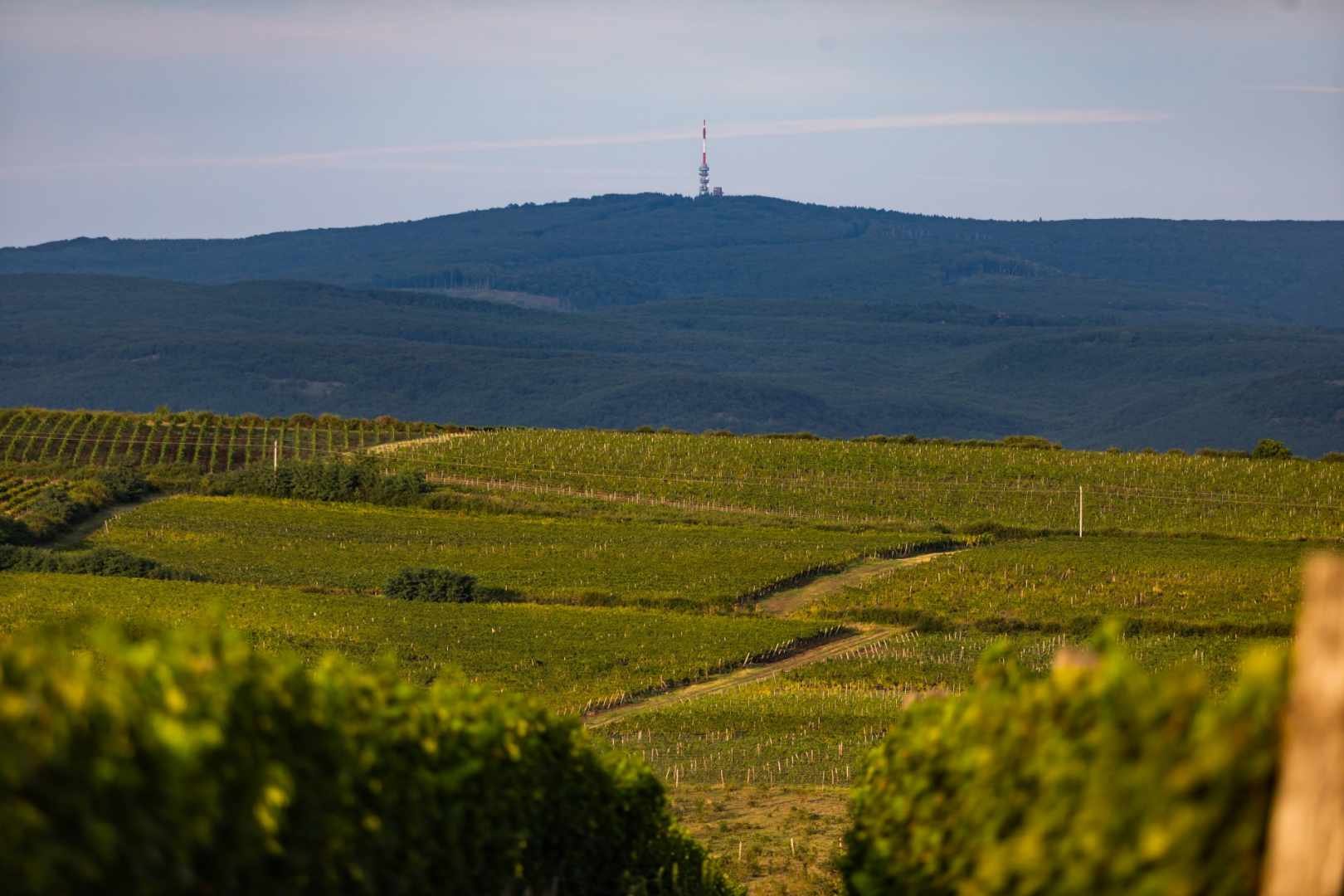
Szőke Mátyás Winery sits quietly in a Mátra foothills village, delivering a rustic, scenic experience that leans toward a hidden‑gem sensibility. Cooler elevations, volcanic and loess soils, and a production culture shaped for domestic life define the winery. That combination gives the place an unassuming, terroir‑forward character: landscape and geology feel like the point of arrival, not flash. Visitors should expect modest, landscape‑driven charm rather than polished tourism trappings: an authentic regional winery where viticulture and place take center stage.
Best For
This winery is best for people who want to dig into regional terroir and enjoy low‑key discovery. The Mátra hills are an educational landscape, with cooler sites that preserve acidity and a patchwork of volcanic and loess soils, making the winery well suited to wine-study visits and solo exploration. Travelers looking for quiet, attentive tasting focused on place rather than spectacle will find the setting appropriate. It also works for visitors who prefer smaller, less touristy operations and want to experience Hungarian viticulture off the main export routes.
Tasting Tips
When you visit or inquire, steer the conversation toward site specificity: ask which parcels or soils contributed to the wines and which bottlings best showcase the Mátra's rhyolite and loess influences. Request tastings that let you compare expressions that illustrate that freshness. If available, prioritize single‑site or single‑varietal examples to understand how micro‑sites differ across the foothills. Framing questions around terroir and vintage expression will yield the most revealing pours.
Venue details
Ambiance
Cozy and rustic atmosphere in a traditional Hungarian wine cellar amid scenic mountain vineyards.
Tags
Vibe
Best For
Experience
View
At the Vineyard
- Appellation
- Mátra
- Varietals
- Irsai Olivér, Merlot, Cabernet Franc, Sárga Muskotály
- Tour Duration
- 60-90 minutes
- Visits
- By reservation
- Wine Styles
- Still White, Still Red
- Wine Club
- Not available
Know before you go
Know Before You Go
- Getting there
- Gyöngyöstarján, Széchenyi István u. 72, 3036
Planning details
Location
Also consider
Also Consider
- St. Andrea Winery, Notable alternative
- Juhász Winery, Notable alternative
- Kovács Nimród Winery, Notable alternative
- Gál Tibor Winery, Notable alternative
- Demeter Csaba Winery, Notable alternative
Winery context
How It Compares
Szőke Mátyás Winery is the pick for a focused Mátra visit when securing the right bottle matters more than convenience. Against St. Andrea Winery and Kovács Nimród Winery, it reads as the more specific choice for travelers already set on Gyöngyös or Gyöngyöstarján rather than a broader Eger-area itinerary.
If booking friction is the deciding factor, compare it closely with Juhász Winery, Gál Tibor Winery, and Demeter Csaba Winery. Those peers may fit travelers who want a simpler Eger-focused wine day, while Szőke Mátyás Winery is better for a celebration or buying-led visit where the extra planning has a clear payoff.
For ambiance, choose based on the day you want: a destination-feeling Mátra stop here, or a more conventional Eger circuit with St. Andrea Winery, Gál Tibor Winery, Juhász Winery, Kovács Nimród Winery, or Demeter Csaba Winery. Value is strongest when the visit leads to bottles you would buy again, not when the goal is the easiest tasting slot.
Explore Gyöngyös
Around this place
Discover more on Pearl
Unlock the full Szőke Mátyás Winery guide in Pearl, including awards, comparisons, FAQs, planning details, and nearby places.
Compare Szőke Mátyás Winery
| Venue | Location | Awards |
|---|---|---|
| Szőke Mátyás Winery | Gyöngyös | No published awards |
| St. Andrea Winery | Egerszalók | 2026 Falstaff Winery Guide |
| Juhász Winery | Eger | No published awards |
| Kovács Nimród Winery | Eger | 2026 Falstaff Winery Guide |
| Gál Tibor Winery | Eger | No published awards |
| Demeter Csaba Winery | Eger | No published awards |

How Szőke Mátyás Winery Gyöngyös compares with similar nearby venues.
FAQ
Frequently Asked Questions
What other wineries can I compare with Szőke Mátyás Winery?
For comparison planning, consider St. Andrea Winery, Juhász Winery, Kovács Nimród Winery, Gál Tibor Winery, and Demeter Csaba Winery. Szőke Mátyás Winery itself is in Gyöngyös.
Are ongoing purchase options available at Szőke Mátyás Winery?
Ongoing purchase arrangements are not available.
How long should I plan for a visit to Szőke Mátyás Winery?
A specific visit length is not established. Confirm the expected format and timing with the winery before planning the rest of your day.
Can Szőke Mátyás Winery handle large groups?
Large-group arrangements are not established. Contact Szőke Mátyás Winery directly before bringing a group.