
Weingut Moric (Roland Velich)
Großhöflein
Winery in Großhöflein, Austria
 Book with Pearl
The Read
Single-Village Blaufränkisch Precision
Why go
A serious Großhöflein winery pick for travelers who want a focused, plan-ahead tasting rather than an easy drop-in stop. Prioritize a private or upgraded format if available; otherwise compare against Weingut Kollwentz for a same-village alternative or Esterházy Winery for a broader visitor experience.
About Weingut Moric (Roland Velich)
Weingut Moric (Roland Velich) is a venue in Großhöflein with Pearl 2 Star Prestige recognition for 2025. Plan ahead by confirming current arrangements directly with the venue before making it the center of a day.
Dress code is smart casual. For details about food, pricing, hours, reservations, visitor access, or service format, contact the venue directly before you go.
Choose it for a carefully planned Großhöflein stop
Weingut Moric (Roland Velich) is best approached as a plan-ahead venue rather than an assumption-based stop. If you are comparing options, consider it alongside Esterházy Winery, Weingut Kollwentz, Weingut Prieler, Gut Oggau Winery, and Abfindungsbrennerei Franz, then confirm the latest details with each venue directly.
The main signals are simple: Großhöflein location, smart casual dress code, and Pearl 2 Star Prestige recognition in 2025. Avoid relying on assumptions about menu style, tasting format, availability, or service setup.
Who should put this on a route
Put Weingut Moric (Roland Velich) on the shortlist if you are specifically looking for a Großhöflein venue and are comfortable checking current arrangements before you go. Use broader Großhöflein guides to compare the rest of the day, including dining, hotels, bars, and experiences where relevant.
Before committing to timing, confirm whether visits are possible, what format is available, and whether any booking requirements apply. If you are building alternatives, Weingut Prieler, Gut Oggau Winery, Weingut Kollwentz, Esterházy Winery, and Abfindungsbrennerei Franz are natural names to compare without assuming they offer the same experience.
Planning details
- Location
- Kirchengasse 3, 7051 Großhöflein
- Website
- moric.at
- Phone
- +43 664 4003231
The take
The Take
The Vibe
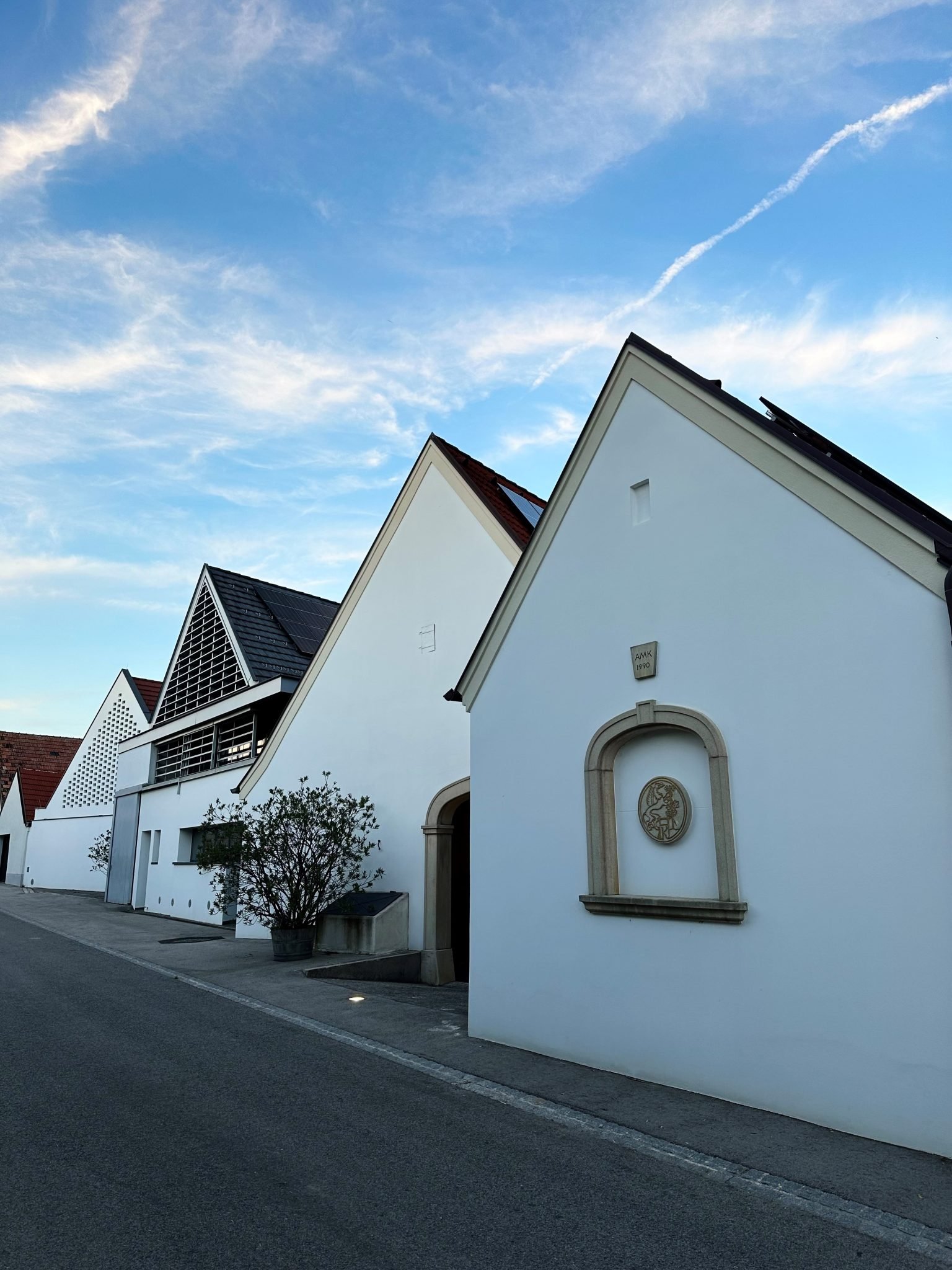
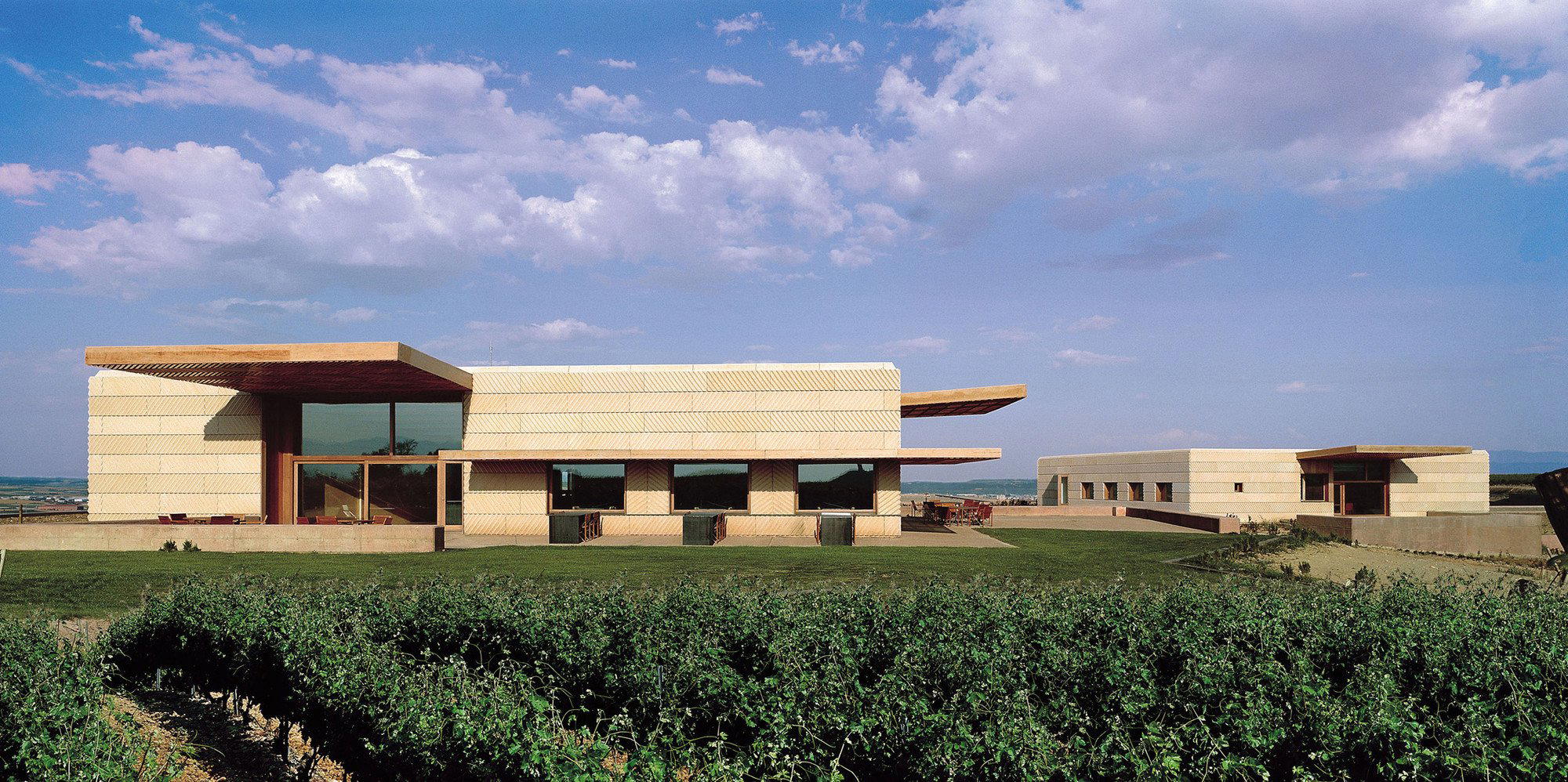
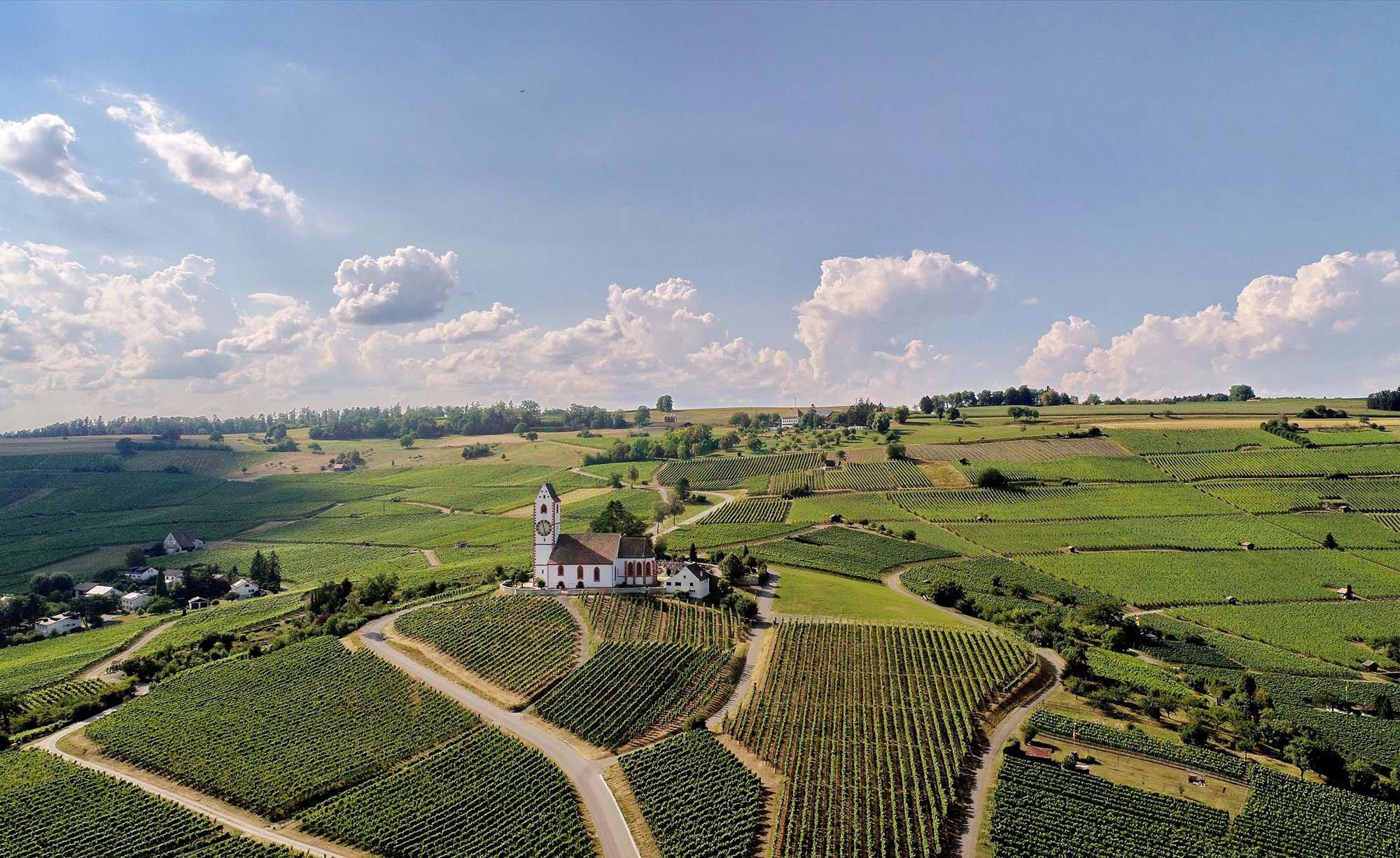
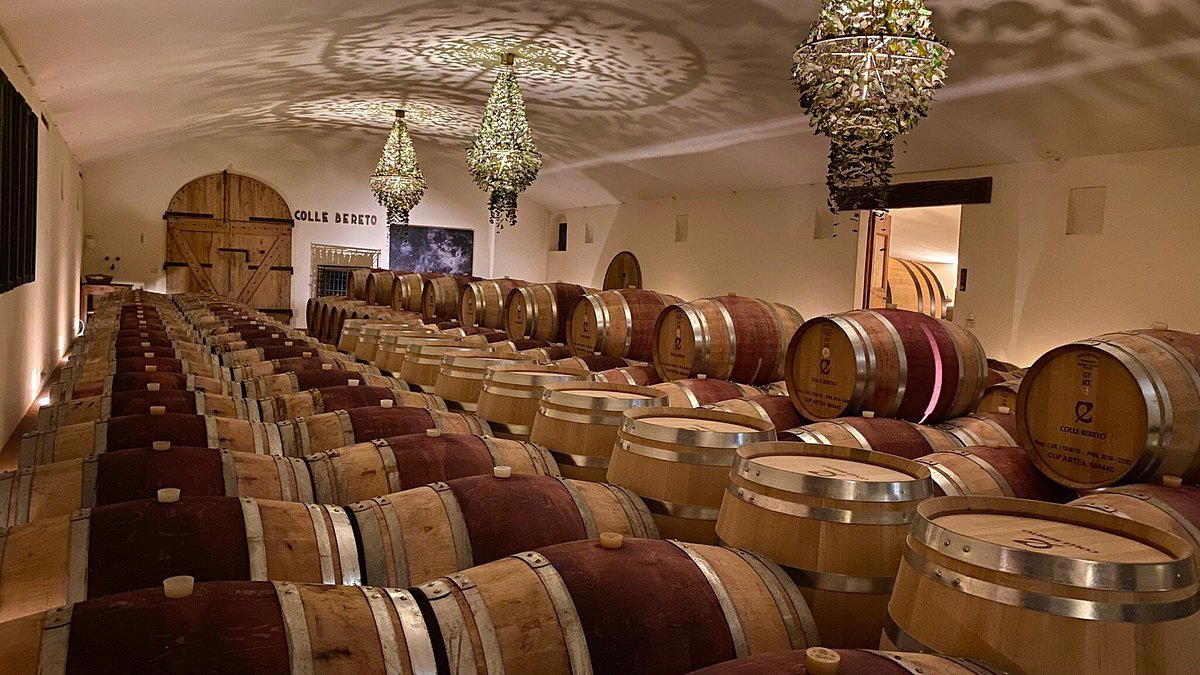
Weingut Moric sits modestly within the village of Großhöflein, projecting a quiet, highly focused presence rather than tourist-facing spectacle. The writing emphasises a long regional history and an unostentatious tasting address — a place collectors and committed wine lovers seek out. The winery’s approach to Blaufränkisch is rigorous and site-driven, so the overall mood feels both historic and sophisticated: understated rooms, serious wines and an atmosphere that rewards attention rather than showmanship.
Best For
Moric is best for visitors who prioritize learning and depth over casual tasting. It suits people interested in Blaufränkisch’s terroir expression — serious collectors, wine-education seekers and solo explorers who relish focused, appointment-style encounters. The producer’s reputation for restraint and site transparency also makes it appropriate for special-occasion purchases: bottles meant for cellaring or considered drinking with knowledgeable companions.
Tasting Tips
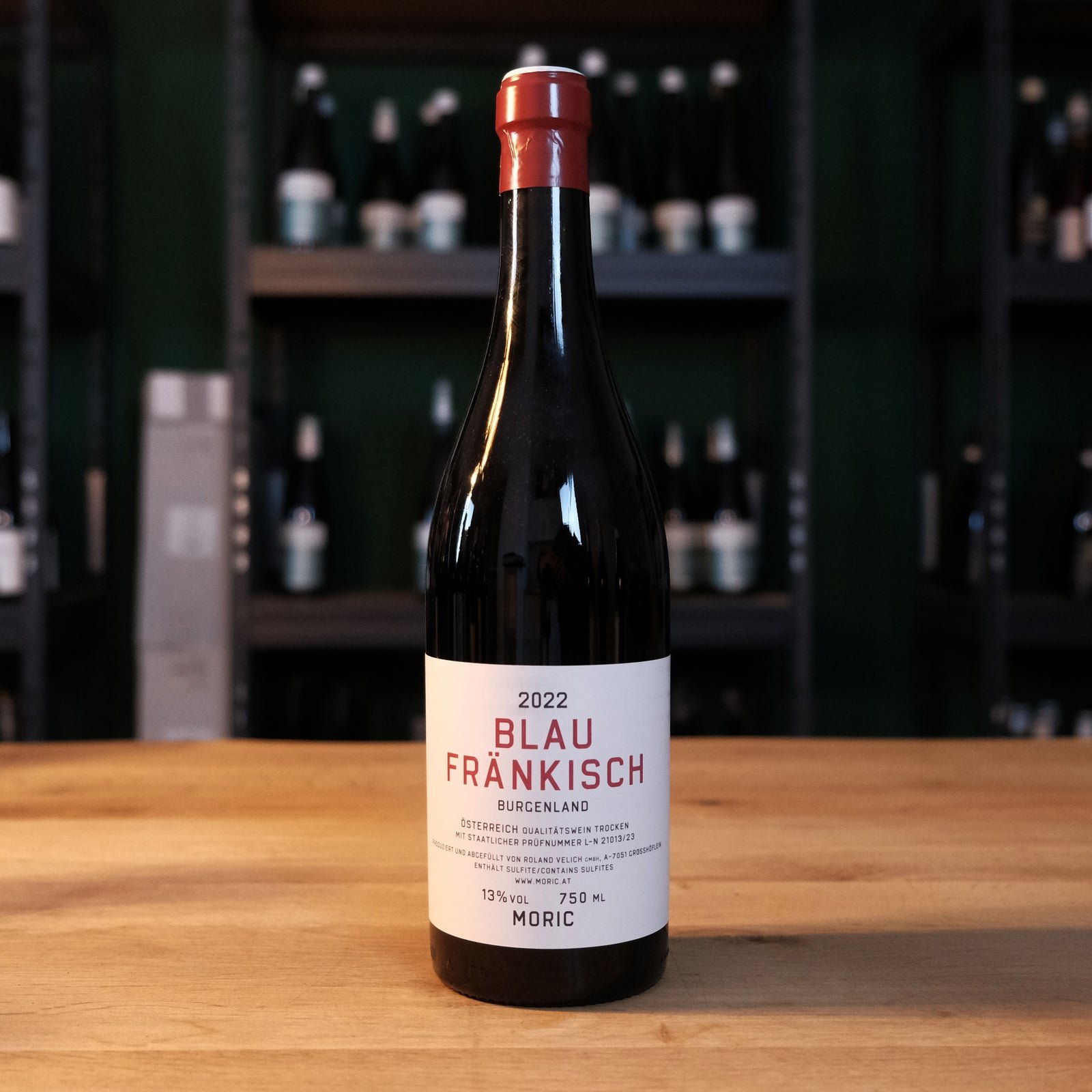
When tasting or buying at Moric, concentrate on the Blaufränkisch lineup and any site-specific bottlings; the estate prioritises site transparency over extraction or heavy new oak. Expect wines that show structure, mineral precision and ageing potential rather than overt fruit or obvious oak signatures. Given the understated, non-touristy setting, plan a focused visit — come prepared to taste deliberately and ask about vineyard sources and vintage differences to understand the site-driven distinctions that define these wines.
Venue details
Ambiance
Elegant and refined atmosphere focused on precise, mineral-driven wines reflecting their origin.
Tags
Vibe
Best For
Experience
Sourcing
View
At the Vineyard
- Appellation
- Burgenland
- Varietals
- Blaufränkisch, Grüner Veltliner
- Tour Duration
- 60-90 minutes
- Tour Languages
- German, English
- Visits
- By appointment only
- Farming
- Natural wine
- Production
- Small producer
- Wine Styles
- Still Red
- Wine Club
- Available
Know before you go
Know Before You Go
- Getting there
- Kirchengasse 3, 7051 Großhöflein
Planning details
Location
Recognition and awards

Also consider
Also Consider
- Weingut Kollwentz, Notable alternative
- Esterházy Winery, Notable alternative
- Weingut Prieler, Notable alternative
- Abfindungsbrennerei Franz, Notable alternative
- Gut Oggau Winery, Notable alternative
Winery context
How It Compares
Choose Weingut Moric (Roland Velich) over Weingut Kollwentz if the priority is a more specialist, appointment-led wine experience. Kollwentz is the more obvious Großhöflein peer for travelers who want a classic local comparison, while Moric is the stronger call for depth-focused wine people who are comfortable planning around access.
Esterházy Winery is the safer pick for a broader visitor day, especially if the group includes people less interested in a serious tasting. Weingut Prieler and Gut Oggau Winery make more sense as route-based alternatives when availability or geography makes Großhöflein awkward.
For value, Moric is worth the effort when the tasting itself is the centerpiece. If the goal is simply an enjoyable drinks stop with less winery focus, Abfindungsbrennerei Franz is the more practical detour. For ambiance, pick based on intent: Moric for concentration, Esterházy for a larger-format visit, Kollwentz for a direct Großhöflein comparison.
Explore Großhöflein
Around this place
Discover more on Pearl
Unlock the full Weingut Moric (Roland Velich) guide in Pearl, including awards, comparisons, FAQs, planning details, and nearby places.
Compare Weingut Moric (Roland Velich)
| Venue | Location | Awards |
|---|---|---|
| Weingut Moric (Roland Velich) | Großhöflein | 2026 Falstaff Winery Guide |
| Weingut Kollwentz | Großhöflein | 2026 Falstaff Winery Guide |
| Esterházy Winery | Trausdorf | 2026 Falstaff Winery Guide |
| Weingut Prieler | Schützen | 2026 Falstaff Winery Guide |
| Abfindungsbrennerei Franz | Leithaprodersdorf | No published awards |
| Gut Oggau Winery | Oggau | 2026 Falstaff Winery Guide |
How Weingut Moric (Roland Velich) compares with similar nearby venues.
FAQ
Frequently Asked Questions
How long should I plan for a visit to Weingut Moric (Roland Velich)?
Plan your timing by checking directly with the venue before traveling to Großhöflein. The dress code is smart casual, and the venue holds Pearl 2 Star Prestige recognition for 2025.
What is Weingut Moric (Roland Velich) known for in this guide?
Weingut Moric (Roland Velich) is a Großhöflein venue with a smart casual dress code and Pearl 2 Star Prestige recognition for 2025.
When is the best time to visit Weingut Moric (Roland Velich)?
Are there membership or access details for Weingut Moric (Roland Velich)?
Do I need a reservation at Weingut Moric (Roland Velich)?
Does Weingut Moric (Roland Velich) serve food?
For current food-service details, check directly with the venue. Weingut Moric (Roland Velich) is in Großhöflein, the dress code is smart casual, and it holds Pearl 2 Star Prestige recognition for 2025.