Horton Vineyards
Gordonsville
Winery in Gordonsville, United States
 Book with Pearl
The Read
Piedmont Varietal Conviction
Why go
Horton Vineyards is worth prioritizing for a serious Gordonsville wine itinerary, especially if the goal is to taste before buying or shipping. Treat it as a planned appointment rather than a casual backup, since booking difficulty is high and food details are not verified.
About Horton Vineyards
Horton Vineyards is a Gordonsville venue with Pearl 3 Star Prestige recognition for 2025. Horton Vineyards is in Gordonsville, has a casual dress code, and carries 2025 Pearl 3 Star Prestige recognition. Plan with that in mind, and avoid assuming specific food service, beverages, pricing, hours, group capacity, or reservation requirements unless you confirm them directly with the venue.
The practical call is simple: treat Horton Vineyards as a planned stop in Gordonsville rather than building an itinerary around assumed specifics. For a date, anniversary, or small hosting moment, the strongest planning signal is the recognition, while the casual dress code keeps the visit from needing formal attire. If timing or group logistics matter, verify those details before finalizing the day.
Use this as a recognized Gordonsville stop, then build the day around confirmed plans
Horton Vineyards belongs in a Gordonsville plan, but do not assume a restaurant-style meal, a specific menu, a named product, or a service format. That means it should not be treated as the meal anchor unless those details are confirmed through the venue before committing a group. For the surrounding day, use current local planning resources and confirm each stop directly rather than relying on assumptions.
For visitors comparing options, the smarter question is not whether the visit sounds appealing; it is whether the current offering fits the occasion. The Pearl 3 Star Prestige recognition supports taking Horton Vineyards seriously, but specific items, prices, and purchase formats should be checked directly with the venue. Keep the plan flexible, ask the venue what is currently available, and make decisions based on the experience offered that day.
How to cross-shop the visit before committing
If the group wants to compare recognized regional options, consider Horton Vineyards alongside Barboursville Vineyards, Keswick Vineyards, and Early Mountain Vineyards. Castle Hill Cider is another regional option to consider. Chestnut Oak Vineyard can also be part of a comparison set.
The useful filter is direct: choose Horton Vineyards when a Gordonsville stop with Pearl 3 Star Prestige recognition and casual dress fits the plan. Choose another option when your group needs a specific service, food format, schedule, or group setup that should be checked directly with Horton Vineyards before committing.
Planning details
- Location
- 6399 Spotswood Trail, Gordonsville, VA 22942
- Website
- hortonwine.com
- Phone
- +1 540-832-7440
The take
The Take
The Vibe
Horton Vineyards reads like a purposeful, terroir-driven estate. The copy leans into the Piedmont landscape—rolling farmland, clay-rich soils and diurnal temperature swings—to explain why the wines feel structured and precise. A recent Pearl 3 Star Prestige rating frames the operation as one that has graduated from regional curiosity to serious national conversation, so the overall impression is measured and sophisticated rather than flashy. The tasting-room approach is rural and focused: visitors arrive via country roads and encounter a property grounded in geology and technique, where the wine’s structure and acidity are the chief talking points.
Best For
This is a tasting-room stop for people focused on learning how place shapes wine. The write-up centers on soil, altitude and diurnal temperature swings, positioning Horton as ideal for wine-education minded visitors and independent explorers who want to trace Virginia’s Piedmont signature. The Pearl rating also signals that the crowd includes discerning drinkers and those interested in comparative tasting—visitors who want to assess regional character rather than just seek a casual outing. The setting along Spotswood Trail further suits solo visits or small groups intent on a thoughtful tasting experience.
Tasting Tips
When tasting at Horton, orient your flight around structure and acidity—the copy repeatedly flags acid retention and terroir-driven character as defining signals. Ask staff about how the clay-heavy, schist- and granite-influenced soils and the site’s altitude influence individual wines and vintages. Given the emphasis on regional identity and a recent Pearl rating, request context on vintages and any cellar or vineyard-designate bottlings available so you can compare how the site’s character shows up across years. Approach the tasting with patience; the story here is about place and structure rather than immediate, obvious fruit.
Venue details
Ambiance
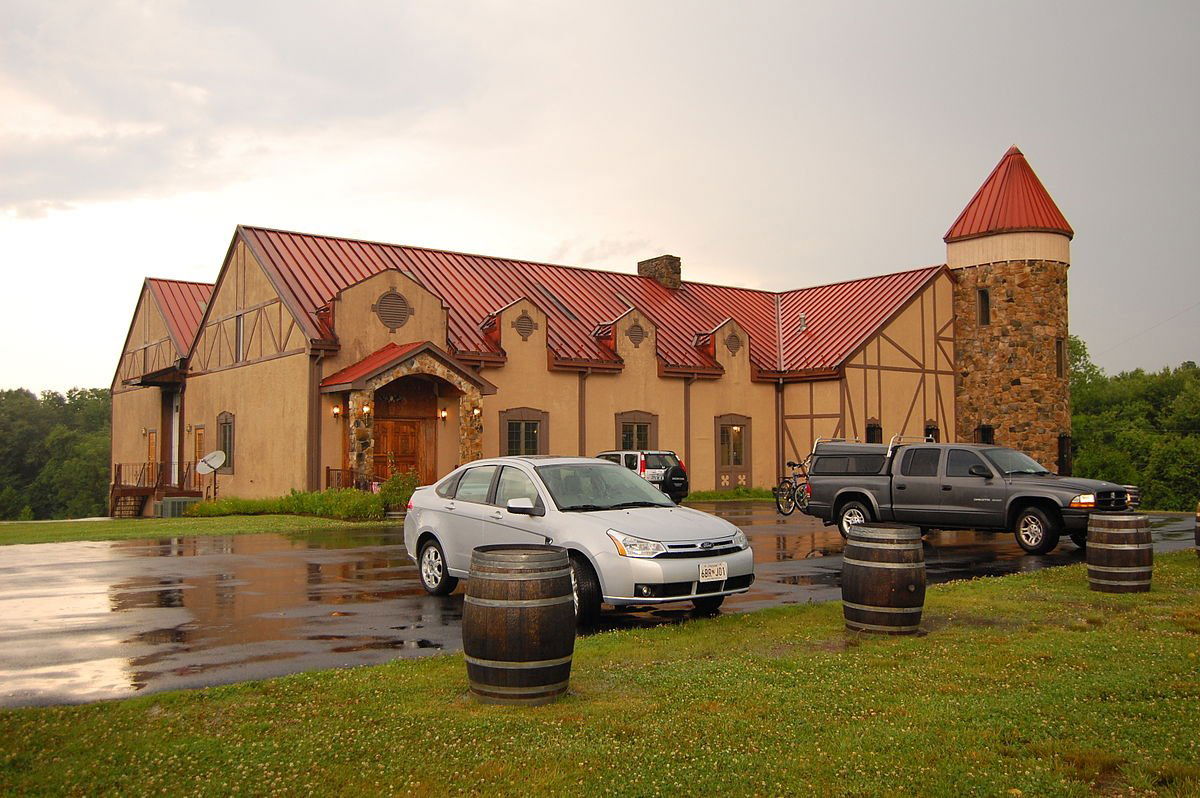
Picturesque rolling hills with stunning Blue Ridge Mountain views and a vaulted ceiling tasting room in stone underground cellars.
Tags
Vibe
Best For
Experience
View
At the Vineyard
- Appellation
- Monticello AVA
- Varietals
- Viognier, Cabernet Franc, Norton, Tannat, Petit Manseng
- Tour Duration
- 60-90 minutes
- Wine Club
- Not available
Know before you go
Know Before You Go
- Getting there
- 6399 Spotswood Trail, Gordonsville, VA 22942
Planning details
Location
Also consider
Also Consider
- Barboursville Vineyards, Notable alternative
- Chestnut Oak Vineyard, Notable alternative
- Castle Hill Cider, Notable alternative
- Keswick Vineyards, Notable alternative
- Early Mountain Vineyards, Notable alternative
Winery context
How It Compares
Choose Horton Vineyards when the day is built around evaluating bottles and making purchase decisions, not when the group needs the easiest winery stop. Compared with Barboursville Vineyards and Early Mountain Vineyards, this is the sharper pick for a focused tasting plan if the reservation can be secured; those peers are safer cross-shops for a broader Virginia winery outing.
Keswick Vineyards and Chestnut Oak Vineyard make sense for readers who want to keep the day wine-led but need alternatives if the preferred slot is unavailable. Castle Hill Cider is the better pivot when the group includes non-wine drinkers or wants a less formal beverage stop. For special occasions, Horton is the higher-commitment choice; for flexibility, cross-shop first.
Explore Gordonsville
Around this place
Discover more on Pearl
Unlock the full Horton Vineyards guide in Pearl, including awards, comparisons, FAQs, planning details, and nearby places.
Compare Horton Vineyards
| Venue | Location | Awards |
|---|---|---|
| Horton Vineyards | Gordonsville | No published awards |
| Barboursville Vineyards | Barboursville | No published awards |
| Chestnut Oak Vineyard | Barboursville | No published awards |
| Castle Hill Cider | Keswick | No published awards |
| Keswick Vineyards | Keswick | No published awards |
| Early Mountain Vineyards | Madison | No published awards |
How Horton Vineyards Gordonsville compares with similar nearby venues.
FAQ
Frequently Asked Questions
What other venues can I compare with Horton Vineyards?
Start with Barboursville Vineyards, Keswick Vineyards, and Early Mountain Vineyards if you want to compare regional options. Chestnut Oak Vineyard and Castle Hill Cider are also useful comparison venues. Horton Vineyards fits a Gordonsville plan, but confirm current visit details directly before setting the schedule.
Does Horton Vineyards serve food?
Plan Horton Vineyards as a Gordonsville venue with casual dress code and 2025 Pearl 3 Star Prestige recognition, and confirm any meal, snack, or outside-food details directly with the venue before relying on them.
When is the best time to visit Horton Vineyards?
Base timing on the venue's current official information and your broader Gordonsville plans. Horton Vineyards carries 2025 Pearl 3 Star Prestige recognition, which makes it reasonable to plan the visit intentionally rather than treating it as an afterthought.
Does Horton Vineyards have a club or recurring purchase option?
If Horton Vineyards offers a club or recurring purchase option, judge it by the terms, visit frequency, and your own buying habits. For comparison, you can also look at Barboursville Vineyards and Early Mountain Vineyards when evaluating broader regional options.
Do I need a reservation at Horton Vineyards?
Plan ahead by checking Horton Vineyards' current official information, especially if you are coordinating a group day in Gordonsville. If your backup options include Barboursville Vineyards or Keswick Vineyards, confirm timing for each stop before finalizing the itinerary.
Can Horton Vineyards handle large groups?
If you are planning for a group, contact Horton Vineyards directly before committing. For bigger outings, you can also compare current arrangements with Keswick Vineyards or Barboursville Vineyards and choose the stop that best fits your logistics.