
Weingut Pittnauer
Gols
Winery in Gols, Austria
 Book with Pearl
The Read
Low-Intervention Pannonian Red
Why go
Prioritize Weingut Pittnauer if the main goal is a serious producer visit in Gols, not a guaranteed food-led or large-group experience. The practical play is to request it early, then cross-shop nearby Gols wineries if timing or format does not work.
About Weingut Pittnauer
For a first visit to Gols, treat Weingut Pittnauer as a venue to evaluate on essentials rather than on assumed hospitality details. Weingut Pittnauer is in Gols, the dress code is casual, and it holds Pearl 3 Star Prestige (2025). Those points give you a reliable starting frame, but they do not answer the practical questions that often shape a visit. Details such as food service, pricing, hours, visitor format, and group capacity should be checked directly before making plans.
The value case here should not be built on assumptions or on expectations carried over from other venues. Use the recognition as the main quality signal, then decide whether Weingut Pittnauer fits the kind of stop you want in Gols. If your plans depend on meals, timing, accessibility, purchases, or a structured visit, check those points with the venue rather than assuming them from the name or reputation. This is especially important if the stop is meant to anchor the day rather than simply sit as one possible appointment.
Book for the essentials, not for a full-day hospitality package
First-timers should be clear on what they need before committing, because the essentials support a narrow decision rather than a complete hospitality plan. Weingut Pittnauer is best approached with the key facts in mind: casual dress, a Gols location, and Pearl 3 Star Prestige (2025). That is enough to place it on a serious shortlist, but not enough to infer what the on-site experience will include. Tasting format, food, pricing, hours, and special services should be checked directly.
The safest way to judge fit is by your own priorities. If the visit depends on specific logistics, confirm them before building the day around it, particularly if you are coordinating with other stops or setting aside a fixed window. If you are mainly comparing recognized venues, Weingut Pittnauer belongs in that conversation on the strength of its recognition. The right approach is to separate the quality signal from the hospitality variables, then decide whether the profile is enough for your itinerary.
How to position it within a Gols day
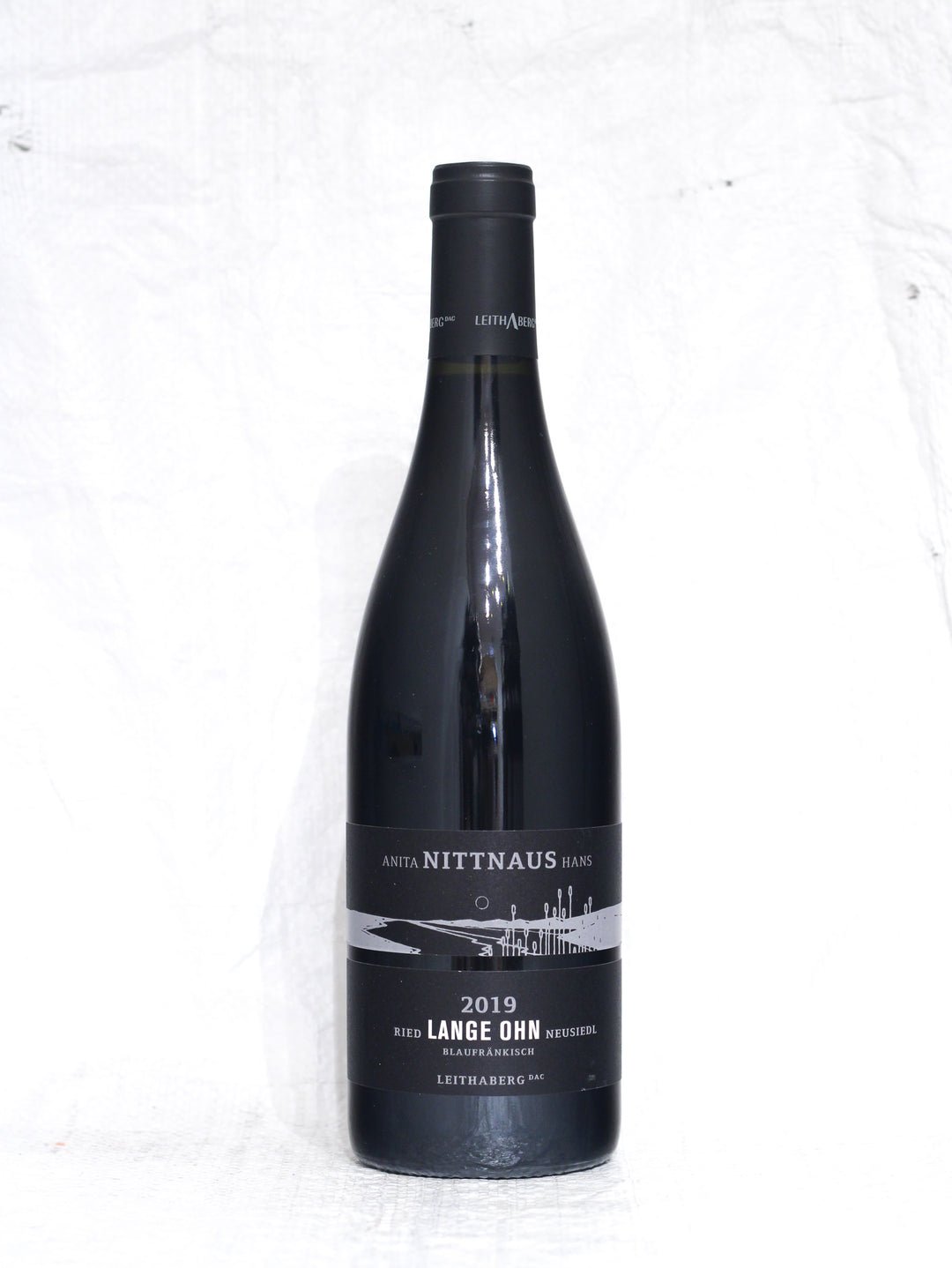
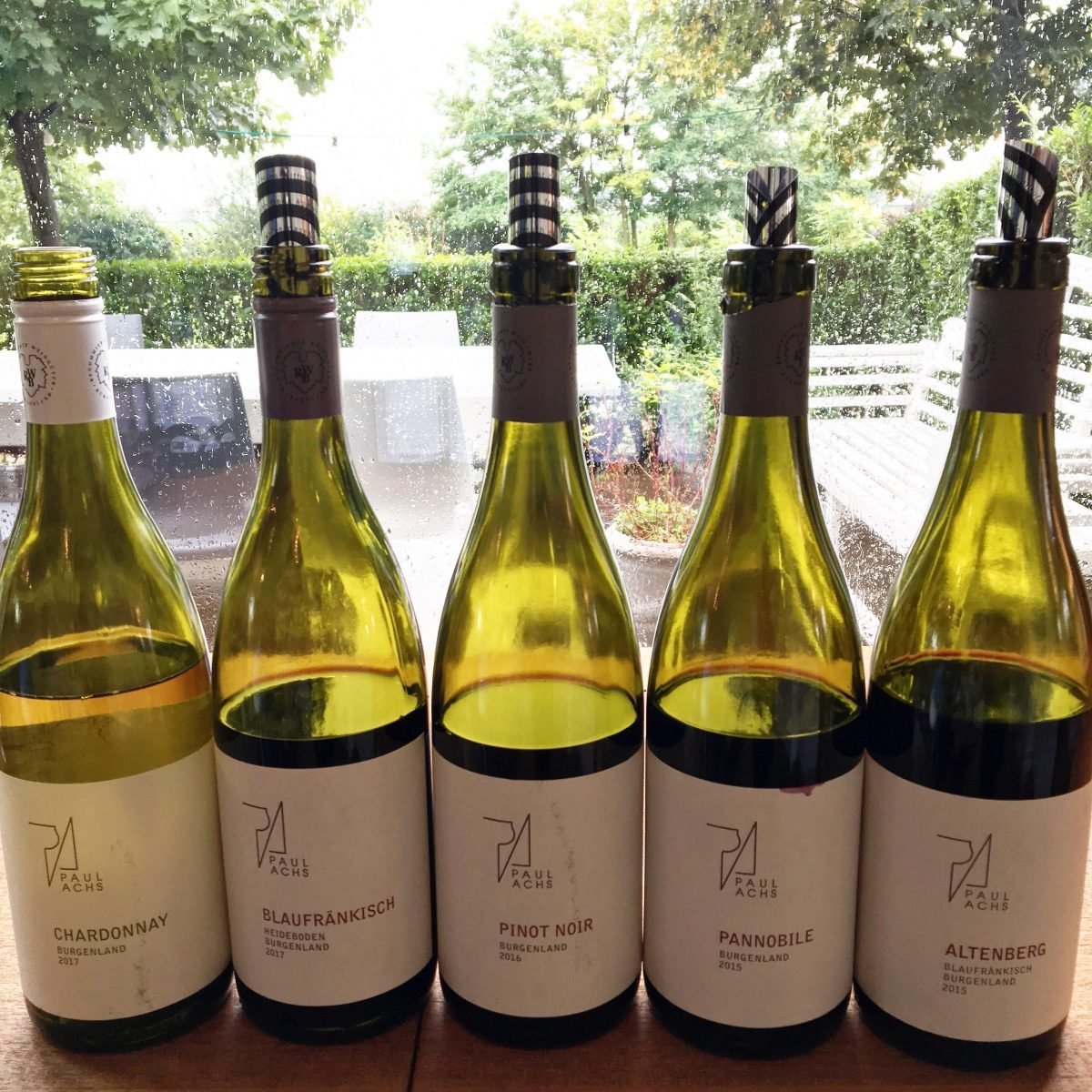
For a Gols itinerary, compare Weingut Pittnauer with other named venues rather than assuming all details are interchangeable. Weingut Paul Achs, Weingut Anita und Hans Nittnaus, Weingut Juris (Stiegelmar), Weingut Gernot und Heike Heinrich, and Weingut Keringer are useful reference points when planning, but confirm each venue's current visit details directly. The comparison should be practical as much as qualitative: which visits are available, which details still need checking, and which stops actually suit the rhythm of the day you want.
The planning logic is simple: start with the venues that matter most to you, then verify practical details before finalizing the route. For broader planning, use venue information to build the route, then add dining only if the day needs more structure. The Gols restaurants guide can help if you want to arrange dining separately. Keeping the dining plan separate also prevents you from relying on assumptions about food service at the venue itself, while still leaving room to shape a balanced Gols itinerary around the venues that matter most to you.
Planning details
- Location
- Neubaugasse 90, 7122 Gols
- Website
- pittnauer.com
- Phone
- +43 2173 3407
The take
The Take
The Vibe
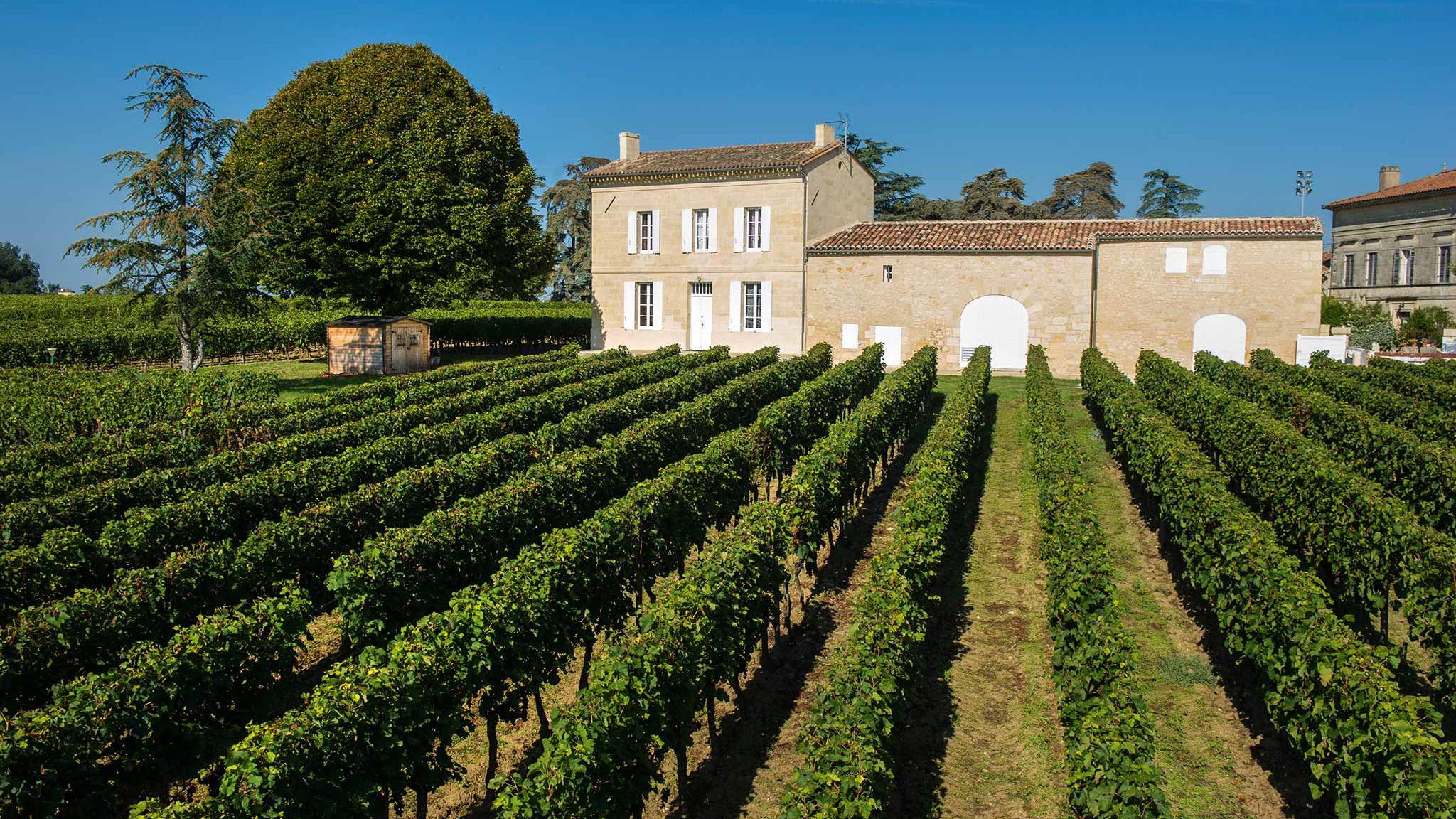
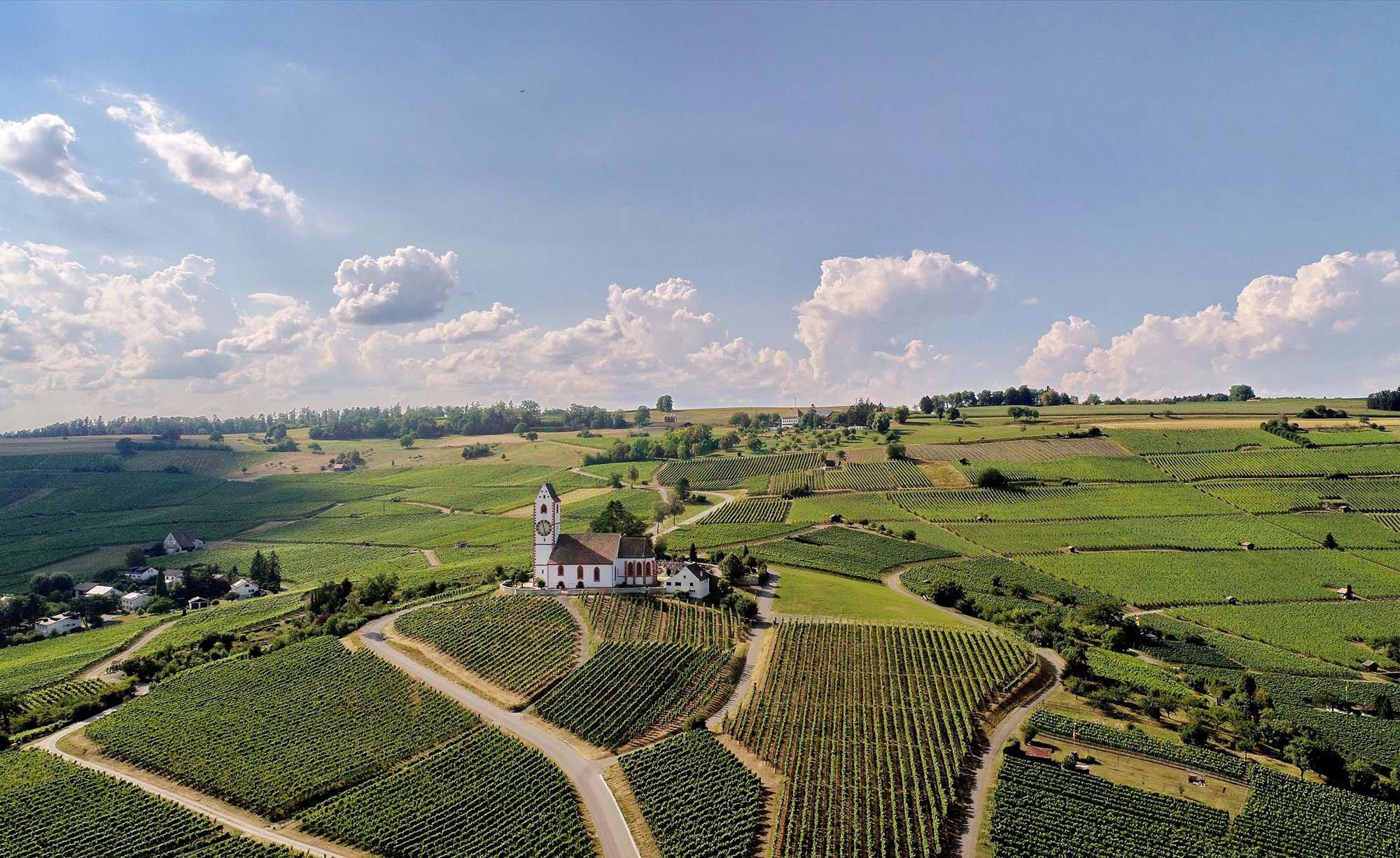
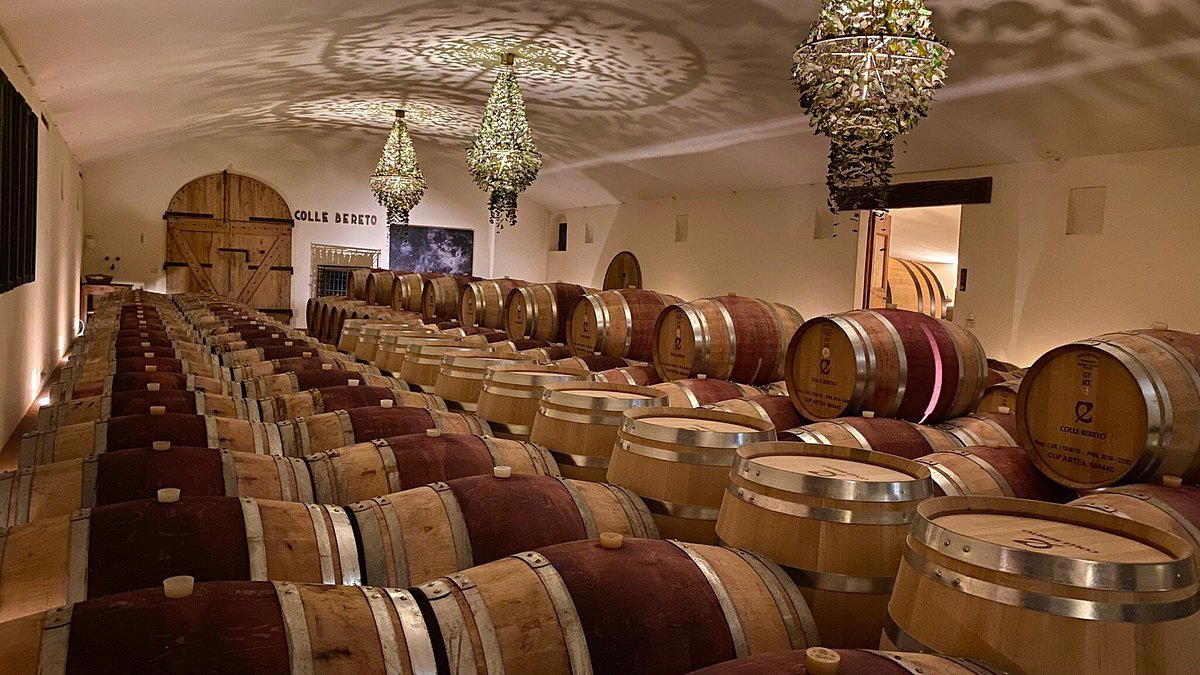
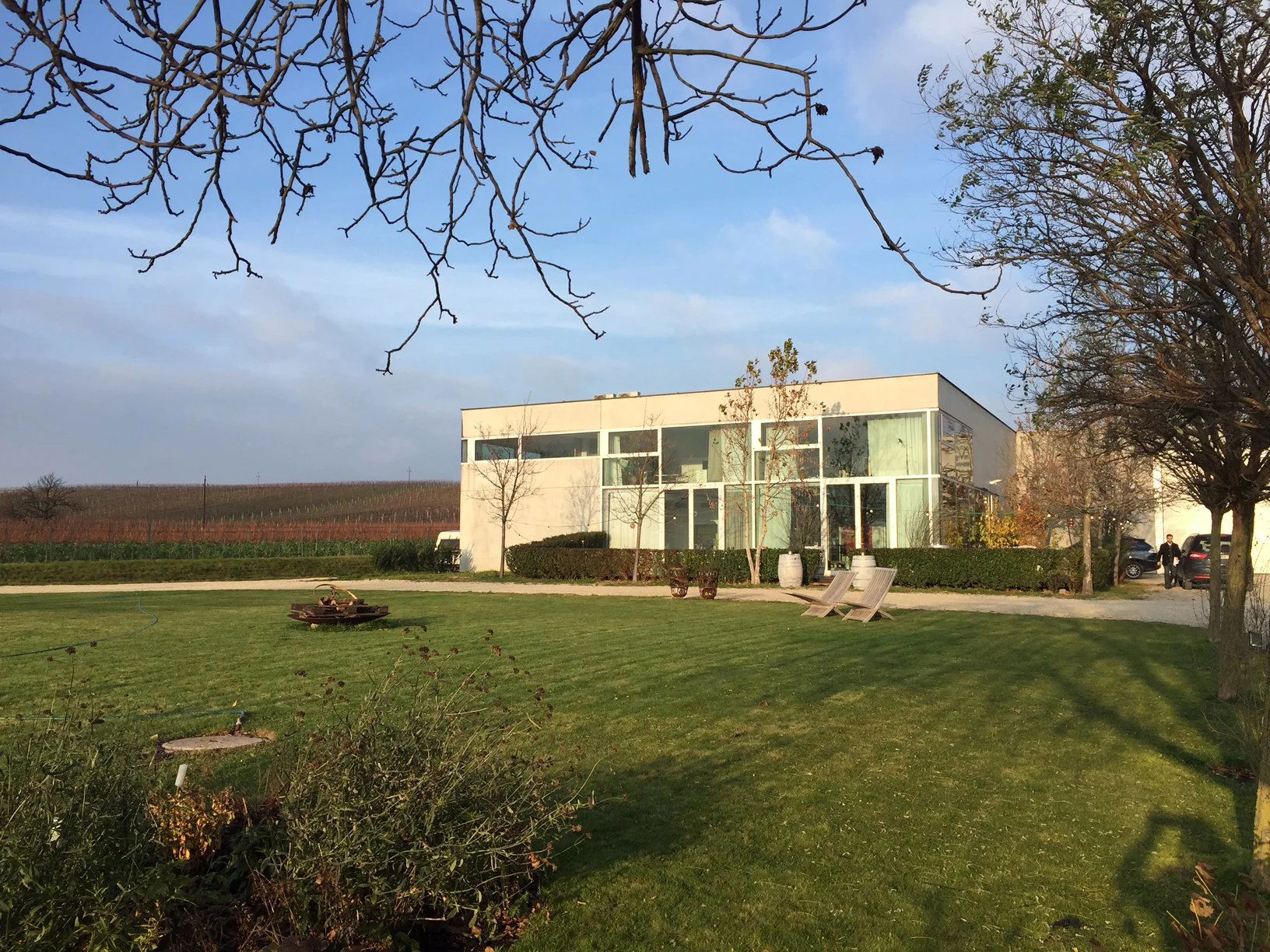
Perched in Gols on the flat Pannonian plain, Weingut Pittnauer projects a classic, sophisticated winery presence. The profile emphasizes patient, disciplined cellar work and a peer-recognized status (Pearl 3 Star Prestige 2025), so the house feels rooted in tradition and technical focus rather than flash. The landscape—long, dry autumns and an endless horizon—lends a calm, measured pace to the tasting experience; winemaking decisions (élevage, time on oak) are foregrounded. It reads as a serious producer where quality derives from restraint, careful cellar aging and an intimate relationship with the region’s ripe Blaufränkisch and Zweigelt fruit.
Best For
Visitors come to Pittnauer to learn. The profile emphasizes cellar choices, aging and varietal response, making the estate well-suited to wine-education visits: tastings that interrogate élevage, vintage differences and maturation strategy. Solo travelers and focused tasters find an ideal setting—the production-focused approach rewards detailed questions about cellar technique and the timing of release. As an awarded, upper-tier Gols producer, Pittnauer provides context for comparing Blaufränkisch and Zweigelt expressions across élevage regimes. This is a place for curious drinkers and students of style who prioritize technical insight and tasting depth.
Tasting Tips
When tasting or buying Pittnauer wines, ask specifically about élevage and release strategy: the write-up centers on the cellar’s role and the question of how long to hold wines before release, so inquire about barrel time and oak influence. Compare Blaufränkisch and Zweigelt bottlings with different élevage to see how texture and aroma evolve with oak contact. Given the estate’s awarded status, request recent-release and cellar-age recommendations from the producer to understand which bottles are intended for near-term drinking and which are built for longer maturation.
Venue details
Ambiance
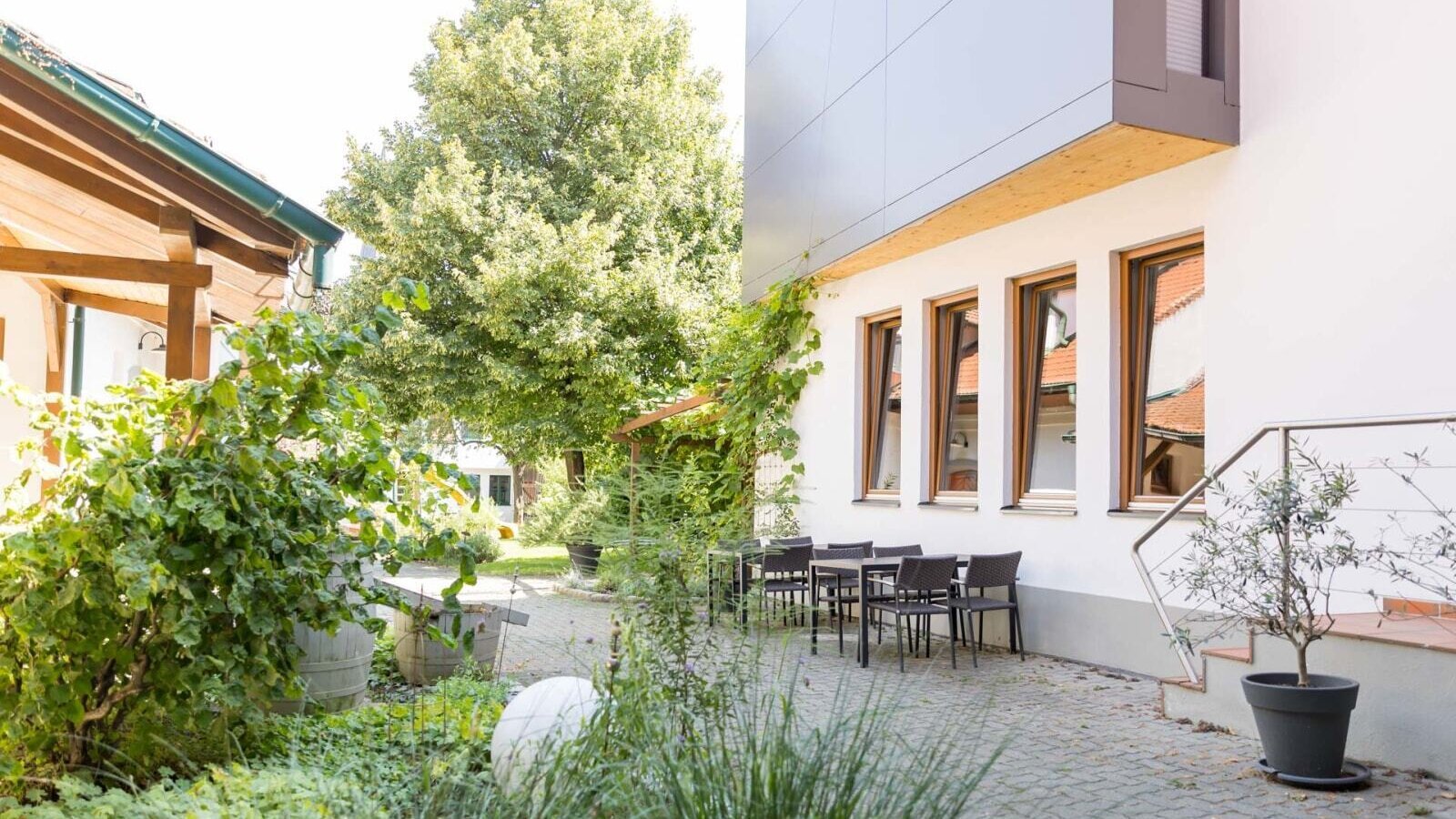
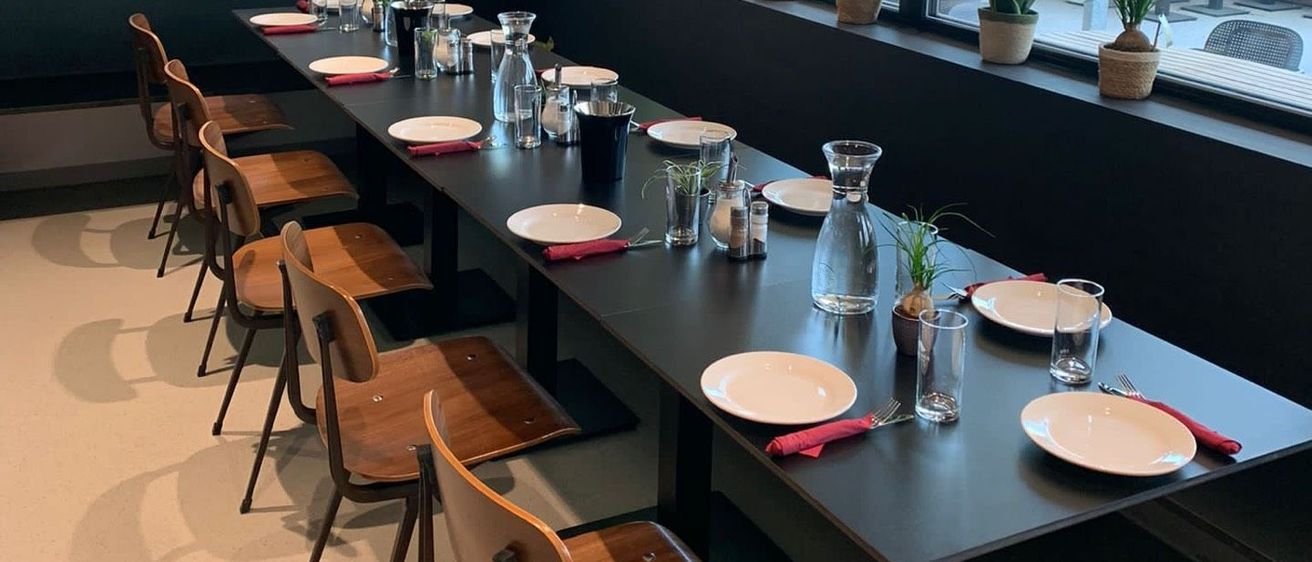
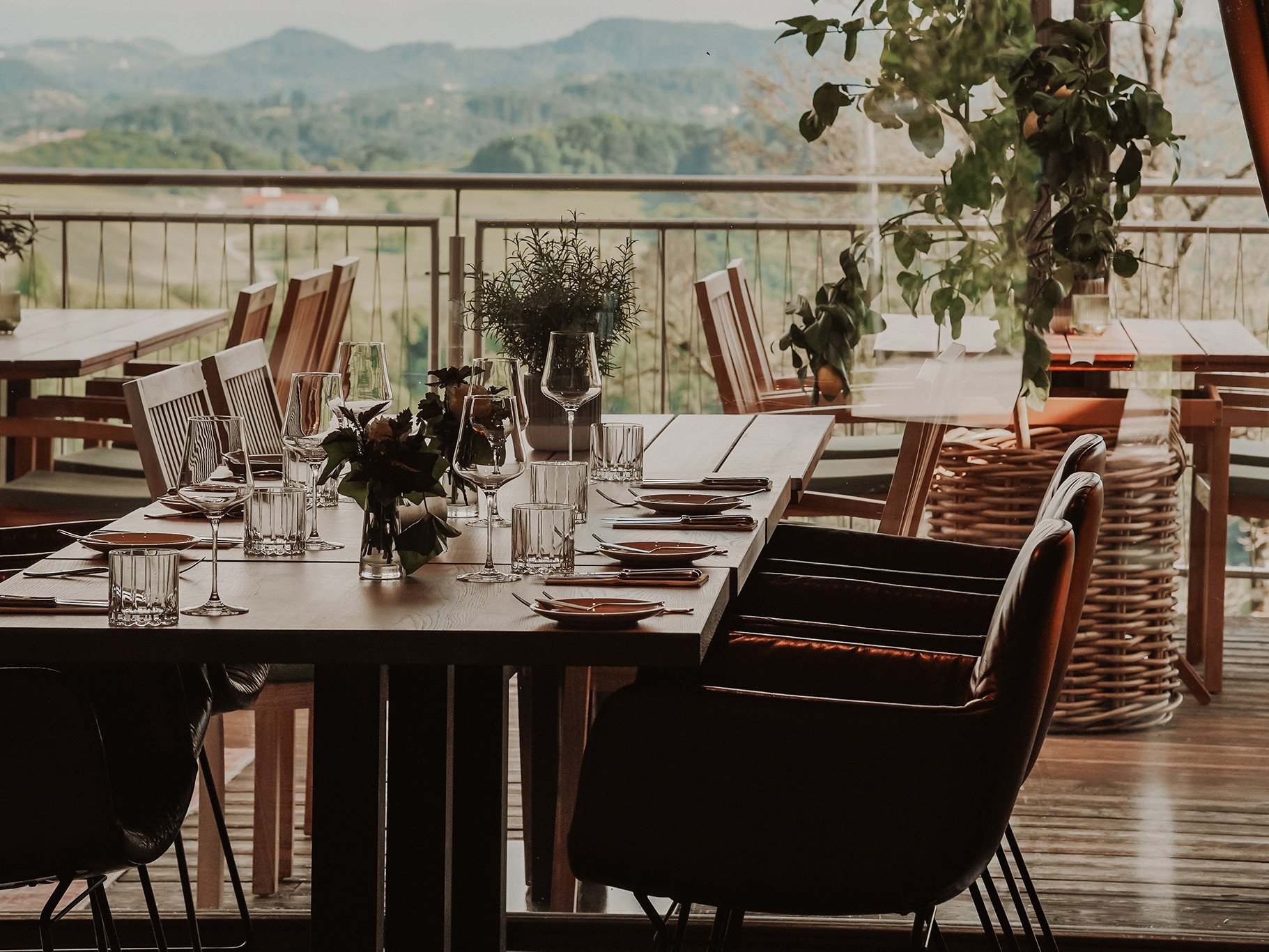
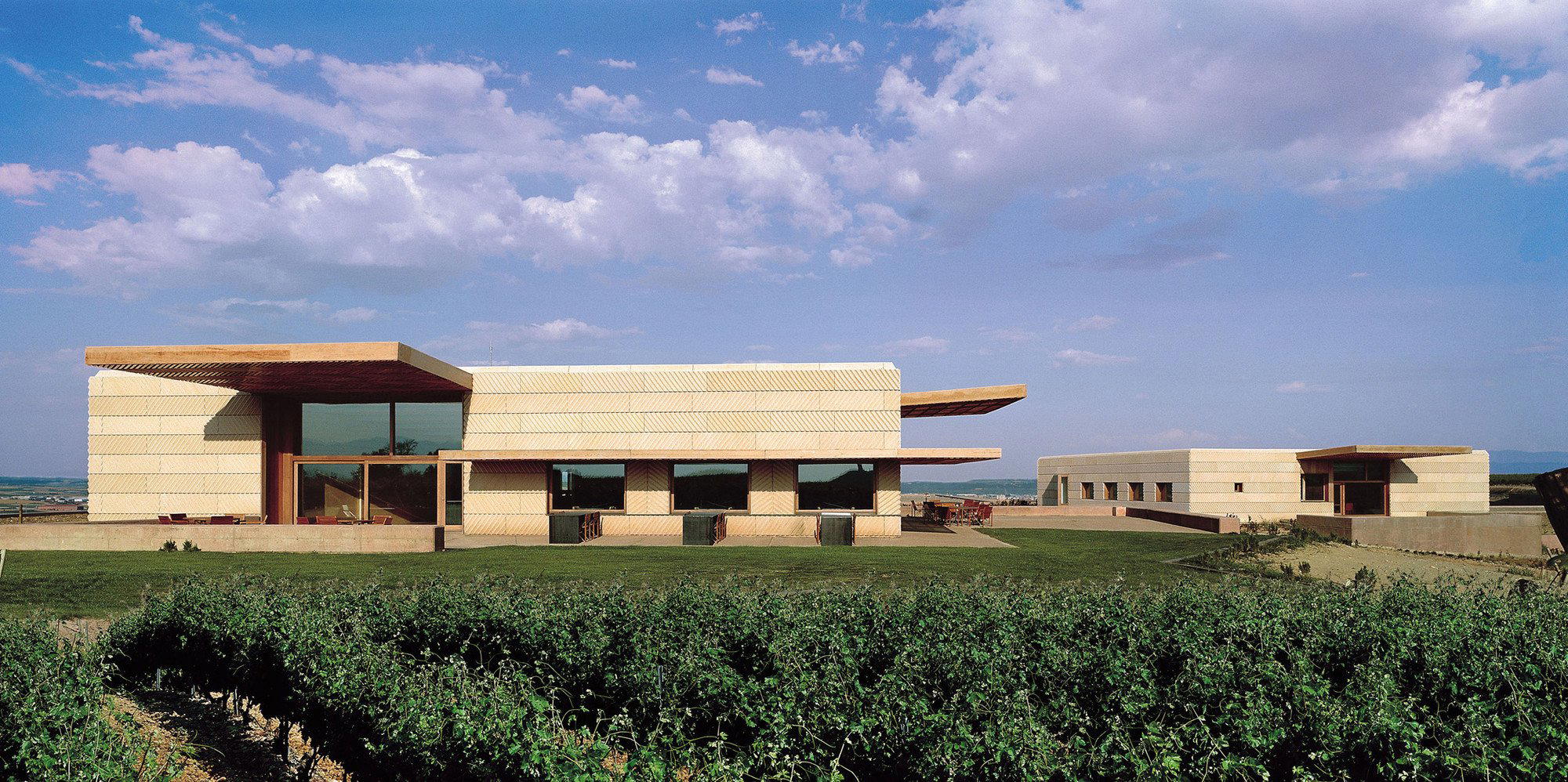
Laid-back and energetic atmosphere in a sleek modern winery amidst vineyards, enhanced by vinyl music and positive herbal rituals.
Tags
Vibe
Best For
Experience
Sourcing
View
At the Vineyard
- Appellation
- Neusiedlersee-Gols
- Varietals
- Blaufränkisch, Zweigelt, St. Laurent, Pinot Noir, Merlot
- Tour Duration
- 60-90 minutes
- Visits
- By appointment only
- Farming
- Biodynamic
- Wine Styles
- Still Red, Still White, Still Rose, Pet Nat
- Wine Club
- Not available
Know before you go
Know Before You Go
- Getting there
- Neubaugasse 90, 7122 Gols
Planning details
Location
Recognition and awards

Also consider
Also Consider
- Weingut Paul Achs, Notable alternative
- Weingut Anita und Hans Nittnaus, Notable alternative
- Weingut Juris (Stiegelmar), Notable alternative
- Weingut Gernot und Heike Heinrich, Notable alternative
- Weingut Keringer, Notable alternative
Winery context
How It Compares
Against Weingut Paul Achs and Weingut Anita und Hans Nittnaus, Weingut Pittnauer is the pick when the producer itself is the reason for the stop and the group is comfortable confirming details in advance. If the day needs a more flexible backup plan, cross-shop those peers first rather than relying on one request.
Weingut Juris (Stiegelmar) and Weingut Gernot und Heike Heinrich belong in the same Gols shortlist for visitors trying to compare quality across producers in one trip. Use Pittnauer for a focused buying-minded visit; use the others as alternatives when appointment timing, group size, or tasting format matters more than locking in one name.
Weingut Keringer is the wider cross-shop if the Gols schedule does not come together. The practical recommendation: start with Pittnauer if reputation and bottle selection drive the decision, then pivot to the broader if the trip needs easier logistics or a more confirmed visitor setup.
Explore Gols
Around this place
Discover more on Pearl
Unlock the full Weingut Pittnauer guide in Pearl, including awards, comparisons, FAQs, planning details, and nearby places.
Compare Weingut Pittnauer
| Venue | Location | Awards |
|---|---|---|
| Weingut Pittnauer | Gols | 2026 Falstaff Winery Guide |
| Weingut Paul Achs | Gols | 2026 Falstaff Winery Guide |
| Weingut Anita und Hans Nittnaus | Gols | 2026 Falstaff Winery Guide |
| Weingut Juris (Stiegelmar) | Gols | 2026 Falstaff Winery Guide |
| Weingut Gernot und Heike Heinrich | Gols | 2026 Falstaff Winery Guide |
| Weingut Keringer | Mönchhof | 2026 Falstaff Winery Guide |
How Weingut Pittnauer Gols compares with similar nearby venues.
FAQ
Frequently Asked Questions
Can Weingut Pittnauer handle large groups?
Does Weingut Pittnauer serve food?
Do not assume a meal is available. If food is important to the plan, confirm directly with the venue or arrange dining separately in Gols.
Is the wine club at Weingut Pittnauer worth joining?
When is the best time to visit Weingut Pittnauer?
Plan a Gols visit only after confirming current opening hours directly with Weingut Pittnauer.
Does Weingut Pittnauer ship wine?
How long should I plan for a visit to Weingut Pittnauer?
Ask Weingut Pittnauer directly about the current format and timing before setting your Gols itinerary.