

Maryhill Winery
Goldendale
Winery in Goldendale, United States
 Book with Pearl
The Read
Columbia Gorge Estate Hospitality
Price
$30–50tasting
Why go
Maryhill Winery is worth prioritizing if a Columbia Gorge wine stop needs scale, scenery, and a recognized quality signal rather than a small cellar-door feel. It is a stronger fit for mixed-interest groups and road-trip planners than for collectors chasing scarce allocations.
About Maryhill Winery
Maryhill Winery is a Goldendale venue with a casual dress code and Pearl 2 Star Prestige recognition for 2025. This guide is best read as a concise planning note rather than a detailed visit blueprint.
The clearest reason to keep Maryhill Winery on a shortlist is its recognition and its Goldendale location. If you are deciding whether to build a stop around it, verify current operating details directly before you go, especially for anything involving tastings, food, groups, shipping, or reservations.
A Goldendale winery with limited planning details
For a Goldendale itinerary, Maryhill Winery is best treated as a recognized winery to research further, not as a venue where every practical detail can be assumed in advance. The guide confirms the casual dress code and the 2025 Pearl 2 Star Prestige distinction, but not the day-to-day format of a visit.
For deeper regional planning, use Goldendale winery research first, then fill the rest of the trip with other Goldendale dining, lodging, bar, and experience options. For comparison, you can also look at other winery options such as Hiyu Wine Farm, Owen Roe Winery, Terra Blanca Winery, Kiona Vineyards, and Fidelitas without assuming they offer the same kind of visit.
Worth choosing when recognition matters
Choose Maryhill Winery if confirmed Pearl 2 Star Prestige recognition and a casual Goldendale setting are enough to justify further planning. Do not rely on assumptions about food, signature bottles, reservations, group capacity, or shipping; confirm those details through the venue before making the trip.
If the itinerary is built around comparing different winery experiences, consider Maryhill Winery alongside Hiyu Wine Farm, Owen Roe Winery, Terra Blanca Winery, Kiona Vineyards, and Fidelitas. The right choice depends on the current details each venue confirms directly, not on assumed service style or amenities.
For broader cross-shopping, keep the comparison focused on what is already clear: Maryhill Winery is a Goldendale venue with casual dress and Pearl 2 Star Prestige recognition for 2025. Anything more specific should be checked with the venue before it shapes the plan.
Planning details
- Location
- 9774 WA-14, Goldendale, WA 98620
- Website
- maryhillwinery.com
- Phone
- +1 509-773-1976
The take
The Take
The Vibe
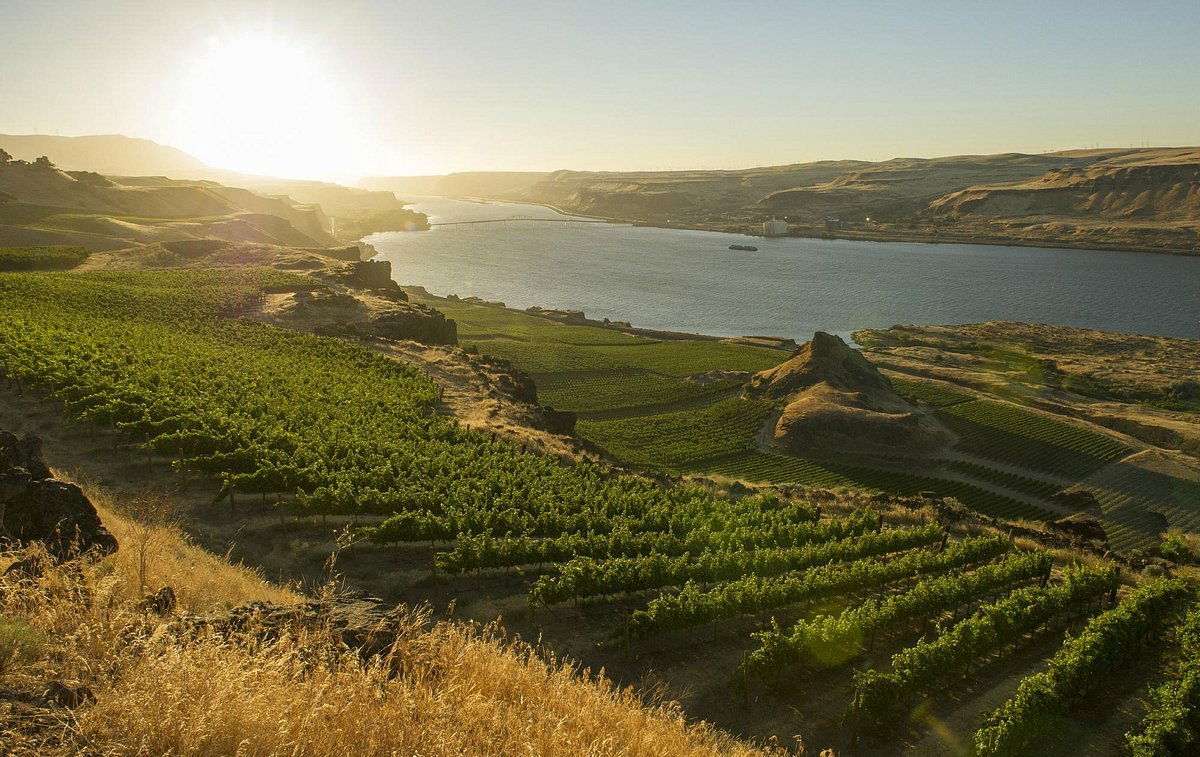
Maryhill Winery reads like a study in restrained elegance: the site is defined by spare high‑desert terrain, long, direct light and dramatic diurnal swings that shape the fruit. The copy focuses on geology and climate rather than bells and whistles, so the impression is one of refined seriousness—the wines aim for structure and phenolic depth rather than overt opulence. Visitors experience a sophisticated, terroir‑forward personality grounded in place; the landscape and the region’s growing influences are as central to the winery’s character as any tasting notes on the list.
Best For
This is a pick for travelers who care about terroir, wine students and groups wanting a deeper conversation about site and climate, and anyone planning a scenic celebration. The copy highlights the Columbia Gorge AVA, diurnal temperature swings and mineral‑rich soils, which makes the property well suited to educational tastings and group outings that explore growing influences. The setting along Route 14 also rewards visitors who combine a drive through the Gorge with a focused tasting that prioritizes structure, acidity and regional expression.
Tasting Tips
Look for wines that showcase structure, preserved acidity and a mineral backbone—those qualities are repeatedly emphasized in the text. The tasting room (and any flights offered) is a good place to compare expressions that reflect the Gorge’s maritime moderation versus continental heat accumulation; choose wines that show phenolic depth rather than overt ripeness to get a true sense of the site. Ask staff about how diurnal swings and local soils inform each bottling so you can taste the regional influences the copy describes.
Venue details
Ambiance
Warm and welcoming with spectacular views of the Columbia River Gorge, comfortable terrace seating, and a tranquil setting enhanced by natural elements like grottos and waterfalls.
Tags
Vibe
Best For
Experience
View
At the Vineyard
- Appellation
- Columbia Gorge AVA
- Varietals
- Zinfandel, Grenache, Chardonnay, Albarino, Petite Sirah
- Tour Duration
- 60-90 minutes
- Visits
- Walk-ins welcome
- Farming
- Sustainable
- Wine Styles
- Still Red, Still White, Still Rose
- Food Pairing
- Offered
- Wine Club
- Available
Know before you go
Know Before You Go
- Getting there
- 9774 WA-14, Goldendale, WA 98620
Planning details
Location
Also consider
If you cannot fit it in
For a more producer-focused visit, look at Hiyu Wine Farm. For a Washington red-wine comparison day, prioritize Kiona Vineyards or Fidelitas instead.
Winery context
How Maryhill Winery compares in Washington wine planning
Choose Maryhill Winery when the setting is part of the value calculation. Compared with Hiyu Wine Farm, it reads as the more accessible, group-friendly choice; Hiyu is the better fit for travelers who want a more singular producer-led experience and are willing to plan around that.
Against Owen Roe Winery, Terra Blanca Winery, Kiona Vineyards, and Fidelitas, Maryhill is the safer pick for ambiance and a relaxed Columbia Gorge stop. The Red Mountain peers make more sense when the day is about comparing Washington reds across producers.
For value, Maryhill works when the visit itself matters: space, location, and a polished tasting stop help justify the detour. If the goal is a more technical tasting sequence, split attention toward Kiona Vineyards or Fidelitas instead.
Explore Goldendale
Around this place
Discover more on Pearl
Unlock the full Maryhill Winery guide in Pearl, including awards, comparisons, FAQs, planning details, and nearby places.
Compare Maryhill Winery
| Venue | Location | Awards |
|---|---|---|
| Maryhill Winery | Goldendale | No published awards |
| Hiyu Wine Farm | Hood River | No published awards |
| Owen Roe Winery | Wapato | No published awards |
| Terra Blanca Winery | Benton City | No published awards |
| Kiona Vineyards | Benton City | No published awards |
| Fidelitas | Benton City | No published awards |
How Maryhill Winery Goldendale compares with similar nearby venues.
FAQ
Frequently Asked Questions
Is the wine club at Maryhill Winery worth joining?
If you are considering joining, confirm the current terms directly with the venue and decide based on how often you expect to use the benefits.
What is the flagship wine at Maryhill Winery?
Use the venue's current information or an in-person tasting, if available, to decide what fits your preferences. For comparison, you can also research Owen Roe Winery.
Do I need a reservation at Maryhill Winery?
Confirm reservation details directly before going, especially if timing matters or you are coordinating with other stops. You can also compare current booking information with Hiyu Wine Farm.