Escorihuela Gascón
Godoy Cruz
Winery in Godoy Cruz, Argentina
 Book with Pearl
The Read
Godoy Cruz Prestige Production
Price
$30–50tasting
Why go
Book Escorihuela Gascón when the winery setting needs to carry the occasion, not just the tasting. It is a stronger fit for celebrations, dates, and polished hosting in Godoy Cruz than for casual, last-minute wine stops, so plan ahead and compare nearby alternatives if flexibility matters more than ambiance.
About Escorihuela Gascón
Escorihuela Gascón is a Pearl 3 Star Prestige venue in Godoy Cruz for 2025. Pearl's guidance for this listing is intentionally narrow: the confirmed location is Godoy Cruz, and the confirmed dress code is smart casual.
Use this page as a conservative planning note rather than a source for service details. If you are comparing other options, consider Bodega Los Toneles, Destilados Spiritu, Bodega López, Bodega Navarro Correas, and Bodegas CARO alongside Escorihuela Gascón.
A Godoy Cruz choice with confirmed recognition
The clearest distinction for Escorihuela Gascón is its Pearl 3 Star Prestige recognition for 2025. Beyond that, the confirmed practical details are limited, so plans should be checked directly with the venue before you build a day around it.
For attire, smart casual is the dress code. That makes polished, comfortable clothing the safest baseline for a visit, without assuming any more formal requirement than Pearl has confirmed.
What to confirm before you go
Before visiting Escorihuela Gascón, confirm the current schedule, reservation process, experience format, group suitability, accessibility needs, and any other visit requirements directly with the venue.
If your plans remain flexible, compare Escorihuela Gascón with Bodega Los Toneles, Bodega López, Bodega Navarro Correas, Bodegas CARO, and Destilados Spiritu, or look at other dining and venue options in Godoy Cruz generically. Keep the comparison focused on confirmed fit once each venue has provided current details.
Planning details
- Location
- Belgrano 1188, M5501 Godoy Cruz, Mendoza
- Website
- escorihuelagascon.com.ar
- Phone
- +54 261 424-2282
The take
The Take
The Vibe
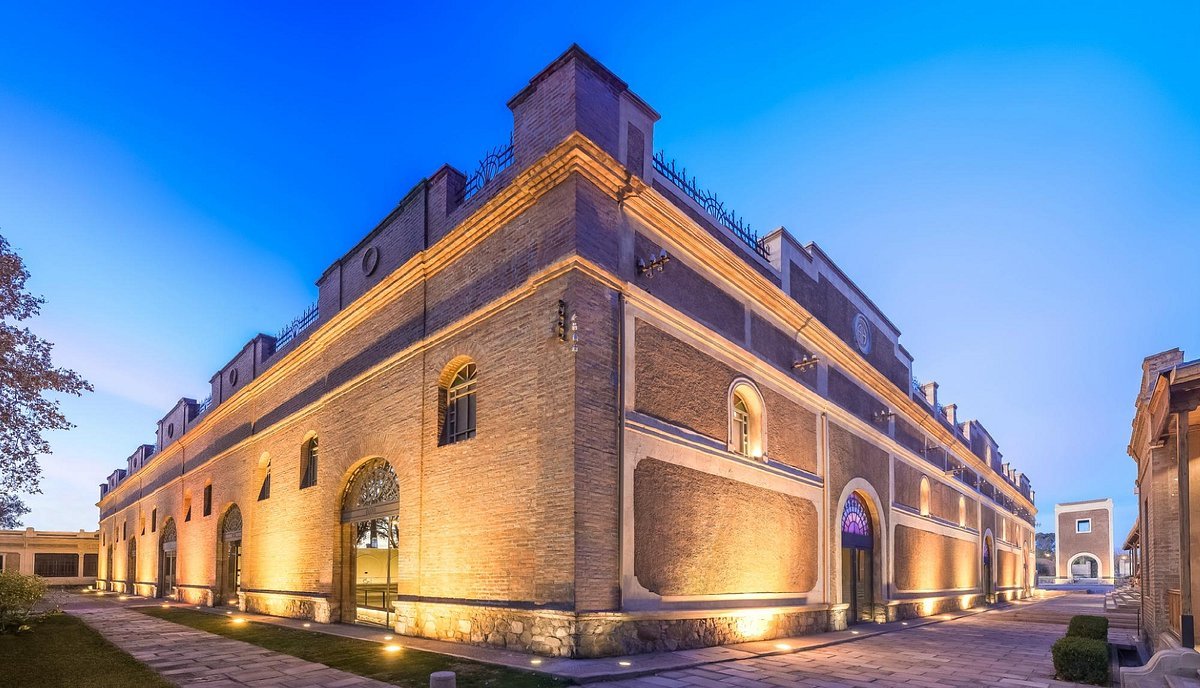
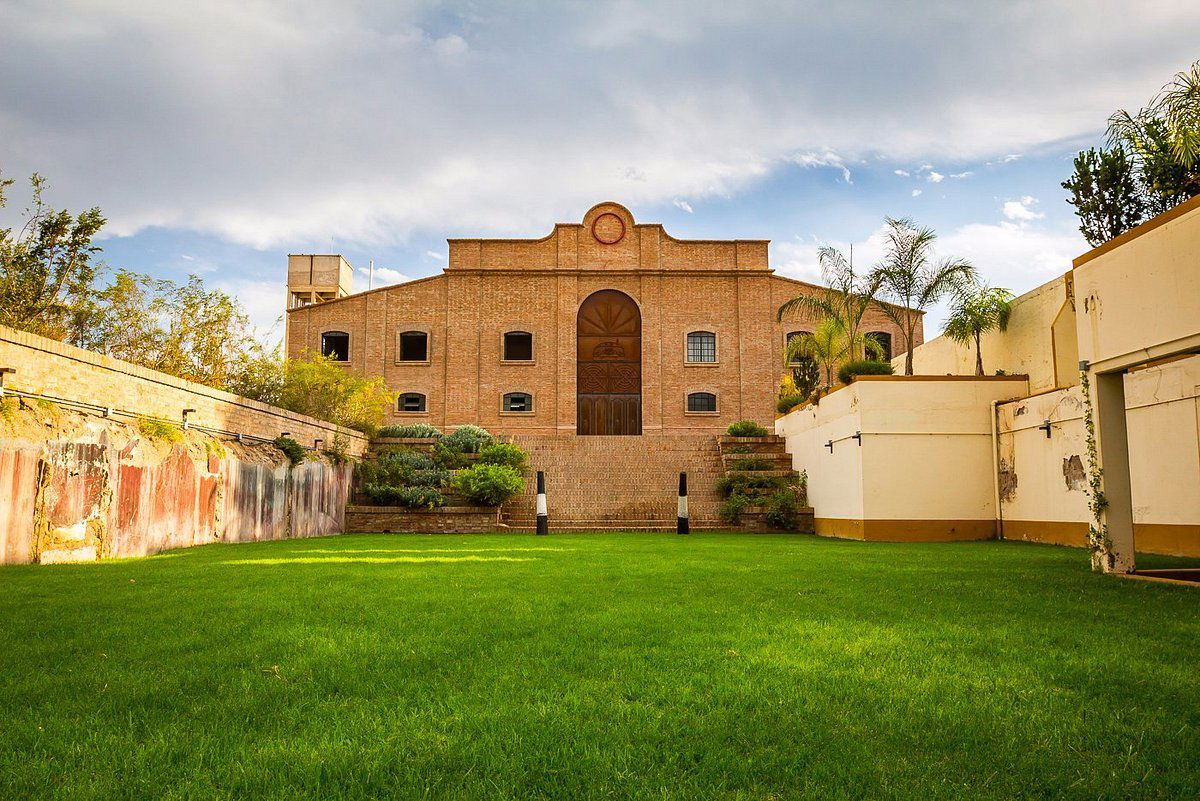
Escorihuela Gascón reads like an architectural argument for Argentina's wine past: thick adobe and masonry walls, nineteenth-century scale, and urban-adjacent placement give the property a quietly authoritative presence. The bodega feels intentionally restrained rather than theatrical, trading tourist trappings for a sense of material history. Barrel halls and production spaces dominate the sensory memory of a visit, so the atmosphere skews rustic and intimate in the most dignified sense — a place where structure and craft are apparent in every stone and timber, and where the built fabric tells as much of the story as the wines themselves.
Best For
This is a tasting destination for people who want context with their glass — students of terroir, groups interested in cellar architecture, and anyone drawn to Argentina's winemaking history. The visit emphasizes guided sequences and cellar access, so it suits small groups or organized visits rather than casual drop-ins. It also works well for special occasions that value gravitas over spectacle: the historic spaces and barrel halls create a memorable backdrop for a focused wine conversation rather than a party atmosphere.
Tasting Tips
Book a guided tasting that includes the room-to-room sequence and cellar access mentioned in the description; those elements shape the experience here. Ask ahead about the opportunity to see barrel halls and historic production areas so your visit follows the property's storytelling flow rather than a simple counter pour. Because the bodega sits in an urban-adjacent street context and leans toward structured tours, reservations are wise for groups and for anyone wanting the fuller interpretive experience.
Venue details
Ambiance
Modern wine production facility with preserved historic facade and original train station architecture, creating a blend of heritage charm and contemporary winemaking atmosphere.
Tags
Vibe
Best For
Experience
View
At the Vineyard
- Appellation
- Mendoza
- Varietals
- Malbec, Cabernet Sauvignon, Cabernet Franc, Chardonnay, Pinot Noir
- Tour Duration
- 90-120 minutes
- Tour Languages
- Spanish, English
- Visits
- By appointment only
- Wine Styles
- Still Red, Still White, Sparkling
- Food Pairing
- Offered
- Shipping
- Available
- Wine Club
- Not available
Know before you go
Know Before You Go
- Getting there
- Belgrano 1188, M5501 Godoy Cruz, Mendoza
Planning details
Location
Also consider
If you cannot get in
Try Bodega Los Toneles first if the goal is to stay in Godoy Cruz and keep the day wine-focused. Try Destilados Spiritu if the group is more interested in an easy nearby drinks stop than a winery-specific setting.
Winery context
How it compares in Godoy Cruz
Escorihuela Gascón is the stronger choice when ambiance and occasion value matter. Bodega Los Toneles is the more practical cross-shop for visitors who want a Godoy Cruz winery stop with less pressure around planning, while Destilados Spiritu makes more sense if the group is open to a spirits-led visit rather than a classic winery frame.
Against out-of-metro options, the case is convenience. Bodegas CARO, Bodega Navarro Correas, and Bodega López may suit travellers building a broader Mendoza wine route, but Escorihuela Gascón is easier to justify when the day is anchored in Godoy Cruz and the visit needs to feel polished.
For value, choose by itinerary cost rather than bottle price alone. If a longer transfer would eat into the day, staying local can be the smarter spend. If availability is tight, Bodega Los Toneles is the first alternative to check; if the group wants a change of category, Destilados Spiritu is the cleaner pivot.
Explore Godoy Cruz
Around this place
Discover more on Pearl
Unlock the full Escorihuela Gascón guide in Pearl, including awards, comparisons, FAQs, planning details, and nearby places.
Compare Escorihuela Gascón
| Venue | Location | Awards |
|---|---|---|
| Escorihuela Gascón | Godoy Cruz | No published awards |
| Bodegas CARO | Mendoza | 2026 Falstaff Winery Guide |
| Bodega Navarro Correas | Mendoza | No published awards |
| Bodega Los Toneles | Godoy Cruz | No published awards |
| Destilados Spiritu | Godoy Cruz | No published awards |
| Bodega López | Maipú | 2026 Falstaff Winery Guide |

How Escorihuela Gascón Godoy Cruz compares with similar nearby venues.
FAQ
Frequently Asked Questions
Can Escorihuela Gascón handle large groups?
What details should I verify before visiting Escorihuela Gascón?
How long should I plan for a visit to Escorihuela Gascón?
The confirmed details are that it is in Godoy Cruz, has a smart casual dress code, and holds Pearl 3 Star Prestige recognition for 2025.
Are additional services for Escorihuela Gascón?
Do I need a reservation at Escorihuela Gascón?
When is the best time to visit Escorihuela Gascón?
Confirm the current schedule with the venue, and compare with Bodega Los Toneles or Destilados Spiritu if you are weighing different plans.