

Winery in Glorenza, Italy
Puni Distillery
500Pearl PointsFor pour-focused visits
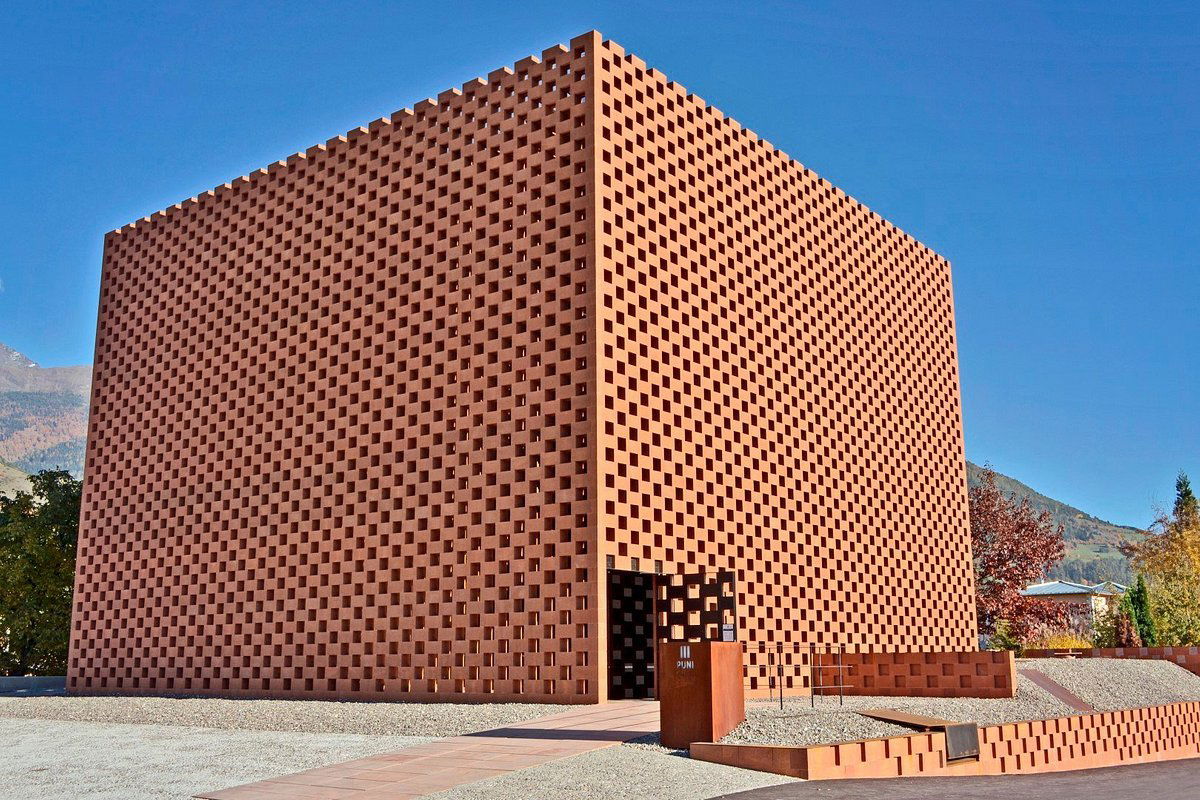
About Puni Distillery
Puni Distillery is worth booking if the goal is a focused Alto Adige spirits stop with a strong sense of place, especially for a date, celebration, or business itinerary. It is less suitable as a casual backup or food-led visit, so compare it with J. Hofstätter or Elena Walch if the group wants a more conventional winery day.
Puni Distillery is a venue in Glorenza with a casual dress code and confirmed Pearl 2 Star Prestige recognition for 2025. Beyond those verified points, public-facing planning details should be treated carefully: this guide does not verify a meal format, tasting format, price, hours, capacity, or reservation policy.
Use Puni Distillery as a Glorenza reference point for travelers specifically interested in the venue itself, not as a substitute for a fully confirmed dining, hotel, or winery itinerary. If the day depends on food service, group arrangements, or timed logistics, confirm those details directly before building the plan around the visit.
Worth considering when the verified details match the occasion
Puni Distillery is best framed simply: a casual venue in Glorenza with Pearl 2 Star Prestige recognition in 2025. That is enough to make it notable, but not enough to assume a particular hospitality format, menu, tasting structure, or service rhythm.
For readers building a wider itinerary, use general Glorenza planning resources and confirm any practical details directly with the venue. The safest plan is to keep surrounding meals, transport, timing flexible unless those details have been verified for the date of the visit.
Who should choose it, who should cross-shop
Choose Puni Distillery if you are specifically interested in a casual Glorenza venue with a confirmed 2025 Pearl 2 Star Prestige distinction. Cross-shop if the group needs a more clearly defined visit, a meal-centered outing, or another type of venue. J. Hofstätter and Elena Walch are relevant names to consider, while Braulo (Amaro Braulio), Brennerei Christoph Kössler, Distilleria Walcher are natural comparison names for travelers considering other venues.
Quick reference: consider Puni Distillery for a casual Glorenza stop with confirmed recognition; confirm all practical details directly before relying on it for food, timing, or group plans.
Frequently Asked Questions
What is verified about Puni Distillery?
The verified details are that Puni Distillery is in Glorenza, has a casual dress code, holds Pearl 2 Star Prestige recognition for 2025.
Are tastings or visitor programs verified at Puni Distillery?
A tasting format or visitor program is not verified here. If that kind of experience matters, confirm directly with the venue before planning around it.
What other venues should I compare with Puni Distillery?
J. Hofstätter, Elena Walch, Braulo (Amaro Braulio), Brennerei Christoph Kössler, Distilleria Walcher are useful comparison names for travelers considering other venues.
Can Puni Distillery handle large groups?
Large-group capacity is not verified here. If you are planning for a group, contact Puni Distillery directly before relying on it for timing, space, or service arrangements in Glorenza.
Do I need a reservation at Puni Distillery?
A reservation policy is not verified here. Plan to confirm directly with Puni Distillery if the visit needs to fit a specific itinerary in Glorenza.
Does Puni Distillery serve food?
Food service is not verified here. If food needs to be part of the outing, plan a separate confirmed meal in Glorenza or confirm current details directly with Puni Distillery.
Does Puni Distillery offer purchasing or shipping options?
Purchasing and shipping options are not verified details for Puni Distillery. For any purchasing or shipping question, confirm current options directly with the venue.
Location
Via Mühlbach, 2, 39020 Glorenza BZ
Glorenza, Italy
Compare Puni Distillery
| Venue | Location | Awards |
|---|---|---|
| Puni Distillery | Glorenza | Pearl 2 Star Prestige (2025) |
| Braulo (Amaro Braulio) | Bormio | , |
| Brennerei Christoph Kössler | Stanz im Landeck | , |
| Distilleria Walcher | Appiano | , |
| J. Hofstätter | Termeno | , |
| Elena Walch | Termeno | , |
How Puni Distillery Glorenza compares with similar nearby venues.
Where to go if this is hard to book
If Puni Distillery does not fit the schedule, cross-shop J. Hofstätter or Elena Walch for a more conventional winery plan. If the group specifically wants spirits, compare Braulo (Amaro Braulio) and Distilleria Walcher before reshaping the day.
How Puni Distillery compares in the Alto Adige drinks set
Puni Distillery is the pick when the occasion calls for a focused spirits visit rather than a broad winery day. Against J. Hofstätter and Elena Walch, it is less of a classic wine-country choice and more useful for travelers who want a tighter, more distinctive drinks stop. Choose the wineries if the group expects vineyard context and a more familiar tasting structure.
Compared with Braulo (Amaro Braulio), Brennerei Christoph Kössler, and Distilleria Walcher, Puni Distillery sits in the spirits lane but feels better suited to an occasion-led itinerary than a quick comparative tasting crawl. Booking difficulty is the main friction, so it rewards early planning more than casual day-of decision-making.
For value, the smarter choice depends on format: Puni Distillery is worth prioritizing when the setting and focus are part of the appeal; J. Hofstätter or Elena Walch are safer if the group measures value by a conventional winery experience. For the easiest backup plan, cross-shop the peers before locking the rest of the day around this stop.
Explore Glorenza
Save or rate Puni Distillery on Pearl
Keep this venue in your Pearl passport, rate it after you visit, and track it alongside every other place you collect.