

Winery in Gingindlovu, South Africa
Zululand Distilling Co. (Tapanga Rum)
500Pearl PointsRum stop
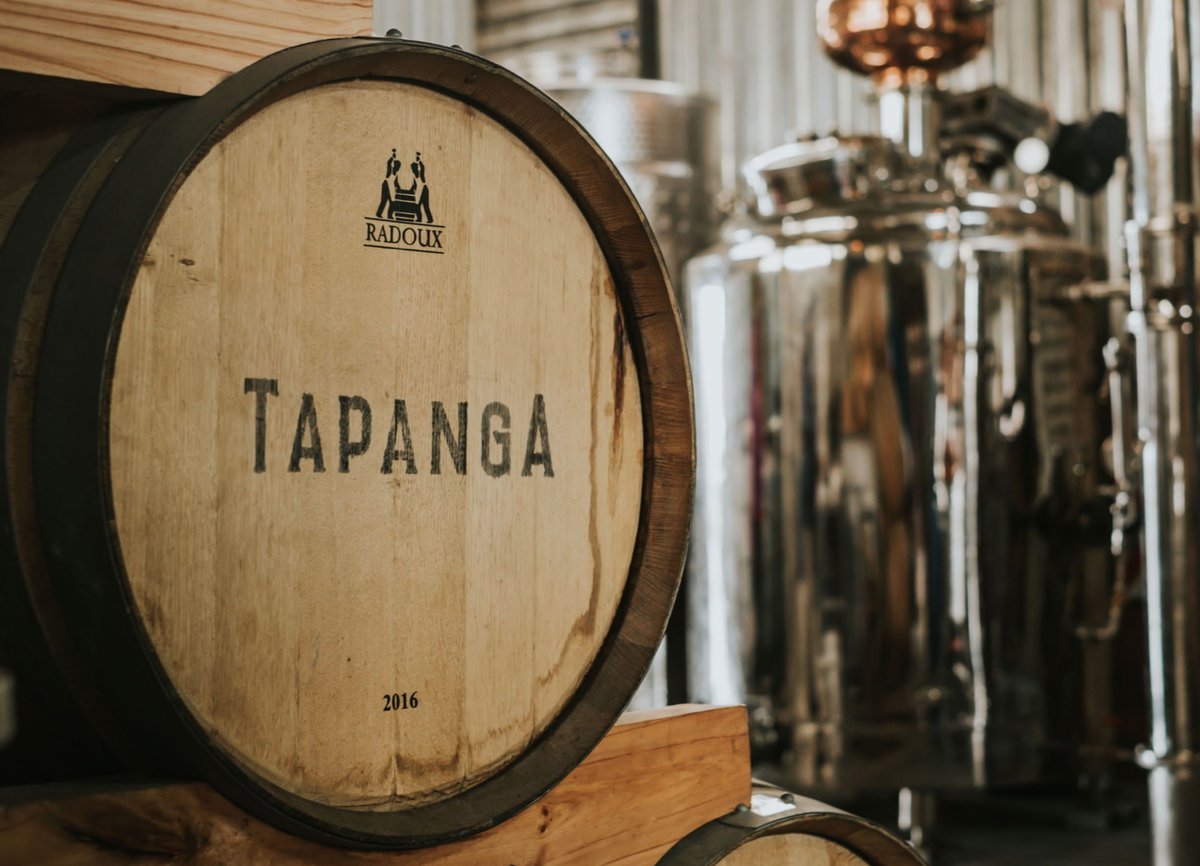
About Zululand Distilling Co. (Tapanga Rum)
A specialist rum-led stop in Gingindlovu, Zululand Distilling Co. (Tapanga Rum) is worth the planning effort for travelers who care about spirits more than a broad wine-estate day. Booking is difficult, so treat it as a targeted appointment rather than a casual add-on.
Zululand Distilling Co. (Tapanga Rum) is a Gingindlovu venue with a casual dress code and 2 Star Prestige recognition from 2025. Those are the key confirmed details, they are useful starting points for understanding how to approach the listing. The recognition gives the venue a defined quality marker, while the casual dress code suggests that visitors do not need to plan for a formal wardrobe. Beyond those confirmed points, however, specific visitor details such as hours, booking requirements, food service, pricing, tasting format should be checked directly with the venue before planning around it.
The safest way to frame the visit is as a Gingindlovu stop for travelers specifically interested in Zululand Distilling Co. (Tapanga Rum), rather than as a fully documented hospitality experience. In practical terms, that means treating the venue as a point of interest that merits confirmation, not as a complete itinerary anchor with every detail already settled. If your itinerary depends on a meal, a fixed opening window, or a particular service format, verify those details in advance. That extra step is especially important for travelers building a day around timing, transport, or other commitments in the area.
A Gingindlovu stop with limited confirmed public detail
The confirmed quality signal is 2 Star Prestige recognition from 2025. That gives the venue a clear point of distinction, it helps separate it from a generic listing with no stated marker at all. Still, recognition on its own does not confirm the practical details travelers often need, such as whether reservations are required, how visits are structured, or what is available on site. It should be read as a useful endorsement of standing, not as a substitute for current visitor information.
Because the verified information is intentionally limited, plan with care. Treat the venue as a specific Gingindlovu destination to confirm before arrival, avoid assuming that it will operate in the same way as other distillery or tasting-room stops. A simple confirmation can help clarify whether the visit fits your schedule and expectations. Use other Gingindlovu dining or travel plans generically as backups if your schedule is tight, particularly if you are coordinating around a meal, a narrow travel window, or a group with different needs.
Who should choose this over a broader tasting day
Choose Zululand Distilling Co. (Tapanga Rum) if you are comfortable planning around a venue with limited confirmed visitor information and you specifically want to include it in a Gingindlovu itinerary. It suits travelers who are willing to do a little advance checking and who understand that the published details do not answer every practical question. The casual dress code keeps expectations relaxed, but it does not establish the format of the visit. It also should not be taken to imply anything about food, tastings, reservations, pricing, or the amount of time to set aside.
For broader South African distillery context, travelers may also compare it with Clarens Distillery, De Vry Distillery, Distillery 031, Lions River Craft Distillery, or Mhoba Rum Distillery. Those references are useful for orientation, especially if you are trying to understand how this Gingindlovu stop might sit within a wider interest in distilleries and rum-focused travel. They can help frame expectations at a high level, but they should not be treated as evidence of Zululand Distilling Co. (Tapanga Rum)'s hours, services, menu, or visitor setup. The most reliable approach remains to use the confirmed recognition and dress-code details as the baseline, then check directly for everything that affects the actual visit.
Frequently Asked Questions
How long should I plan for a visit to Zululand Distilling Co. (Tapanga Rum)?
No specific visit length is confirmed. If you want to include Zululand Distilling Co. (Tapanga Rum) in a Gingindlovu itinerary, check the venue's official channels before you go.
What is the flagship product at Zululand Distilling Co. (Tapanga Rum)?
No specific flagship product is confirmed in the verified information. The confirmed facts are that Zululand Distilling Co. (Tapanga Rum) is in Gingindlovu, has a casual dress code, holds 2 Star Prestige recognition from 2025.
Does Zululand Distilling Co. (Tapanga Rum) serve food?
Food service is not confirmed. If you need a meal as part of the visit, verify current details directly with the venue before traveling to Gingindlovu.
Does Zululand Distilling Co. (Tapanga Rum) offer memberships or ordering options?
No membership or ordering details are confirmed. Check the venue's official channels for any current membership, ordering, or visitor information.
Do I need a reservation at Zululand Distilling Co. (Tapanga Rum)?
Reservation requirements are not confirmed. If your schedule depends on visiting Zululand Distilling Co. (Tapanga Rum), confirm arrangements directly before going to Gingindlovu.
Can Zululand Distilling Co. (Tapanga Rum) handle large groups?
Large-group capacity is not confirmed. Groups should check directly with the venue before committing to a visit, especially if they need a structured experience or a specific time.
When is the best time to visit Zululand Distilling Co. (Tapanga Rum)?
No specific best time, opening schedule, or service window is confirmed. Plan only after checking the venue's current information for Gingindlovu.
Location
Gingingdlovu, 3800, KwaGingindlovu
Gingindlovu, South Africa
Compare Zululand Distilling Co. (Tapanga Rum)
| Venue | Location | Awards |
|---|---|---|
| Zululand Distilling Co. (Tapanga Rum) | Gingindlovu | Pearl 2 Star Prestige (2025) |
| Distillery 031 | Durban | , |
| Lions River Craft Distillery | Lions River | , |
| Clarens Distillery | Clarens | , |
| Mhoba Rum Distillery | Malelane | , |
| De Vry Distillery | Oranjeville | , |
How Zululand Distilling Co. (Tapanga Rum) Review compares with similar nearby venues.
Also Consider
- Distillery 031, Notable alternative
- Lions River Craft Distillery, Notable alternative
- Clarens Distillery, Notable alternative
- Mhoba Rum Distillery, Notable alternative
- De Vry Distillery, Notable alternative
How it compares with nearby and regional distillery options
Zululand Distilling Co. is the pick for rum-focused travelers who are willing to work around difficult access. Distillery 031 is a better fit if the plan needs a more urban distillery angle, while Lions River Craft Distillery is the easier cross-shop for travelers building a countryside spirits route.
For a broader trip where ambience matters as much as the bottle, compare it with Clarens Distillery and De Vry Distillery. Those make more sense when the group wants a lower-pressure stop and less booking friction. Zululand Distilling Co. is stronger when the group already knows it wants rum rather than a general tasting.
Mhoba Rum Distillery is the closest conceptual comparison because it also speaks to serious rum interest. If only one rum producer can fit into the itinerary, choose based on route convenience first, then booking certainty. For mixed groups, pick the venue with the easier confirmed plan rather than forcing a hard-to-secure stop.
Explore Gingindlovu
Save or rate Zululand Distilling Co. (Tapanga Rum) on Pearl
Keep this venue in your Pearl passport, rate it after you visit, and track it alongside every other place you collect.