

Winery in Gimli, Canada
Gimli Distillery
500Pearl PointsSpirit-first stop
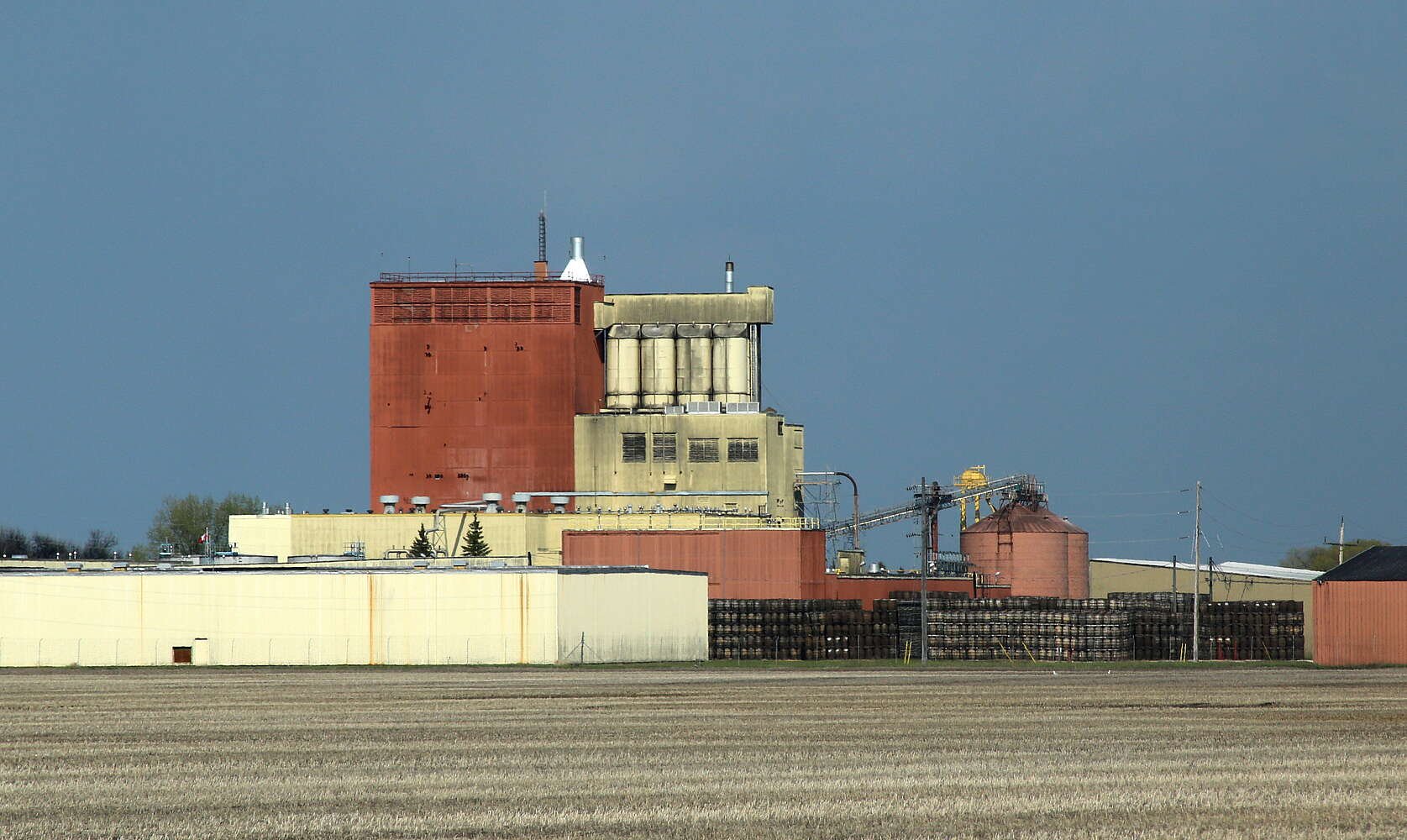
About Gimli Distillery
Gimli Distillery is worth considering as a targeted Manitoba spirits stop, not as a full winery-style afternoon with confirmed food or hospitality programming. First-timers should plan conservatively, keep the visit compact, use it as one piece of a wider Gimli itinerary rather than the anchor for the whole day.
Gimli Distillery is a distillery in Gimli with limited verified public detail available for planning. The confirmed basics are direct: the dress code is casual, the venue holds Pearl 2 Star Prestige recognition for 2025. Those points are enough to identify it as a relevant stop for travelers who are specifically interested in the distillery itself, but they are not enough to describe a complete visitor experience. Beyond that, travelers should avoid assuming specific visitor services, food, seating, tasting formats, hours, pricing, or group arrangements unless they confirm those details directly before going. In practical terms, the absence of verified detail matters as much as the facts that are available, because it shapes how much time, expectation, itinerary weight the stop should carry.
The practical call: consider Gimli Distillery if the venue itself is the draw, but do not build the whole trip around unverified hospitality extras. Treat it as a logistics-first stop in Gimli, then make separate plans for meals, drinks, hotels, or other activities as needed. That approach keeps the distillery in the day without requiring it to provide more than the confirmed information supports. Other dining in Gimli can round out the day if you want a longer itinerary, especially if you prefer a plan that does not depend on unknown food service, seating availability, or a particular tasting format at the distillery. The best use of the stop is therefore focused and flexible: worthwhile for the right traveler, but not something to over-script without direct confirmation.
Plan it as a short distillery stop, not a fully detailed visitor itinerary
The strongest verified reason to keep Gimli Distillery on a shortlist is simple: it is a distillery in Gimli, with Pearl 2 Star Prestige status in 2025. That makes it relevant for travelers interested in distilling, the recognition gives the name a clearer point of reference than an unverified listing alone. Still, the available verified facts do not support detailed claims about a visitor program, food service, seating, tastings, or a regular schedule. The distinction is important: recognition and basic venue identity help establish why the place may matter, while visitor-planning details determine what the experience will actually look like on the ground. Here, the first category is clear enough to mention; the second should be treated as unconfirmed until checked directly.
For most travelers, the safer itinerary is compact and flexible. Confirm current visitor details directly before committing your timing, keep backup plans in Gimli in case the stop is brief or limited. This is especially useful if you are traveling with anyone who needs reliable seating, a firm schedule, specific food options, or a predictable group setup, because none of those elements should be presumed from the available information. A short-stop mindset also leaves room to adjust if the distillery visit turns out to be quick, informal, or not aligned with what you expected. If you are comparing distillery names more broadly, Alberta Distillers, Black Velvet Distillery, Canadian Mist Distillery, Forty Creek Distillery, Gimli Distillery can be considered as distinct points of reference rather than as one local scene. That comparison is best kept broad and category-based, not turned into an assumption that they offer the same visitor format or trip-planning value. Inniskillin is a separate comparison point, useful for orienting a broader beverage-interest conversation without treating it as the same kind of stop.
Frequently Asked Questions
Can Gimli Distillery handle large groups?
There is no verified group-capacity information available here. Large groups should contact Gimli Distillery directly before planning a visit to Gimli. The confirmed details are that the dress code is casual and the venue holds Pearl 2 Star Prestige recognition for 2025.
Does Gimli Distillery serve food?
There is no verified food-service information available here. If you want lunch or a longer meal, make separate dining plans in Gimli and confirm any current offerings with the venue directly.
Does Gimli Distillery offer shipping?
There is no verified shipping information available here. Gimli Distillery is best described only as a distillery in Gimli with Pearl 2 Star Prestige recognition for 2025. Check the venue's official channels for current details.
Does Gimli Distillery offer memberships or clubs?
There is no verified membership or club information available here. Do not plan a visit around a club membership unless Gimli Distillery confirms that option directly.
What is Gimli Distillery known for?
The confirmed information identifies Gimli Distillery as a distillery in Gimli, with casual dress and Pearl 2 Star Prestige recognition for 2025. No specific product, service format, or visitor program is verified here.
How long should I plan for a visit to Gimli Distillery?
There is no verified visit-length information available here. Plan flexibly, confirm current visitor details directly with Gimli Distillery, keep backup plans in Gimli if needed.
Location
19107 Seagram Rd, Gimli, Manitoba, R0C
Gimli, Canada
Compare Gimli Distillery
| Venue | Location | Awards |
|---|---|---|
| Gimli Distillery | Gimli | Pearl 2 Star Prestige (2025) |
| Black Velvet Distillery | Lethbridge | , |
| Alberta Distillers | Calgary | , |
| Canadian Mist Distillery | Collingwood | , |
| Forty Creek Distillery | Grimsby | , |
| Inniskillin | Niagara Falls | , |
How Gimli Distillery compares with similar nearby venues.
Also Consider
- Black Velvet Distillery, Notable alternative
- Alberta Distillers, Notable alternative
- Canadian Mist Distillery, Notable alternative
- Forty Creek Distillery, Notable alternative
- Inniskillin, Notable alternative
How it compares with Canadian distillery and winery peers
Choose Gimli Distillery if the priority is a Gimli-based spirits stop and the location fits an existing Manitoba route. If the trip is more flexible, Black Velvet Distillery and Alberta Distillers are stronger cross-shops for readers focused on Canadian whisky names rather than a specific Gimli itinerary.
For a more established visitor-facing wine-country frame, Inniskillin is the clearer alternative, especially for travelers who want the winery format rather than a distillery address. Forty Creek Distillery and Canadian Mist Distillery sit closer to the spirits comparison set, so they are better benchmarks if the decision is about Canadian distilling rather than Gimli itself.
If you cannot make the logistics work, cross-shop Black Velvet Distillery in Lethbridge, Alberta Distillers in Calgary, Canadian Mist Distillery in Collingwood, Forty Creek Distillery in Grimsby, or Inniskillin in Niagara Falls. Broader wine-focused alternatives include Mission Hill Family Estate in West Kelowna, Naked Mountain Winery & Vineyard in Markham, 00 Wines in Carlton, Crowded Barrel Whiskey Co. in Austin, 1310 Spirit of the Country Distillery in Sierning.
Explore Gimli
Save or rate Gimli Distillery on Pearl
Keep this venue in your Pearl passport, rate it after you visit, and track it alongside every other place you collect.