

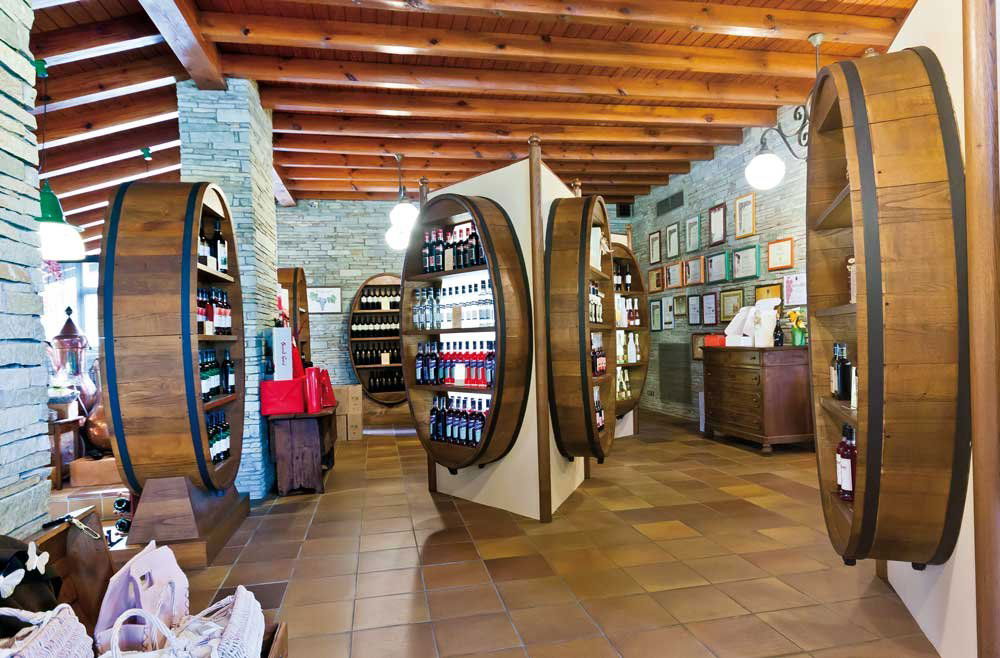
Fratelli Francoli
Ghemme
Winery in Ghemme, Italy
 Book with Pearl
The Read
Novara Hills Nebbiolo
Why go
Fratelli Francoli is worth prioritizing for a focused Ghemme itinerary, especially if producer credibility matters more than a casual tasting-room setup. Plan ahead, keep the day flexible, and treat it as an anchor stop rather than a quick add-on. Travelers who need easy public logistics or a loose group format should compare alternatives first.
About Fratelli Francoli
Treat it as a stop that merits a direct check before you build a day around it.
The practical verdict is cautious: consider Fratelli Francoli if Ghemme is already part of your itinerary and you are comfortable checking current arrangements directly with the venue.
Plan Ghemme around key details, then keep the rest flexible
Use broader Ghemme planning resources as a starting point, then check any details that matter directly with the venue. That approach keeps the day grounded while leaving room to confirm specifics before you arrive.
If you are comparing options, keep the frame broad and accurate. Distilleria Alpe, Distilleria Magnoberta, Eugin Distilleria Indipendente, Illva Saronno (Disaronno), and Lazzaroni (Ditta Paolo Lazzaroni & Figli) can provide wider comparison context, while other venues in Ghemme should be considered generically unless you have current details for a specific place.
The right guest is focused, not just passing through
Fratelli Francoli is best approached by guests who are already interested in Ghemme and are willing to check the details that matter to them before arriving. The smart casual dress code points to a polished but not overly formal expectation.
Planning details
- Location
- Via Romagnano, 20, 28074 Ghemme NO
- Website
- francoli.it
- Phone
- +39 0163 844711
The take
The Take
The Vibe
Fratelli Francoli sits quietly in the Novara hills, feeling like a discreet discovery rather than a stage-managed tourist stop. The operation is embedded in working Piedmontese countryside, where tractor-priority roads and hedgerow-interrupted vine rows replace manicured visitor viewpoints. That low-key, centuries-old winemaking context gives the place a historic, unvarnished charm: it rewards visitors who are interested in terroir and the subtleties of Nebbiolo that emerge from these glacial and volcanic soils. The mood is reflective and understated, ideal for travelers who prefer authenticity and slow appreciation over spectacle.
Best For
Fratelli Francoli is best for people focused on wine education and solo exploration. The differences in terroir and Nebbiolo expression make it a strong stop for serious itineraries that probe how place shapes tannin and aromatics. The setting, an embedded producer in agricultural countryside rather than a tourism-driven estate, suits travelers who enjoy studying vineyards, reading subtle stylistic distinctions, and taking a measured approach to tasting rather than a rapid, checklist-driven visit.
Tasting Tips
Expect a visit that privileges patience and preparation. Ghemme’s Nebbiolo can be finer and slower to open than Langhe examples, so approach tastings with time and a focus on structural and aromatic detail. Note practicalities too: Fratelli Francoli is embedded in working countryside, so plan to drive rural roads (where tractors have right of way) rather than rely on built tourist infrastructure. Keep expectations centered on terroir insight rather than polished hospitality: this is a place that rewards careful attention.
Venue details
Tags
Vibe
Best For
Experience
View
At the Vineyard
- Appellation
- Ghemme DOCG
- Varietals
- Nebbiolo, Vespolina, Erbaluce
- Visits
- By appointment only
- Wine Styles
- Still Red
- Wine Club
- Not available
Know before you go
Know Before You Go
- Getting there
- Via Romagnano, 20, 28074 Ghemme NO
Planning details
Location
Also consider
Also Consider
- Lazzaroni (Ditta Paolo Lazzaroni & Figli), Notable alternative
- Illva Saronno (Disaronno), Notable alternative
- Distilleria Alpe, Notable alternative
- Distilleria Magnoberta, Notable alternative
- Eugin Distilleria Indipendente, Notable alternative
Winery context
How It Compares
Fratelli Francoli is the stronger pick if the trip is centered on Ghemme and the goal is a producer-led stop with recent recognition behind it. Lazzaroni (Ditta Paolo Lazzaroni & Figli) and Illva Saronno (Disaronno) are better cross-shops for travelers who want a broader Italian spirits reference point rather than a Ghemme-specific plan.
For ease, compare against Distilleria Alpe and Distilleria Magnoberta before committing, especially if the group needs a simpler fallback. Fratelli Francoli makes more sense when the itinerary can absorb tighter planning; those peers are safer comparison points when flexibility matters more than anchoring the day around one address.
Eugin Distilleria Indipendente is the better contrast for readers looking at smaller-scale independent energy. Choose Fratelli Francoli for a Ghemme-focused, recognition-backed stop; choose Eugin if the priority is a more contemporary independent distillery comparison within the same broader category.
Explore Ghemme
Around this place
Discover more on Pearl
Unlock the full Fratelli Francoli guide in Pearl, including awards, comparisons, FAQs, planning details, and nearby places.
Compare Fratelli Francoli
| Venue | Location | Awards |
|---|---|---|
| Fratelli Francoli | Ghemme | No published awards |
| Lazzaroni (Ditta Paolo Lazzaroni & Figli) | Saronno | No published awards |
| Illva Saronno (Disaronno) | Saronno | No published awards |
| Distilleria Alpe | Hône | No published awards |
| Distilleria Magnoberta | Casale Monferrato | No published awards |
| Eugin Distilleria Indipendente | Meda | No published awards |
How Fratelli Francoli Ghemme compares with similar nearby venues.
FAQ
Frequently Asked Questions
Is Fratelli Francoli worth planning around?
If that recognition is relevant to your plans, it may be worth considering, but current practical details should be checked directly.
Do I need a reservation at Fratelli Francoli?
Direct confirmation is the safest step before visiting Fratelli Francoli in Ghemme.