

Allegrini
Fumane
Winery in Fumane, Italy
 Book with Pearl
The Read
Classico Terroir Authority
Why go
Book Allegrini if the goal is a serious Valpolicella anchor visit in Fumane, especially for a couple's celebration or wine-focused day. It is less suited to spontaneous tasting-room hopping, since the stronger play is to secure this stop first and build the itinerary around it.
About Allegrini
Should you visit Allegrini in Fumane? Consider it if you are looking for a premium stop with confirmed 2025 recognition. Allegrini is in Fumane, carries 2 Star Prestige for 2025 and Decanter World Wine Awards Derived Winery Prestige for 2025, and notes a smart casual dress code.
Use Allegrini as a focused Fumane option while planning the rest of your itinerary. For broader trip planning, layer in meals from Our full Fumane restaurants guide and check current details directly with the venue before making plans.
For a polished Fumane stop, confirm the details before filling the rest of the itinerary
Allegrini's confirmed recognition makes it a credible premium choice in Fumane, but the practical details should be confirmed before you commit to a schedule. The safest approach is to use the venue's own channels as the final source for planning.
The dress code is smart casual, so plan for a neat, polished visit rather than arriving as if it were a fully informal stop. Value depends on what Allegrini is offering at the time of your visit, so avoid assuming a specific experience until you have confirmed it directly.
How to place it in a wider itinerary
Place Allegrini in the itinerary as a Fumane venue with confirmed 2025 prestige recognition, then compare it with other relevant names such as Allegrini, Bertani, Giuseppe Quintarelli, Masi, Masi Agricola S.p.A. and Tommasi when deciding how to structure the wider trip. The grounded verdict is simple: consider Allegrini if its Fumane location, smart casual tone, and confirmed 2025 recognition match your plans; otherwise, compare it with other options before committing.
Planning details
- Location
- Via Giare, 9/11, 37022 Fumane VR
- Website
- allegrini.it
- Phone
- +39 045 683 2011
The take
The Take
The Vibe
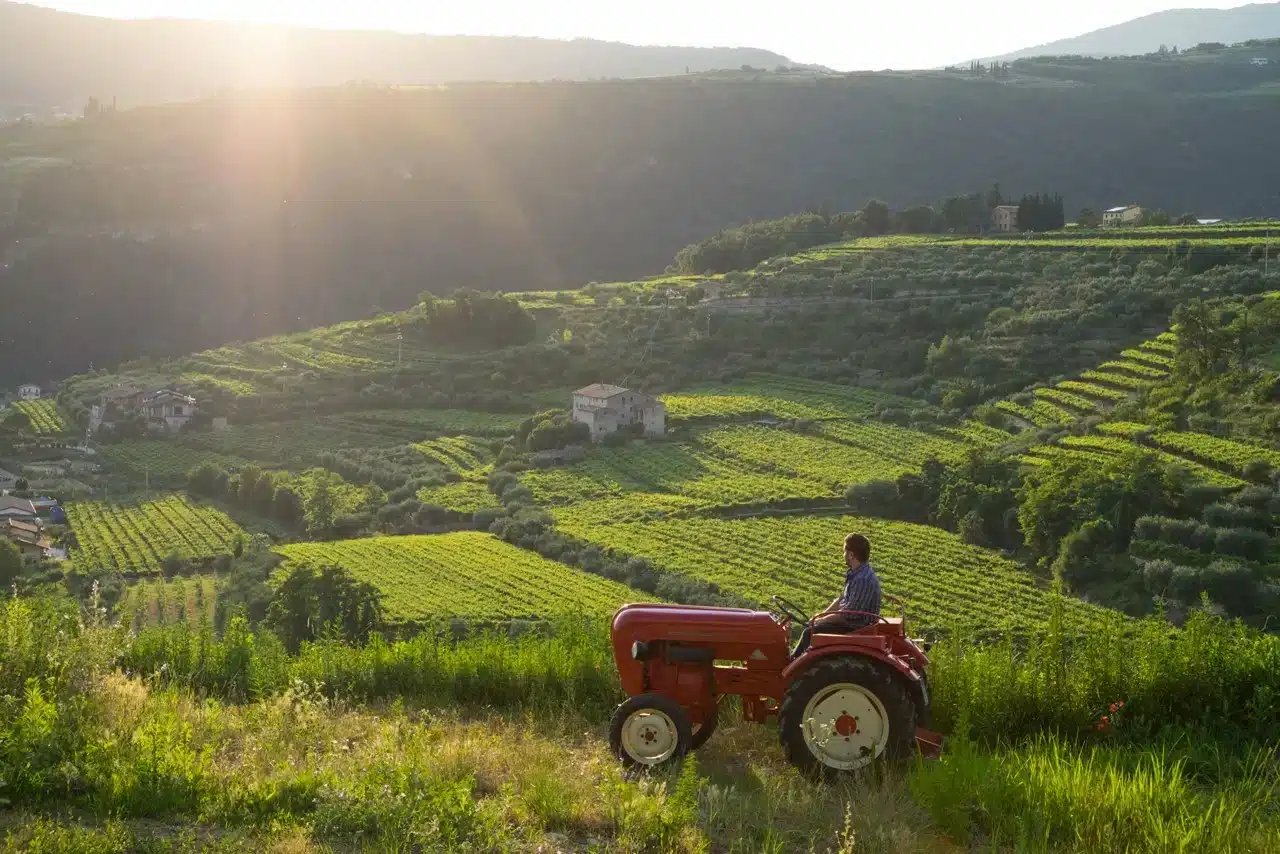
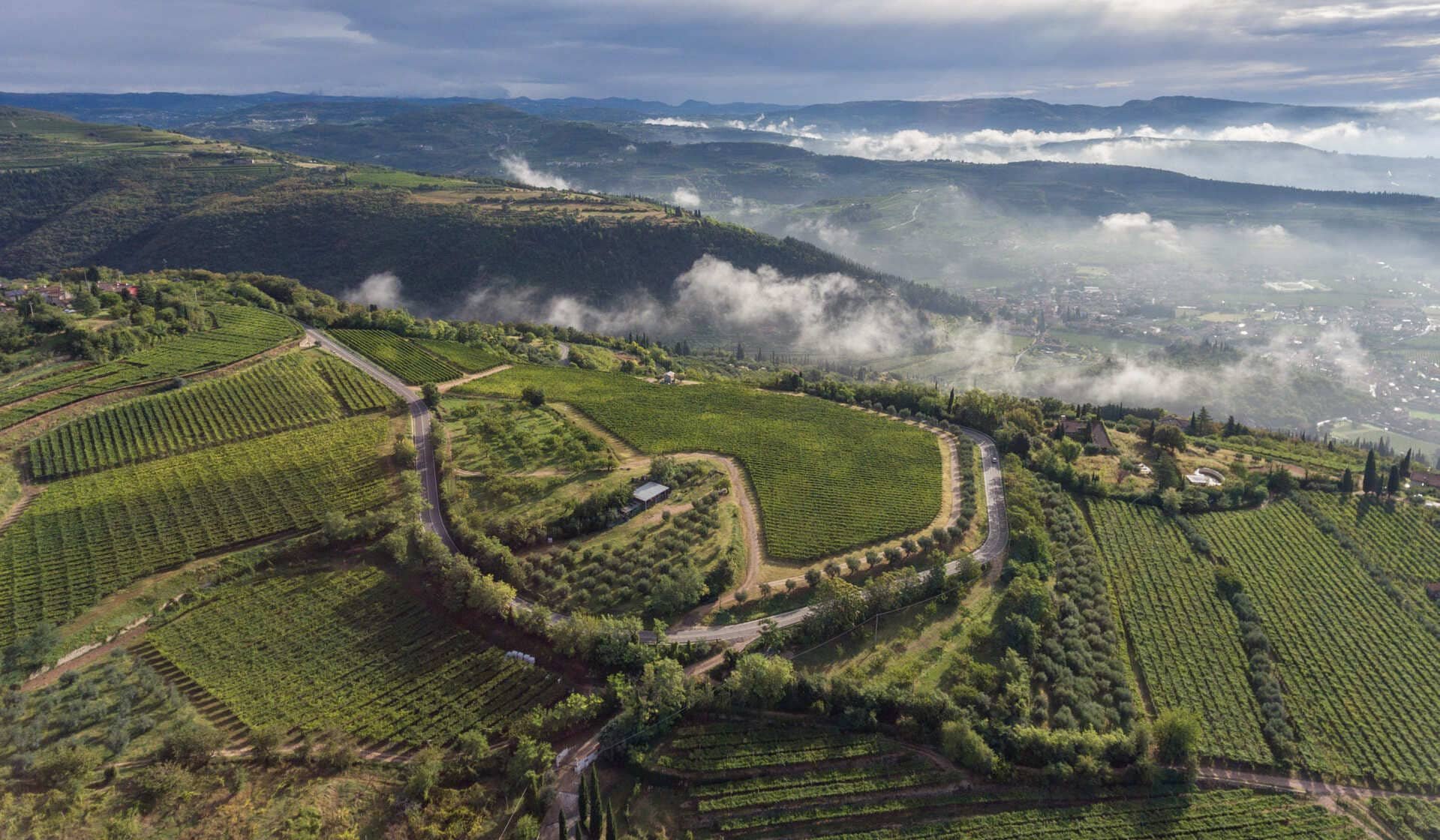
Allegrini reads like a vineyard rooted in history and geological argument: the copy foregrounds the "historic Classico subzone" and the oldest expressions of Corvina-driven Valpolicella rather than marketing rhetoric. The writing emphasizes topography, terraced limestone and basalt-laced soils, altitude and thermal shifts that give the wines their structural tension. The overall impression is one of considered, terroir-led production — calm and purposeful rather than flashy — where landscape and geology are central to the identity of the house and its wines.
Best For
This estate is best for visitors who come to study place and structure: students of terroir, serious tasters and collectors who want to evaluate how altitude, soil and diurnal temperature swings shape Valpolicella wines. The account of disciplined yields and phenolic development, plus the 2025 Decanter medals and a Pearl 2 Star Prestige award, positions Allegrini as a stop for people seeking mid-to-upper-tier, terroir-expressive bottlings rather than casual, mass-market tasting-room experiences.
Tasting Tips
When exploring Allegrini's range, prioritize Corvina-based expressions that highlight acidity, structure and mineral tension — the text identifies Corvina and Corvinone as the architectural grapes of the region. Look to the estate's higher-tier bottlings that earned Decanter recognition and the Pearl 2 Star Prestige award for a clearer sense of its stylistic aims. Ask about single-parcel or Classico-designated cuvées and vineyard-specific bottlings to experience how altitude and clay-limestone soils alter concentration and phenolic development.
Venue details
Ambiance
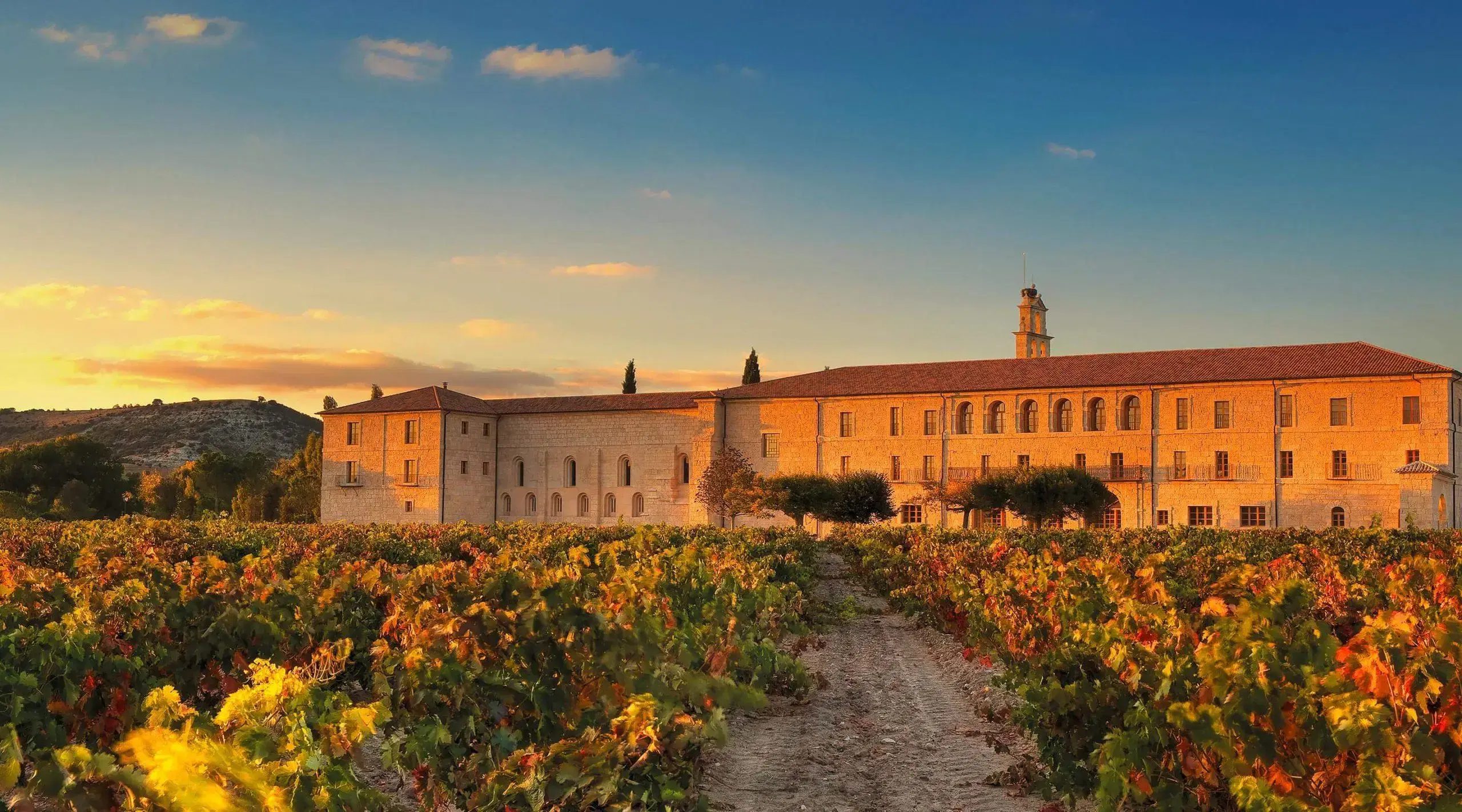
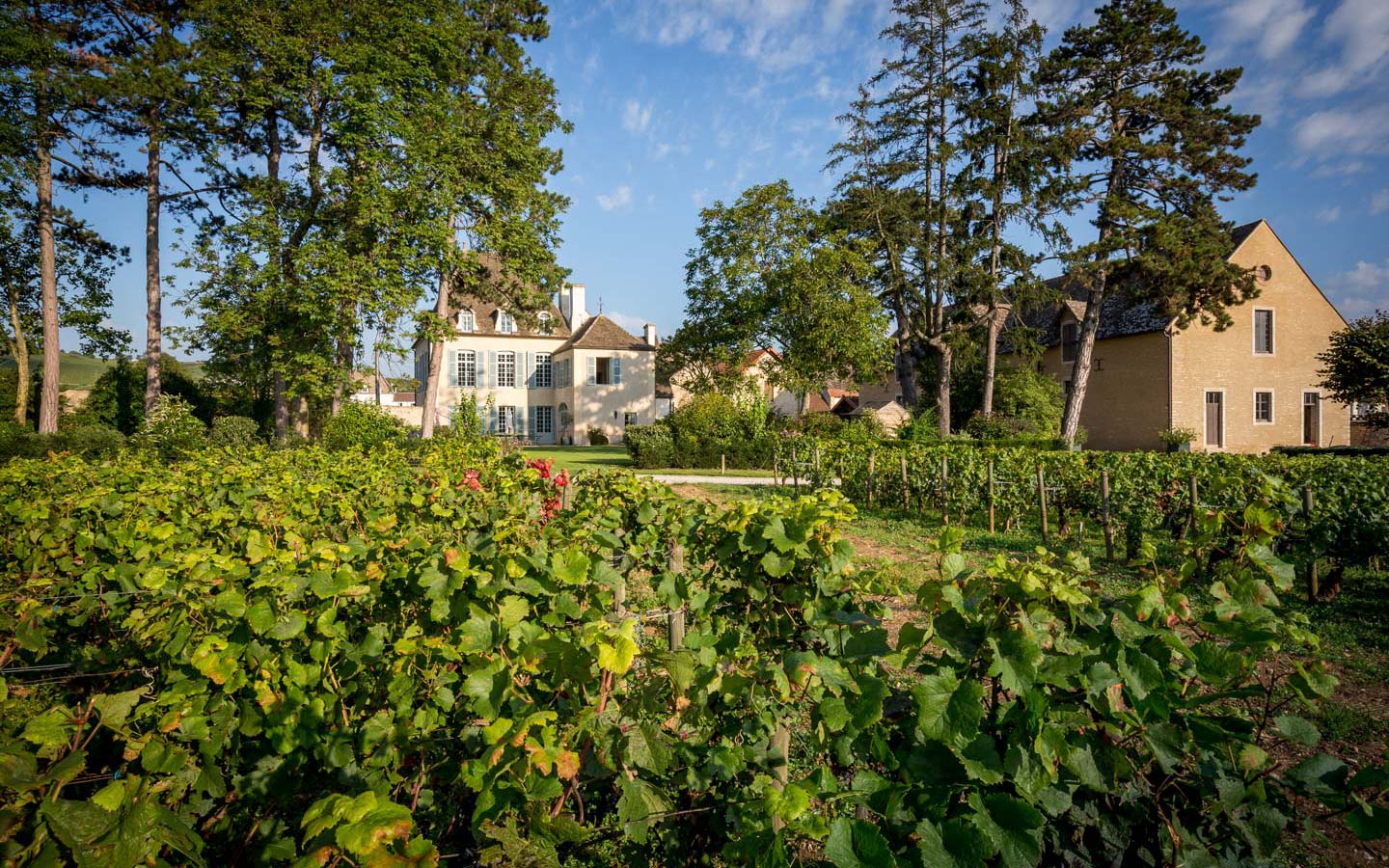
Beautiful historic villa amid vineyards with peaceful, elegant atmosphere, lush grounds, and warm, professional hospitality.
Tags
Vibe
Best For
Experience
Sourcing
View
At the Vineyard
- Appellation
- Valpolicella Classica
- Varietals
- corvina, rondinella, oselata, sangiovese, cabernet sauvignon
- Tour Duration
- 60-90 minutes
- Tour Languages
- English, Italian, German
- Visits
- By reservation
- Farming
- Sustainable
- Production
- Mid-size producer
- Wine Styles
- Still Red
- Food Pairing
- Offered
- Wine Club
- Not available
Know before you go
Know Before You Go
- Getting there
- Via Giare, 9/11, 37022 Fumane VR
Planning details
Location
Recognition and awards

Also consider
If this is hard to schedule
Try Tommasi first if the priority is a credible Valpolicella visit with a simpler itinerary shape. For a more collector-driven backup, check Giuseppe Quintarelli, then add Bertani if the day needs another established regional name.
Winery context
How it compares in Fumane and Valpolicella
Choose Allegrini when the priority is a polished Valpolicella-focused visit with strong recognition and a special-occasion feel. Masi and Masi Agricola S.p.A. are better cross-shops for travelers who want a broader name-recognition play, while Tommasi is the safer comparison for visitors trying to balance winery credibility with a potentially more conventional itinerary.
Giuseppe Quintarelli is the tougher emotional comparison for collectors: if that is the dream booking, start there, then use Allegrini as the more practical regional anchor if access or timing does not work. Bertani makes sense for travelers who want another established Valpolicella name and are building a two-winery day rather than betting everything on one appointment.
For value, the right question is not lowest tasting cost; it is whether the visit gives enough regional clarity for the time spent in Fumane. Allegrini is strongest for couples, client hosting, and celebration trips where a calm, serious winery atmosphere matters. For easier scheduling, start with Tommasi or Bertani as backups; for collector cachet, compare first with Giuseppe Quintarelli.
Explore Fumane
Around this place
Discover more on Pearl
Unlock the full Allegrini guide in Pearl, including awards, comparisons, FAQs, planning details, and nearby places.
Compare Allegrini
| Venue | Location | Awards |
|---|---|---|
| Allegrini | Fumane | 2026 Falstaff Winery Guide2025 Decanter Winery Prestige |
| Masi | Sant'Ambrogio di Valpolicella | No published awards |
| Masi Agricola S.p.A. | Sant'Ambrogio di Valpolicella | No published awards |
| Tommasi | Pedemonte (San Pietro in Cariano) | No published awards |
| Giuseppe Quintarelli | Negrar | 2026 Falstaff Winery Guide |
| Bertani | Grezzana | 2026 Falstaff Winery Guide |
How Allegrini Fumane compares with similar nearby venues.
FAQ
Frequently Asked Questions
How long should I plan for a visit to Allegrini?
Plan your timing based on Allegrini's current format and schedule before building the rest of your Fumane itinerary around it.
When is the best time to visit Allegrini?
Contact Allegrini directly before choosing a time, especially if you are coordinating it with other plans in Fumane.
Is the wine club at Allegrini worth joining?
If membership matters to your visit, ask Allegrini directly about current terms, availability, and benefits before deciding.
Does Allegrini ship wine?
What other names can I compare with Allegrini?
For comparison, consider names such as Masi, Tommasi, Giuseppe Quintarelli, Bertani, Masi Agricola S.p.A. and Allegrini when researching the wider area. Confirm each venue's current location details, visit options, and availability directly before planning a route.