
Winery in Fredericksburg, United States
Lost Draw Cellars
500ptsHill Country Prestige Viticulture
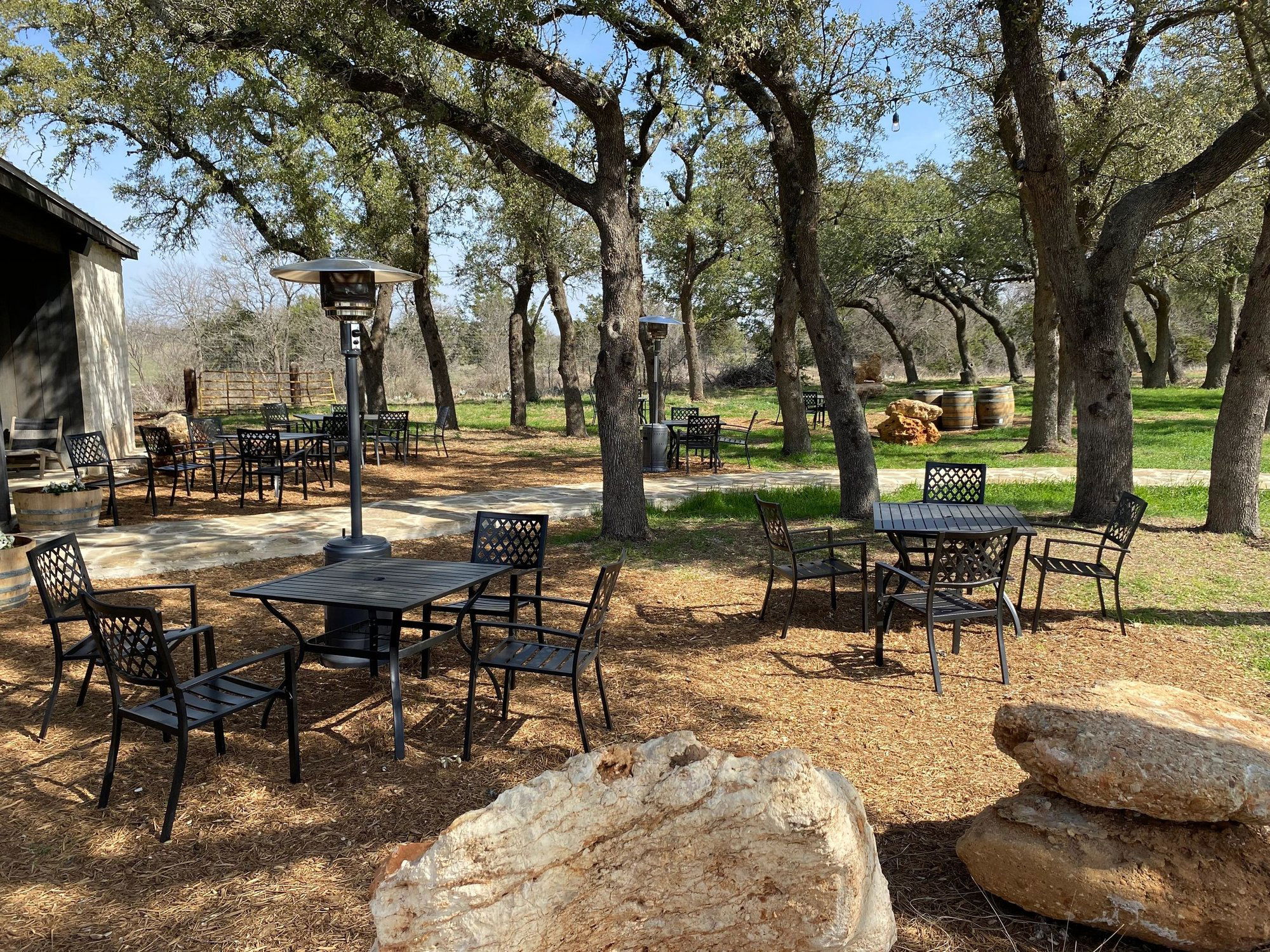
About Lost Draw Cellars
Lost Draw Cellars, located along the US-290 Wine Road in Johnson City, Texas, holds a Pearl 2 Star Prestige rating for 2025, placing it among the upper tier of Hill Country producers. The winery sits within the broader Fredericksburg wine corridor, a region that has drawn serious producers alongside its well-trafficked tasting rooms. For visitors tracing the Hill Country's more focused, terroir-conscious producers, Lost Draw is a considered stop.
The Hill Country Tasting Room, Reconsidered
US-290 through the Texas Hill Country is one of the more densely packed wine corridors in the American South, and that density creates a sorting problem for visitors. Between Fredericksburg and Johnson City, tasting rooms range from production-scale operations with festival lawns to small-batch producers where the conversation turns quickly to soil composition and growing-season rainfall. Lost Draw Cellars, addressed at 1686 US-290 in Johnson City, occupies the latter end of that spectrum. The approach along the highway gives little away, but the Pearl 2 Star Prestige rating it earned in 2025 signals where it sits in the regional hierarchy: above the casual-pour tier and inside the cohort of producers where the wine itself carries the visit.
Where Lost Draw Sits in the Texas Wine Conversation
Texas wine has spent the better part of two decades shaking a novelty tag. The Hill Country AVA, and the smaller sub-appellations carved from it, now supply credible production data, not just enthusiasm. Within that framework, a Pearl 2 Star Prestige designation in 2025 is a substantive marker. It positions Lost Draw Cellars alongside a peer group of Hill Country producers recognised for consistent quality rather than volume or marketing reach. Comparable operations in the Fredericksburg corridor include Grape Creek Vineyards, Hilmy Cellars, and Inwood Estates Vineyards, each representing a different production philosophy and tasting-room format. What separates the prestige tier from the broader field is typically a commitment to fruit sourcing, cellar discipline, or both — and Lost Draw's 2025 recognition suggests it has made that case to evaluators.
For context at the national level, the Hill Country's serious producers are increasingly benchmarked against established American wine regions rather than simply against each other. Properties like Adelaida Vineyards in Paso Robles or Adelsheim Vineyard in Newberg have demonstrated that warm-climate and transitional-climate American AVAs can generate wines that hold their own in serious company. Texas has a different set of climatic constraints — heat accumulation, caliche soils, humidity pressure in some sub-zones , but the producers who have learned to work with those conditions rather than against them are now producing wines that merit that national comparison.
Viticulture in the Hill Country Context
The sustainability conversation in American wine has migrated from being a differentiator to being closer to a baseline expectation among serious producers. Certified organic and biodynamic programmes in California, Oregon, and Washington have normalised the language of regenerative viticulture, and that vocabulary is now reaching Texas. The Hill Country's climate presents particular challenges for low-intervention growing: high summer temperatures, irregular rainfall, and Pierce's disease pressure push many growers toward practical compromises. The producers who navigate those constraints with the least chemical intervention, and who document their approach openly, tend to occupy the upper credibility tier regardless of certification status.
Lost Draw Cellars' Pearl 2 Star Prestige rating in 2025 places it within a group of producers evaluated on production quality and sourcing integrity, both of which are increasingly tied to how fruit is grown. Texas's better producers have moved toward designated vineyard sourcing in the High Plains AVA around Lubbock, where cooler nights and better diurnal range produce fruit with more structural tension than purely Hill Country-grown grapes. Whether Lost Draw sources from the High Plains, the Hill Country, or a combination is specific information not confirmed in available data, but the broader pattern among prestige-tier Texas producers is toward transparent, designated sourcing rather than generic Texas appellations. For visitors interested in how a winery approaches its fruit, that conversation is worth having at the tasting bar. Narrow Path Winery and Adega Vinho represent other Fredericksburg-area operations with their own sourcing approaches, and comparing across visits clarifies the range of decisions being made in this corridor.
The regenerative viticulture conversation matters beyond Texas, of course. At the production level, properties like Alban Vineyards in Arroyo Grande and Andrew Murray Vineyards in Los Olivos have advanced the Rhône-varietal discussion in California in part because their viticultural choices are legible and consistent. The same logic applies in Texas: winemakers who can articulate why they make the growing decisions they do tend to produce wines that hold up to scrutiny in the glass.
Wines to Seek at the Tasting Room
Texas's prestige producers have largely converged on a short list of varieties that perform reliably in the state's climate: Tempranillo, Mourvèdre, Grenache, Viognier, and, in certain sub-zones, Albariño. That convergence reflects accumulated trial-and-error by the state's serious growers, and the leading current Texas wines in those varieties are competitive with mid-tier examples from their European and Californian counterparts. The Hill Country's top-rated producers, Lost Draw among them, tend to work in this Iberian and Rhône-inspired varietal range rather than chasing Napa-style Cabernet Sauvignon, which tends to produce over-ripe, low-acid results in Texas heat without significant winemaking intervention.
Specific wines and tasting notes from Lost Draw are not available in confirmed data, but the Pearl 2 Star Prestige recognition contextualises expectations. At this tier in the Hill Country, visitors should anticipate wines with genuine regional character rather than generic American varietals: structure that reflects careful cellar work, aromatic complexity tied to specific fruit sources, and a price point that reflects production investment. For comparison on what prestige-level small-production American wines look like at the premium end, Accendo Cellars in St. Helena and Alpha Omega Winery in Rutherford represent the Napa benchmark against which American premium producers increasingly measure themselves.
Planning a Visit Along US-290
Johnson City sits roughly 45 minutes west of Austin by car, and the US-290 corridor through to Fredericksburg is most manageable as a planned route rather than an impromptu stop. Lost Draw Cellars at 1686 US-290 is accessible from the main highway without significant detour. The Hill Country tasting room circuit runs busiest on weekends between April and November; weekday visits in the shoulder season allow for more direct engagement with staff, which matters at a prestige-tier property where production decisions are worth discussing. Phone and online booking details are not available in confirmed data; checking current hours and reservation requirements directly before a visit is advisable, particularly on holiday weekends when corridor traffic spikes. For a broader itinerary across the Fredericksburg wine region, the EP Club Fredericksburg guide maps the full range of producers and dining options across the corridor. Internationally, for travellers who contextualise American wine against European benchmarks, Achaia Clauss in Patras and Aberlour represent the kind of long-established regional producers that Texas's serious wineries are now beginning to track in terms of regional identity and production consistency. Alexander Valley Vineyards in Geyserville offers a useful domestic reference point for how a California producer builds a credible regional identity over decades.
Frequently Asked Questions
What is Lost Draw Cellars known for?
Lost Draw Cellars holds a Pearl 2 Star Prestige rating for 2025, placing it in the upper tier of Hill Country producers recognised for production quality and sourcing integrity. It is located along the US-290 corridor in Johnson City, Texas, within one of the state's most visited wine routes. The prestige recognition sets it apart from the high-volume tasting room operations that dominate the same stretch of highway.
What wines is Lost Draw Cellars known for?
Specific confirmed varietals from Lost Draw are not available in current data. Texas's top-rated producers at this tier generally work with warm-climate varieties including Tempranillo, Mourvèdre, Viognier, and Grenache, often sourcing fruit from the Texas High Plains AVA for structural precision. The 2025 Pearl 2 Star Prestige award suggests production consistent with that upper cohort of Texas winemaking.
Is Lost Draw Cellars more formal or casual?
Tasting rooms along the US-290 Hill Country corridor tend toward a relaxed format regardless of production tier. Lost Draw's prestige-level award does not imply a formal dress code or structured tasting protocol in the manner of a Napa tasting salon. At this level of recognition in Texas, the experience typically involves engaged conversation rather than ceremony, with pricing reflecting the quality tier rather than demanding formal attire or reservations weeks in advance. That said, specific format details should be confirmed directly with the venue.
How hard is it to get in to Lost Draw Cellars?
Confirmed booking and availability data for Lost Draw Cellars are not available in current records. The US-290 corridor runs at capacity on spring and autumn weekends, and prestige-tier properties in the region sometimes operate by appointment or have limited walk-in capacity during peak periods. Checking the winery's current policies before visiting, especially for weekend trips between April and November, is the practical approach. Weekday visits during the shoulder season generally offer better access across the corridor.
Related editorial
- Best Fine Dining Restaurants in ParisFrom three-Michelin-star icons to the next generation of Parisian chefs pushing boundaries, these are the restaurants that define fine dining in the world's culinary capital.
- Best Luxury Hotels in RomeFrom rooftop terraces overlooking ancient ruins to Michelin-starred hotel dining, these are the luxury hotels that make Rome unforgettable.
- Best Cocktail Bars in KyotoFrom sleek lounges to hidden speakeasies, Kyoto's cocktail scene blends Japanese precision with global influence in ways you won't find anywhere else.
Save or rate Lost Draw Cellars on Pearl
Keep this venue in your Pearl passport, rate it after you visit, and track it alongside every other place you collect.