
Boekenhoutskloof
Franschhoek Valley, Franschhoek
Winery in Franschhoek, South Africa
 Book with Pearl
The Read
Pearl Prestige Cellar Door
Why go
Boekenhoutskloof is worth prioritising if the Franschhoek plan is wine-led and you do not need a restaurant, garden-heavy estate day, or easy group logistics. First-time visitors may get a smoother all-round experience at Grande Provence, Mont Rochelle, or Haute Cabrière, but repeat visitors chasing a more focused cellar stop should keep it high on the list.
About Boekenhoutskloof
Boekenhoutskloof is a Franschhoek venue with Pearl 2 Star Prestige recognition for 2025. The dress code is smart casual. For planning, check practical details such as food service, hours, visitor format, capacity, pricing, and booking requirements directly before you go. Use it as a reliable starting point rather than a full set of practical instructions for arriving, dining, tasting, or arranging a visit.
Use this listing as a careful planning note rather than a complete itinerary brief. If you are comparing options, Grande Provence, Mont Rochelle, Haute Cabrière, Backsberg, and Mullineux & Leeu Family Wines are useful names to consider alongside Boekenhoutskloof. Make that comparison with current information from each venue before treating any stop as fixed. The value of this entry is that it identifies Boekenhoutskloof as a Franschhoek name with a specific 2025 recognition and a stated dress expectation, while avoiding assumptions that may not match the current visitor experience.
Choose it with the essentials in mind
The core details for Boekenhoutskloof are direct: it is in Franschhoek, it carries Pearl 2 Star Prestige recognition for 2025, and the dress code is smart casual. Those points are enough to place it on a serious shortlist, especially for readers already researching Franschhoek and weighing recognised venues against one another. For specifics about menus, tasting formats, restaurants, gardens, hotel-style facilities, shipping, group handling, or visitor capacity, check directly with the venue before making plans.
This distinction is useful because Franschhoek planning often depends on small operational details. A venue can be attractive on paper, yet the practical fit for a particular day may depend on whether it is receiving visitors in the way you expect, whether a booking is required, what sort of service is available, and how much time should be needed. Smart casual gives a helpful steer on presentation, and the Pearl 2 Star Prestige recognition for 2025 gives context for its standing in the guide, but neither substitutes for checking the current visitor arrangements directly.
For a tight Franschhoek plan, check the current visitor details directly before building the day around it. That is especially important if your schedule depends on firm timings, onward travel, a meal, a structured tasting, or a group arrangement. Treat Boekenhoutskloof as a venue to investigate with care: keep it in the mix, note the recognition, dress accordingly if you go, and then check the operational detail from the source before committing the rest of the day around it. You can also use our full Franschhoek restaurants guide for broader dining research, while checking Boekenhoutskloof’s practical details at source.
Planning details
- Location
- 2 Excelsior Rd, Franschhoek, 7690
- Website
- boekenhoutskloof.co.za
- Phone
- +27 21 876 3320
The take
The Take
The Vibe
Boekenhoutskloof presents a quietly authoritative presence in the Franschhoek valley. Rather than leaning on visitor spectacle, the estate emphasizes the wines themselves, favoring a deliberately restrained tasting experience that appeals to collectors and trade visitors. That focus gives the property a hidden-gem quality within a corridor of more tourist-facing estates: recognition circulates strongly in industry and collector circles even if the brand is less loud on the tourist route. The overall impression is classic and intimate, with an almost scholarly attention to consistency that aligns with its Pearl 2 Star Prestige.
Best For
This estate is best for visitors who come to study and appreciate the wines: collectors, trade professionals and serious enthusiasts who prioritize provenance and vintage performance. It suits solo exploration and focused small-group tastings more than casual drop-in tourism, and it reads as a destination for special-occasion tastings or deeper wine education. The narrative of sustained quality—called out by the Pearl 2 Star Prestige—means guests looking to compare vintages or assess the estate's core bottlings are likely to get the most from a visit.
Venue details
Ambiance
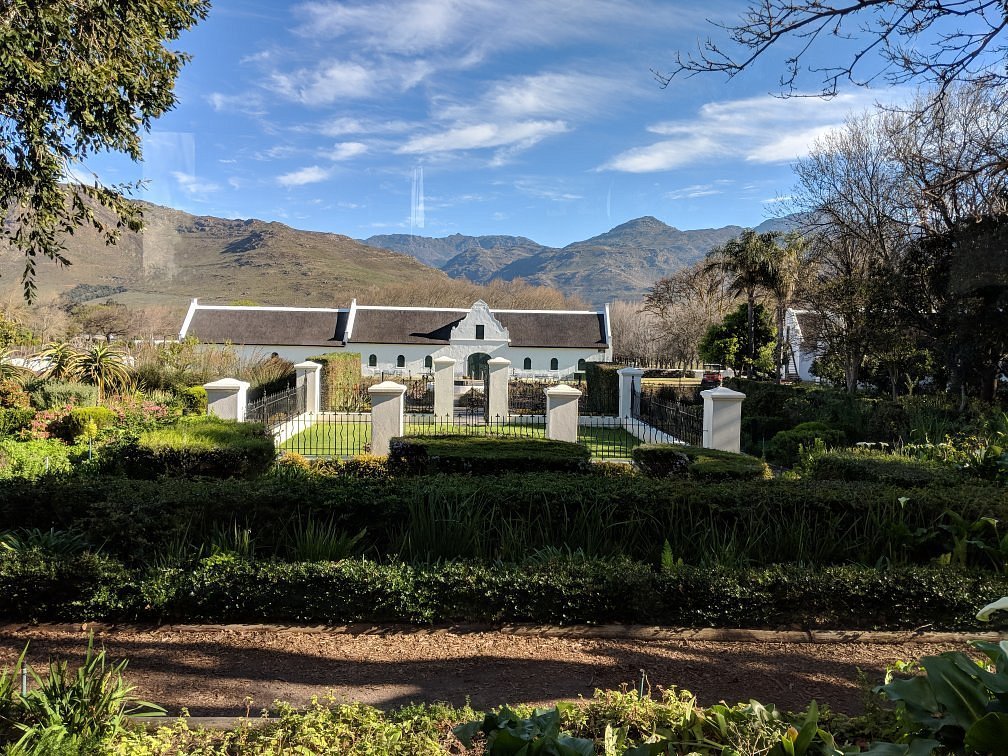
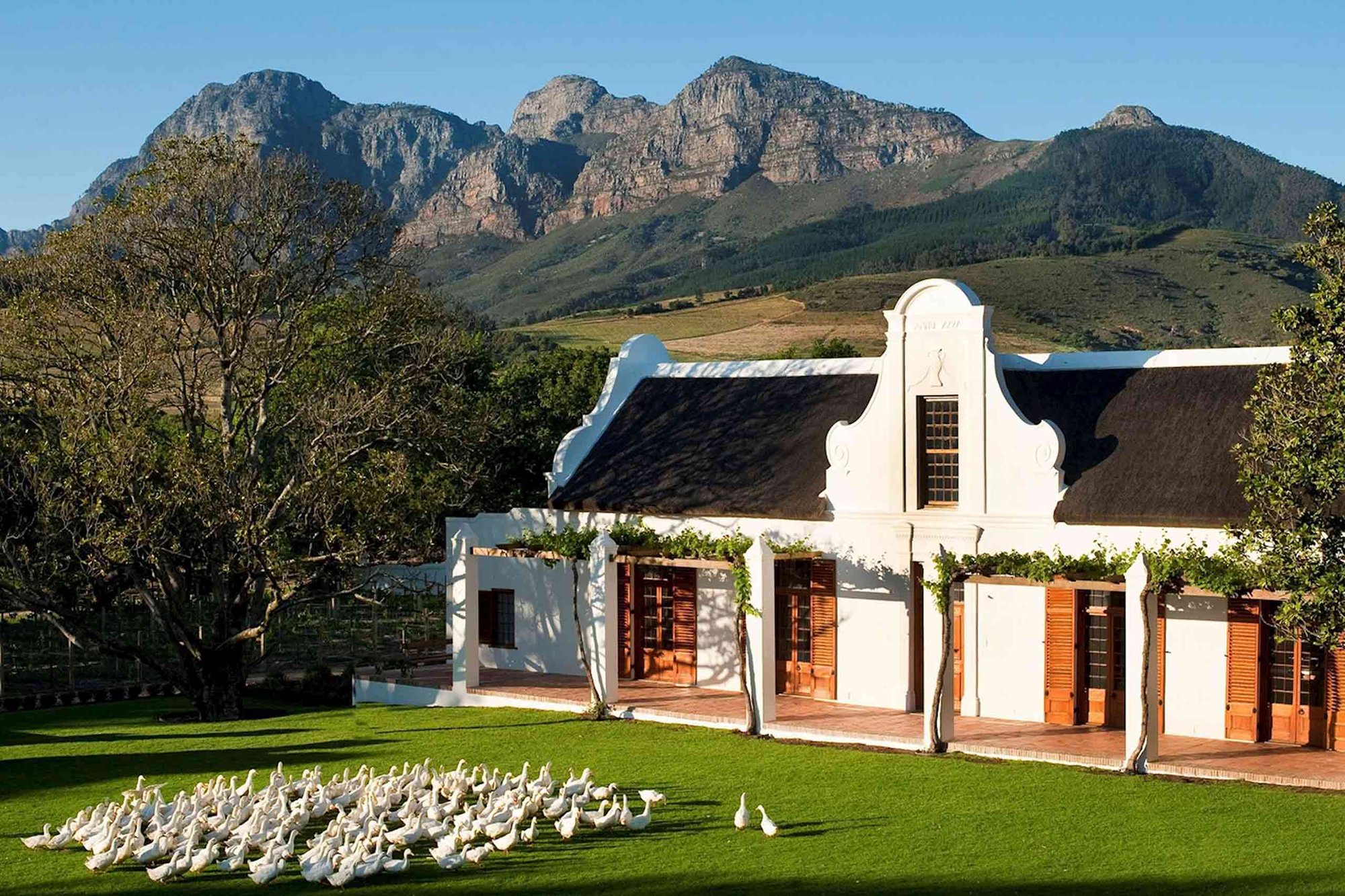
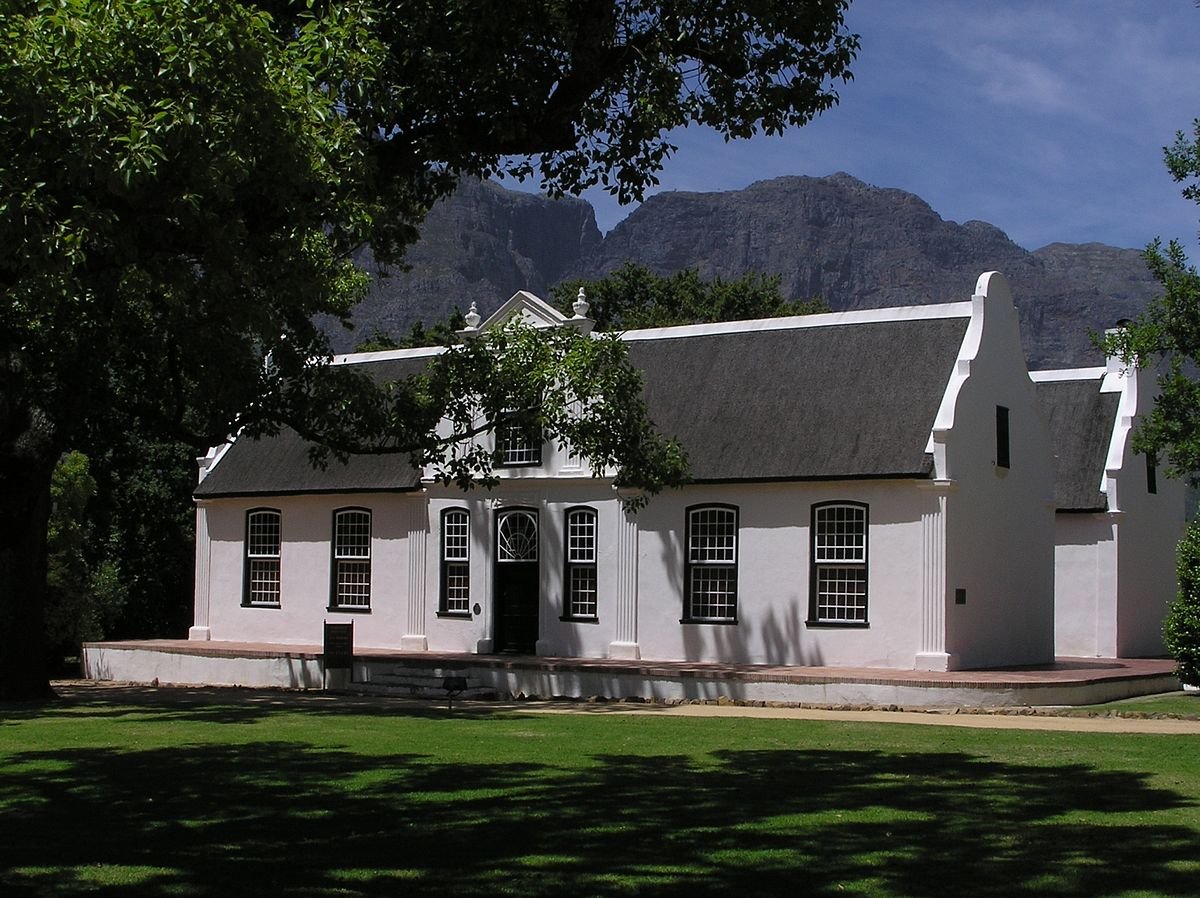
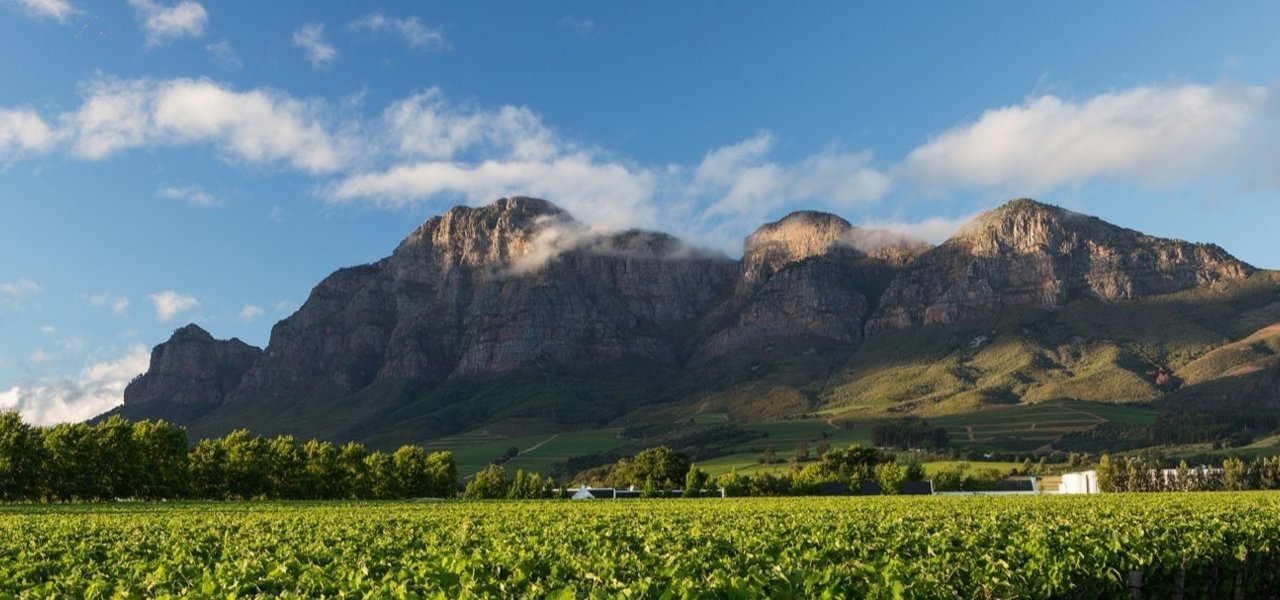
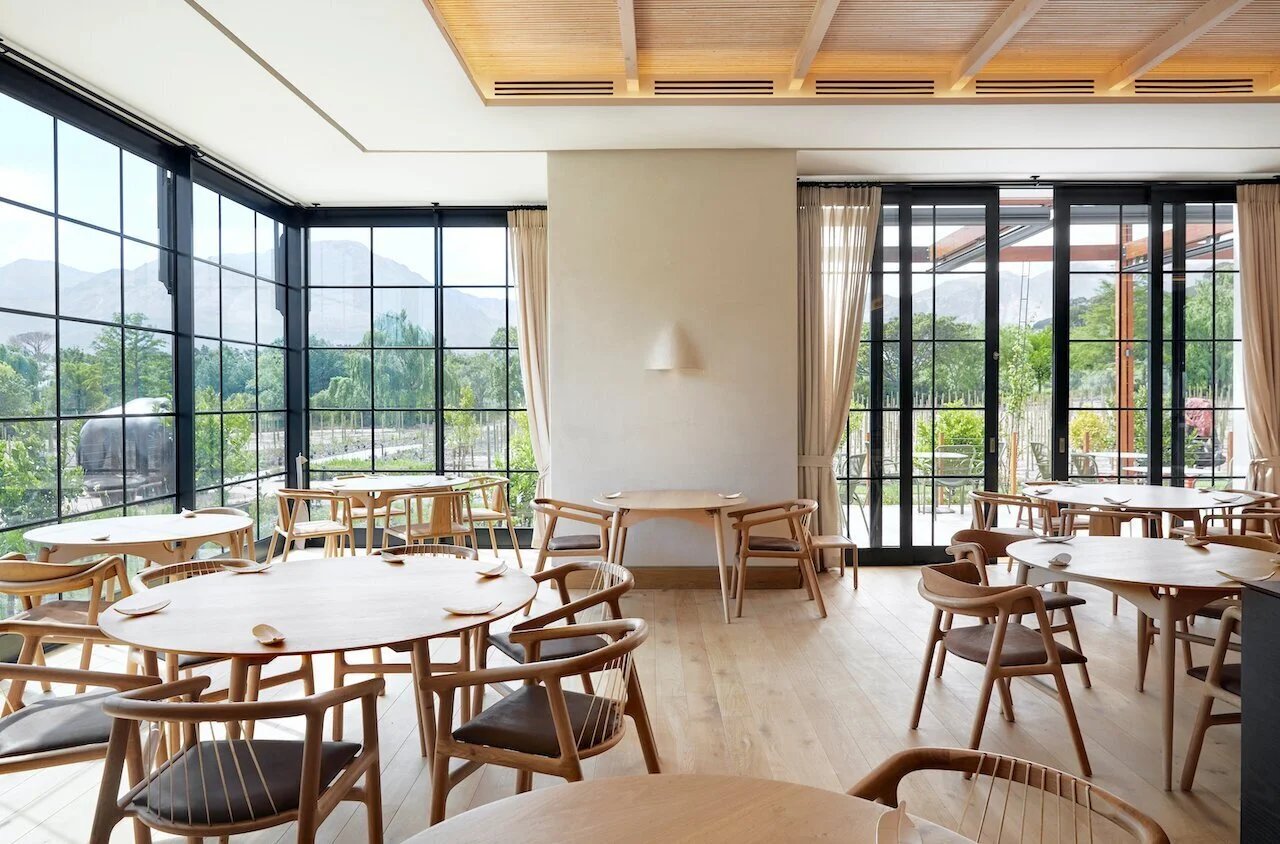
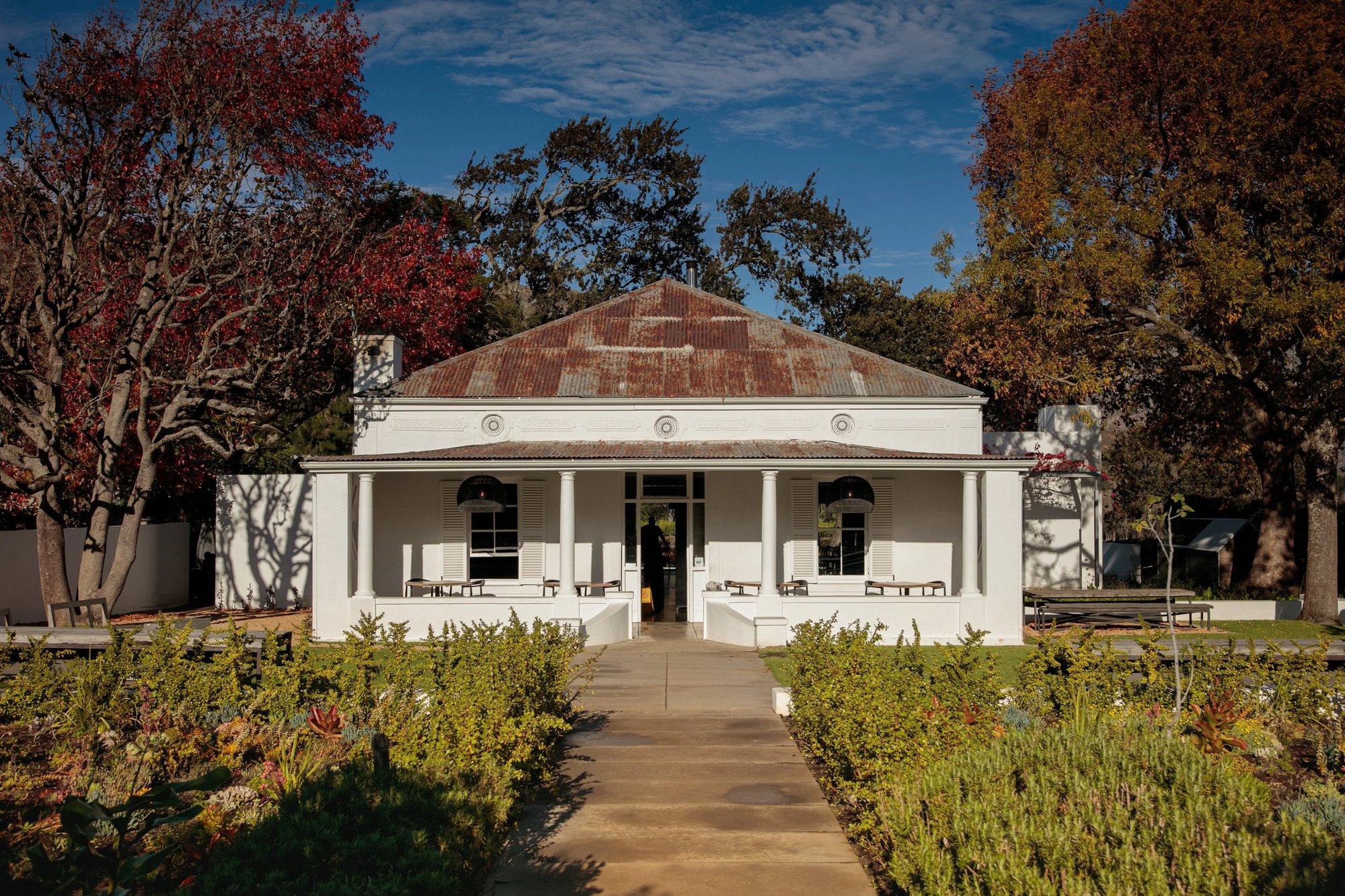
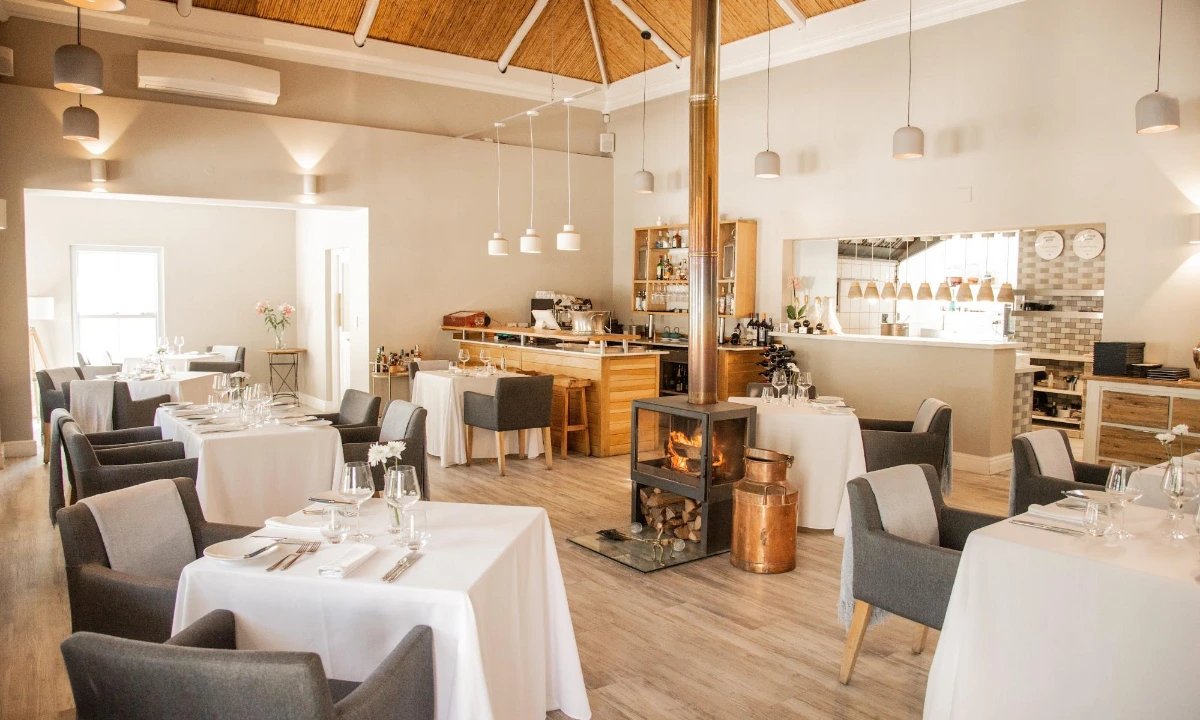
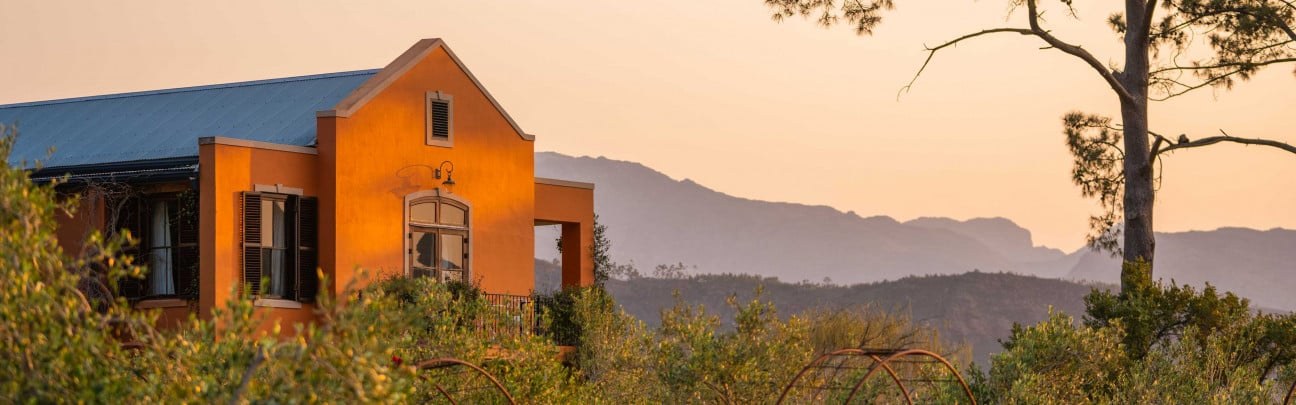
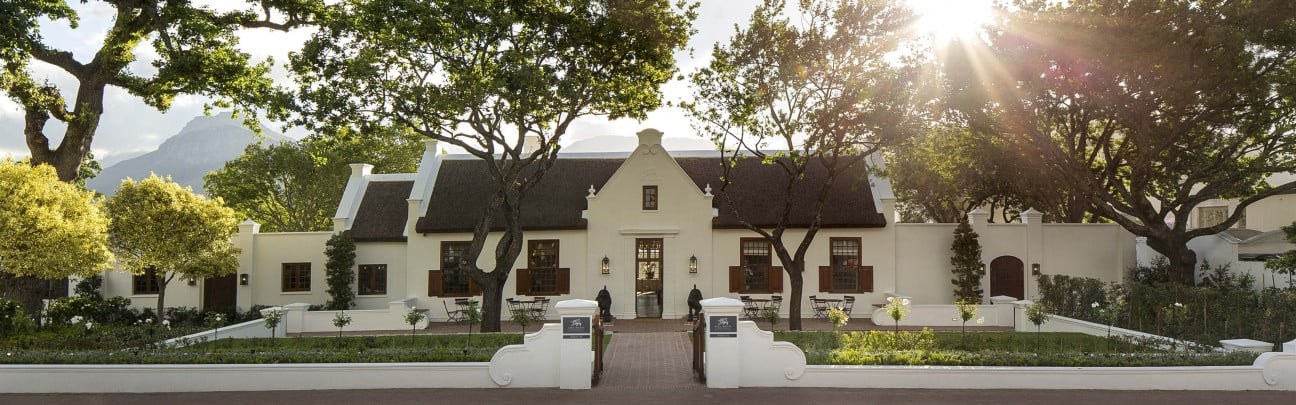
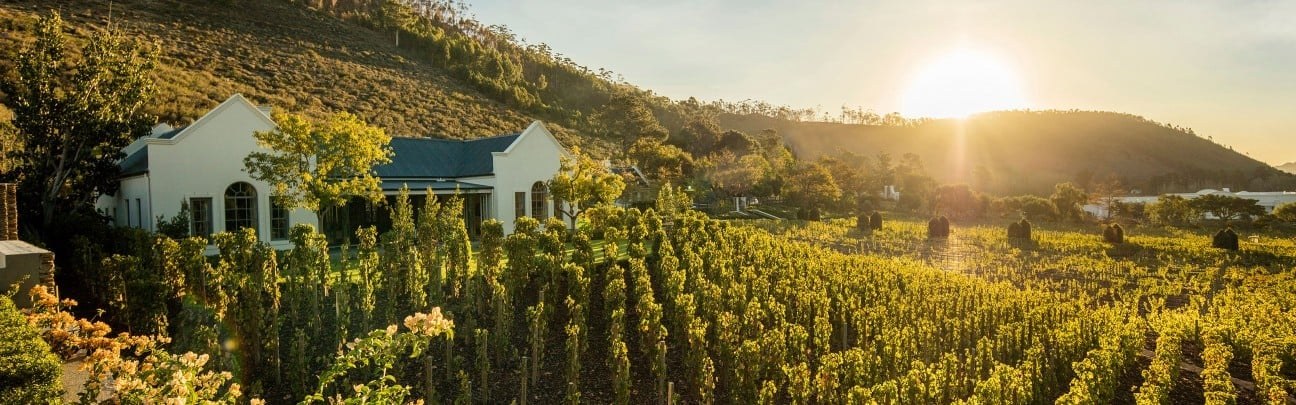
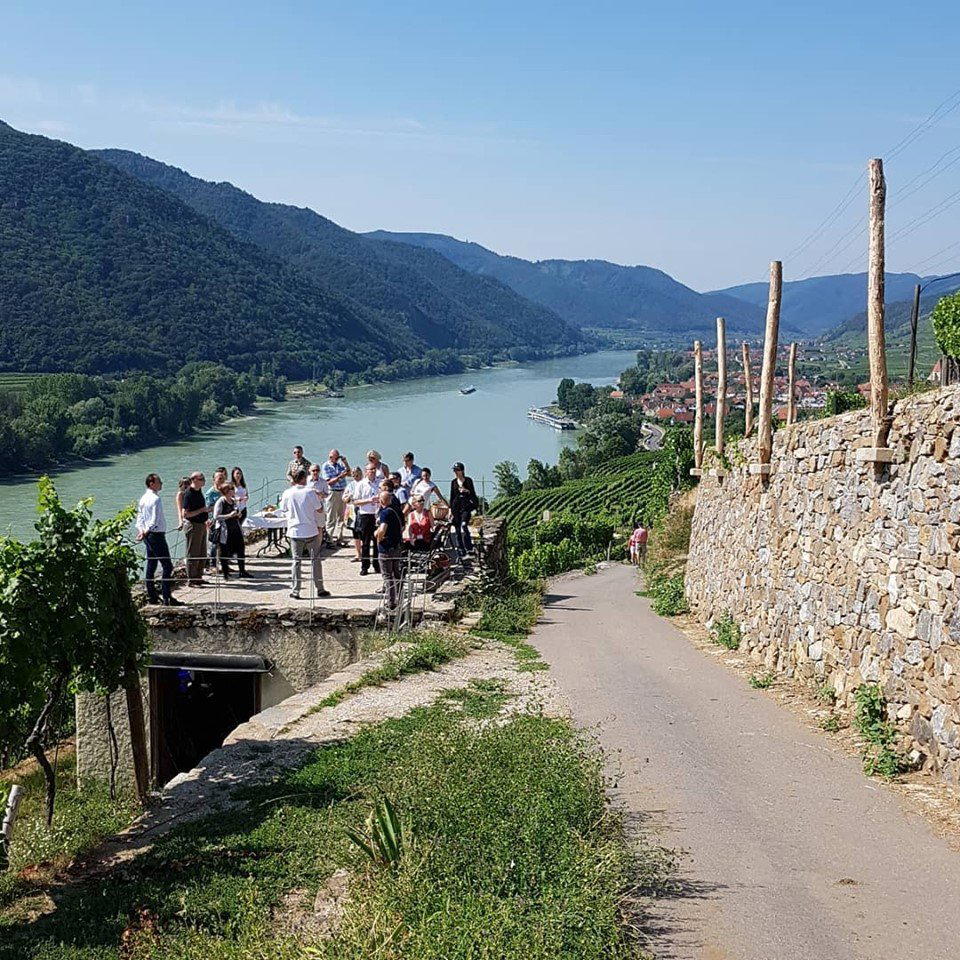
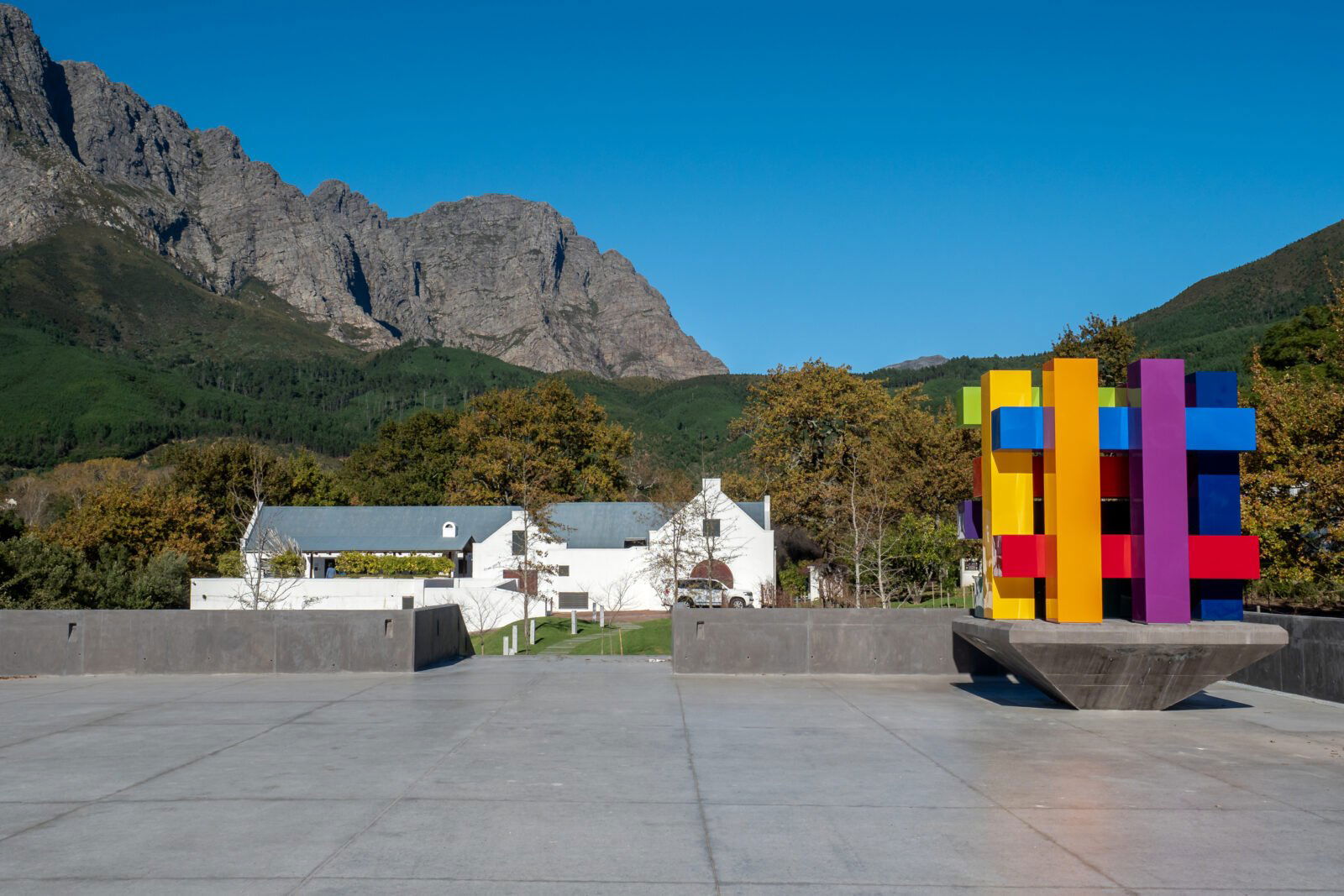
Elegant and rustic with a serene, sophisticated atmosphere amid towering mountains and restored Cape Dutch homestead.
Tags
Vibe
Best For
Experience
Sourcing
View
At the Vineyard
- Appellation
- Franschhoek
- Varietals
- Syrah, Cabernet Sauvignon, Cabernet Franc, Grenache, Semillon
- Tour Duration
- 60-90 minutes
- Tour Languages
- English
- Visits
- By appointment only
- Farming
- Sustainable
- Production
- Small producer
- Wine Styles
- Still Red, Still White
- Wine Club
- Available
Know before you go
Know Before You Go
- Getting there
- 2 Excelsior Rd, Franschhoek, 7690
Planning details
Location
Recognition and awards

Also consider
Where to go if this does not fit the plan
If the group needs a more complete estate day in Franschhoek, choose Grande Provence or Mont Rochelle instead. If the priority remains wine seriousness but the schedule needs another local option, cross-shop Mullineux & Leeu Family Wines.
Winery context
How it compares in Franschhoek
Choose Boekenhoutskloof when the wine itself is the main reason for the stop. Compared with Mont Rochelle and Grande Provence, it is less of an obvious all-day estate choice and more of a focused cellar decision. That makes it stronger for repeat Franschhoek visitors than for groups trying to solve lunch, scenery, and tastings in one booking.
Mullineux & Leeu Family Wines is the closer cross-shop for serious wine intent, while Haute Cabrière is the easier pick when ambiance and a more conventional visitor experience matter. Backsberg sits outside the immediate Franschhoek set, so use it as a broader Cape Winelands alternative rather than a like-for-like valley swap.
For value, the safer play is to book the estate that matches the day's format. Boekenhoutskloof is the right call for a wine-first schedule; Grande Provence or Mont Rochelle make more sense when the group wants a softer landing, more visible hospitality infrastructure, and a lower-risk plan.
Explore Franschhoek
Around this place
Discover more on Pearl
Unlock the full Boekenhoutskloof guide in Pearl, including awards, comparisons, FAQs, planning details, and nearby places.
Compare Boekenhoutskloof
| Venue | Location | Awards |
|---|---|---|
| Boekenhoutskloof | Franschhoek | 2026 Falstaff Winery Guide |
| Mont Rochelle | Franschhoek | 2026 Falstaff Winery Guide |
| Mullineux & Leeu Family Wines | Franschhoek | 2026 Falstaff Winery Guide |
| Haute Cabrière | Franschhoek | 2026 Falstaff Winery Guide |
| Backsberg | Paarl | 2025 Decanter Winery Prestige |
| Grande Provence | Franschhoek | No published awards |

How Boekenhoutskloof Franschhoek compares with similar nearby venues.
FAQ
Frequently Asked Questions
Can Boekenhoutskloof handle large groups?
For larger parties, compare current information directly with venues such as Grande Provence or Haute Cabrière before making plans.
Do I need a reservation at Boekenhoutskloof?
Because Boekenhoutskloof holds Pearl 2 Star Prestige recognition for 2025, it is sensible to check current booking details through the venue's official channels before visiting.