Anthonij Rupert Wyne (L’Ormarins)
Franschhoek Valley, Franschhoek
Winery in Franschhoek, South Africa
 Book with Pearl
The Read
Terroir-Driven Cape Prestige
Price
$50–100tasting
Why go
Book Anthonij Rupert Wyne (L'Ormarins) if the goal is a serious Franschhoek wine stop rather than a casual farm visit. It suits travellers who want estate context and a polished valley setting; plan it as an anchor on the R45, with one nearby comparison stop rather than a packed tasting crawl.
About Anthonij Rupert Wyne (L’Ormarins)
Anthonij Rupert Wyne (L'Ormarins) is a Franschhoek venue with a smart-casual dress code and Pearl 2 Star Prestige recognition for 2025.
Book with the basics in mind
Anthonij Rupert Wyne (L'Ormarins) is in Franschhoek, the dress code is smart casual, and it holds Pearl 2 Star Prestige recognition for 2025. Those details support a polished, planned approach.
If the day needs a broader Franschhoek plan, use local planning resources to map the route, then build timing from Our full Franschhoek restaurants guide and other local planning resources. For a broader itinerary, compare the general fit against Boschendal, Grande Provence, La Motte Wine Estate, Plaisir de Merle, and Rickety Bridge Winery.
Plan the visit around current details
Check current hours, pricing, tasting formats, food service, shipping, group arrangements, and dietary accommodations before you go. That is especially important if you are coordinating a larger party, pairing the stop with a meal, or trying to fit several venues into one day.
For context, Anthonij Rupert Wyne (L'Ormarins) can be considered alongside nearby options such as Boschendal, Grande Provence, La Motte Wine Estate, Plaisir de Merle, and Rickety Bridge Winery. Keep the comparison practical: check each venue's current visitor offering, then choose the one that best fits the shape of your day.
Planning details
- Location
- R45, Franschhoek Valley, Franschhoek, 7690, South Africa
- Website
- rupertwines.com
- Phone
- +27218749041
The take
The Take
The Vibe
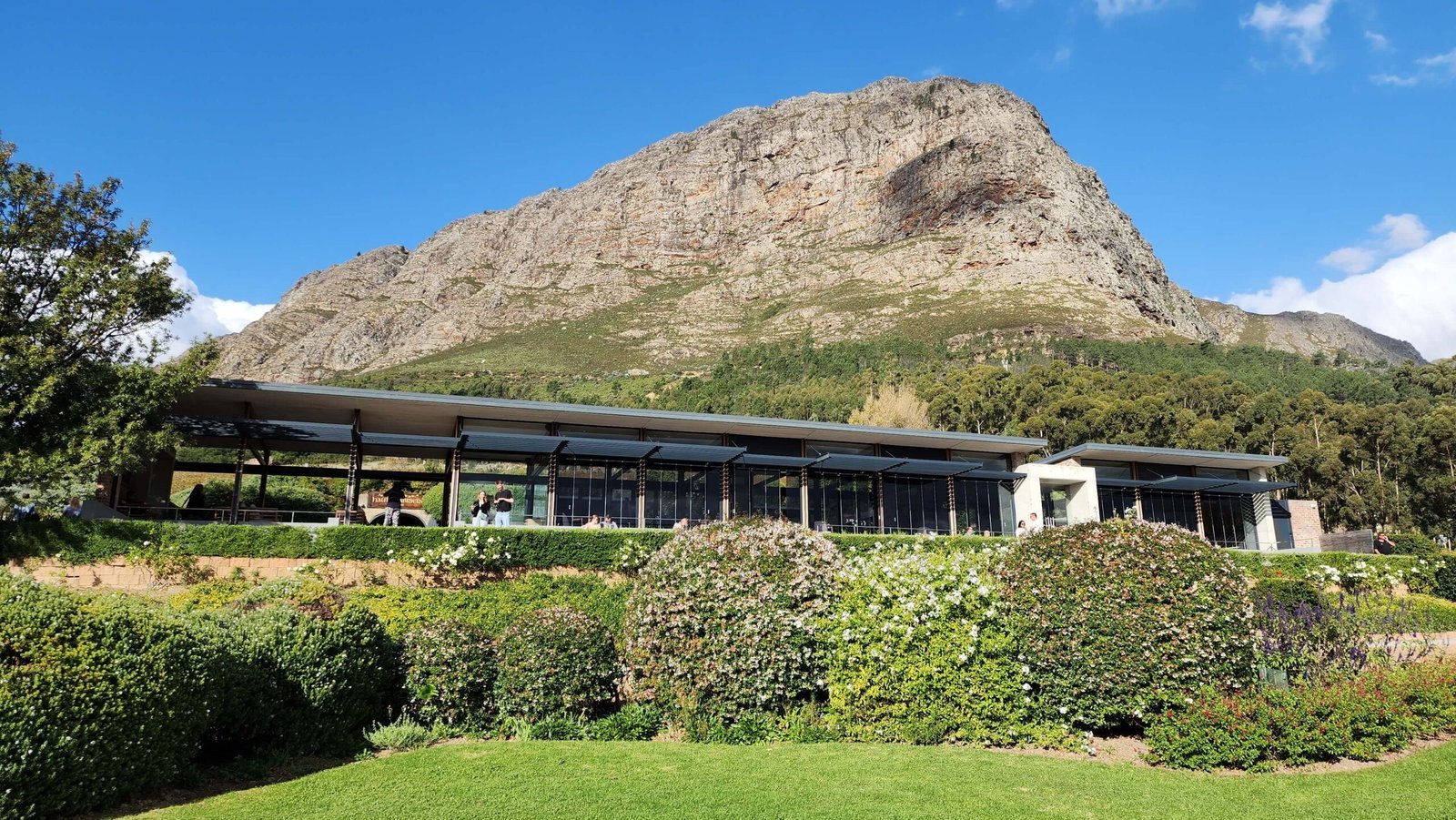
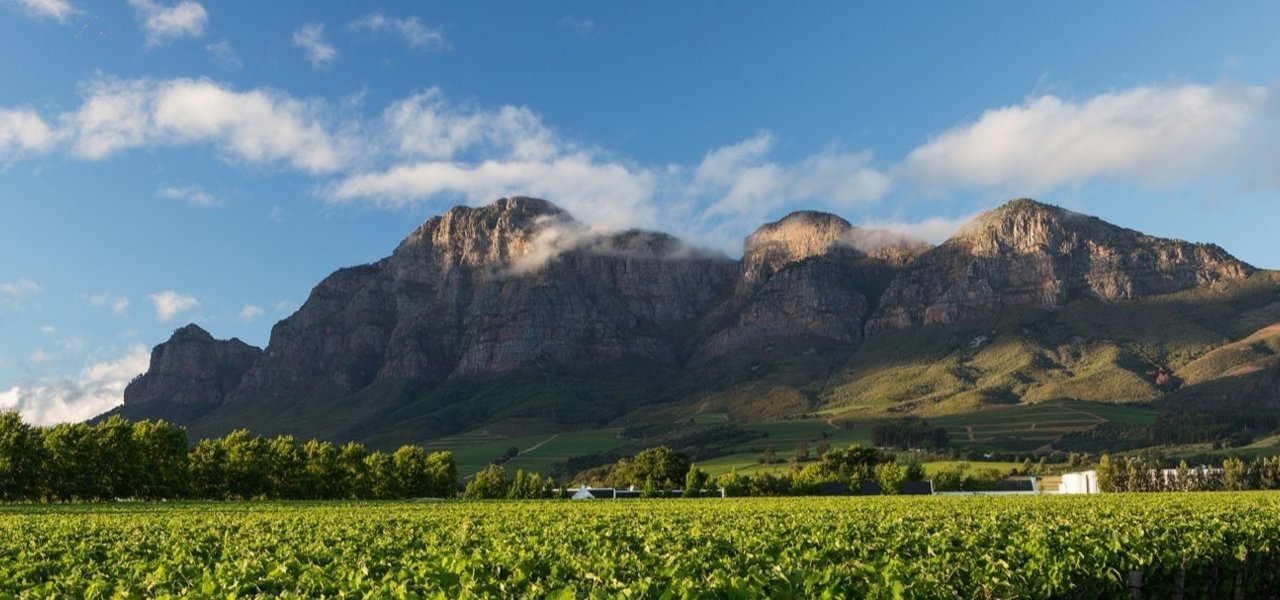
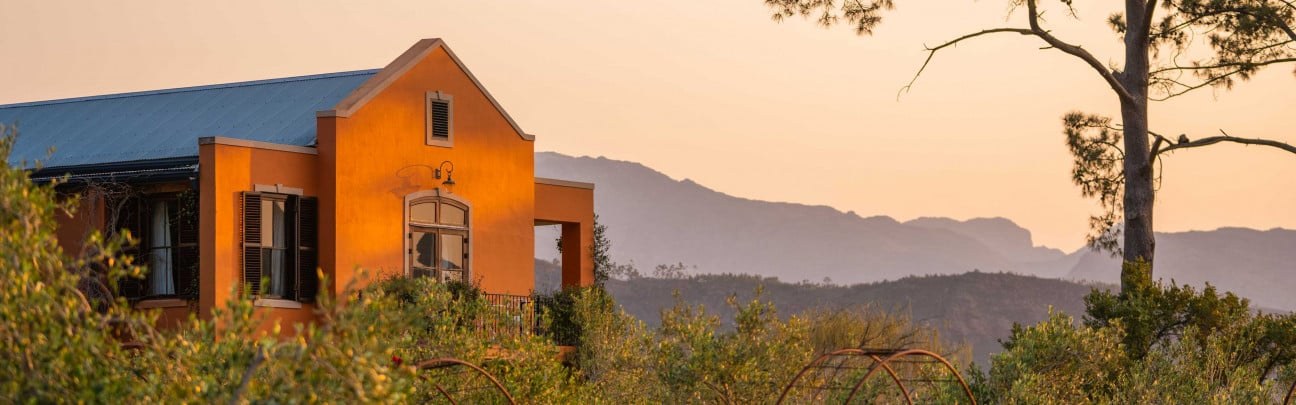
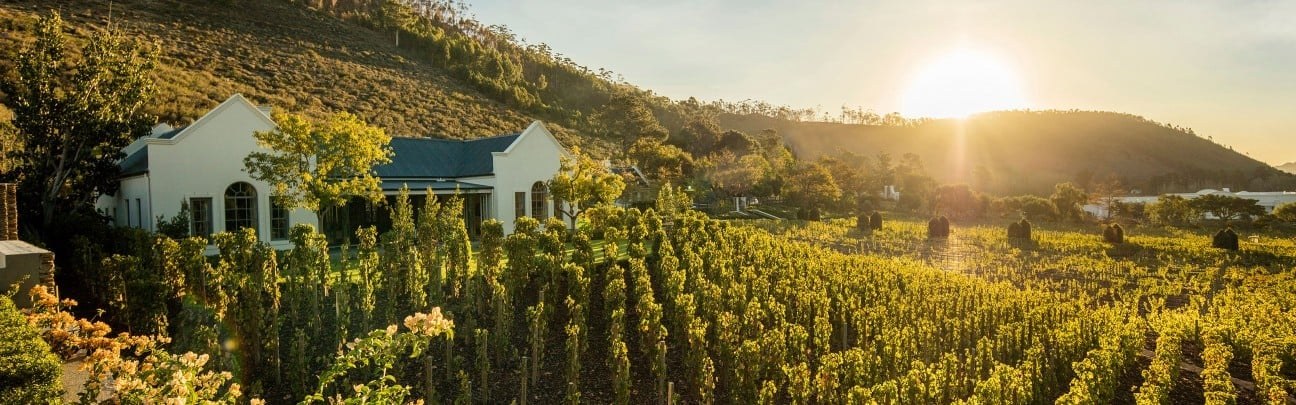
Anthonij Rupert Wyne at L’Ormarins feels rooted in place: the estate sits where the Franschhoek Valley floor meets a mountain amphitheatre and the landscape is an active part of the winemaking story. Cool air funneling through mountain passes, sharp UV at altitude and well-drained lower slopes all read like technical notes on terroir, but they also give the estate a composed, contemplative tone. The site’s French Huguenot heritage and its focus on formal recognition over mass visitation reinforce a quietly historic, refined atmosphere rather than boisterous tasting-room energy.
Best For
This estate is best for visitors who prioritize terroir-driven tasting and considered wine education. Its placement among concentrated, serious producers in Franschhoek makes it well suited to small groups of collectors, wine students, and couples seeking an elevated tasting experience or a special-occasion stop on a wine-focused outing. Because the property leans toward formal recognition rather than high visitor turnover, expect a measured, informative approach to tastings rather than casual walk-ins and high-volume service.
Tasting Tips
Approach a visit with curiosity about site and soils: ask staff to explain how the amphitheatre, altitude and soil differences shape individual parcels. Request estate or single-vineyard bottlings and any tasting notes that isolate block characteristics—this cellar emphasizes terroir as the governing logic. Given the estate’s orientation toward formal recognition rather than high visitor volume, consider booking a tasting in advance and ask whether curator-led or structured tasting options are available to get the most focused, educational experience.
Venue details
Ambiance
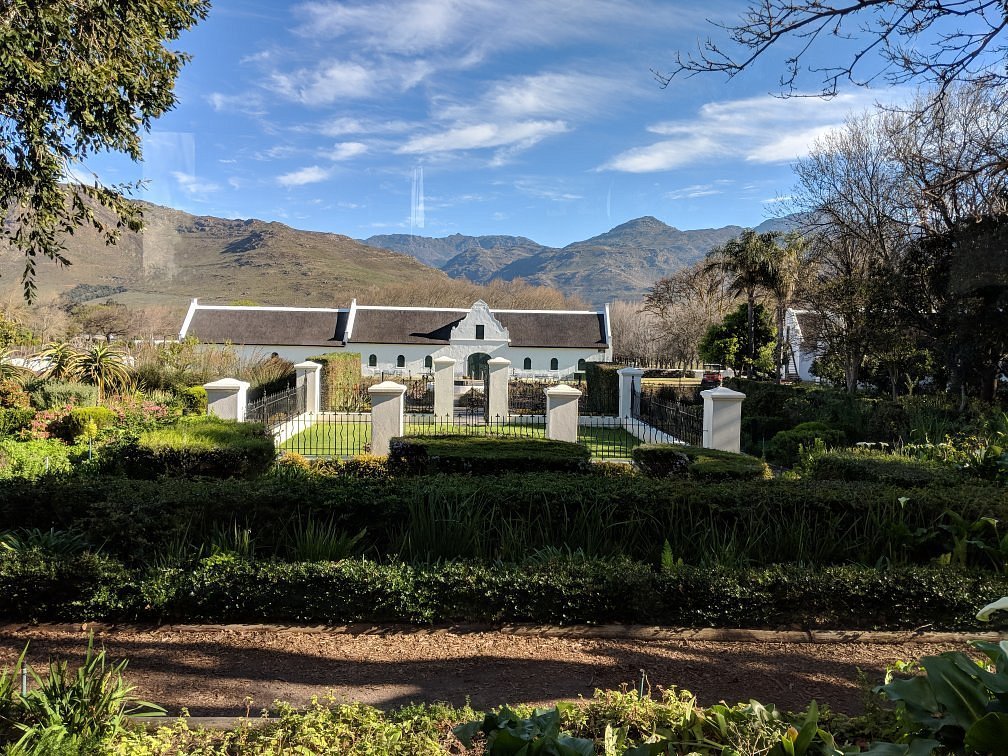
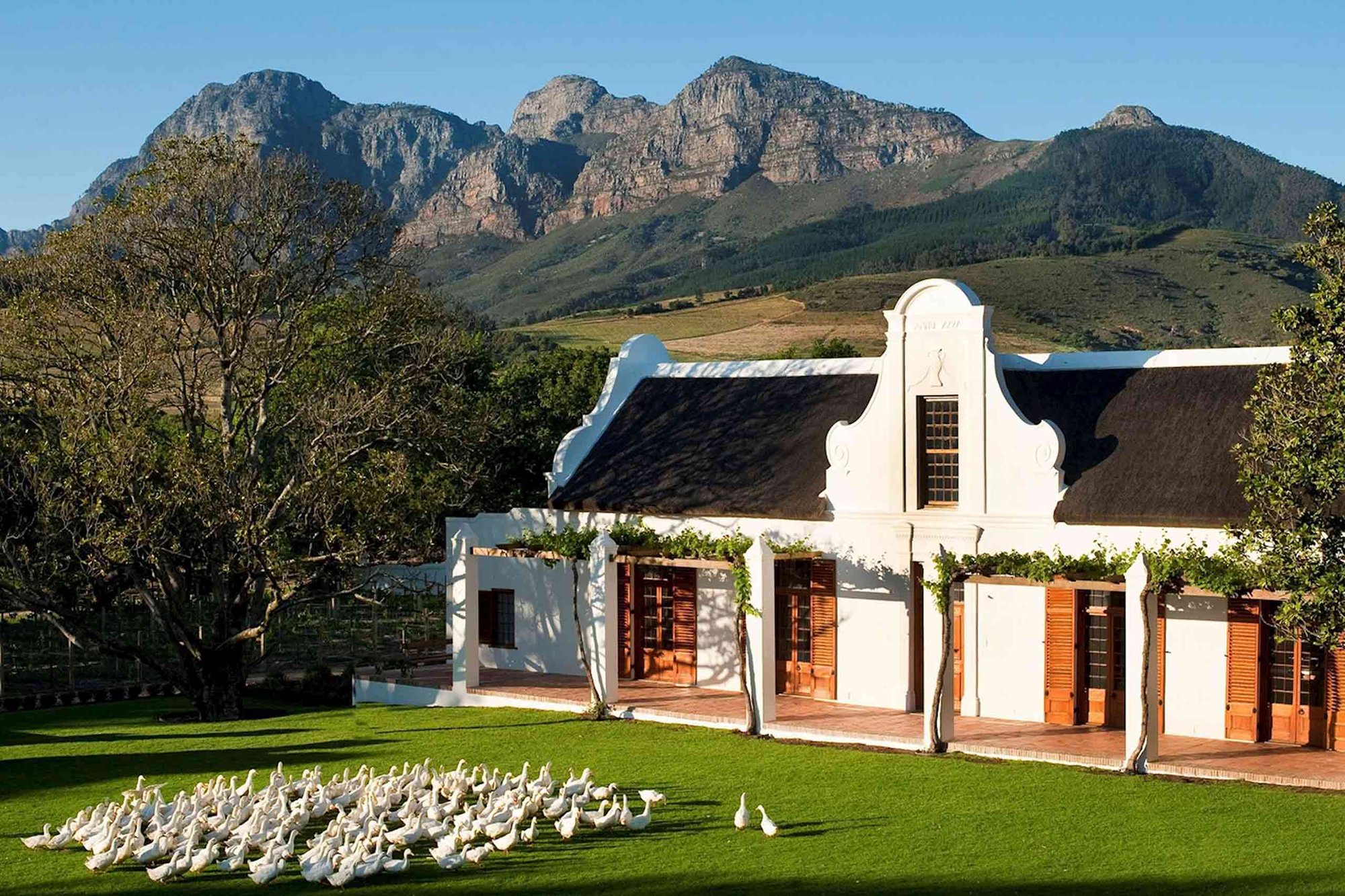
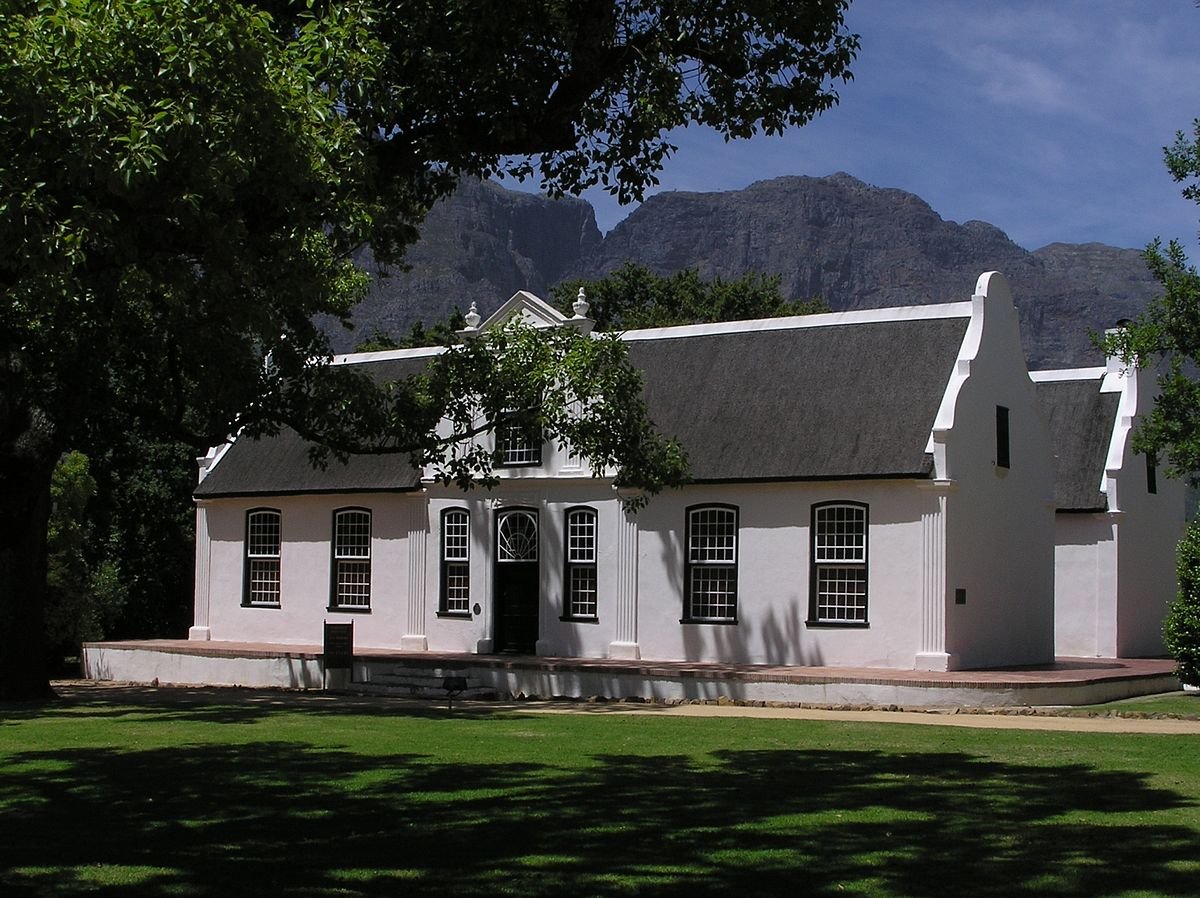
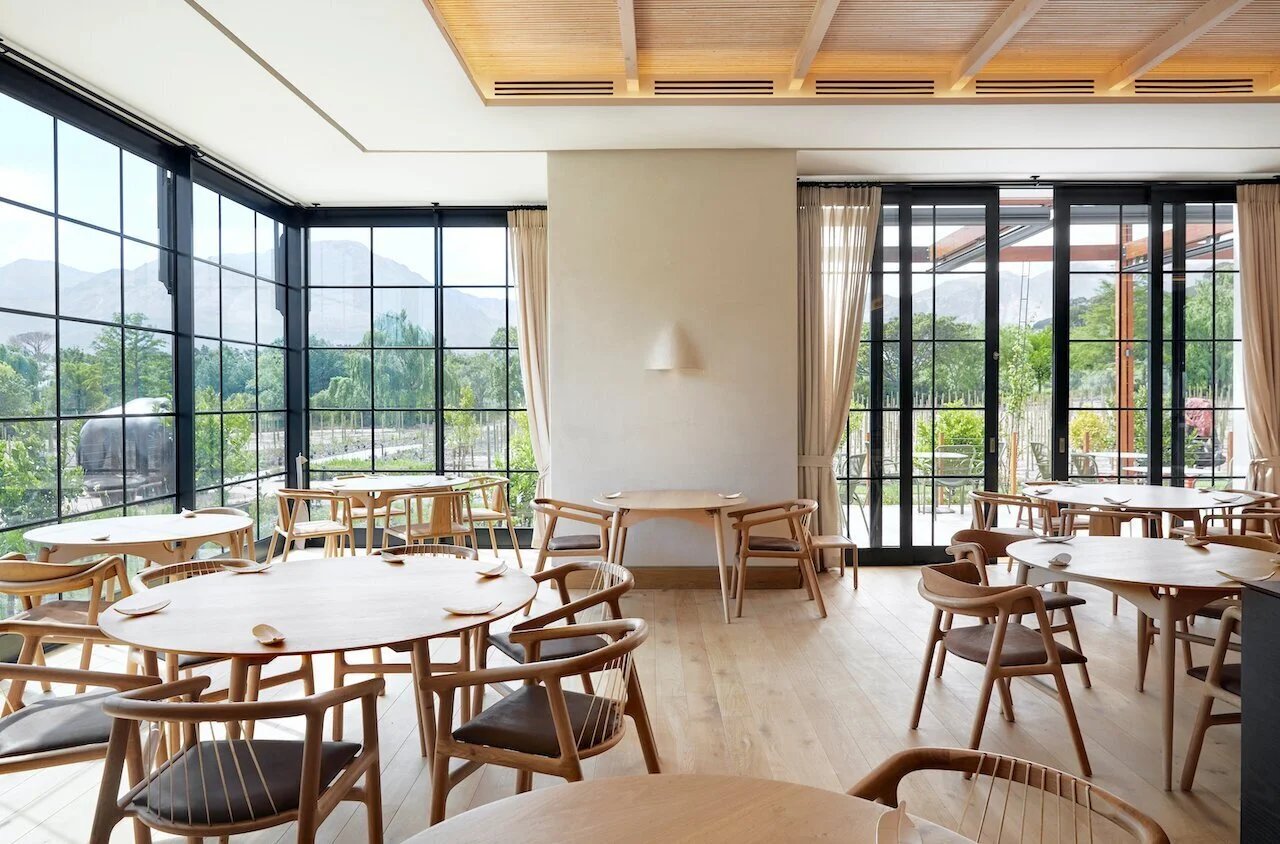
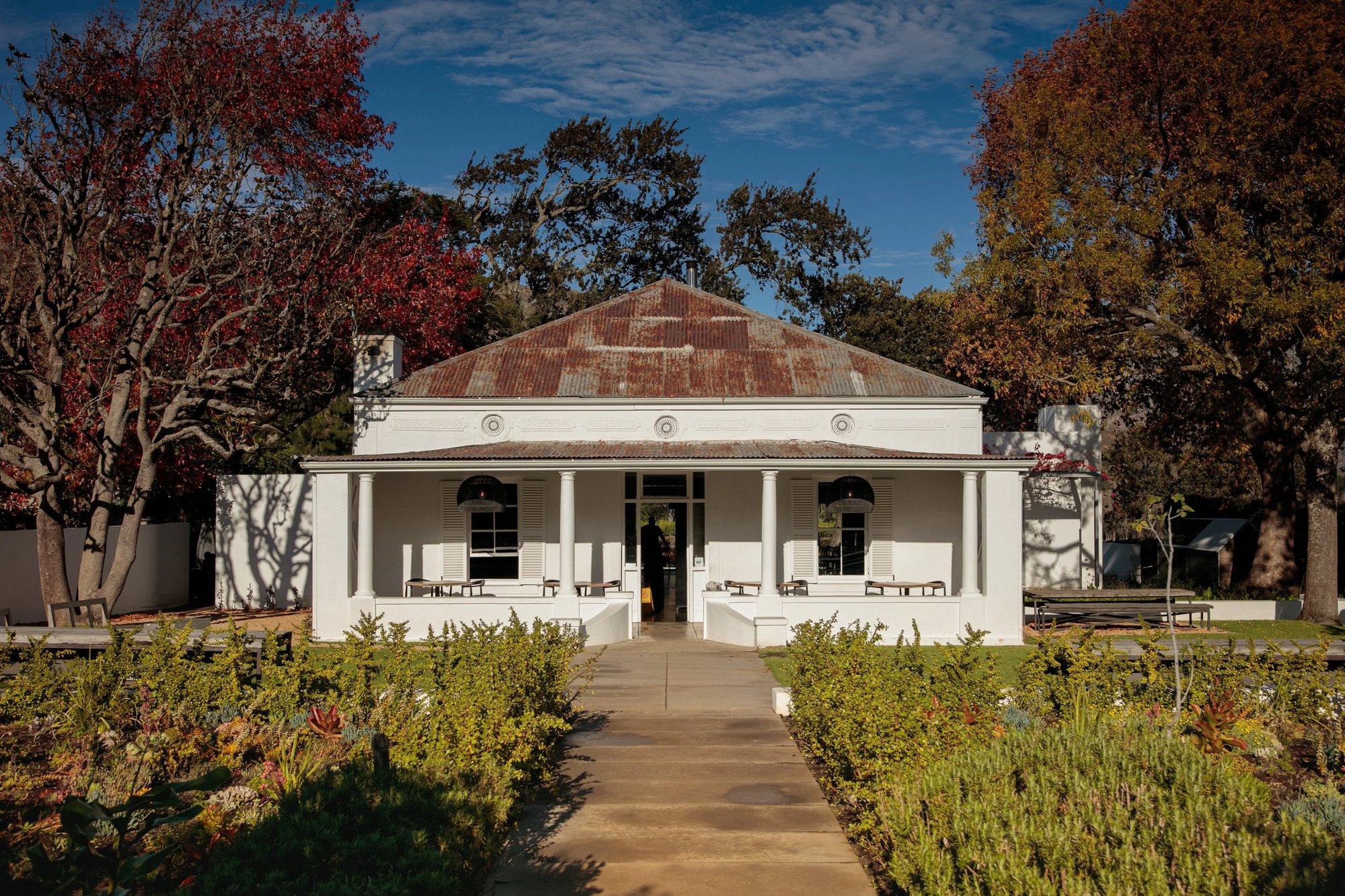
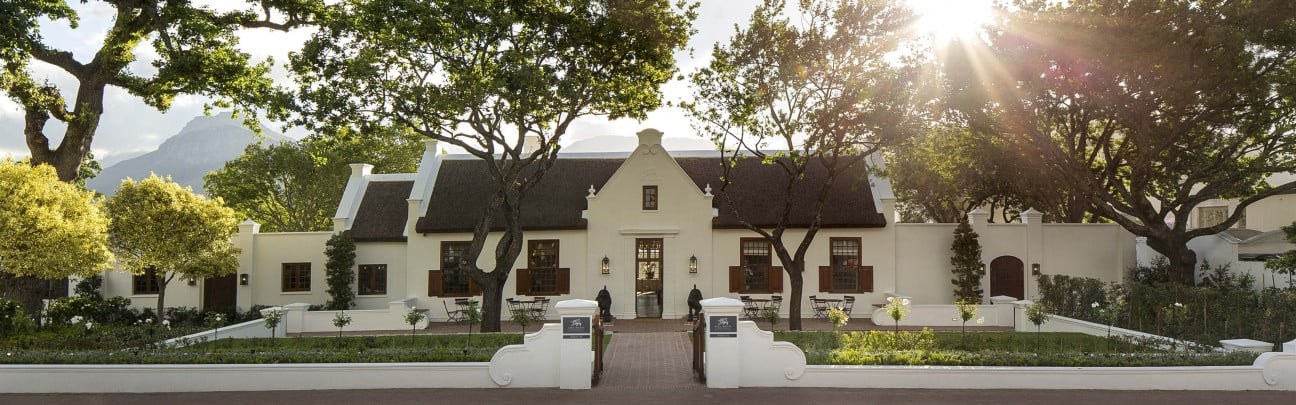
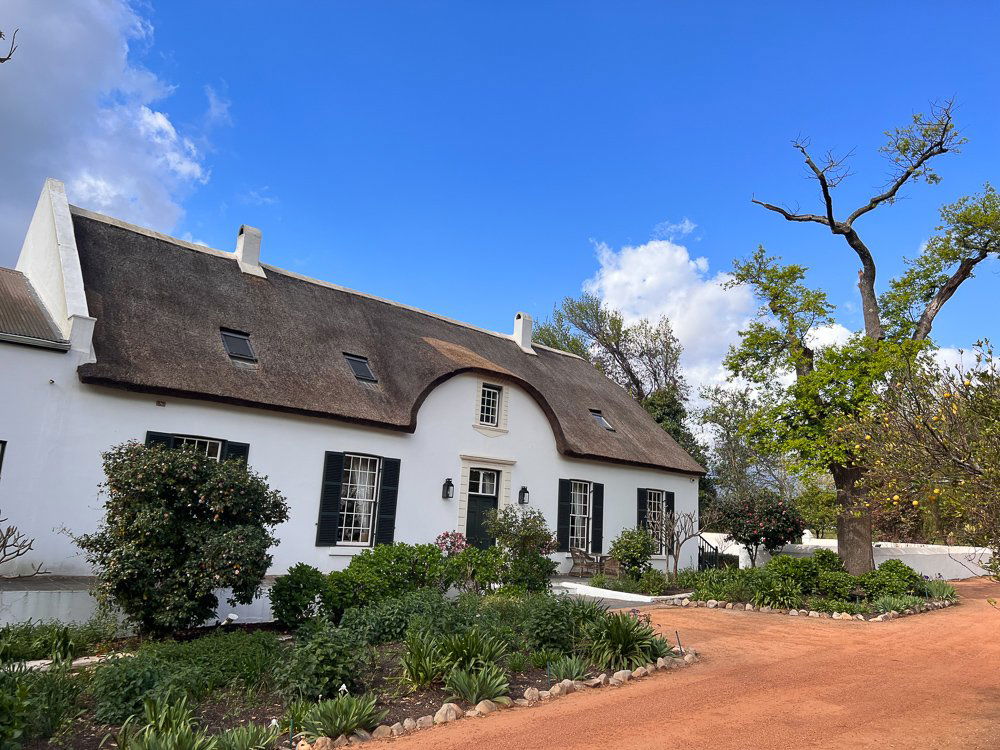
Refined and heritage-focused with 19th-century Cape Dutch architecture, period furnishings, and veranda views overlooking the Franschhoek Valley.
Tags
Vibe
Best For
Experience
Sourcing
View
At the Vineyard
- Appellation
- Franschhoek Valley
- Varietals
- Cabernet Sauvignon, Merlot, Cabernet Franc, Chardonnay, Pinot Noir
- Tour Duration
- 90-120 minutes
- Tour Languages
- English
- Visits
- By appointment only
- Farming
- Sustainable
- Wine Styles
- Still Red, Still White, Sparkling
- Shipping
- Available
- Wine Club
- Available
Know before you go
Know Before You Go
- Getting there
- R45, Franschhoek Valley, Franschhoek, 7690, South Africa
Planning details
Location
Also consider
If you cannot get in
Try La Motte Wine Estate if you still want a polished Franschhoek wine stop with strong estate appeal. For a more flexible group day, Boschendal is the safer backup.
Winery context
How it compares in Franschhoek
Anthonij Rupert Wyne (L'Ormarins) is the stronger pick for a focused, higher-intent wine visit, while La Motte Wine Estate and Grande Provence make more sense when the day needs a broader estate experience with a softer landing for mixed-interest groups. If wine depth is the priority, start here; if the group includes people less interested in production detail, cross-shop those two first.
Boschendal is the safer family or group-friendly alternative because it reads as a bigger day-out estate, while Anthonij Rupert Wyne (L'Ormarins) is better for travellers who want the winery itself to carry the visit. Rickety Bridge Winery is the easier-feeling choice for a relaxed Franschhoek stop; choose it when the schedule is loose or the group wants a less formal tone.
Plaisir de Merle works as a comparison for visitors willing to leave the immediate Franschhoek circuit, but it is less convenient if the plan is built around the valley. For value, the right answer depends on the day: Anthonij Rupert Wyne (L'Ormarins) is worth the effort when wine focus matters, while Boschendal or Rickety Bridge are easier picks when convenience, pace, and group flexibility matter more.
Explore Franschhoek
Around this place
Discover more on Pearl
Unlock the full Anthonij Rupert Wyne (L’Ormarins) guide in Pearl, including awards, comparisons, FAQs, planning details, and nearby places.
Compare Anthonij Rupert Wyne (L’Ormarins)
| Venue | Location | Awards |
|---|---|---|
| Anthonij Rupert Wyne (L’Ormarins) | Franschhoek | No published awards |
| La Motte Wine Estate | Franschhoek | 2026 Falstaff Winery Guide2025 World's 50 Best Vineyards · #94 |
| Boschendal | Franschhoek | 2026 Falstaff Winery Guide |
| Rickety Bridge Winery | Franschhoek | No published awards |
| Plaisir de Merle | Paarl | No published awards |
| Grande Provence | Franschhoek | No published awards |


How Anthonij Rupert Wyne (L'Ormarins) Franschhoek Guide compares with similar nearby venues.
FAQ
Frequently Asked Questions
How long should I plan for a visit to Anthonij Rupert Wyne (L'Ormarins)?
Plan your timing with the venue in advance, especially if you need to coordinate meals, transport, or other venue visits.
What other venues can I compare with Anthonij Rupert Wyne (L'Ormarins)?
Useful comparison options include La Motte Wine Estate, Boschendal, Plaisir de Merle, Grande Provence, and Rickety Bridge Winery. Confirm current offerings directly with each venue before planning a route.