



Domaine Emmanuel Rouget
Flagey-Echézeaux
Winery in Flagey-Echézeaux, France
 Book with Pearl
The Read
Côte de Nuits Precision
Why go
Domaine Emmanuel Rouget is a wine estate in Flagey-Echézeaux, Burgundy.
About Domaine Emmanuel Rouget
Is Domaine Emmanuel Rouget worth noting in Flagey-Echézeaux? Yes, for readers specifically looking at this named venue and its Pearl 5 Star Prestige recognition for 2025. Given the limited details, it serves as a concise planning note rather than a detailed promise of services, formats, hours, or visitor access.
The name behind the venue is Emmanuel Rouget, listed as chef/owner, and the dress code is smart casual. Beyond that, specific claims about menus, prices, opening times, availability, or appointment structure should be checked directly before making plans.
Book this with direct confirmation
The clearest reason to keep Domaine Emmanuel Rouget on a Flagey-Echézeaux shortlist is its recognition: Pearl 5 Star Prestige (2025). That makes it relevant for travelers comparing premium venues, but it does not by itself confirm a public format, food service, or walk-in hospitality.
There is not enough detail available to describe a conventional visitor experience with predictable formats, posted hours, or specific services. It should be directly before arranging the rest of a day around it, especially if timing, group needs, or hospitality details matter.
How to place it within a Flagey-Echézeaux plan
Make Domaine Emmanuel Rouget an anchor only after the practical details are confirmed. Otherwise, use it as a reference point while building a wider Flagey-Echézeaux plan with other local options.
Keep the schedule flexible until the venue itself confirms what is available. Information available includes the venue's name, Flagey-Echézeaux location, Emmanuel Rouget, smart casual dress code, and Pearl 5 Star Prestige (2025), but not specific timing, service style, menu, format, or purchase options.
If you are comparing notable venues, consider Domaine Emmanuel Rouget alongside Château de la Tour, Domaine Bizot, Domaine Hudelot-Noëllat, Domaine Jean Grivot, and Les Aligoteurs, or look more broadly at other Flagey-Echézeaux venues without assuming the same format or access at each venue.
Planning details
- Location
- 18 Rte de Gilly, 21640 Flagey-Echézeaux
- Website
- domaine-rouget.com
- Phone
- +33 3 80 62 86 61
The take
The Take
The Vibe
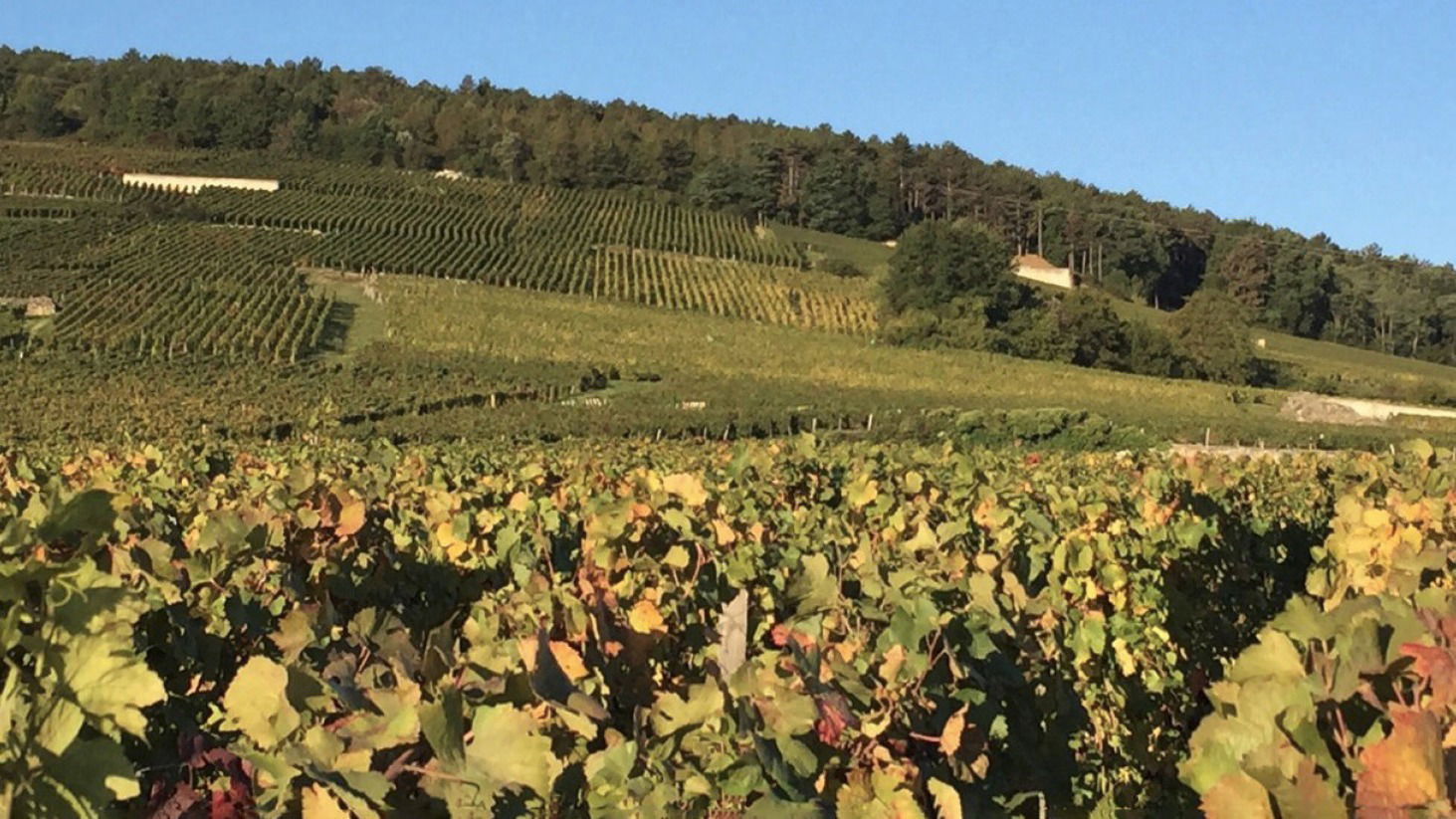
Domaine Emmanuel Rouget embodies a restrained, terroir-driven Burgundian temperament. The approach is quietly confident rather than showy: vines on mid-slope limestone and marl inform focused, mineral wines, and the domaine's history since 1985 underpins a measured, classic style. Visits feel intimate and unhurried—the absence of signage and the village's low profile reinforce a sense of discretion. The overall impression is sophisticated and serene, where the landscape and carefully tended parcels do the talking and the wines reward attention rather than spectacle.
Best For
This domaine is best for diners and visitors who want to study Burgundy rather than be entertained. Its strengths—parcel-focused grands crus, a generation-spanning approach to vintage interpretation, and a culture that prizes restraint—make it ideal for wine education, contemplative solo exploration, and milestone tastings or special occasions for serious collectors. The setting suits thoughtful conversations about extraction, oak and picking decisions; it’s less about crowds and more about close attention to nuance and provenance.
Tasting Tips
When tasting or selecting bottles here, focus on provenance and vintage nuance: ask which parcels contributed to a given Echézeaux or village bottling, and how that site's soils and slope influenced the vintage. Inquire about the domaine's decisions on extraction, new oak percentage and barrel aging—those choices reflect their philosophy of restraint versus construction. Comparing wines from mid-slope limestone parcels with those from heavier downslope soils reveals the appellation’s range. Treat these wines patiently: context and parcel notes illuminate their character more than technical buzzwords.
Venue details
Ambiance
Refined and classic Burgundian atmosphere centered on meticulous winemaking tradition and terroir expression.
Tags
Vibe
Best For
Experience
Sourcing
View
At the Vineyard
- Appellation
- Vosne-Romanée AOC
- Varietals
- Pinot Noir
- Visits
- By appointment only
- Farming
- Organic
- Production
- Small producer
- Wine Styles
- Still Red
- Wine Club
- Not available
Know before you go
Know Before You Go
- Getting there
- 18 Rte de Gilly, 21640 Flagey-Echézeaux
Planning details
Location
Recognition and awards

Also consider
Where to Go If This Is Not Workable
Try Les Aligoteurs first if staying in Flagey-Echézeaux and needing a more practical alternative. For another serious Burgundy name, cross-shop Domaine Jean Grivot or Château de la Tour, especially if the itinerary can flex around confirmed availability.
Winery context
How It Compares
Domaine Emmanuel Rouget is the higher-friction, higher-seriousness choice in this set. Choose it over Les Aligoteurs if the trip is built around collectible Burgundy context rather than an easier local tasting. Les Aligoteurs is the safer fallback for visitors who want a lighter, more accessible Flagey-Echézeaux stop.
Against Domaine Hudelot-Noëllat, Domaine Bizot, and Domaine Jean Grivot, this is a question of access as much as quality. All sit in a serious Burgundy peer group where booking difficulty can matter more than ambience. If a confirmed appointment is the priority, take whichever of these producers can be secured rather than chasing a fixed ranking.
Château de la Tour is the better cross-shop if the reader wants a Burgundy visit with a more estate-led frame, while Domaine Emmanuel Rouget is better for drinkers focused on producer name, scarcity, and Côte de Nuits depth. For value for money, the practical answer is not price hunting; it is avoiding a wasted day by choosing the producer where access and timing are actually workable.
Explore Flagey-Echézeaux
Around this place
Discover more on Pearl
Unlock the full Domaine Emmanuel Rouget guide in Pearl, including awards, comparisons, FAQs, planning details, and nearby places.
Compare Domaine Emmanuel Rouget
| Venue | Location | Awards |
|---|---|---|
| Domaine Emmanuel Rouget | Flagey-Echézeaux | 2026 Falstaff Winery Guide2025 Pearl 5 Star Prestige |
| Les Aligoteurs | Flagey-Echézeaux | No published awards |
| Domaine Hudelot-Noëllat | Chambolle-Musigny | 2026 Michelin 1 Grape - Burgundy2026 Falstaff Winery Guide2025 Pearl 4 Star Prestige |
| Domaine Bizot | Vosne-Romanée | No published awards |
| Château de la Tour | Vougeot | 2026 Michelin 1 Grape - Burgundy2026 Falstaff Winery Guide |
| Domaine Jean Grivot | Vosne-Romanée | 2026 Falstaff Winery Guide2025 Pearl 3 Star Prestige |
How Domaine Emmanuel Rouget compares with similar nearby venues.
FAQ
Frequently Asked Questions
Is Domaine Emmanuel Rouget worth planning around?
It may be worth noting because of its Pearl 5 Star Prestige recognition for 2025, but practical details are limited. Do not plan around a specific format unless you have confirmed information directly from the venue.