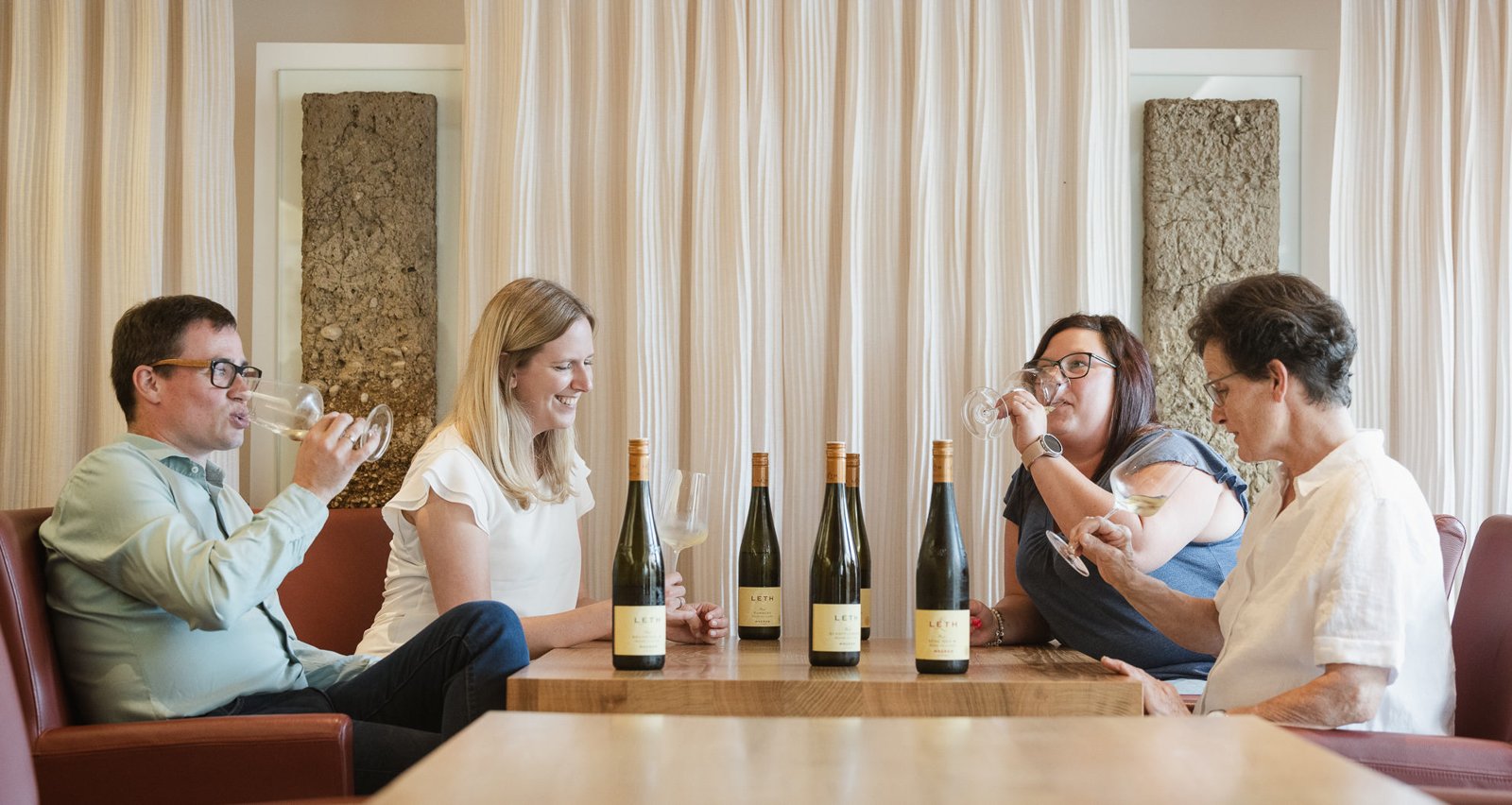

Weingut Leth
Fels am Wagram
Winery in Fels am Wagram, Austria
 Book with Pearl
The Read
Loess-Driven Grüner Veltliner
Why go
Weingut Leth is worth prioritizing if the goal is a focused Wagram winery visit in a working village setting, not a dining-led estate day. It suits couples, collectors, and small groups planning a wine-first occasion in Fels am Wagram, with nearby peers better for broader regional cross-shopping.
About Weingut Leth
Should you visit Weingut Leth in Fels am Wagram? Yes, if you are specifically looking at this venue and want a direct stop in Fels am Wagram. Weingut Leth is a casual-dress venue in Fels am Wagram with Pearl 2 Star Prestige recognition for 2025.
Do not build plans around unconfirmed extras. Information for a dining format, seat count, menu, pricing, hours, appointment process, purchasing options, or special services is not available. Confirm details directly with Weingut Leth before making detailed plans, especially if the visit is tied to a celebration, group itinerary, or a time-sensitive schedule.
Book for a focused Fels am Wagram stop, not an assumed full-day setup
For planning, Weingut Leth is best approached with clear expectations. It is a casual-dress venue in Fels am Wagram, but it does not offer a food program, formal hospitality format, or specific service structure. If those details matter, confirm them with the venue before committing the day around it.
The practical move is to pair this stop with a wider Fels am Wagram plan rather than assume the venue will cover every part of the itinerary. Use broader Fels am Wagram resources to shape the route, and add separate dining or hotel research if the group needs a meal or overnight stay around the visit.
How to place it against comparison options
Among comparable names, Weingut Leth is the Fels am Wagram option to consider if that location is central to the plan. Weinberghof Fritsch, Weingut Allram, Weingut Arndorfer, Weingut Bernhard Ott, and Weingut Setzer are useful comparison points for a broader itinerary, but any detailed differences in format, service, or visitor experience should be confirmed directly rather than assumed.
Timing matters because hours or a specific visit structure are not available. Avoid making Weingut Leth the last unconfirmed stop of a packed day if the occasion requires certainty. If the group includes guests with different expectations, make separate dining or activity plans in Fels am Wagram.
For readers building a longer itinerary, keep the comparison simple: Weingut Leth is best evaluated as a casual-dress Fels am Wagram venue with 2025 Pearl 2 Star Prestige recognition. For anything beyond that profile, including food, service format, appointment details, or purchasing arrangements, verify directly before you go.
Planning details
- Location
- Kirchengasse 6, 3481 Fels am Wagram
- Website
- weingut-leth.at
- Phone
- +43 2738 2240
The take
The Take
The Vibe
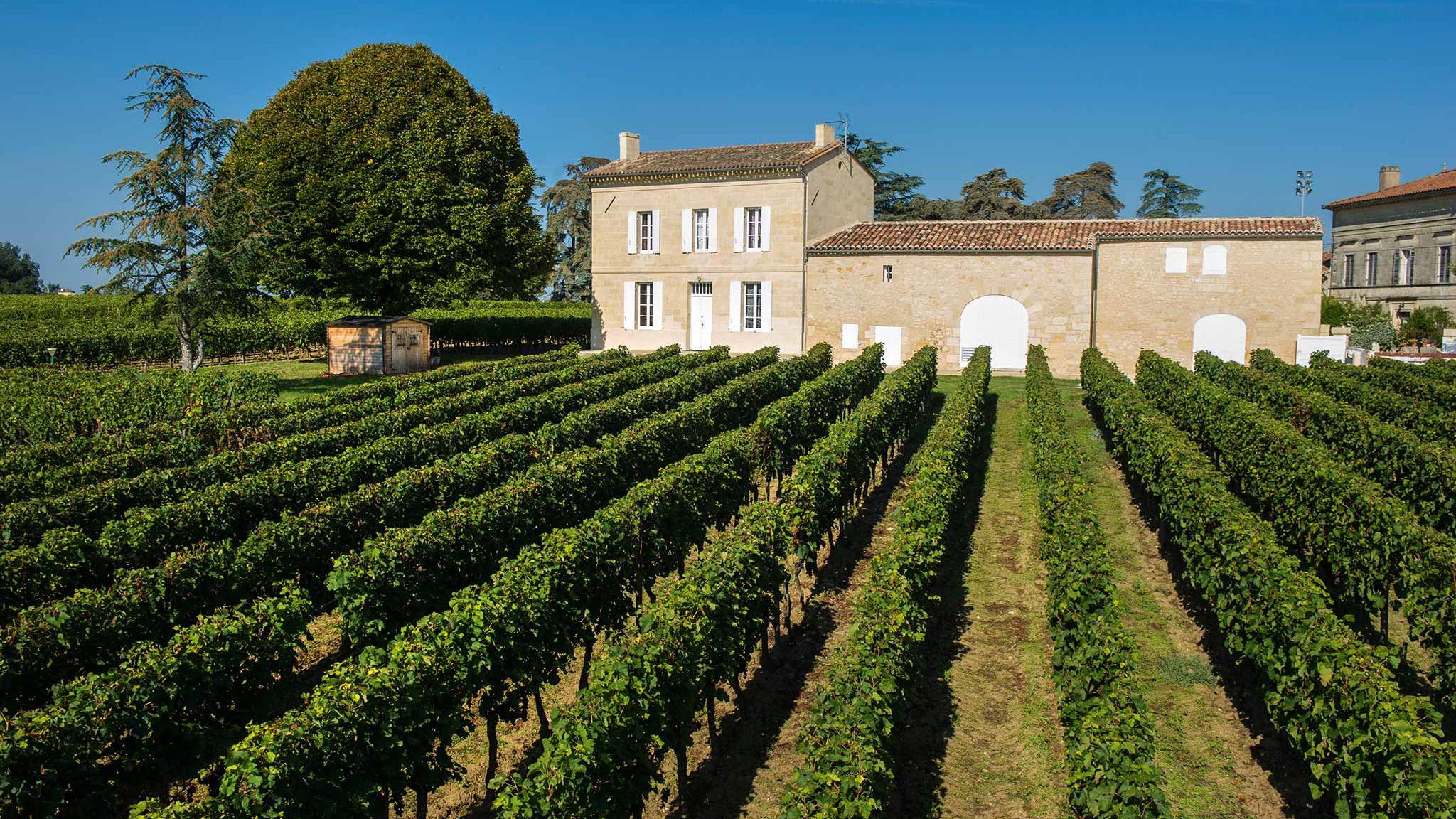
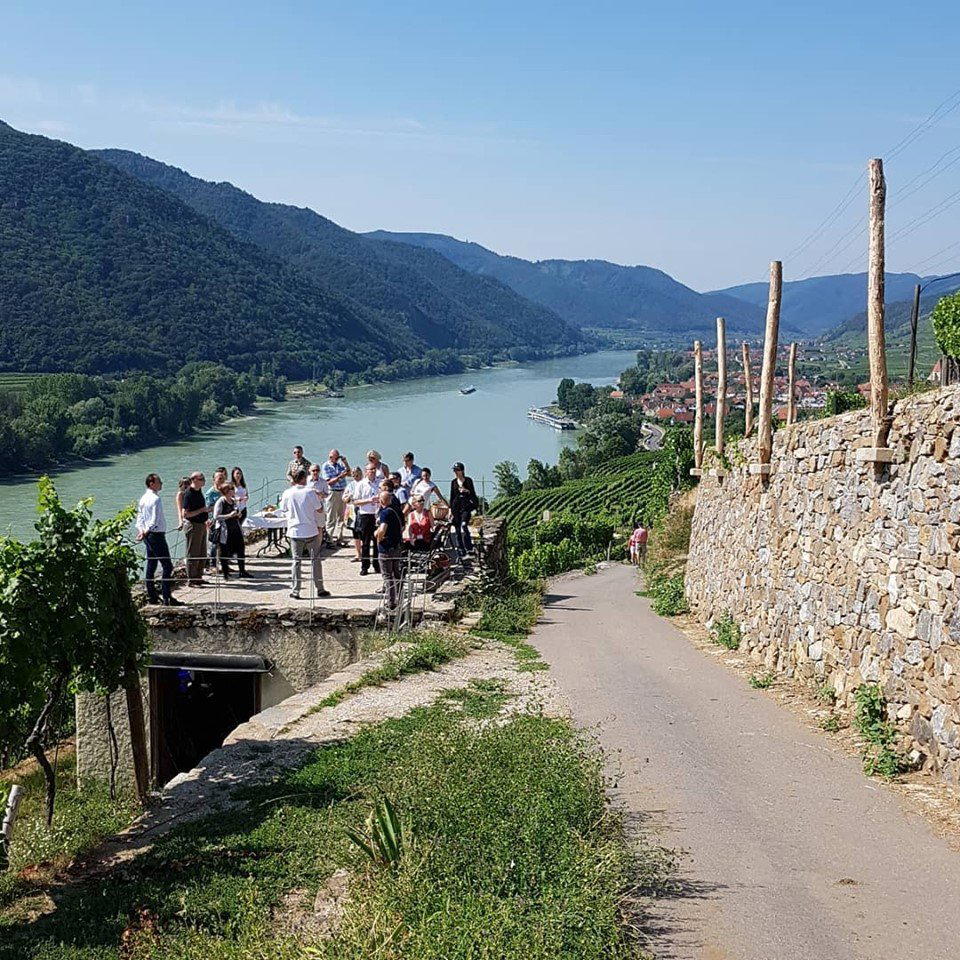
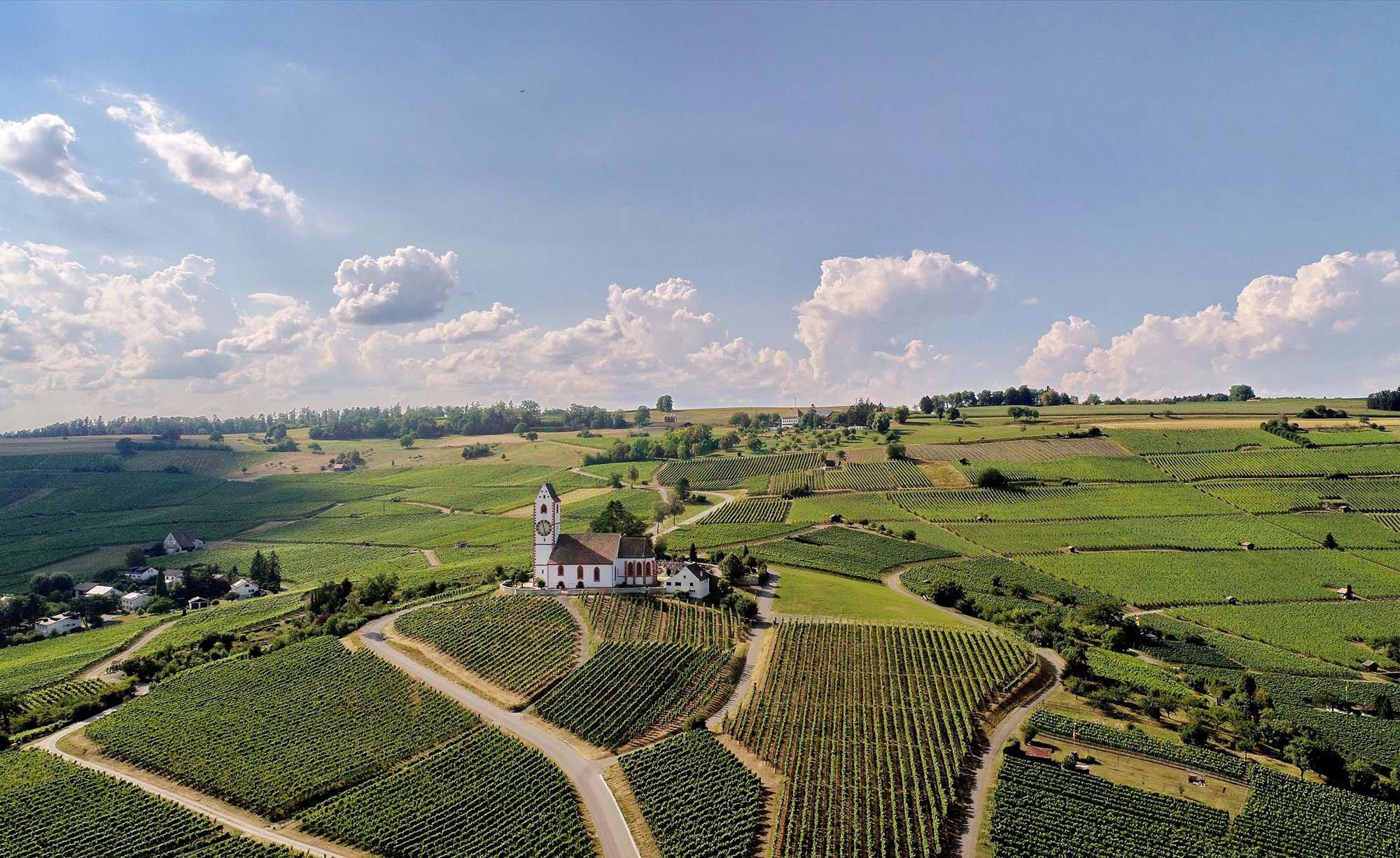
Weingut Leth sits quietly on the Wagram plateau, conveying a historic, village-rooted character. The tasting experience feels grounded in place: vineyards run to the cliff edge, the estate address is literally steps from the parish church, and the prose emphasizes generations of grape-growing. Rather than flashy modernism, the property reads as an authentic, charming producer where terroir and tradition take center stage. Visitors encounter a serene rural panorama and a sense of continuity between land, church, and cellar — an atmospheric backdrop that foregrounds the wines and the geology that defines them.
Best For
This is a destination for people who want to learn and reflect. The write-up emphasizes soil, place, and technique, making the estate a natural fit for wine-education visits and quiet solo exploration. It rewards slow-minded tasting: arriving by car from Vienna, visitors can follow the story of loess and limestone across the plateau and focus on how site and soil shape the wines. Small-group visits that prioritize conversation and tasting notes also suit the estate, but the copy particularly invites lone travelers and students of terroir to absorb the landscape and the winemaking lineage.
Tasting Tips
When tasting here, center your sampling on wines that reveal the Wagram's loess signature: look for whites with notable mid-palate texture and a fine grain to the mouthfeel, and reds with measured, fined tannins. The description contrasts these wines with Kamptal and Wachau styles, so order examples that showcase weight and textural density rather than overt fruitiness. Also consider the producer’s premium bottlings—Weingut Leth is noted as having earned Pearl 2 Star Prestige recognition in 2025—so include one of the higher-tier wines to understand the estate’s fullest expression of its soils.
Venue details
Ambiance
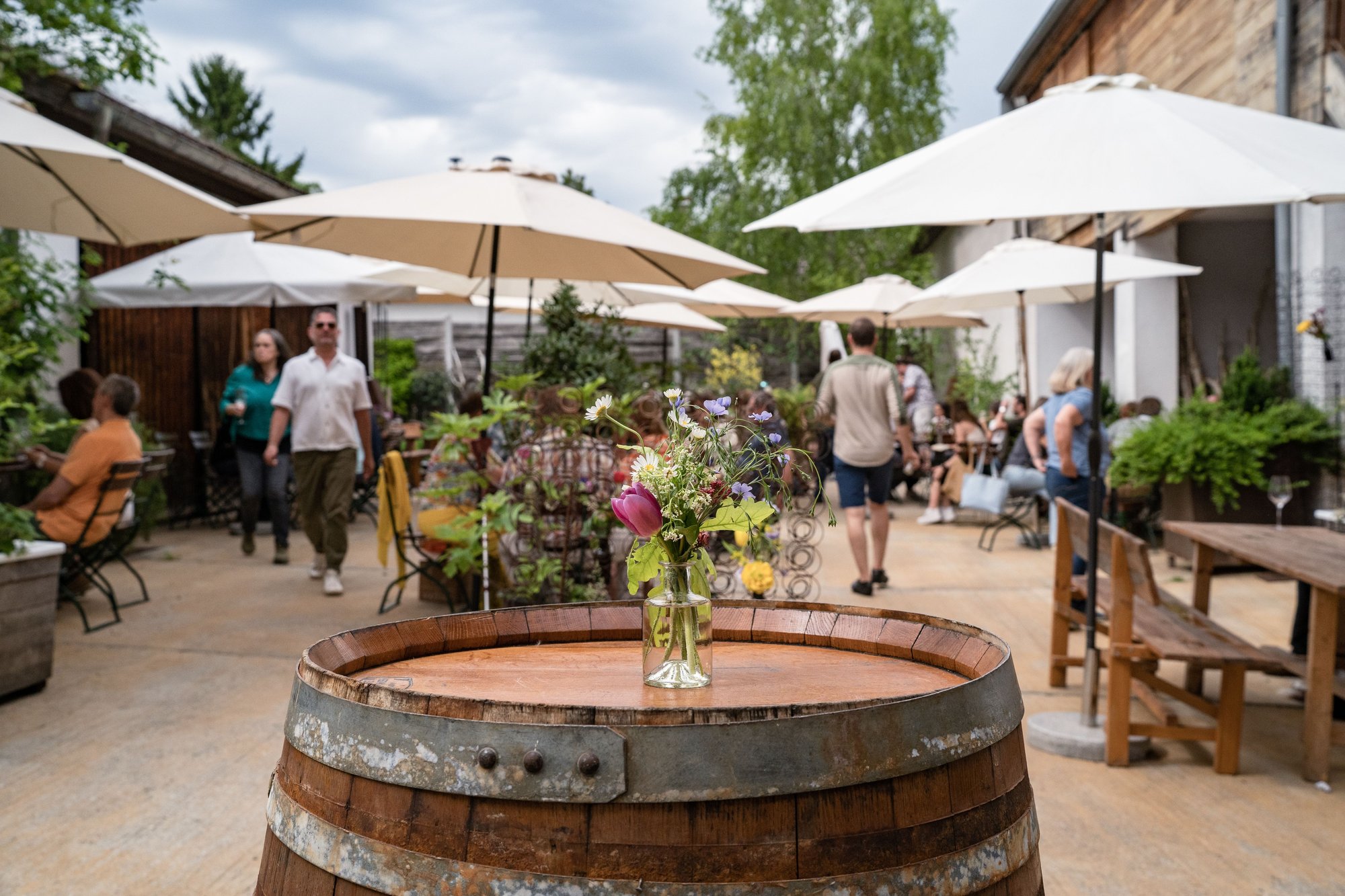
Rustic and authentic family winery atmosphere emphasizing terroir expression through organic vineyard work and traditional methods in a scenic loess landscape.
Tags
Vibe
Best For
Experience
Sourcing
View
At the Vineyard
- Appellation
- Wagram
- Varietals
- Grüner Veltliner, Roter Veltliner, Riesling, Zweigelt, Pinot Noir
- Tour Duration
- 60-90 minutes
- Wine Club
- Not available
Know before you go
Know Before You Go
- Getting there
- Kirchengasse 6, 3481 Fels am Wagram
Planning details
Location
Recognition and awards

Also consider
Where to look if this is full
If the preferred slot is not available, start with Weingut Bernhard Ott for a similarly serious regional comparison. Weinberghof Fritsch is the next practical cross-shop when the group wants to stay in the Wagram lane rather than expand the route.
Winery context
How it compares in the Wagram set
Choose Weingut Leth if the priority is a focused Fels am Wagram stop with the village setting built into the experience. Weingut Bernhard Ott is the stronger cross-shop for readers chasing a higher-profile regional name, while Weinberghof Fritsch is a sensible alternative if the booking here is too hard to secure.
For a broader Lower Austrian tasting day, compare it with Weingut Setzer, Weingut Arndorfer, and Weingut Allram. Those make more sense when the group wants multiple producer perspectives rather than one Wagram-specific appointment. On ambiance, Leth is the pick for a quieter wine-country address; the others are better treated as itinerary builders.
Explore Fels am Wagram
Around this place
Discover more on Pearl
Unlock the full Weingut Leth guide in Pearl, including awards, comparisons, FAQs, planning details, and nearby places.
Compare Weingut Leth
| Venue | Location | Awards |
|---|---|---|
| Weingut Leth | Fels am Wagram | 2026 Falstaff Winery Guide |
| Weingut Bernhard Ott | Feuersbrunn | 2026 Falstaff Winery Guide |
| Weinberghof Fritsch | Oberstockstall | 2026 Falstaff Winery Guide |
| Weingut Setzer | Hohenwarth | 2026 Falstaff Winery Guide |
| Weingut Arndorfer | Straß im Straßertale | 2026 Falstaff Winery Guide |
| Weingut Allram | Straß im Straßertale | 2026 Falstaff Winery Guide |
How Weingut Leth Fels am Wagram compares with similar nearby venues.
FAQ
Frequently Asked Questions
Does Weingut Leth serve food?
What other venues are useful comparisons for Weingut Leth?
Useful comparison names include Weinberghof Fritsch, Weingut Allram, Weingut Arndorfer, Weingut Bernhard Ott, and Weingut Setzer. Use them as broader itinerary references, and confirm each venue's exact location, hours, and visitor format directly.
When is the best time to visit Weingut Leth?
Opening hours or a visit schedule are not available. The best time to visit is the time you have confirmed directly with Weingut Leth, especially if the stop is part of a larger Fels am Wagram plan.
Does Weingut Leth have memberships or special access programs?
Membership or special-access information is not available. If membership, allocations, ordering access, or similar arrangements matter to you, ask Weingut Leth directly before making a decision.