
Adega Cartuxa (Fundação Eugénio de Almeida)
Quinta de Valbom, Évora
Winery in Évora, Portugal
 Book with Pearl
The Read
Alentejo Terroir Precision
Why go
A strong Évora choice for travellers who want a more serious winery stop rather than a casual tasting-room add-on. Book ahead and prioritise a structured or private-format visit if available; larger groups should confirm arrangements before building the day around it.
About Adega Cartuxa (Fundação Eugénio de Almeida)
Adega Cartuxa (Fundação Eugénio de Almeida) is a Pearl 2 Star Prestige (2025) venue in Évora. The dress code is smart casual, and the venue carries Pearl 2 Star Prestige recognition for 2025.
Use Our full Évora restaurants guide and Our full Évora hotels guide when planning the wider stay.
Worth planning around for a considered Évora stop
Adega Cartuxa (Fundação Eugénio de Almeida) is best approached as a considered Évora stop. If you want to build it into your itinerary, allow flexibility around the practical details.
The clearest signals are its Évora location, smart casual dress code, and Pearl 2 Star Prestige (2025) recognition. If those are enough to make it a priority for your itinerary, build in flexibility until the practical details are confirmed.
How to use it in a wider itinerary
If Évora is the base, Adega Cartuxa (Fundação Eugénio de Almeida) can be considered alongside comparison venues such as Adega Cooperativa de Borba, Herdade do Esporão, Herdade do Mouchão, and Quinta do Carmo. Luis Pato is another useful comparison, though it should be treated as a separate reference rather than part of an Évora route.
The practical verdict: consider Adega Cartuxa (Fundação Eugénio de Almeida) if you want a recognised Évora venue with a smart casual standard, and confirm all operational details before making firm plans. If your schedule depends on specific hours, prices, group capacity, or a particular visit format, check those details directly before you go.
Planning details
- Location
- Q.ta de Valbom, 7001-901 Évora
- Website
- cartuxa.pt
- Phone
- +351 266 748 383
The take
The Take
The Vibe
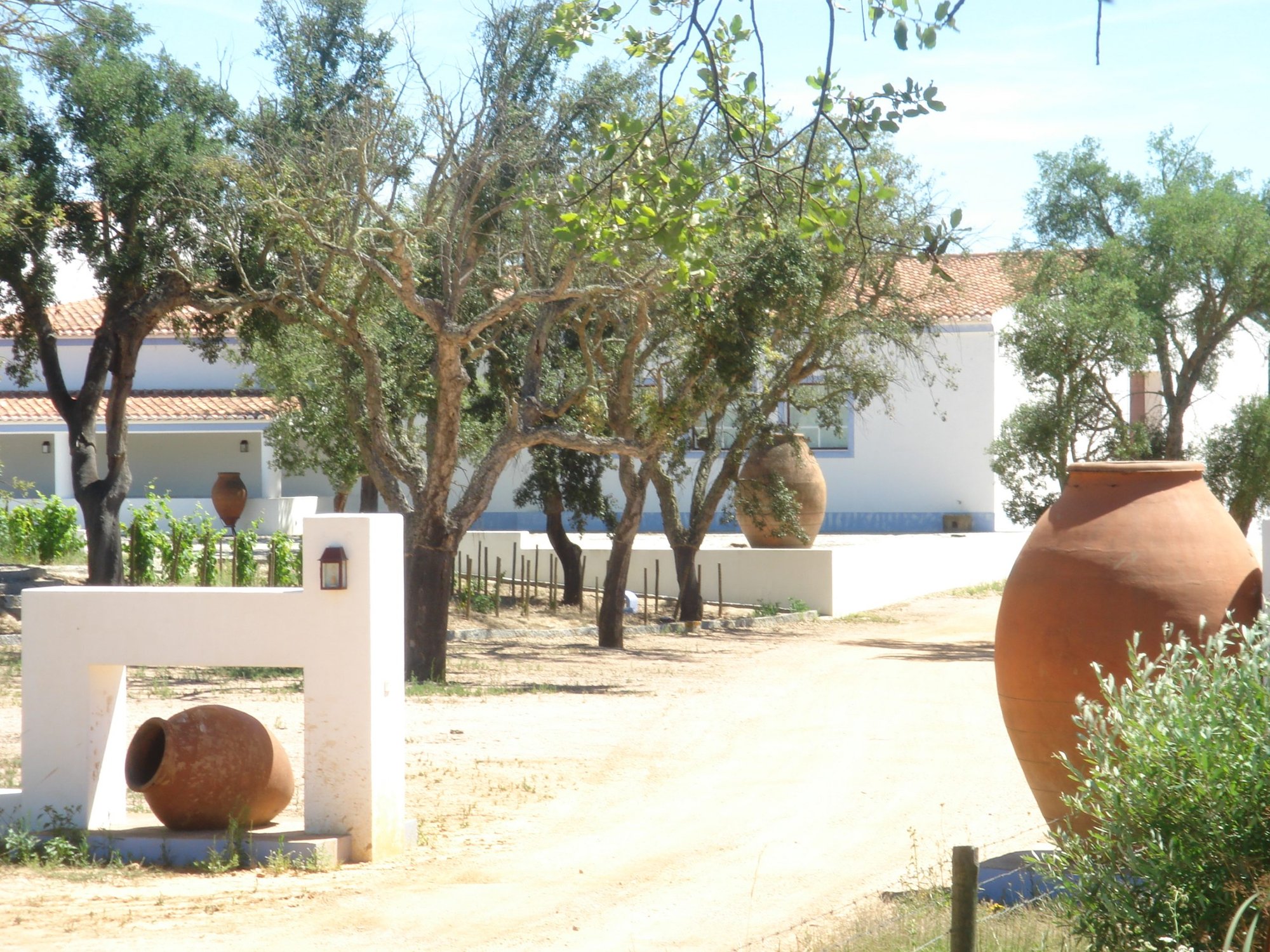
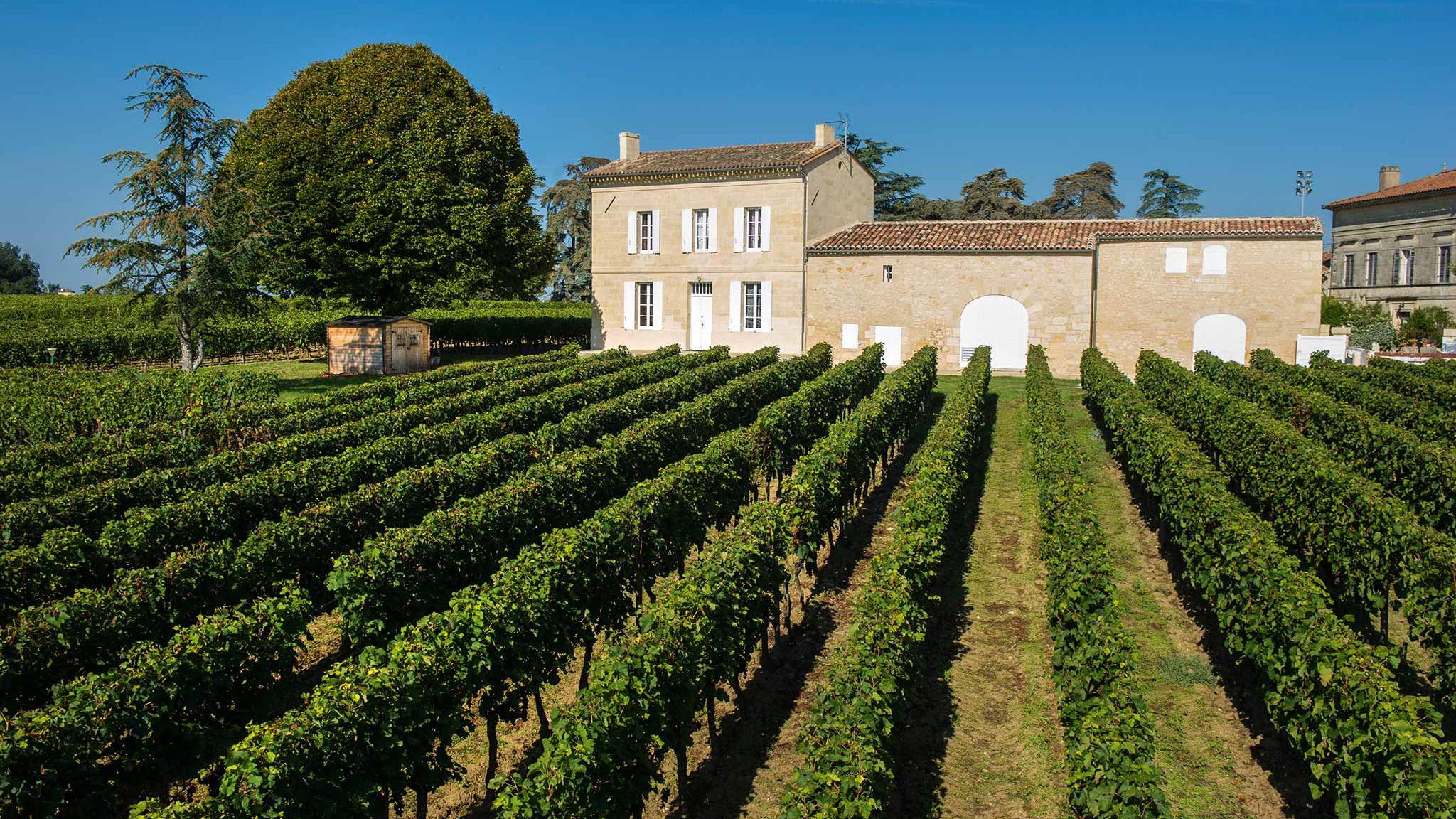
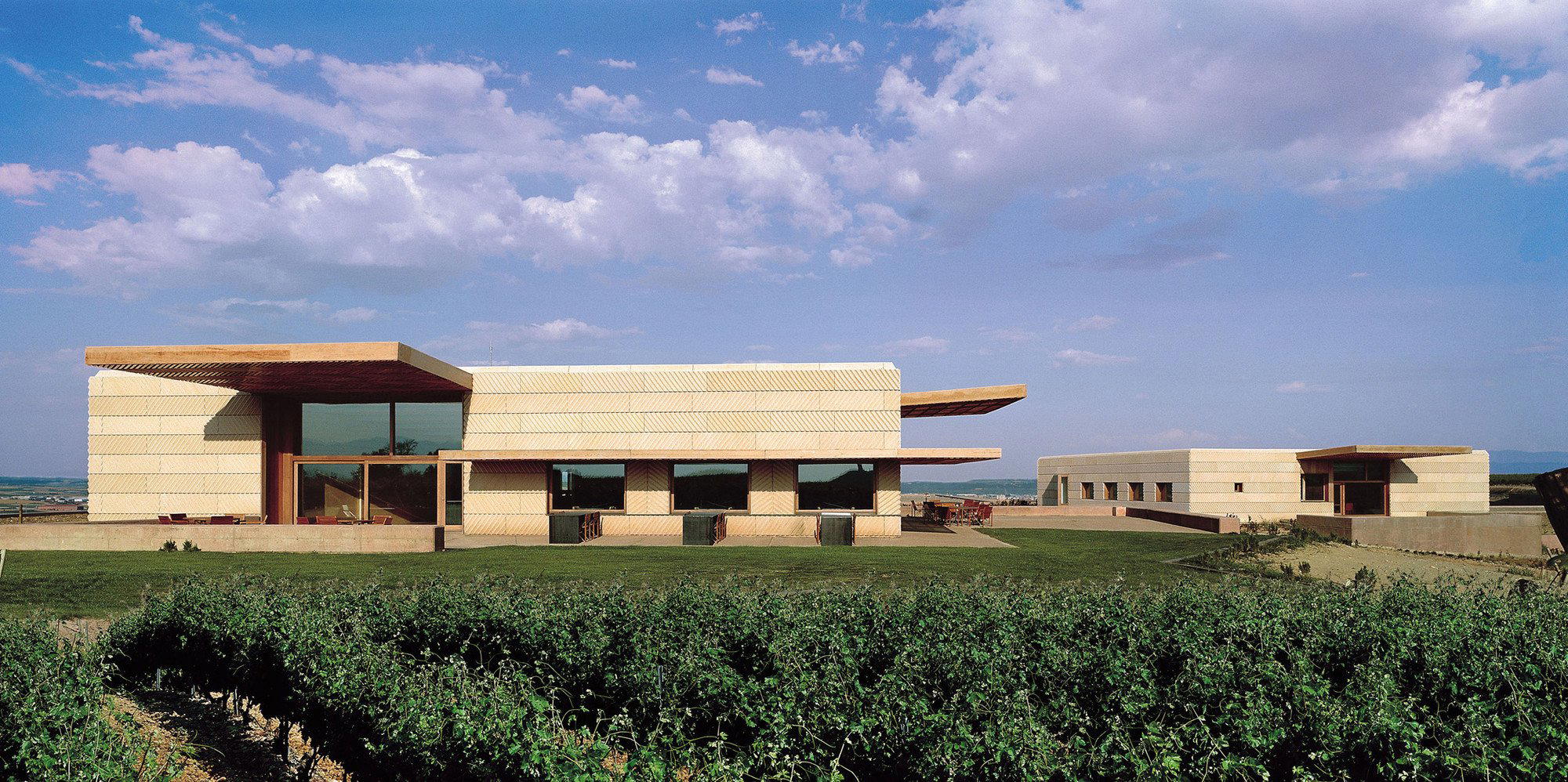
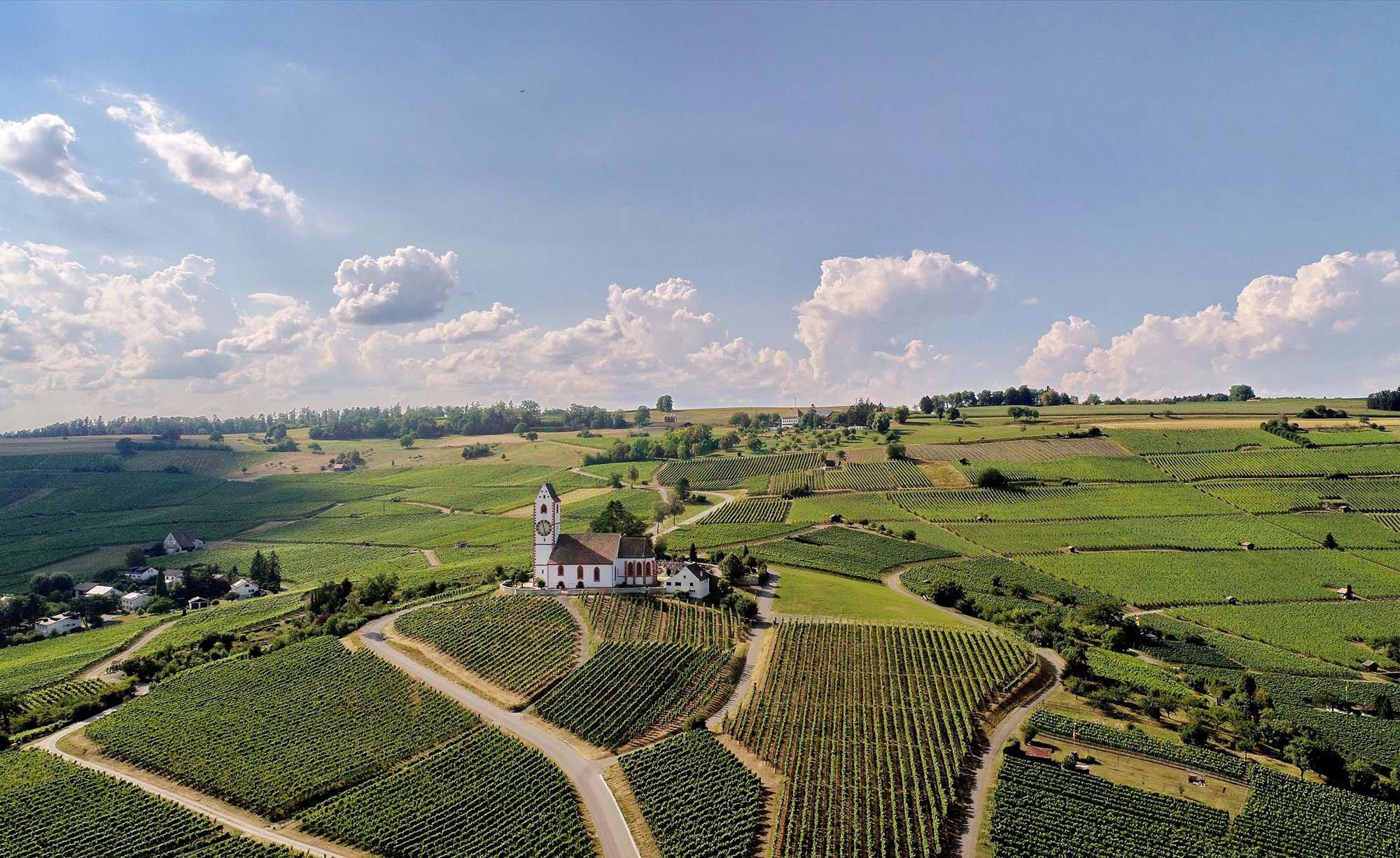
Adega Cartuxa occupies a measured place where institutional heritage meets the stark Alentejo landscape. The estate’s history predates the region’s post‑EU modernisation, and that lineage gives the property a classic, quietly assured demeanor. The surrounding plateau — ochre soils, cork oaks and open fields — imparts a serene, contemplative quality: this is a winery that foregrounds land and provenance over spectacle. The editorial impression is of a sophisticated, restraint-driven site where terroir and long-term thinking shape both the physical estate and the wines it produces.
Best For
This estate is best for visitors who come to learn about place-driven wine and to consider how extreme Alentejo conditions shape premium reds. It suits wine-education–minded travelers and solo explorers interested in terroir, as well as intimate, low-key special occasions in which history and provenance matter. Cartuxa is framed around continuity and agricultural tradition, so guests looking for thoughtful conversation about soil, climate and vine management will find the setting appropriately focused and rewarding.
Tasting Tips
Prioritise questions about terroir and the estate’s red-wine expressions: the description stresses how heat, soils and managed yields define the wines, so ask staff how those factors manifest in current bottles and across recent vintages. Request context about Quinta de Valbom plots and the foundation’s historical approach to the land rather than chasing trendy innovations. Focusing on structured, provenance-driven wines will give the clearest sense of what makes Cartuxa representative of Alentejo’s premium identity.
Venue details
Ambiance
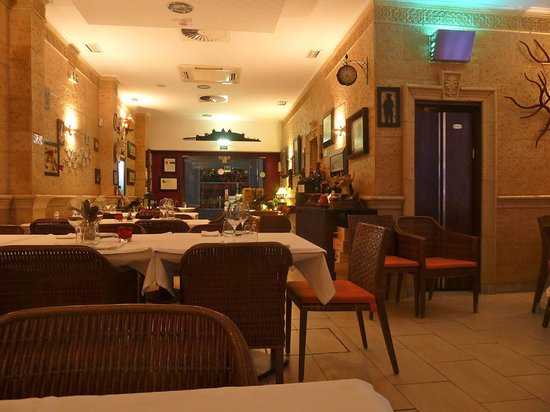
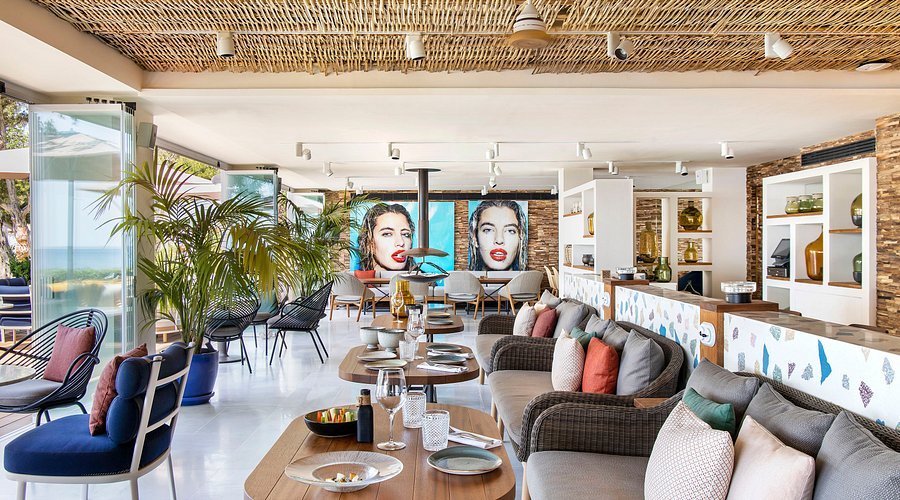
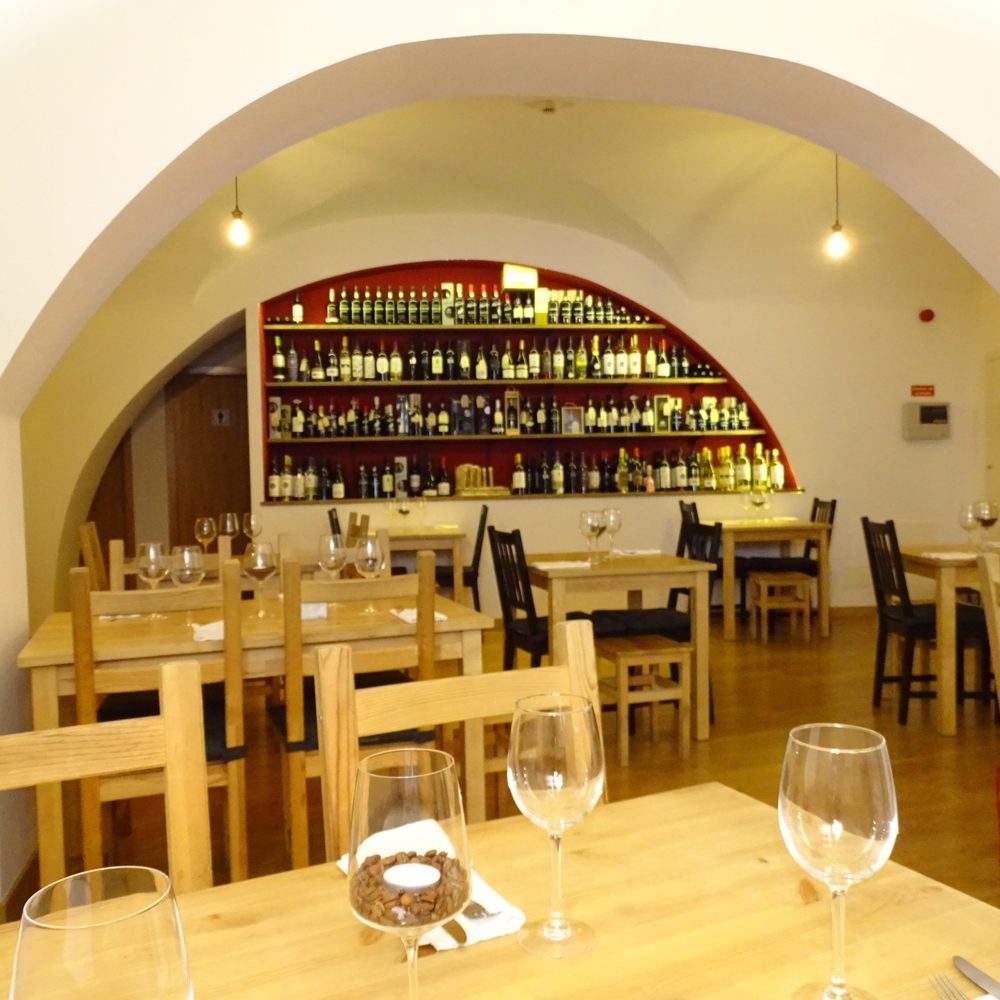
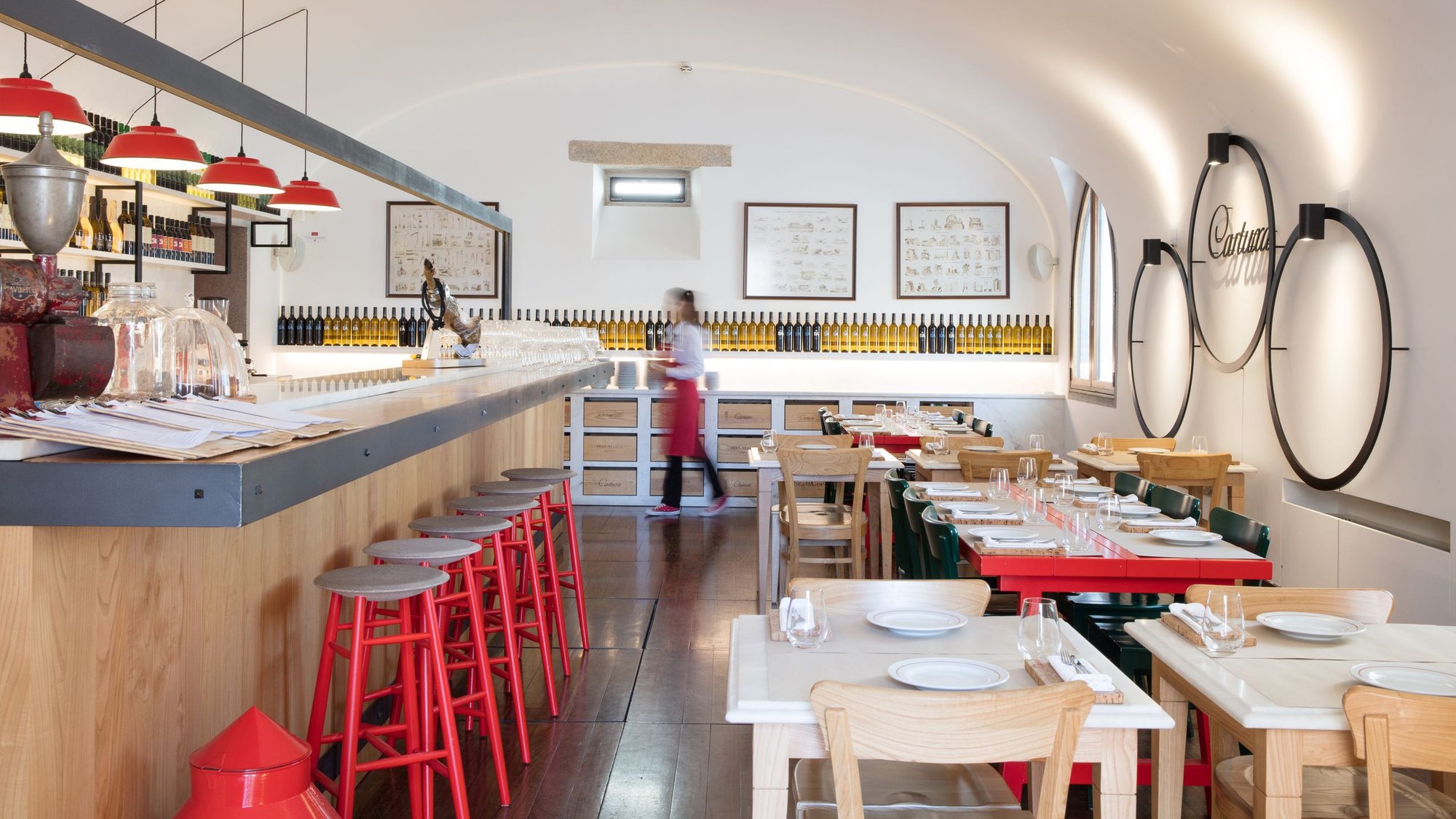
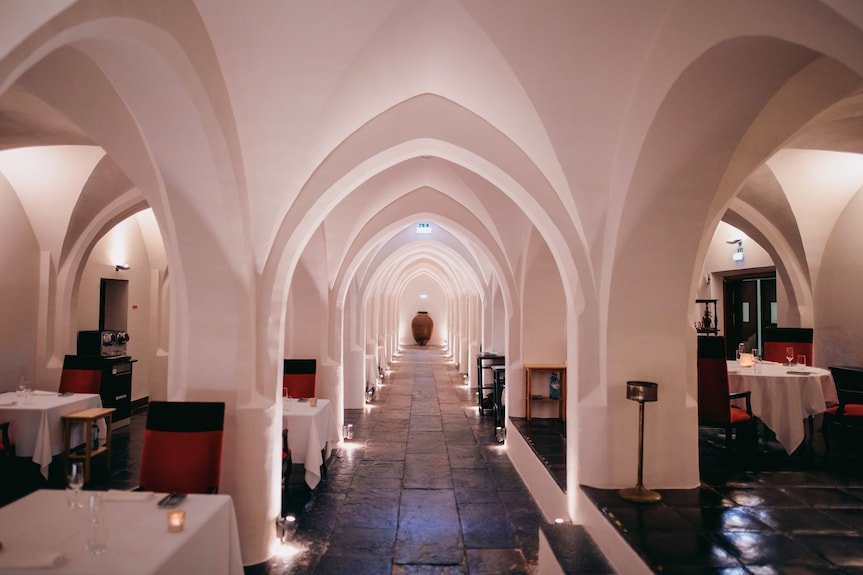
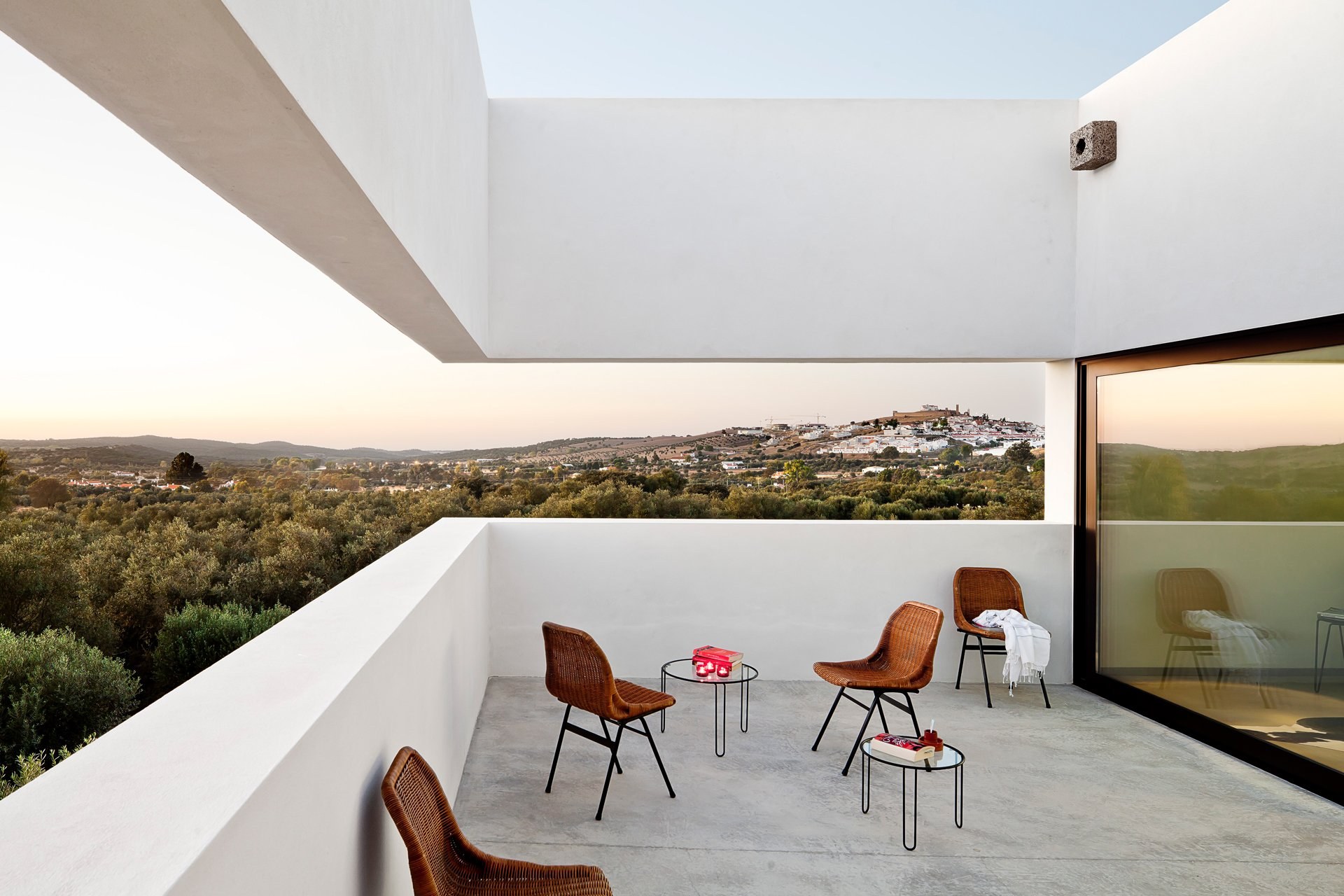
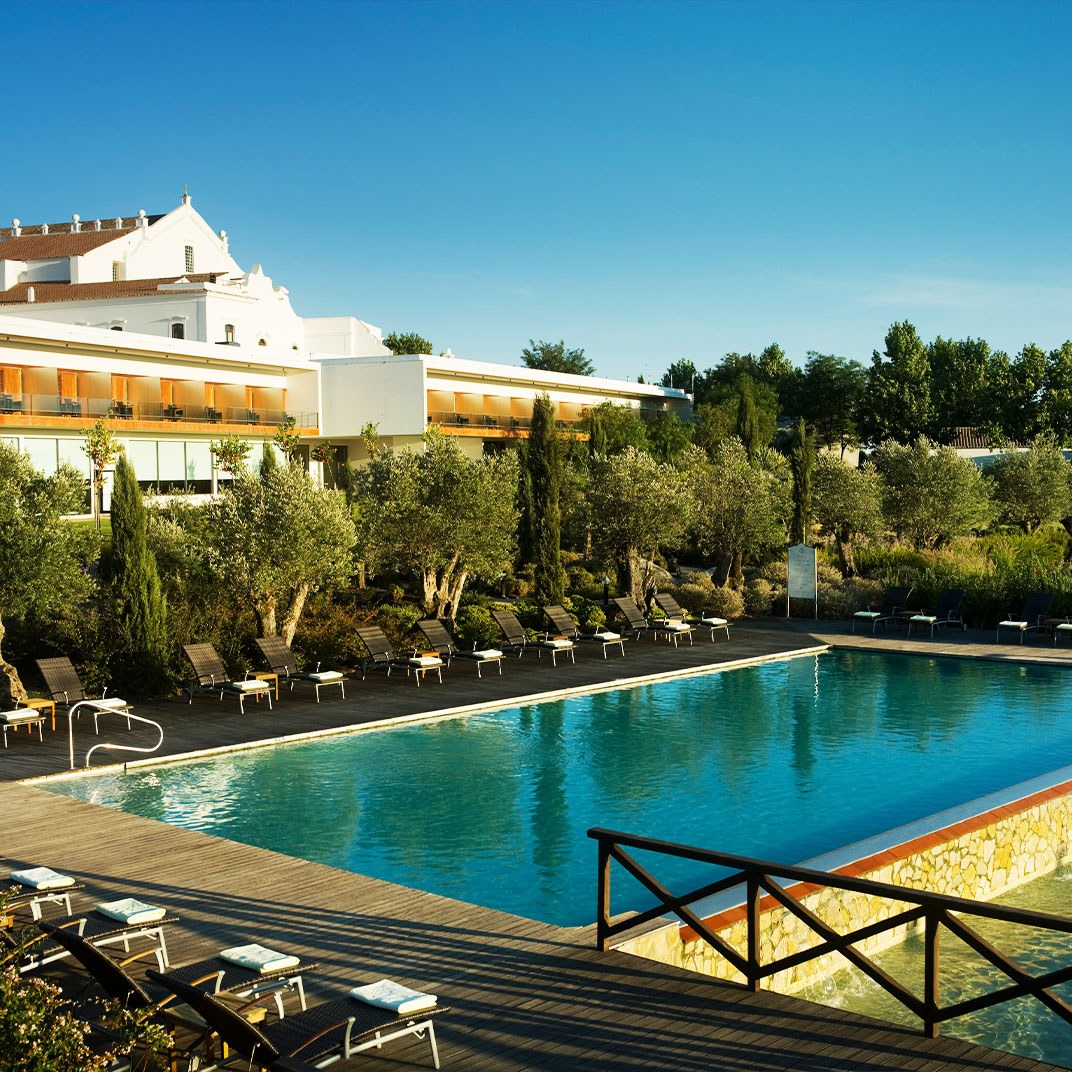
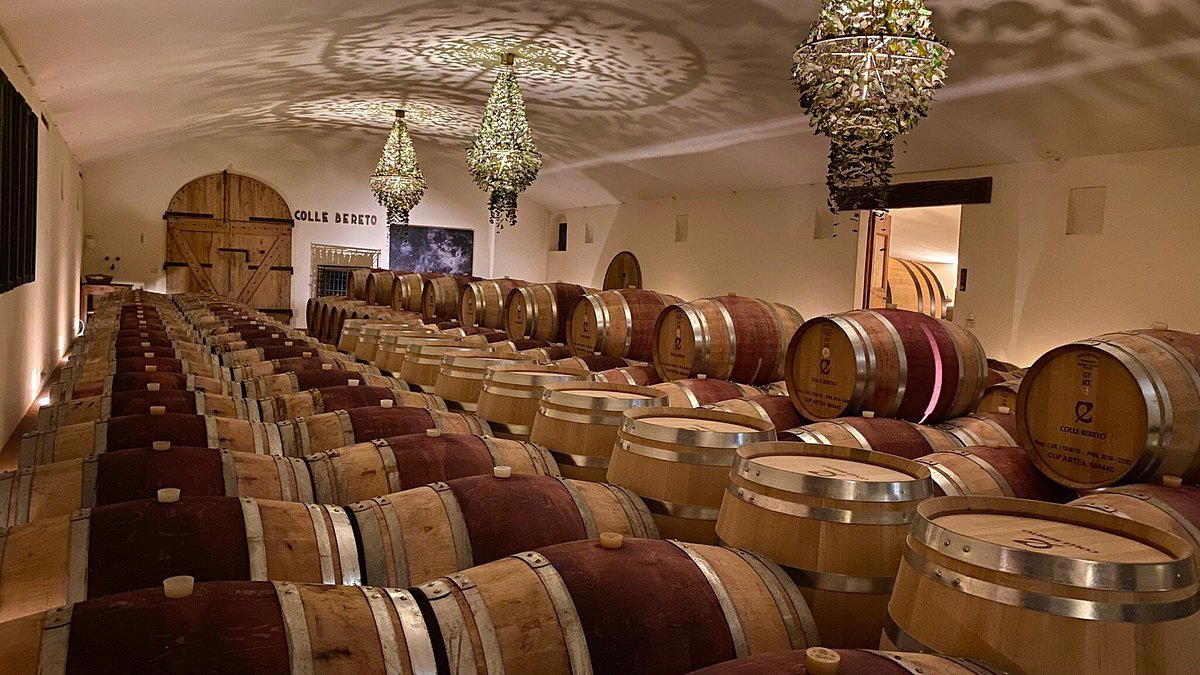
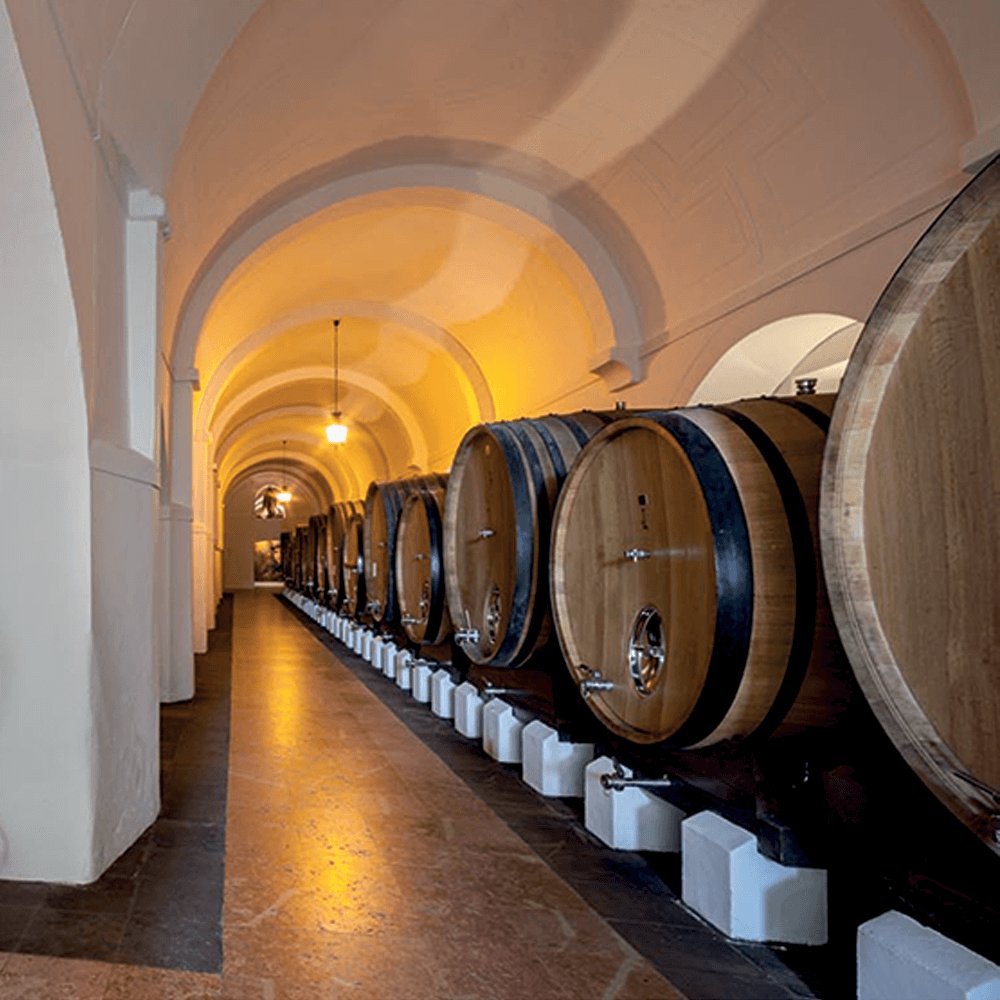
Atmospheric historic cellars with beautifully preserved architecture, offering a serene and welcoming tasting experience amid picturesque estate grounds.
Tags
Vibe
Best For
Experience
Sourcing
View
At the Vineyard
- Appellation
- Évora
- Varietals
- Trincadeira, Aragonez, Antão Vaz, Roupeiro, Alicante Bouschet
- Visits
- By reservation
- Wine Styles
- Still Red, Still White
- Wine Club
- Not available
Know before you go
Know Before You Go
- Getting there
- Q.ta de Valbom, 7001-901 Évora
Planning details
Location
Recognition and awards

Also consider
Also Consider
- Luis Pato, Notable alternative
- Herdade do Esporão, Notable alternative
- Herdade do Mouchão, Notable alternative
- Quinta do Carmo, Notable alternative
- Adega Cooperativa de Borba, Notable alternative
Winery context
How It Compares
Herdade do Esporão is the safer pick for travellers who want a larger destination-style winery day, while Adega Cartuxa (Fundação Eugénio de Almeida) makes more sense for an Évora-based itinerary where depth and location matter. If booking pressure is high, do not treat either as a casual fallback.
Herdade do Mouchão and Quinta do Carmo are better cross-shops for visitors who want estate character outside the city rhythm. Choose them when the drive is part of the appeal; choose Cartuxa when the day needs to stay anchored around Évora.
Adega Cooperativa de Borba is the more practical backup if value and access matter more than a private-feeling experience. Luis Pato is a weaker direct substitute for an Évora day because it sits outside the metro context, but it belongs on the list for travellers comparing serious Portuguese winery names across regions.
Around this place
Discover more on Pearl
Unlock the full Adega Cartuxa (Fundação Eugénio de Almeida) guide in Pearl, including awards, comparisons, FAQs, planning details, and nearby places.
Compare Adega Cartuxa (Fundação Eugénio de Almeida)
| Venue | Location | Awards |
|---|---|---|
| Adega Cartuxa (Fundação Eugénio de Almeida) | Évora | 2026 Falstaff Winery Guide |
| Luis Pato | Anadia | No published awards |
| Herdade do Esporão | Reguengos de Monsaraz | Michelin Guide Portugal 20262026 Falstaff Winery Guide2026 La Liste Top Restaurants2025 World's 50 Best Vineyards · #692025 The Best Chef One Knife2025 Michelin 1 Star2024 Michelin 1 Star |
| Herdade do Mouchão | Casa Branca | 2026 Falstaff Winery Guide |
| Quinta do Carmo | Estremoz | 2026 Falstaff Winery Guide |
| Adega Cooperativa de Borba | Borba | No published awards |





How Adega Cartuxa (Fundação Eugénio de Almeida) Évora compares with similar nearby venues.
FAQ
Frequently Asked Questions
Do I need a reservation at Adega Cartuxa (Fundação Eugénio de Almeida)?
Can Adega Cartuxa (Fundação Eugénio de Almeida) handle large groups?
What other venues can I compare with Adega Cartuxa (Fundação Eugénio de Almeida)?
Useful comparisons include Adega Cooperativa de Borba, Herdade do Esporão, Herdade do Mouchão, Quinta do Carmo, and Luis Pato. Check each venue's location and current visit details directly when planning your route.
Are membership or club options available at Adega Cartuxa (Fundação Eugénio de Almeida)?
If any such option is available and relevant to your plans, confirm the current terms directly with Adega Cartuxa (Fundação Eugénio de Almeida) before deciding.
When is the best time to visit Adega Cartuxa (Fundação Eugénio de Almeida)?
Plan around current information from Adega Cartuxa (Fundação Eugénio de Almeida) and allow flexibility in your Évora itinerary.