
Perrier-Jouët
Épernay
Winery in Épernay, France
 Book with Pearl
The Read
Blanc de Chardonnay Prestige
Why go
Champagne Perrier-Jouët is worth targeting for a polished Épernay Champagne-house visit, especially for celebrations, dates, and client-facing itineraries. Its 2 Falstaff stars in 2026 give it a clear quality signal, but availability should be treated as tight, so plan with backup options and avoid building an overpacked tasting day.
About Perrier-Jouët
2 Falstaff stars in 2026 give Champagne Perrier-Jouët a clear reason to be on an Épernay celebration shortlist, especially for visitors who want a polished Champagne-house experience rather than a casual cellar stop. In a city built around Champagne tourism, the smart decision is to treat this as a special-occasion anchor: plan the day around it, keep the rest of the itinerary light, and avoid stacking too many tastings around the same slot.
A polished Épernay choice for a celebration-led tasting
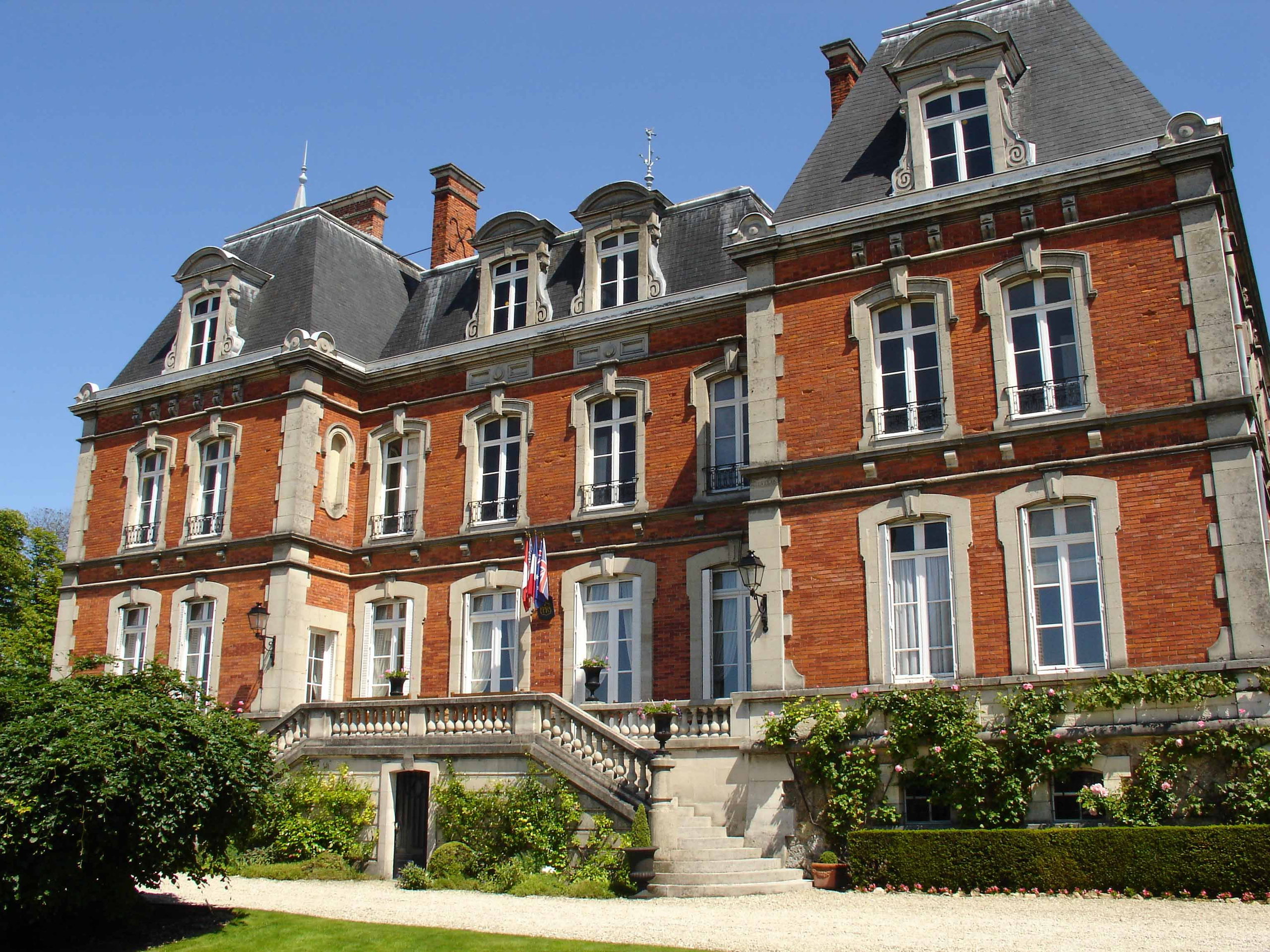
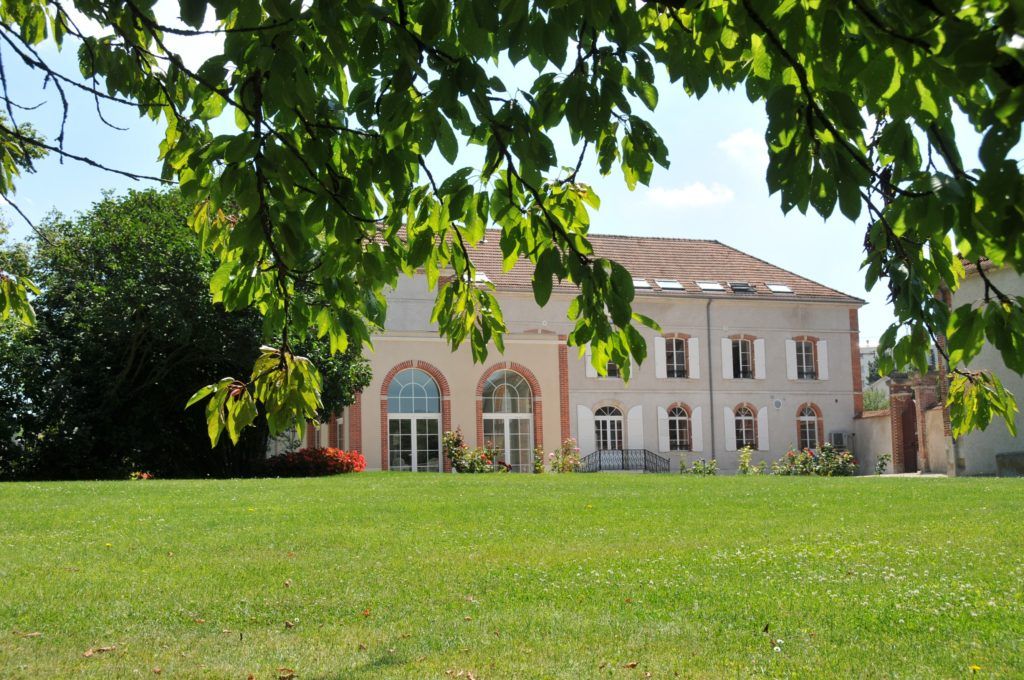
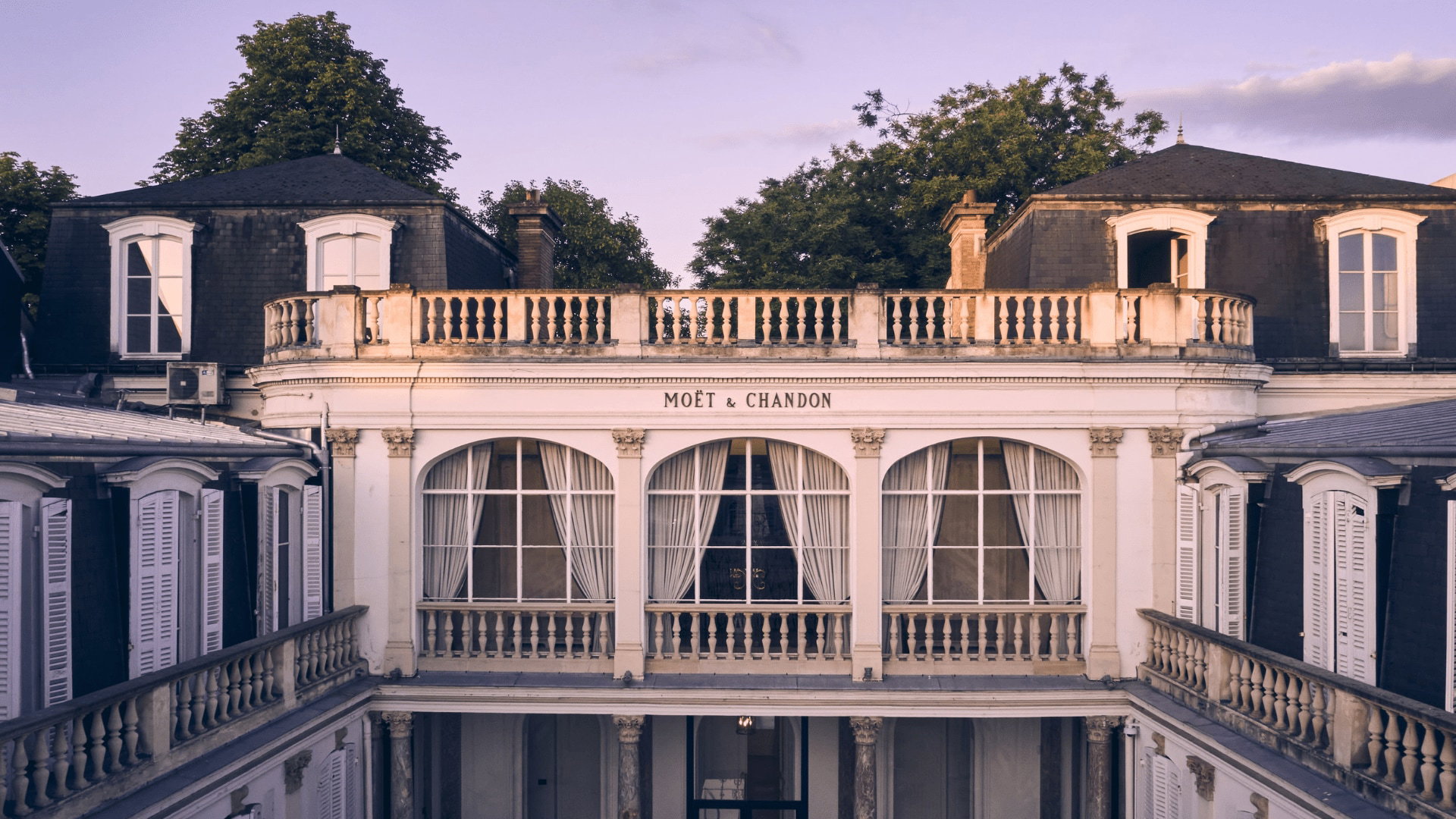
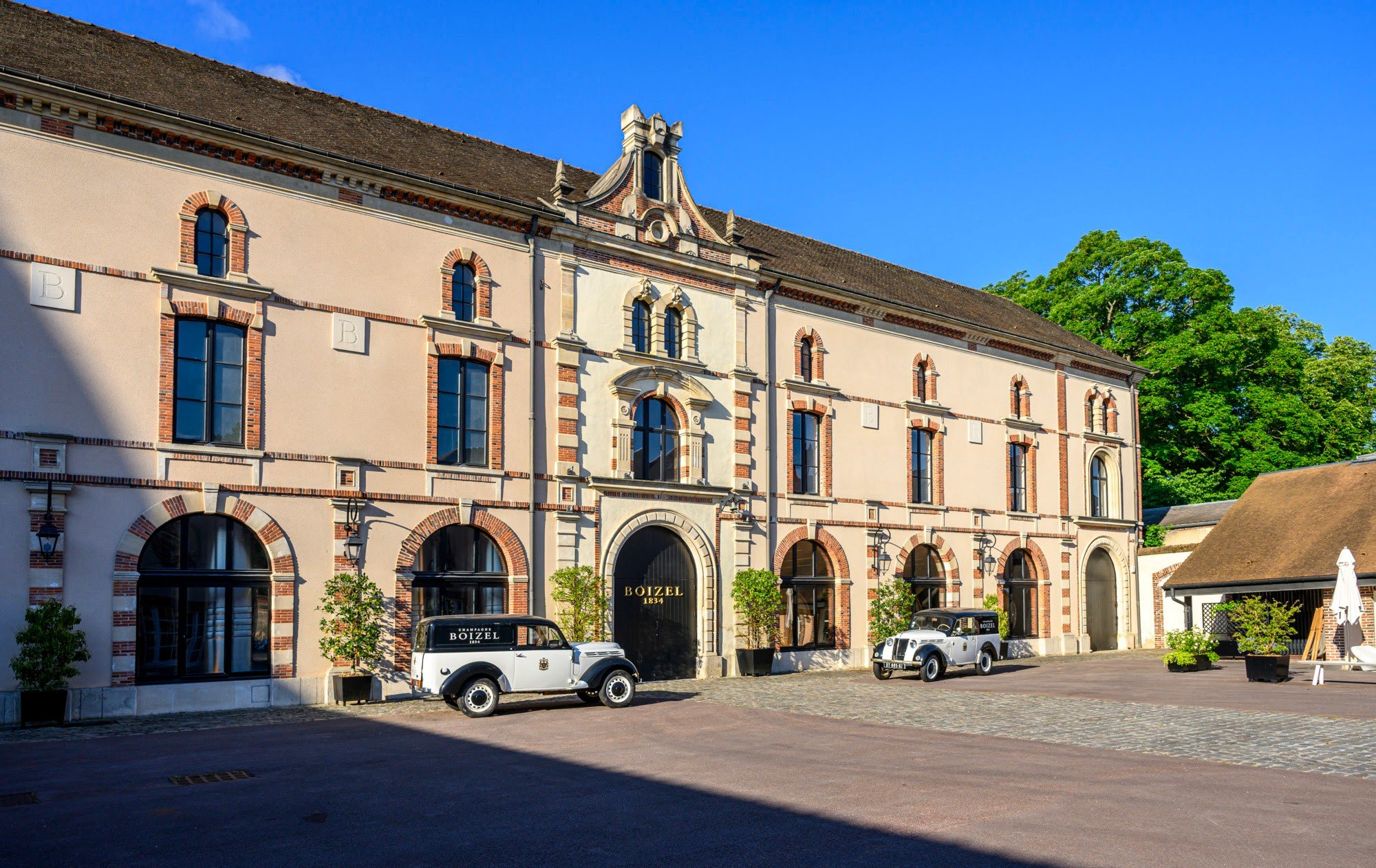
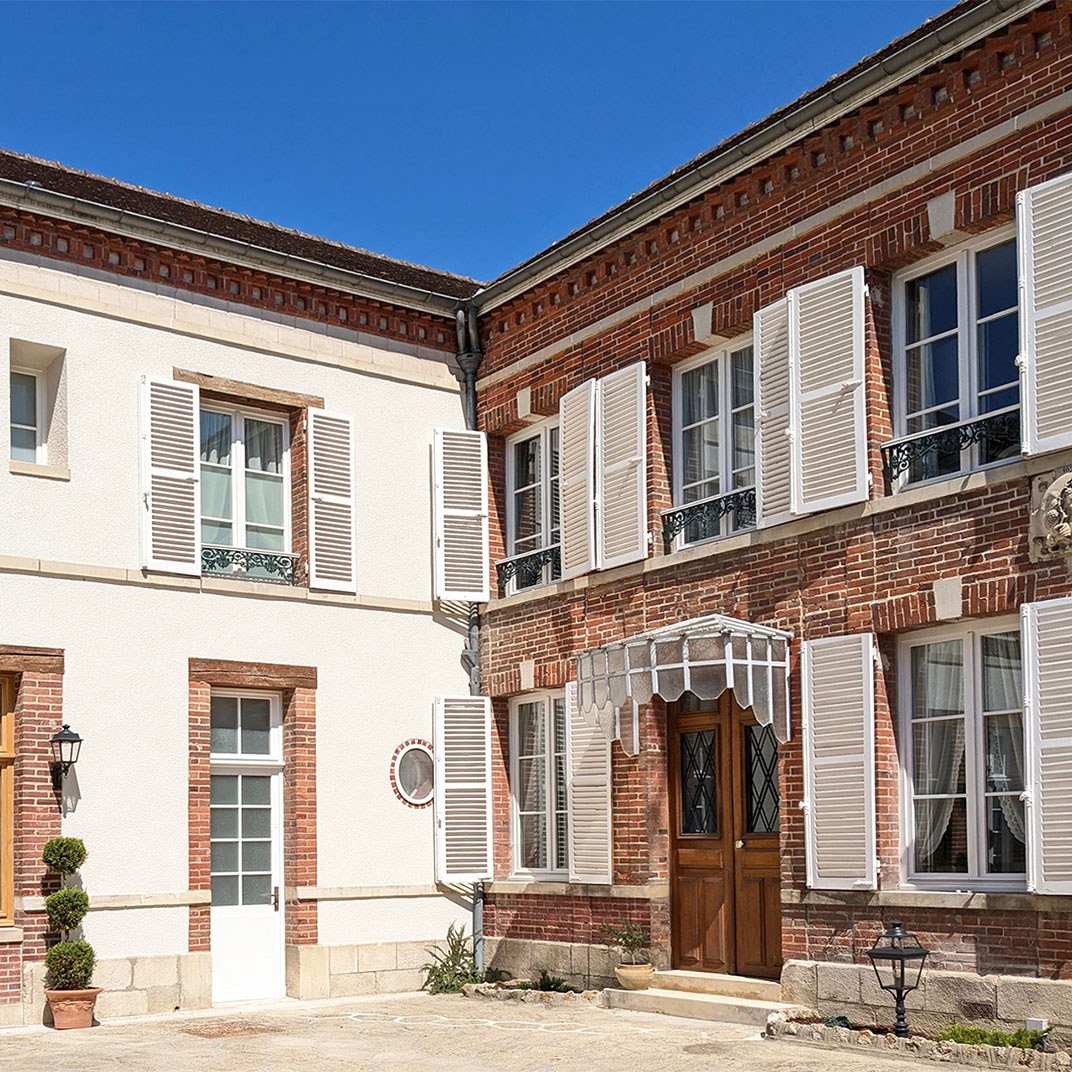
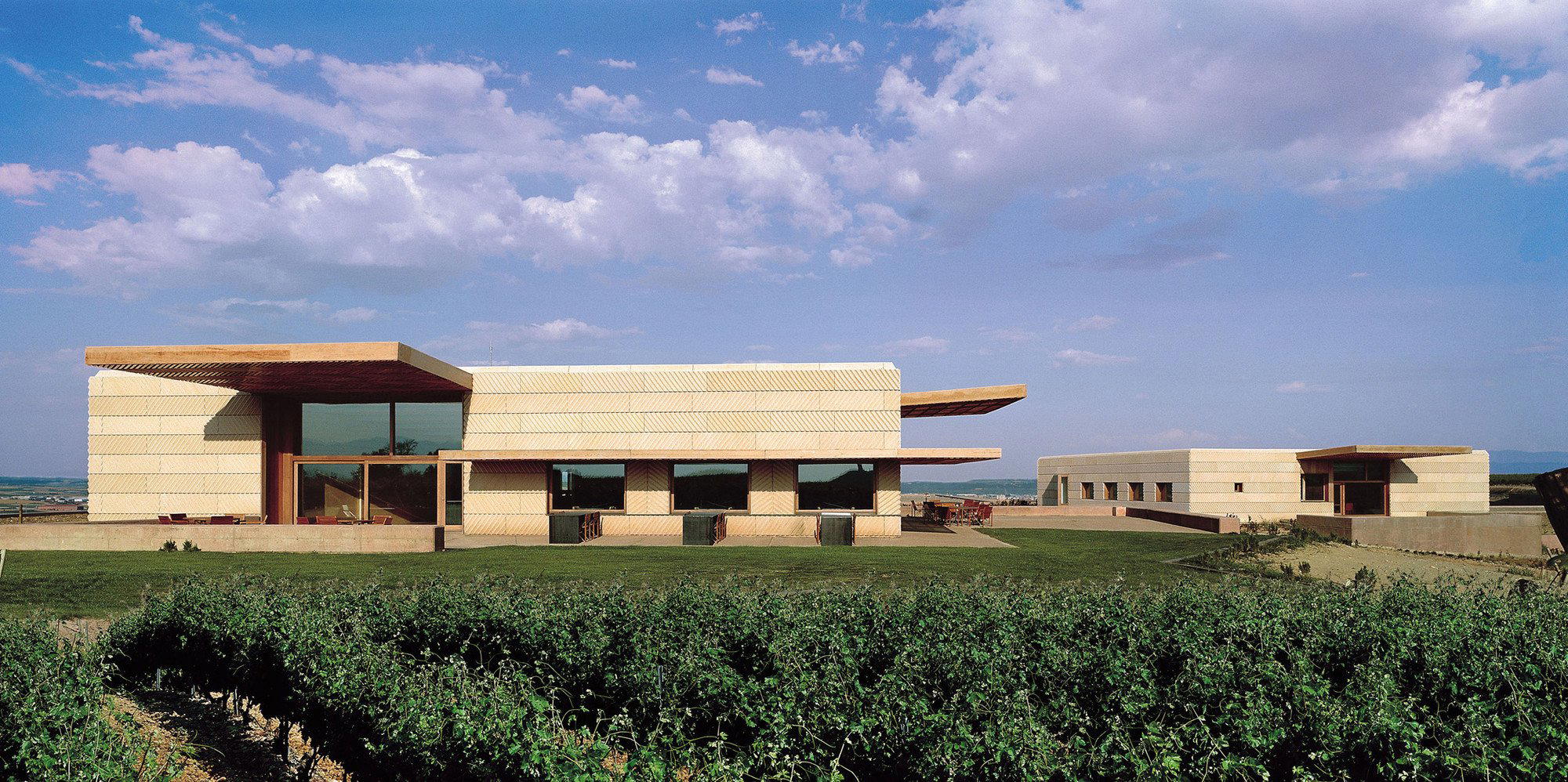
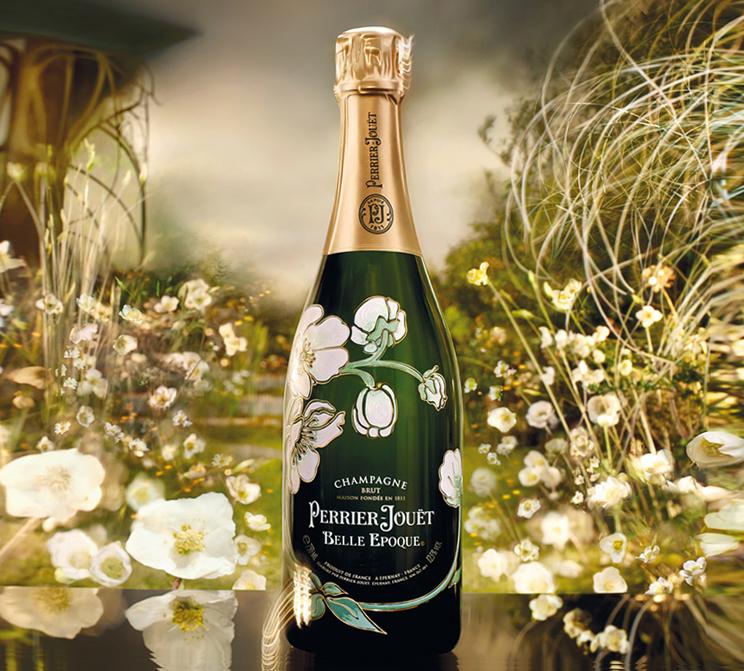
The case for booking is strongest if the goal is occasion value: a date, anniversary, client outing, or first serious Champagne-region visit. The visual draw is part of the decision here, because Épernay’s Champagne houses are often judged as much by setting and ceremony as by what lands in the glass. This is not the right target if the priority is a low-key grower visit or a quick drop-in between errands; it fits better when the visit itself is meant to carry the afternoon.
Booking difficulty is the main constraint. Treat availability as tight and avoid assuming same-day access, particularly around weekends, holiday periods, and peak Champagne travel months. For a two-person celebration, build flexibility into the surrounding meal plans rather than forcing a restaurant reservation too close to the tasting window. For larger groups, confirm arrangements before shaping the rest of the Épernay schedule.
How to build the rest of the Épernay day around it
Because the public details are lean, the safest planning approach is conservative: allow enough time for the visit, leave a buffer before lunch or dinner, and use the house as the fixed point rather than the flexible add-on. Visitors comparing wine-led days in town can browse Our full Épernay wineries guide, then round out the trip with Our full Épernay restaurants guide, Our full Épernay hotels guide, Our full Épernay bars guide, and Our full Épernay experiences guide.
If the schedule needs backup options, keep the wider Champagne route practical rather than overpacked. Nearby planning pages worth checking include Alfred Gratien, Champagne Boizel, Champagne Collard-Picard, Champagne Comtesse Lafond, and Champagne de Venoge. For broader wine-trip research beyond Épernay, also covers A. Margaine in Villers-Marmery, Abbaye de Fontfroide in Narbonne, Abbotts & Delaunay in Marseillette, »der Steiner« Hans Steiner in Podersdorf am See, and & Handwein in Mannheim.
Planning details
- Location
- 26 Avenue de Champagne, 51200 Épernay, France
- Website
- perrier-jouet.com
- Phone
- +33326583800
The take
The Take
The Vibe
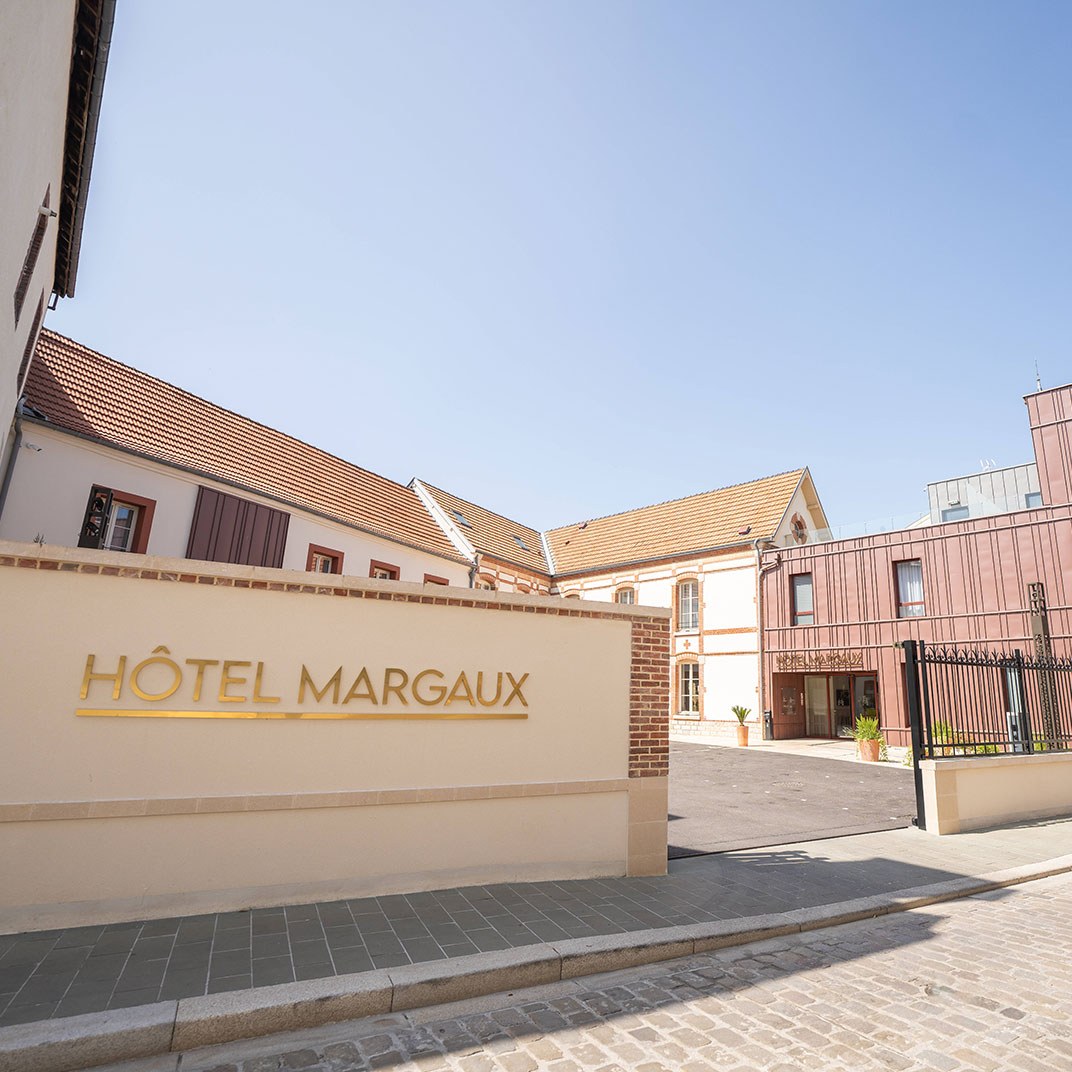
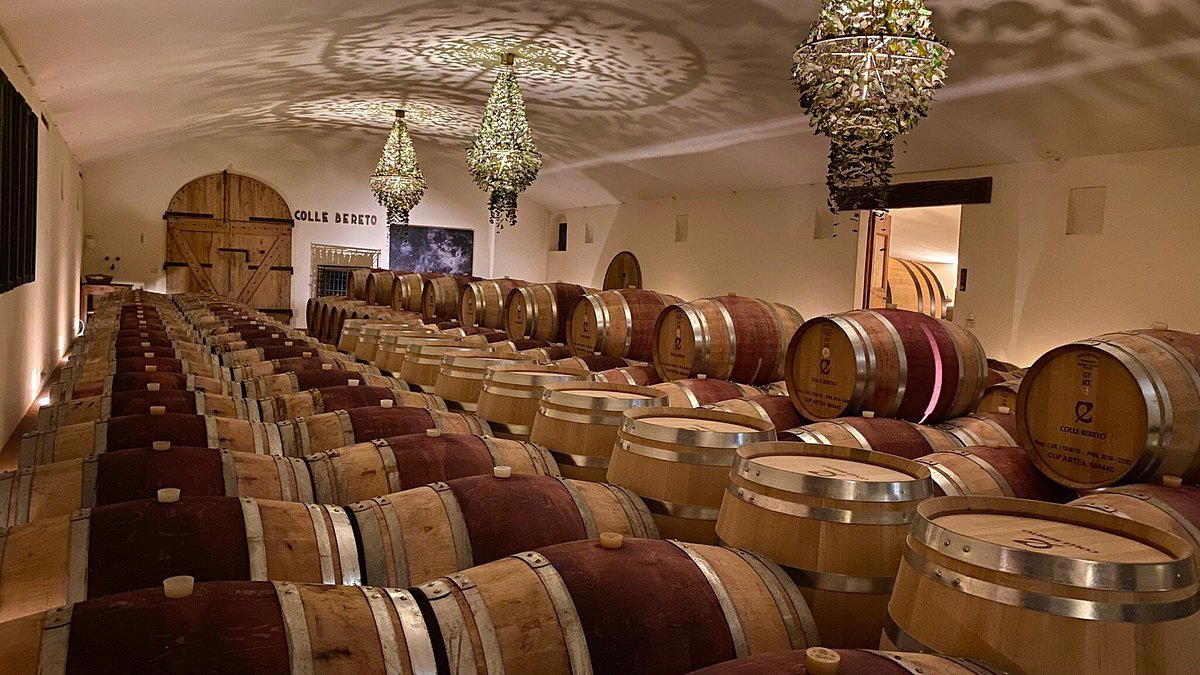
Perrier-Jouët reads like a quietly authoritative house: an early-19th-century address on the Avenue de Champagne with limestone facades and deep chalk cellars beneath the boulevard. The property projects restraint rather than spectacle, no bombastic signage or queue-management theatrics, and that architectural formality bleeds into the cellar environment, where cool, constant humidity supports slow ageing. The result is an experience that favors subtlety over ostentation; visitors encounter a historic, composed maison whose personality is built as much from geology and infrastructure as from marketing, and whose presence feels understated and dignified.
Best For
This is a visit for people who prize wine heritage and production context over crowd-driven spectacle. Perrier-Jouët suits anyone interested in Champagne’s technical and stylistic geography: particularly those eager to understand how deep chalk cellars and méthode champenoise shape ageing and expression. It also works well as part of a special-occasion itinerary among the grandes maisons of Épernay: the house’s restraint and long history lend gravitas to celebratory visits without the louder tourist trappings found elsewhere on the avenue.
Tasting Tips
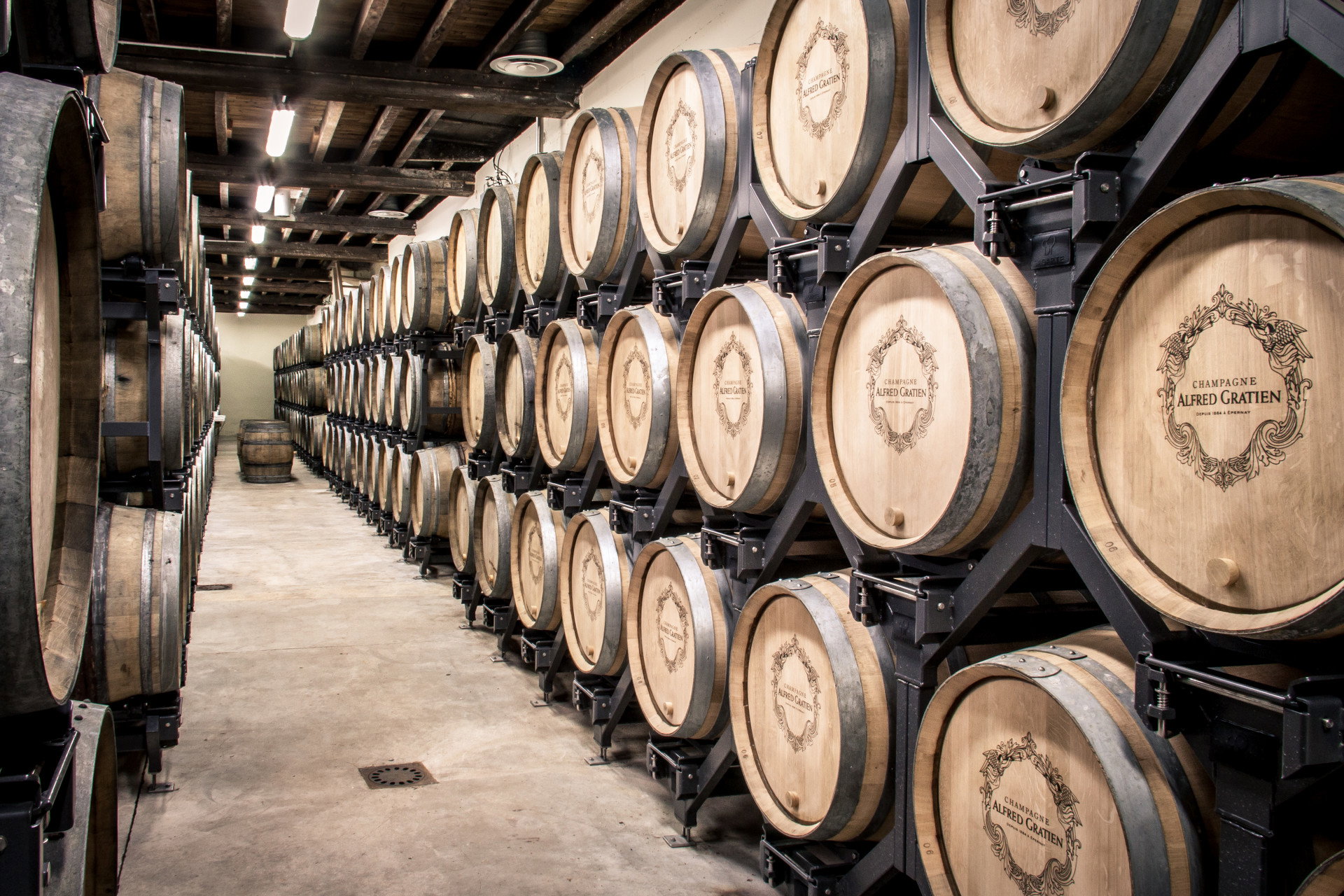
When exploring Perrier-Jouët’s wines, orient toward their Côte des Blancs lineage: the house repeatedly emphasizes Chardonnay, freshness and floral registers over sheer richness. Ask about the role of the chalk subsoil and the slow-ageing methods referenced in the house’s production infrastructure: those details are central to how the wines develop. If discussing bottles with staff, focus questions on ageing conditions in the underground network and how that influences the balance and aromatic profile rather than seeking power or high-octane styles.
Venue details
Ambiance
Elegant and refined atmosphere steeped in history, art, and floral motifs, evoking the opulence of the Belle Époque era.
Tags
Vibe
Best For
Experience
Sourcing
View
At the Vineyard
- Appellation
- Champagne AOC
- Varietals
- Chardonnay, Pinot Noir, Pinot Meunier
- Tour Duration
- 60-90 minutes
- Tour Languages
- English, French
- Visits
- By appointment only
- Farming
- Sustainable
- Production
- Large producer
- Wine Styles
- Sparkling
- Wine Club
- Not available
Know before you go
Know Before You Go
- Getting there
- 26 Avenue de Champagne, 51200 Épernay, France
Planning details
Location
Recognition and awards

Around this place
Discover more on Pearl
Unlock the full Perrier-Jouët guide in Pearl, including awards, comparisons, FAQs, planning details, and nearby places.
FAQ
Frequently Asked Questions
How long should I plan for a visit to Champagne Perrier-Jouët?
Plan on half a day if you want the visit to feel relaxed, especially in Épernay where the day can build around more than one stop. The house carries Falstaff 2 Stars (2026), which makes it worth giving enough time instead of treating it as a quick photo stop.
Is the wine club at Champagne Perrier-Jouët worth joining?
Only if you want regular access to Champagne-house releases and you already know you like the style of a major Épernay producer. For a one-off trip, a visit in Épernay is usually the better spend than committing to a club first, especially if you are still comparing houses.
Can Champagne Perrier-Jouët handle large groups?
It is a stronger fit for smaller parties than for a loose crowd, so keep group plans tight and organized. If your group is 6 or more, confirm the setup before arriving in Épernay, because houses at this level tend to work better with advance coordination than with walk-in flexibility.
What other wineries are near Champagne Perrier-Jouët?
The nearest useful alternatives are other Champagne houses in Épernay, since that is the city-level context for this visit. If you want to compare format and reputation, use Épernay’s house lineup rather than leaving the area for a separate tasting day.