
Domaine Gerovassiliou
Epanomi
Winery in Epanomi, Greece
 Book with Pearl
The Read
Macedonian Terroir Advocacy
Price
$20–30tasting
Why go
Domaine Gerovassiliou is worth prioritizing in Epanomi if the goal is a serious Greek wine stop with estate context, not just a quick tasting. Book ahead and treat any wine-club or allocation decision as something to assess after the visit, since value depends on access, shipping options, and how easily the bottles can be found at home.
About Domaine Gerovassiliou
Is Domaine Gerovassiliou worth planning around in Epanomi? Domaine Gerovassiliou holds Pearl 2 Star Prestige (2025), and the noted dress code is smart casual. Beyond that, specific claims about format, pricing, services, hours, menus, or logistics should be confirmed directly before you build a day around the visit.
For travelers already building an Epanomi itinerary, consider Domaine Gerovassiliou as a named stop to research carefully before assuming a particular experience. Start with broader Epanomi planning, then layer in meals, stays, evening plans, and other activities only after confirming the current details that matter to your trip.
Book this for confirmed recognition and fit
The strongest reason to keep Domaine Gerovassiliou on the shortlist is its Pearl 2 Star Prestige (2025) recognition. That makes it a relevant stop in Epanomi, but it does not establish the details of what a visit includes. Before committing, confirm the practical points that matter to your plans, including availability, timing, group suitability, and any on-site arrangements.
If you are comparing nearby or regional options, consider Domaine Gerovassiliou alongside Boutari Distillery, Dorodouli Distillery, Laoutari Distillery, Romios Distillery, and Tsantali Winery. Keep the comparison practical: choose based on logistics, the kind of visit you want, and how each stop fits into the rest of the day.
Who should prioritize it
Prioritize Domaine Gerovassiliou if you want a Pearl-recognized venue in Epanomi and are comfortable confirming the details before you go. The smart casual dress code is the style guidance to plan around, so prepare accordingly without assuming a more specific service format.
If Epanomi is one piece of a wider itinerary, use Domaine Gerovassiliou as a reference point rather than building expectations around details you have not yet confirmed. The decision is simple: choose it when Pearl 2 Star Prestige (2025) recognition and an Epanomi location are enough to justify checking availability and planning carefully.
Planning details
- Location
- ktima Gerovassiliou, Επανομή 575 00
- Website
- gerovassiliou.gr
- Phone
- +30 2392 044567
The take
The Take
The Vibe
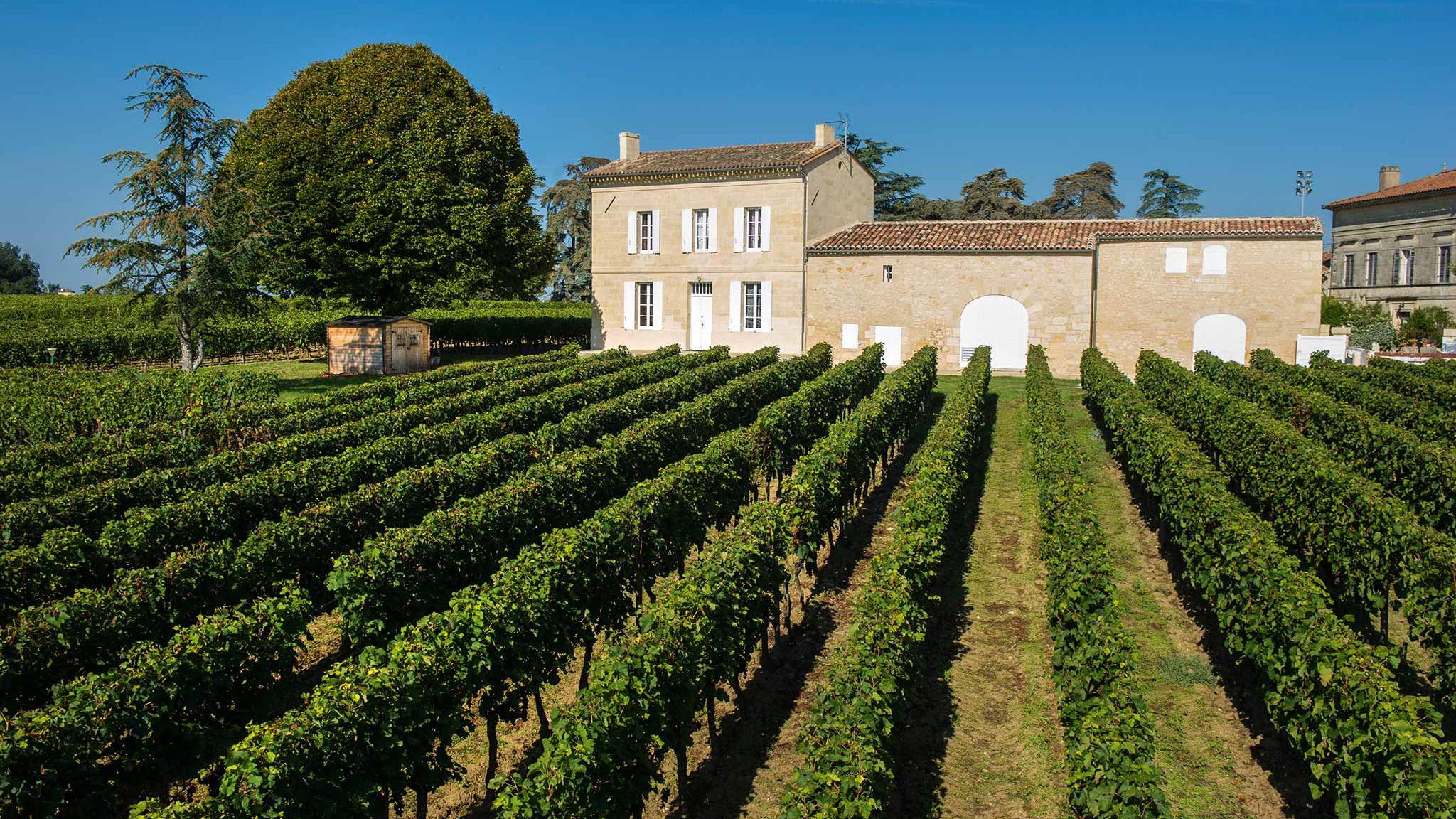
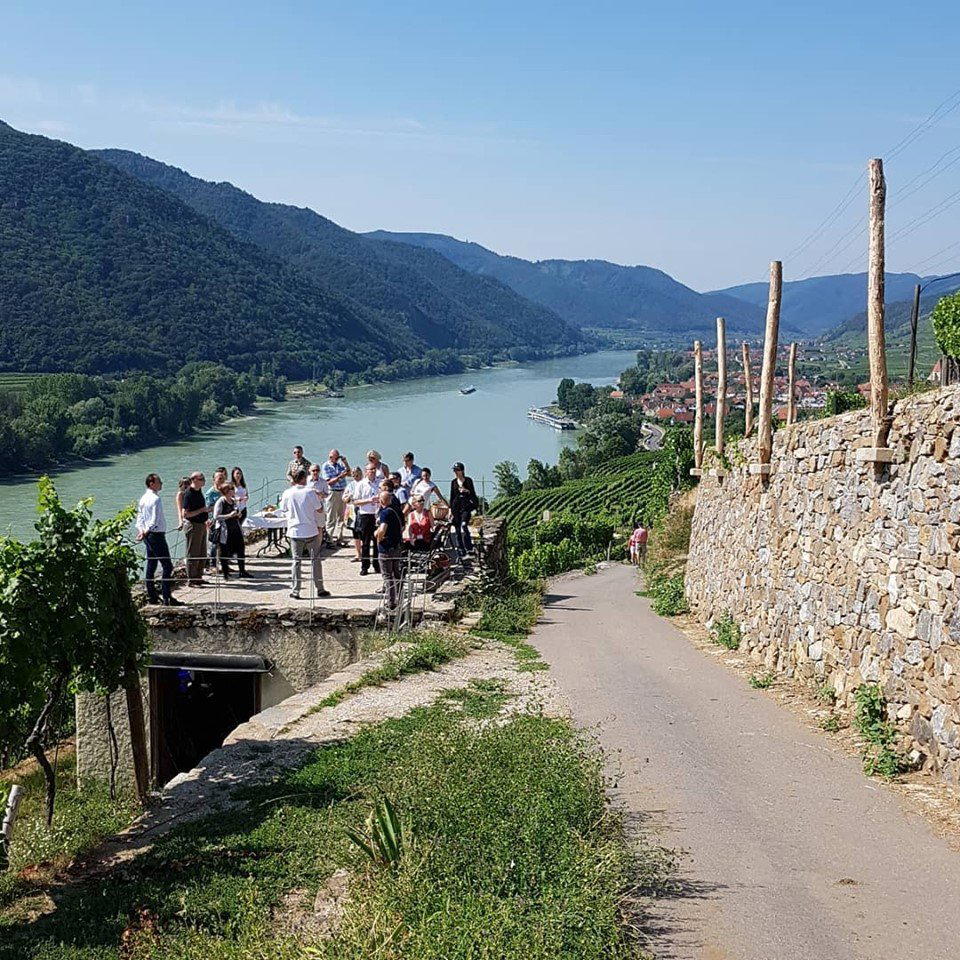
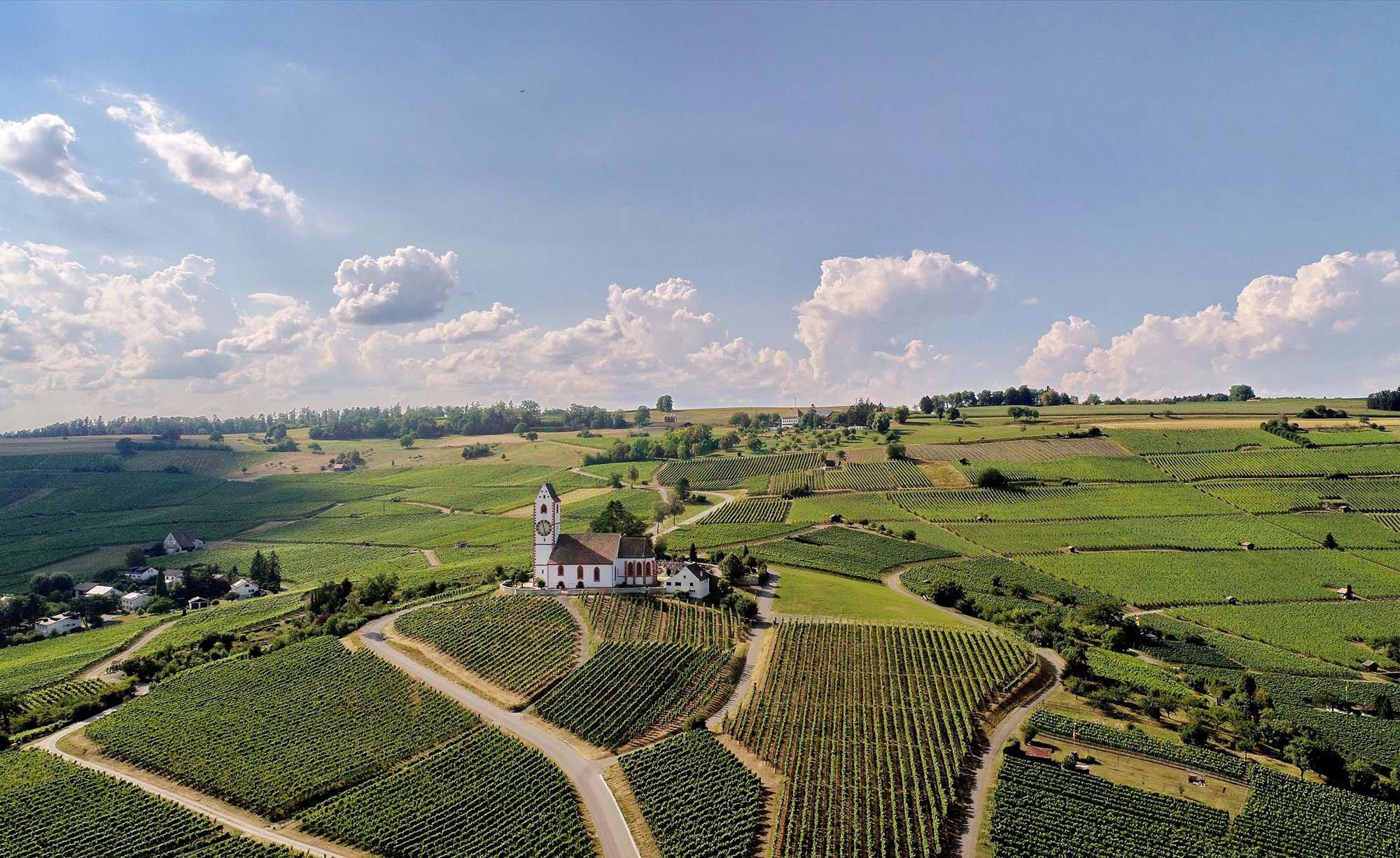
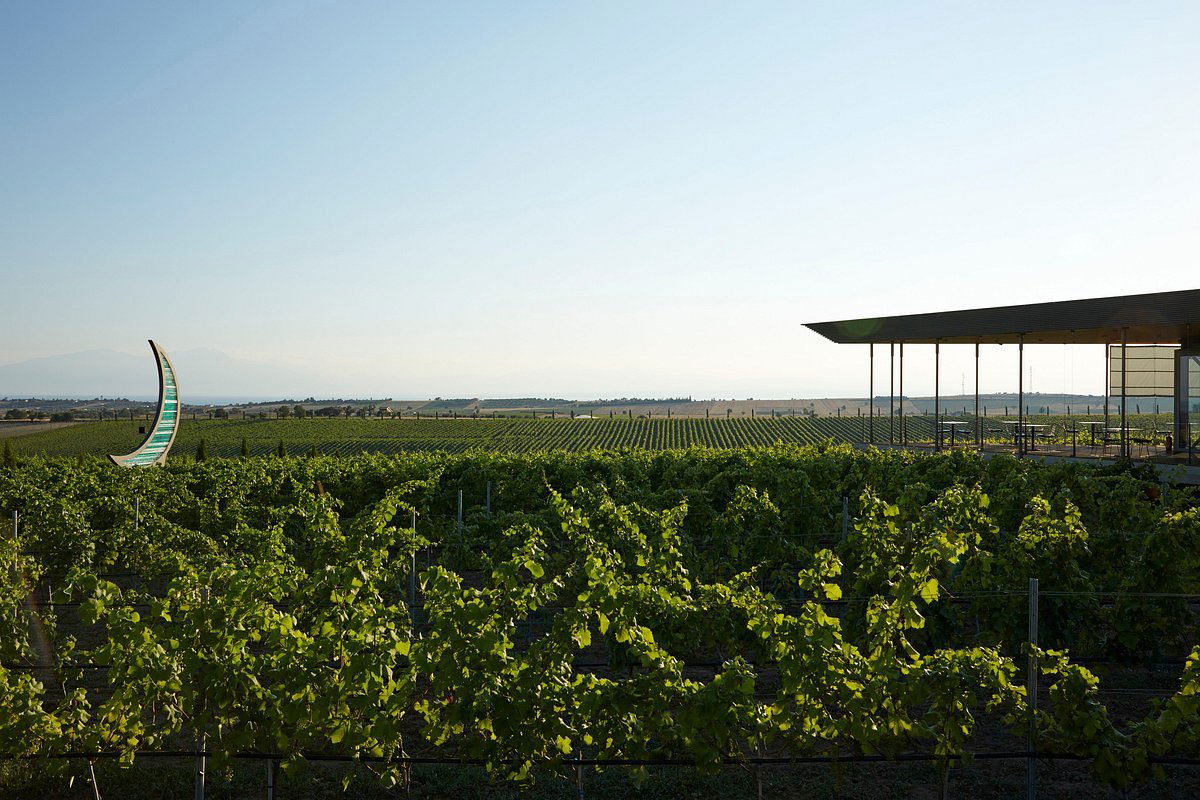
Domaine Gerovassiliou presents a quietly refined, terroir-forward character. The estate reads as a working property rather than a theatrically designed visitor destination: vines run close to the road and the approach feels agricultural first. Sandy, low-fertility soils and a maritime Aegean influence shape wines that favor clarity and acidity over overt ripeness. Visitors encounter a place that privileges viticulture and site expression—an understated, sophisticated setting where the landscape and grape varieties do the talking rather than hospitality design.
Best For
This estate is best for people who come to learn about place and grape rather than to be entertained. Wine-focused visitors, students of terroir, and travelers seeking a quiet, contemplative tasting experience will get the most from a visit. Because the domaine emphasizes agricultural logic—soil, aspect and variety—it's particularly rewarding for solo explorers and small groups intent on studying Malagousia and other bottlings in context. The atmosphere suits educational visits and anyone who values scenic vineyard settings over flashy visitor amenities.
Tasting Tips
Prioritize wines that showcase the estate's signature varieties and soils. Ask to taste Malagousia, the variety most associated with Gerovassiliou, and select flights that contrast Aegean-influenced whites with the estate's reds to appreciate acidity and concentration born of sandy, low-fertility soils. Come prepared with curiosity: the property is described as a working estate, so direct questions about soil, maritime influence and vine management will yield the most insight. Avoid expecting a theatrically curated hospitality program—this is a place where the wine is the object of interest.
Venue details
Ambiance
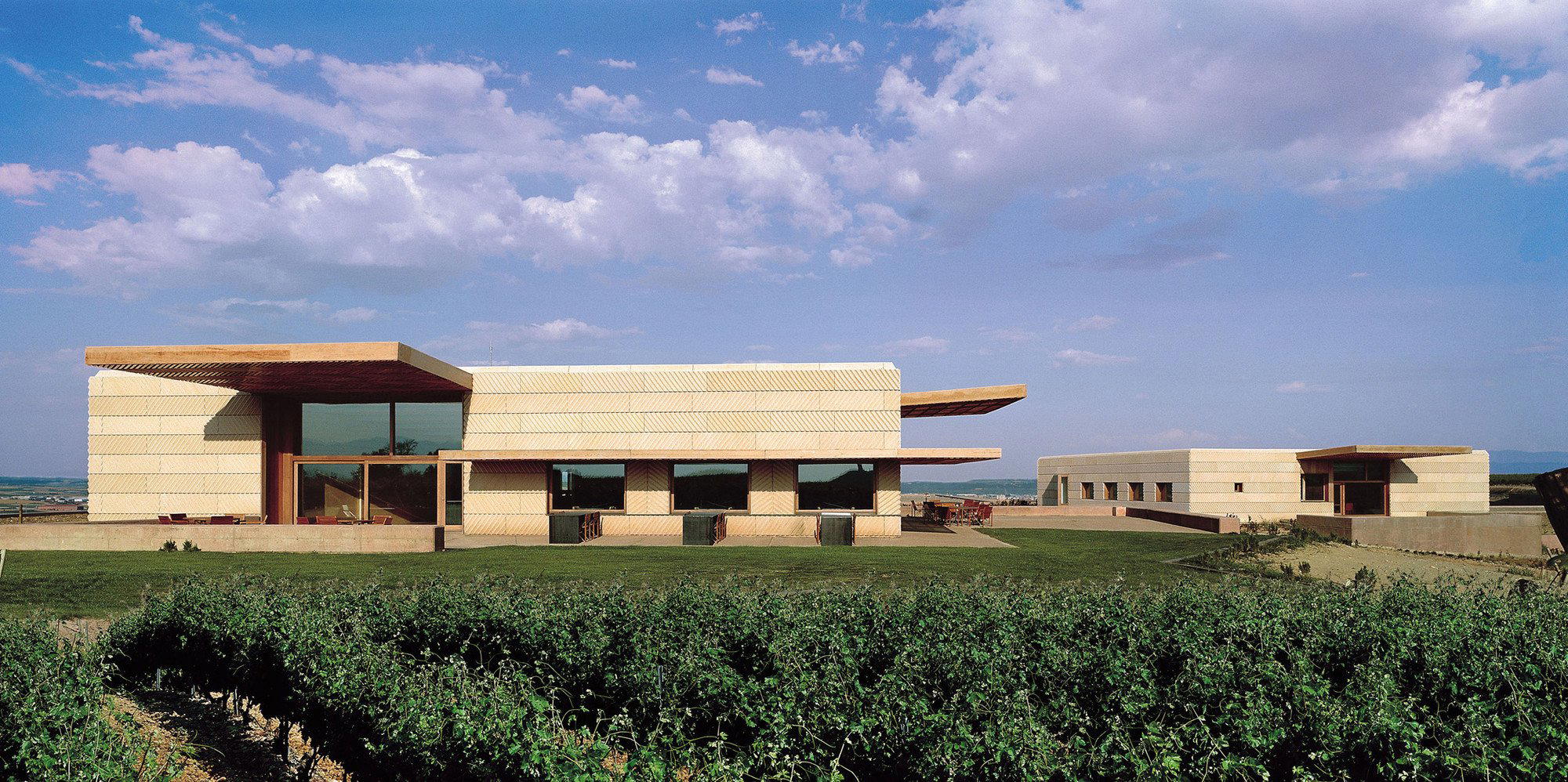
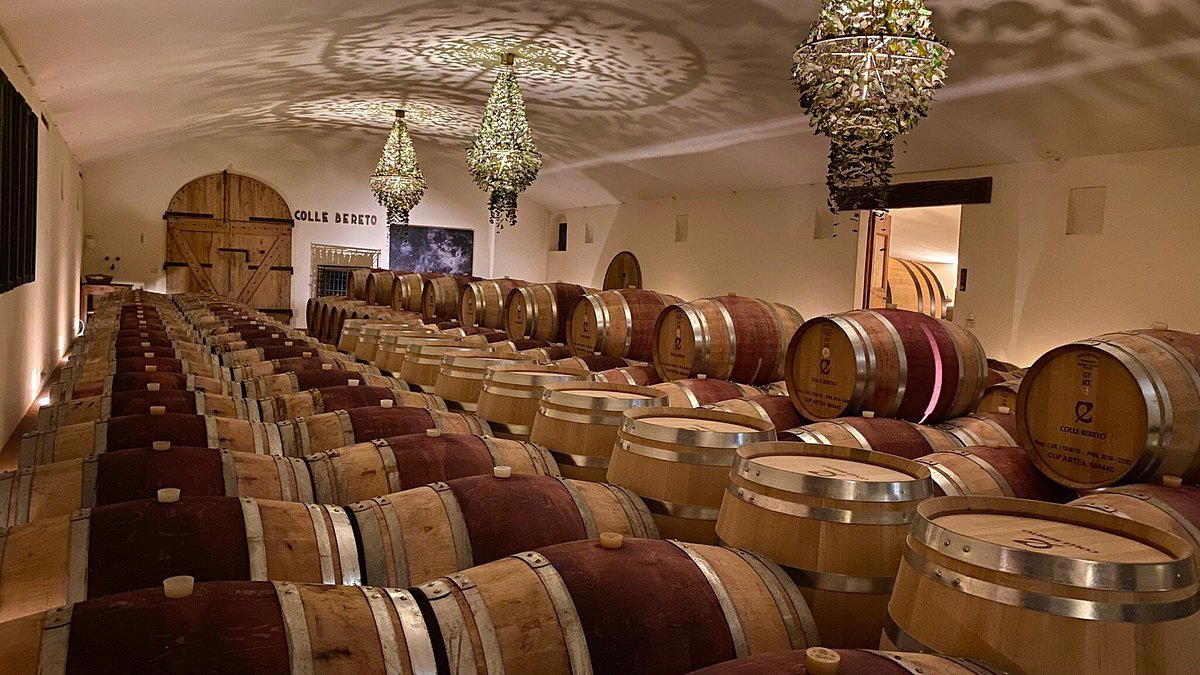
Elegant and scenic with modern winery architecture amid lush estate grounds and vineyards, blending tradition and sophistication.
Tags
Vibe
Best For
Experience
Sourcing
View
At the Vineyard
- Appellation
- Epanomi PGI
- Varietals
- Malagousia, Assyrtiko, Limnio, Mavroudi, Mavrotragano
- Tour Duration
- 60-90 minutes
- Tour Languages
- Greek, English
- Visits
- By reservation
- Farming
- Sustainable
- Wine Styles
- Still White, Still Red
- Shipping
- Available
- Wine Club
- Not available
Know before you go
Know Before You Go
- Getting there
- ktima Gerovassiliou, Επανομή 575 00
Planning details
Location
Recognition and awards

Also consider
If you cannot make it work
Try Tsantali Winery if the priority is another wine stop. For a different tasting format, Dorodouli Distillery is the more practical cross-shop from the listed peers.
Winery context
How it compares in and around Epanomi
Dorodouli Distillery, Laoutari Distillery, Romios Distillery, and Boutari Distillery make more sense for travelers who want a spirits-led stop or a broader tasting day. Domaine Gerovassiliou is the better choice when wine is the main event and the setting matters.
Tsantali Winery is the closest wine comparison in this. Choose Tsantali if the itinerary needs another winery name in the region; choose Domaine Gerovassiliou if the day can support one focused estate visit and the goal is depth rather than range.
On value, the safest read is qualitative rather than price-led because published cost details are not part of the decision set here. For ambiance and quality of experience, Domaine Gerovassiliou is the pick for wine travelers; for easier, more flexible group routing, the distillery options may be less demanding.
Explore Epanomi
Around this place
Discover more on Pearl
Unlock the full Domaine Gerovassiliou guide in Pearl, including awards, comparisons, FAQs, planning details, and nearby places.
Compare Domaine Gerovassiliou
| Venue | Location | Awards |
|---|---|---|
| Domaine Gerovassiliou | Epanomi | 2026 Falstaff Winery Guide |
| Dorodouli Distillery | Thessaloniki | No published awards |
| Laoutari Distillery | Thessaloniki | No published awards |
| Romios Distillery | Thessaloniki | No published awards |
| Tsantali Winery | Agios Pavlos | No published awards |
| Boutari Distillery | Thessaloniki | No published awards |
How Domaine Gerovassiliou Epanomi compares with similar nearby venues.
FAQ
Frequently Asked Questions
What is about Domaine Gerovassiliou?
Domaine Gerovassiliou is in Epanomi, has a smart casual dress code, and holds Pearl 2 Star Prestige (2025).
What should I confirm before visiting Domaine Gerovassiliou?
What is the dress code at Domaine Gerovassiliou?
The dress code for Domaine Gerovassiliou is smart casual.
Do I need a reservation at Domaine Gerovassiliou?
Can Domaine Gerovassiliou handle large groups?
If you are visiting with a group, contact Domaine Gerovassiliou directly to confirm whether your party size can be accommodated.