
Bodega Trapiche
Maipú, El trapiche
Winery in El trapiche, Argentina
 Book with Pearl
The Read
Andean Bordeaux Prestige
Price
$50–100tasting
Why go
Book Bodega Trapiche if you want a serious Maipú winery anchor with strong recognition, including Pearl 3 Star Prestige in 2025 and World's 50 Best Vineyards #17 in 2022. It is a better fit for wine-focused visitors than groups choosing primarily around a meal or casual drop-in tasting.
About Bodega Trapiche
Bodega Trapiche in El trapiche is a premium venue recognized with Pearl 3 Star Prestige in 2025 and a World's 50 Best Vineyards #17 placement in 2022. Plan around those accolades as the main reason to consider a visit, and check current menus, formats, prices, hours, and services directly with the venue before booking.
The dress code is smart casual, so plan for a polished but not overly formal visit. Practical details should be checked directly with the venue before booking, especially if timing, food, accessibility, group size, or a particular experience format will affect your plans.
Go for the recognition, not an assumed food agenda
The strongest case for Bodega Trapiche is its recognition. Pearl 3 Star Prestige in 2025 and World's 50 Best Vineyards #17 in 2022 give it a clear external signal, but visitors should not assume a specific dining format, menu, price point, tasting structure, or service schedule without checking first.
That distinction matters for planning. If your visit depends on lunch, pairings, a particular bottle, or a set experience, confirm those details through current official channels before committing. If you simply want a recognized El trapiche venue with a smart casual dress code, Bodega Trapiche is easy to evaluate on those strengths.
Use it as a recognized benchmark, then compare outward
Bodega Trapiche is best understood as a recognized reference point in El trapiche. Its accolades make it a strong candidate for visitors who prioritize prestige. That does not automatically make it the right fit for every itinerary, especially if the group is choosing based on food, price, format, or timing.
For comparison, consider Bodega Antigal, Bodega López, El Enemigo (Casa Vigil), Pascual Toso, or Tierra de Lobo Distillery according to the kind of visit you want. Keep the comparison practical: use Bodega Trapiche for its recognition and smart casual positioning, then check each venue directly for current availability and details.
Planning details
- Location
- Nueva Mayorga s/n, 5515 Maipú, Mendoza, Argentina
- Website
- trapiche.com.ar
- Phone
- +542615207605
The take
The Take
The Vibe
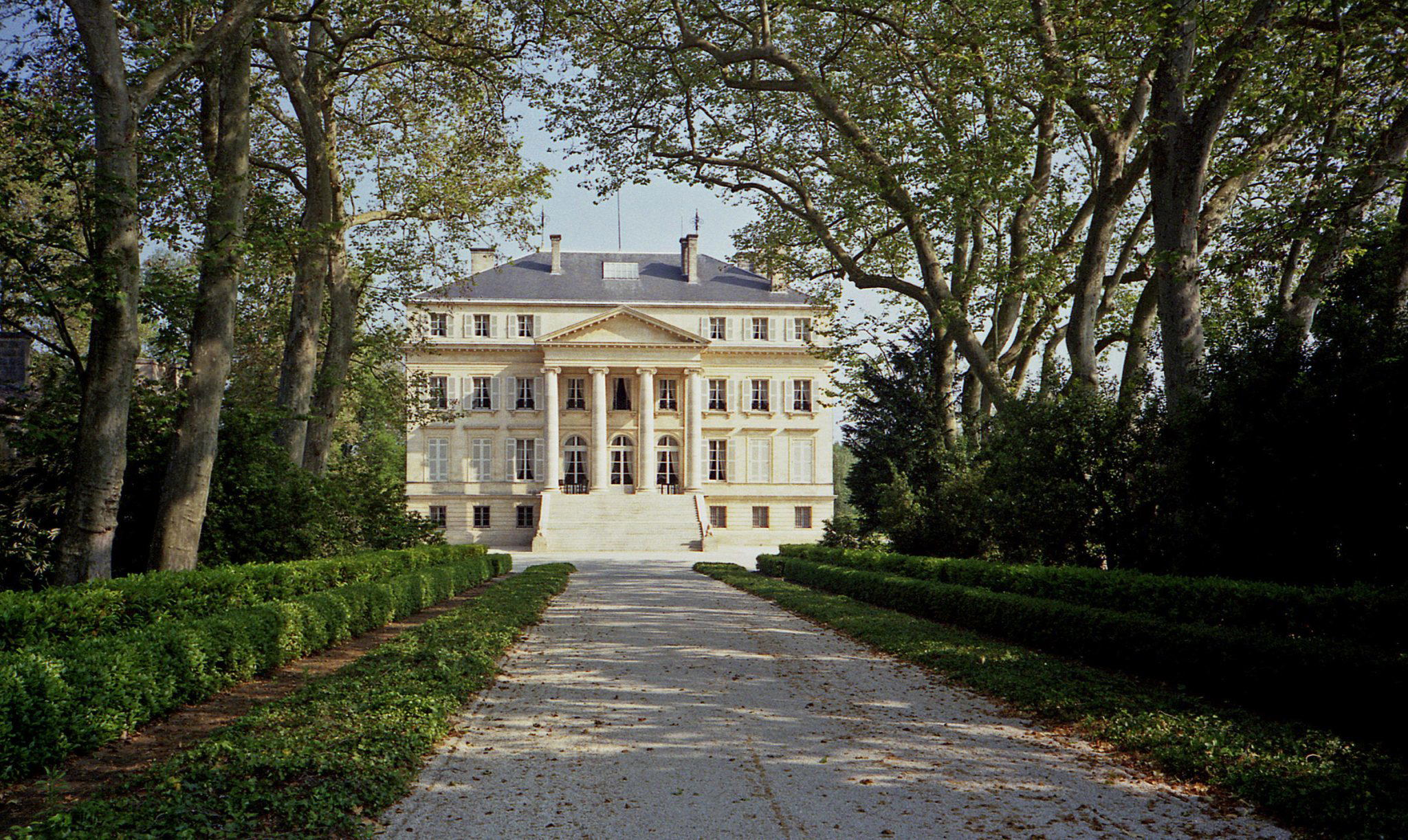
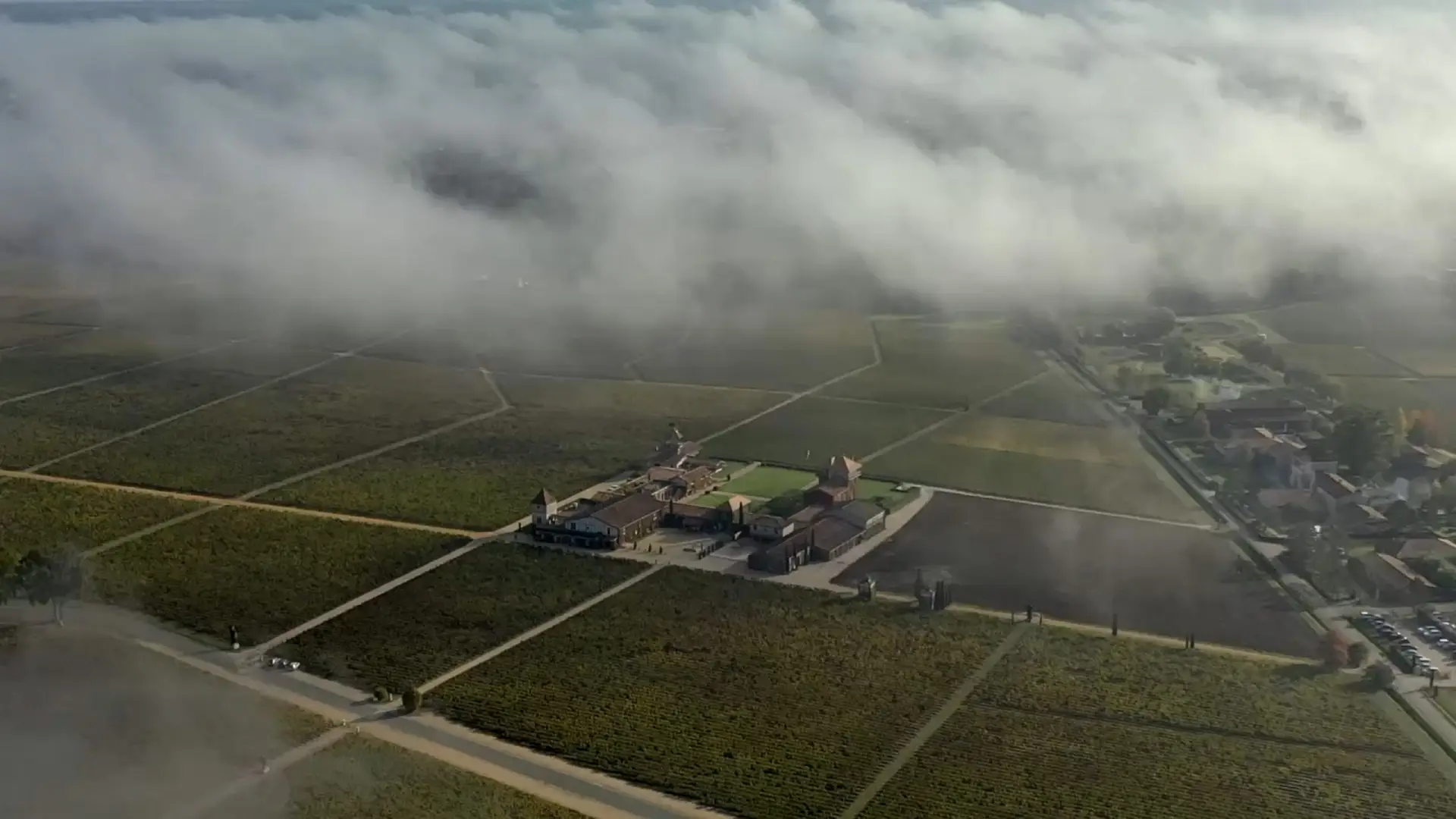
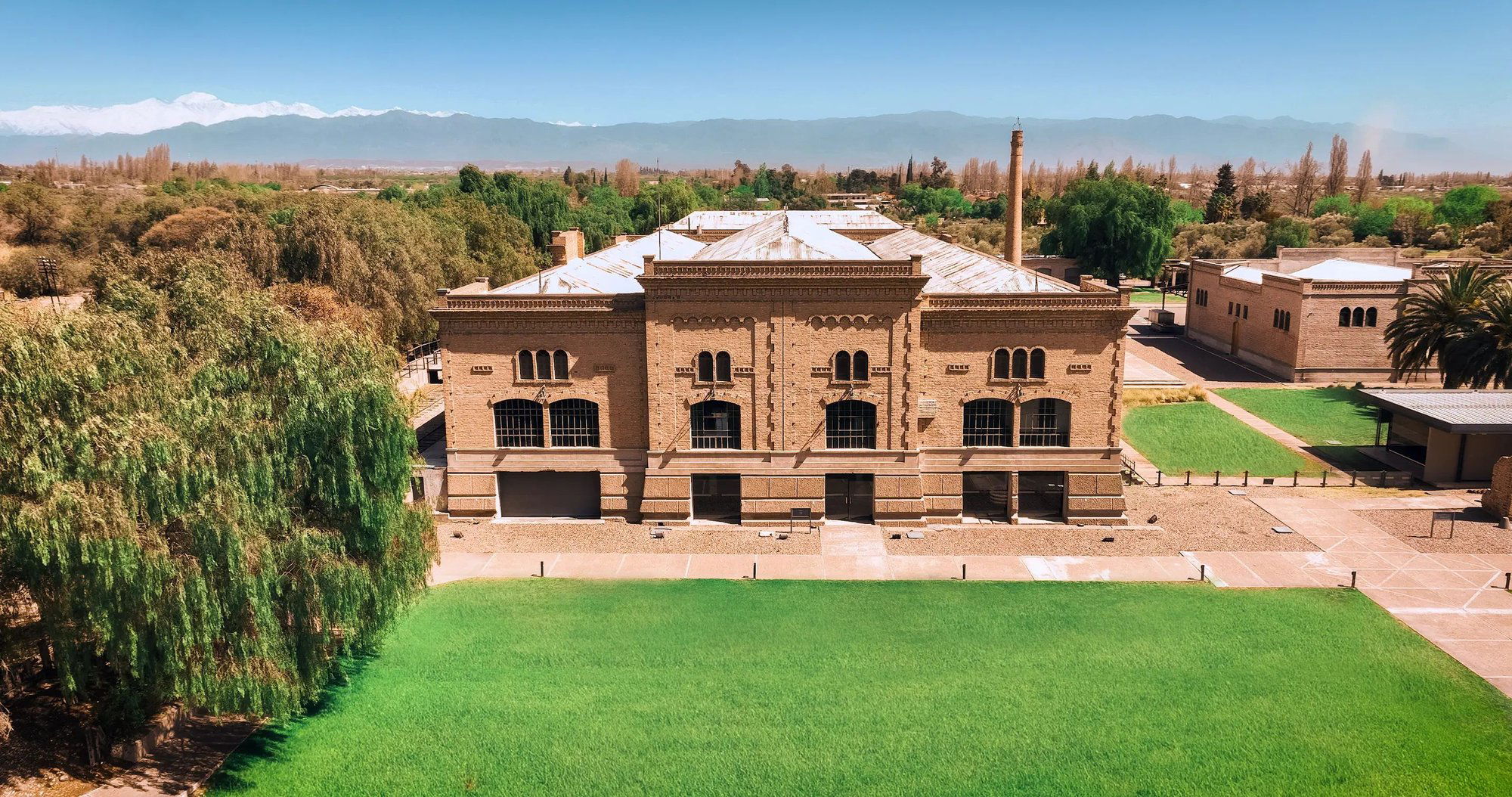
Bodega Trapiche reads like a piece of European history planted in the Mendoza desert. The estate’s Italian Renaissance architecture — stonework, arched facades and a civic formality — gives the property a historic, almost museum-like presence that contrasts deliberately with the sun-baked vineyards and the Andes looming behind. The tone is formal rather than rustic, and the setting emphasizes terroir: high-desert light, cold nights and alluvial soils that shape structured, age-worthy wines. Visitors encounter a place that foregrounds legacy and place, where the built environment and mountain backdrop shape both aesthetics and the wines themselves.
Best For
This is a property for wine-minded visitors and occasions that prize context as much as tasting. The winery’s long history and emphasis on structured, age-worthy Bordeaux varietals make it well suited to wine education, collector visits and special occasions where the architecture and landscape contribute to the moment. Groups and corporate guests who appreciate formal presentation and clear narratives about terroir will find the estate’s European sensibility and mountain backdrop a fitting setting for deeper tastings and conversations about Mendoza’s climatic influence on the wines.
Tasting Tips
When tasting at Trapiche, orient toward the house’s Bordeaux-style offerings: Cabernet Sauvignon, Malbec, Merlot and Cabernet Franc are highlighted in the estate discussion. The copy stresses Maipú’s warmer, riper signature and the terroir-driven, structured character of wines here, so prioritize age-worthy reds and bottles that emphasize structure and depth. Ask about core ranges or any older vintages on hand to experience the house’s expression of altitude, diurnal shift and alluvial soils.
Venue details
Ambiance
Elegant and refined with restored historic architecture, natural light from garden views, and a sophisticated yet welcoming atmosphere blending heritage with modern wine tourism.
Tags
Vibe
Best For
Experience
Sourcing
View
At the Vineyard
- Appellation
- Mendoza
- Varietals
- Malbec, Cabernet Sauvignon, Cabernet Franc, Syrah, Pinot Noir
- Tour Duration
- 90-120 minutes
- Tour Languages
- Spanish, English
- Visits
- By reservation
- Farming
- Biodynamic
- Wine Styles
- Still Red, Still White, Still Rose, Sparkling
- Food Pairing
- Offered
- Shipping
- Available
- Wine Club
- Not available
Know before you go
Know Before You Go
- Getting there
- Nueva Mayorga s/n, 5515 Maipú, Mendoza, Argentina
Planning details
Location
Recognition and awards

Also consider
Also Consider
- Tierra de Lobo Distillery, Notable alternative
- Bodega López, Notable alternative
- Pascual Toso, Notable alternative
- Bodega Antigal, Notable alternative
- El Enemigo (Casa Vigil), Notable alternative
Winery context
How it compares in and around El trapiche
Choose Bodega Trapiche when the priority is a recognized winery experience with a stronger awards signal than the local alternatives listed here. Bodega López and Pascual Toso are the better cross-shops if the group wants a more traditional Maipú winery day without making recognition the main filter.
Bodega Antigal is the closest comparison for visitors staying wine-focused in Maipú, while El Enemigo (Casa Vigil) is the smarter backup if the meal component is the deciding factor for the group. If someone in the party is less interested in wine, Tierra de Lobo Distillery shifts the day toward spirits rather than another cellar visit.
For value, the deciding factor is not a published price tier here; it is how much the group cares about a polished benchmark stop. Book Bodega Trapiche for the Mendoza reference point, Bodega Antigal for a same-area wine comparison, and El Enemigo (Casa Vigil) when the day needs to revolve more around food and hospitality than a winery-first agenda.
Explore El trapiche
Around this place
Discover more on Pearl
Unlock the full Bodega Trapiche guide in Pearl, including awards, comparisons, FAQs, planning details, and nearby places.
Compare Bodega Trapiche
| Venue | Location | Awards |
|---|---|---|
| Bodega Trapiche | El trapiche | 2022 World's 50 Best Vineyards · #172021 World's 50 Best Vineyards · #182020 World's 50 Best Vineyards · #50 |
| Tierra de Lobo Distillery | Maipú | No published awards |
| Bodega López | Maipú | 2026 Falstaff Winery Guide |
| Pascual Toso | Maipú | No published awards |
| Bodega Antigal | Maipú | 2026 Falstaff Winery Guide2025 Decanter Winery Prestige |
| El Enemigo (Casa Vigil) | Maipú | 2025 World's 50 Best Vineyards · #172024 World's 50 Best Vineyards · #292023 World's 50 Best Vineyards · #102022 World's 50 Best Vineyards · #212021 World's 50 Best Vineyards · #242019 World's 50 Best Vineyards · #41 |


How Bodega Trapiche in El trapiche compares with similar nearby venues.
FAQ
Frequently Asked Questions
How long should I plan for a visit to Bodega Trapiche?
Visit length can vary by format. If timing matters, confirm the current format directly with Bodega Trapiche before building the rest of your El trapiche plans around it.
Do I need a reservation at Bodega Trapiche?
What should I compare before choosing Bodega Trapiche?
Start with the core facts: Bodega Trapiche is in El trapiche, has a smart casual dress code, and carries Pearl 3 Star Prestige (2025) plus World's 50 Best Vineyards #17 recognition from 2022. Bodega López is another option to consider, but confirm current details directly with each venue.
Does Bodega Trapiche serve food?
If food is important to your plans, confirm Bodega Trapiche's current food options before visiting. El Enemigo (Casa Vigil) may be another comparison point to research separately.
What is Bodega Trapiche best known for?
The main reasons to consider Bodega Trapiche are its Pearl 3 Star Prestige recognition in 2025, its World's 50 Best Vineyards #17 placement in 2022, its El trapiche location, and its smart casual dress code.