
Jermann
Dolegna del Collio
Winery in Dolegna del Collio, Italy
 Book with Pearl
The Read
Flysch-Driven White Wines
Why go
Jermann is worth targeting if the trip is built around serious Friuli wine rather than casual tasting-room hopping. Booking looks difficult, so treat it as the anchor stop and line up alternatives in advance; for a celebratory wine day in Dolegna del Collio, it belongs high on the list.
About Jermann
Jermann is a Pearl-listed venue in Dolegna del Collio with a smart casual dress code and Pearl 2 Star Prestige recognition for 2025. These basics set the frame for the listing: the place, the style expectation, and the recognition attached to it. Read together, they suggest a venue that should be approached with a degree of polish, without assuming a formal dress requirement. For practical planning, check service format, visitor timing, prices, reservations, and on-site amenities directly with the venue before building an itinerary around a particular experience. That caution matters because a recognized venue can vary widely in how it receives guests, how far ahead arrangements need to be made, and what is available on a given day.
For trip planning, keep the local context practical with Pearl's guide to Dolegna del Collio restaurants. Treat that broader local view as a way to understand the surrounding area rather than as a substitute for venue-specific planning. If you are comparing Jermann with other regional names, consider Bastianich, Livio Felluga, Vie di Romans, Nonino Distillery, or Domenis 1898 as separate planning references rather than assuming the same visit format or logistics. Each name may be useful in shaping a regional shortlist, but the safest comparison is at the level of location, recognition, and general planning interest, not at the level of identical access, timing, or hospitality structure. In practice, that means using comparisons to frame the trip while still checking each stop on its own terms.
Plan with the basics, then check the details directly
The grounded take is simple: Jermann is in Dolegna del Collio, the dress code is smart casual, and Pearl lists it with 2 Star Prestige for 2025. Those basics are enough to place it confidently on a regional itinerary, especially for travelers already looking at Dolegna del Collio and other regional names, but visitors should still check the details that shape the visit from start to finish. Smart casual is a helpful cue for how to arrive, suggesting neat, considered clothing that fits a polished setting, yet it does not answer questions about the pace of a visit, whether advance contact is expected, or what kind of welcome is available. Specifics such as opening hours, booking requirements, visit structure, availability, and group suitability should be checked through the venue's current official channels. This is especially important if the stop is meant to anchor a day, connect with transport plans, or sit alongside other regional visits where timing needs to be precise.
A careful approach is to separate the listing basics from operational questions. The key basics are Dolegna del Collio, smart casual, and Pearl 2 Star Prestige recognition for 2025. Operational details usually determine whether a venue works for a particular schedule, party size, or style of trip. Before making firm plans, contact the venue directly or rely on its current official information, then build the rest of the itinerary around those details. That keeps the planning process realistic and avoids turning a listing into assumptions about access, amenities, or format.
Quick reference: best treated as a Dolegna del Collio venue with Pearl recognition and smart casual expectations; check all operational details before making firm plans.
Planning details
- Location
- Località Trussio Ruttars, 11A, 34070 Ruttars, Dolegna del Collio GO
- Website
- jermann.it
- Phone
- +39 0481 888080
The take
The Take
The Vibe
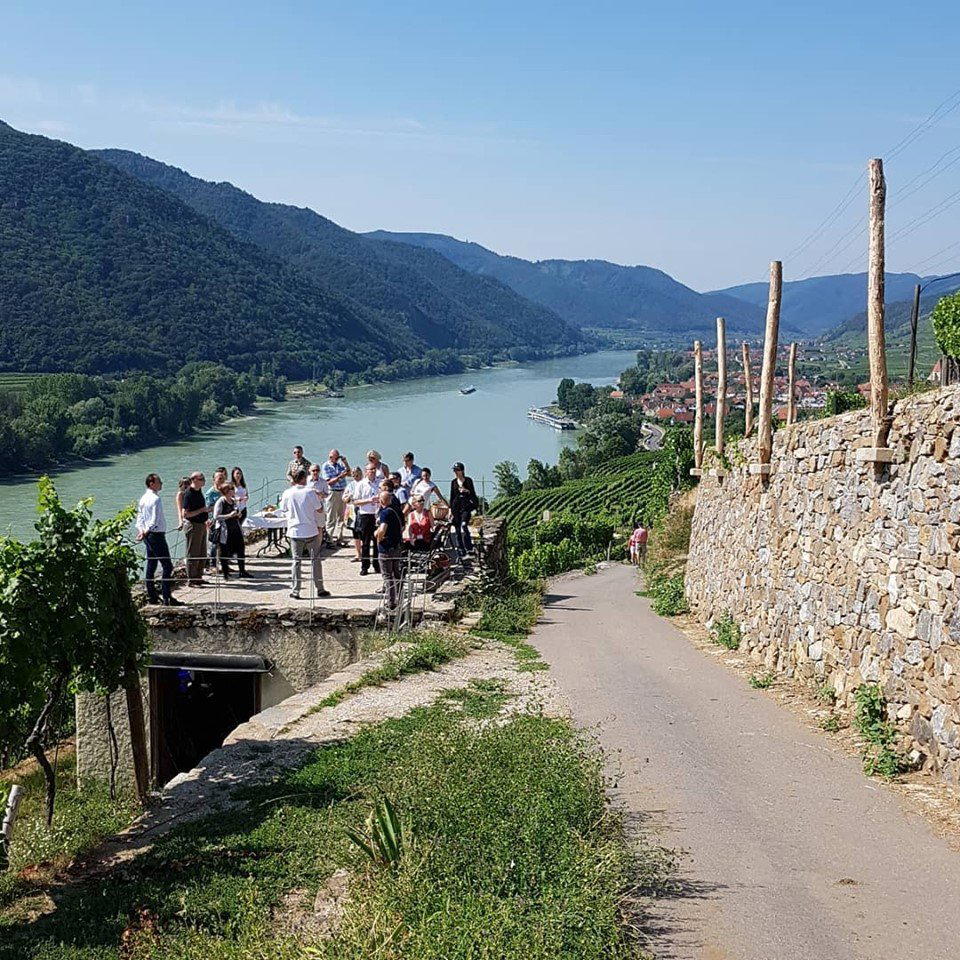
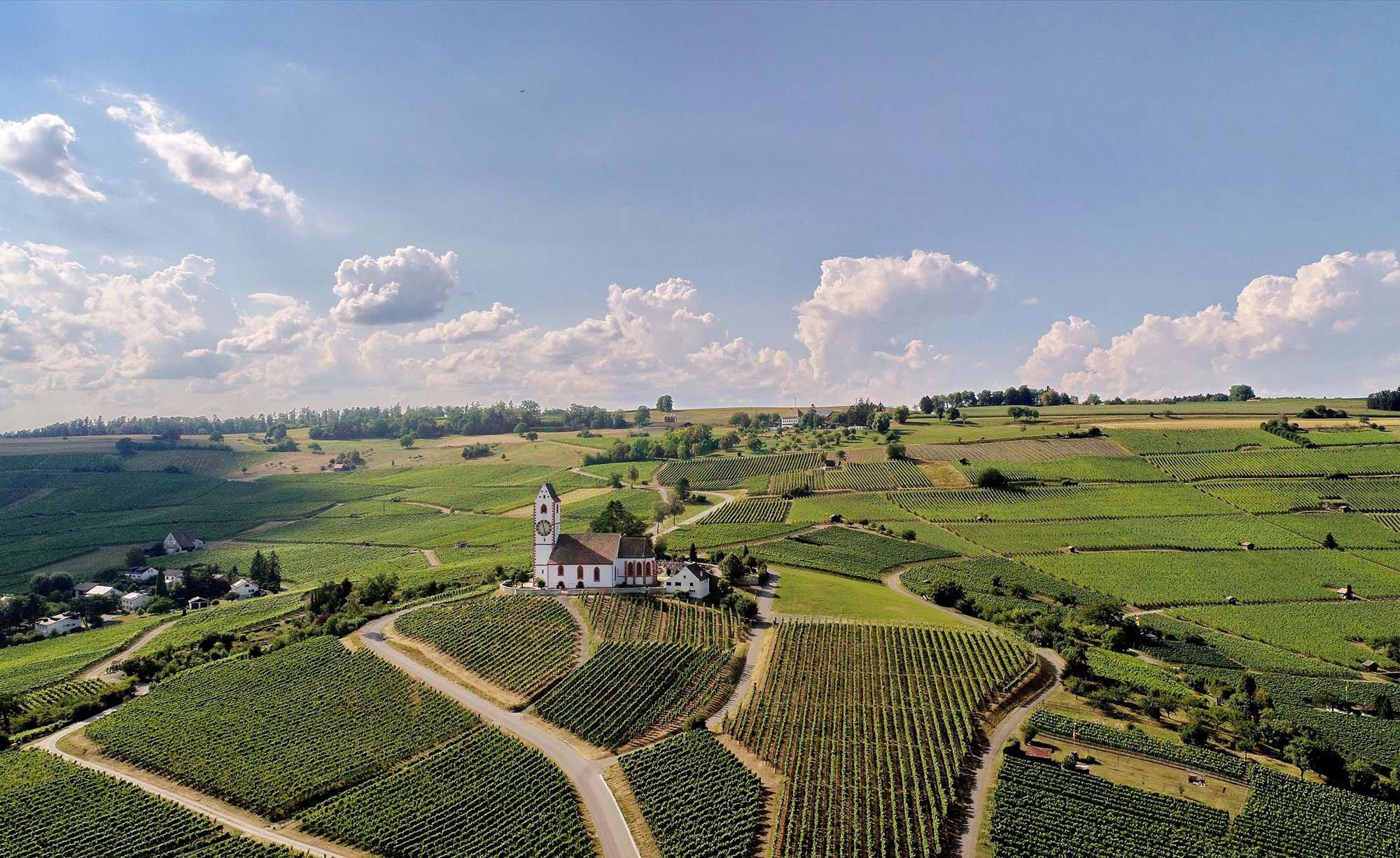
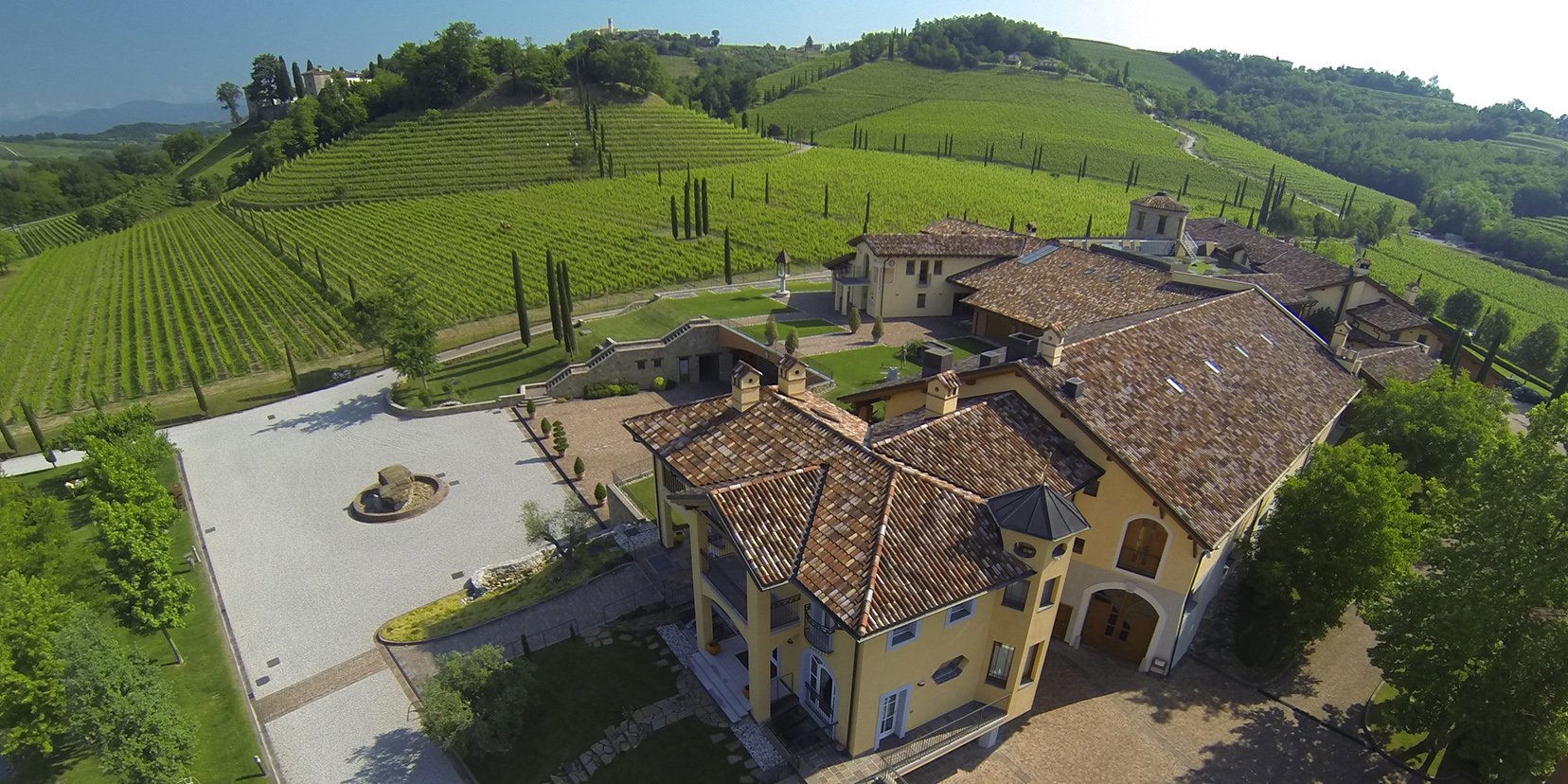
Jermann presents as a sophisticated, terroir-first Collio estate where geology takes center stage. The prose emphasizes the Ponca flysch that shapes vine behavior and the region's distinct mineral imprint, positioning the cellar among the area’s most recognised producers. Rather than flashy stylistic signatures, the estate’s identity reads as measured and authoritative: wines that reflect compressed sandstone and marl, an established critical reputation, and an understated elegance rooted in place. Visits feel like a study in provenance—quiet, thoughtful and focused on how soil and site define every bottle.
Best For
This estate is best for visitors interested in learning why place matters: wine students, serious tasters and anyone curious about the geological drivers of flavor. The write-up frames Jermann as a reference point within Collio, so it also suits milestone visits where you want to taste regional benchmarks. Expect an experience geared toward explanation and context—walking the slopes or touring the grounds to see the Ponca firsthand helps translate tasting notes into landscape. The emphasis is education and appreciation rather than clubby spectacle.
Tasting Tips
When tasting at Jermann, prioritize the white varieties shaped by the Ponca wholeground—the text stresses that Collio’s reputation rests largely on mineral-driven whites. Ask staff about how the flysch influences specific releases and request bottles that the estate positions as its terroir statements. Given the estate’s prestige, allocate time for signature or prestige bottlings that illustrate structural concentration rather than overt oak or manipulation. If available, pair a comparative tasting of parcels or vintages to hear how the Ponca fingerprint varies across sites and seasons.
Venue details
Ambiance
,null,
Tags
Vibe
Best For
Experience
Sourcing
View
At the Vineyard
- Appellation
- Collio DOC
- Varietals
- Sauvignon, Chardonnay, Ribolla Gialla, Malvasia Istriana, Picolit
- Tour Duration
- null,
- Visits
- By appointment only
- Wine Styles
- Still White
- Wine Club
- Not available
Know before you go
Know Before You Go
- Getting there
- Località Trussio Ruttars, 11A, 34070 Ruttars, Dolegna del Collio GO
Planning details
Location
Località Trussio Ruttars, 11A, 34070 Ruttars, Dolegna del Collio GO · Directions
Recognition and awards

Also consider
Where to look if this is full
If access is the problem, start with Livio Felluga or Vie di Romans for a wine-led alternative. For a group with mixed tastes, Nonino Distillery is the smarter pivot because it changes the day from winery-specific to broader Friuli drinks culture.
Winery context
How it compares with nearby wine and spirits stops
Choose Jermann when the goal is a prestige-led Friuli wine visit and the itinerary can handle a difficult booking. Livio Felluga is the cleaner cross-shop for visitors who want another serious regional name, while Vie di Romans makes more sense if the day is focused on Friuli wine depth rather than one trophy stop.
For a broader drinks itinerary, Domenis 1898 and Nonino Distillery shift the experience toward spirits, so they are better backups for mixed-interest groups than for collectors chasing a winery-led day. Bastianich is the more flexible comparison if the group wants a recognisable name without making the whole trip revolve around one hard-to-secure appointment.
Explore Dolegna del Collio
Around this place
Discover more on Pearl
Unlock the full Jermann guide in Pearl, including awards, comparisons, FAQs, planning details, and nearby places.
Compare Jermann
| Venue | Location | Awards |
|---|---|---|
| Jermann | Dolegna del Collio | 2026 Falstaff Winery Guide |
| Livio Felluga | Cormons | 2026 Falstaff Winery Guide |
| Vie di Romans | Mariano del Friuli | 2026 Falstaff Winery Guide |
| Domenis 1898 | Cividale del Friuli | No published awards |
| Bastianich | Cividale del Friuli | 2026 Falstaff Winery Guide |
| Nonino Distillery | Pavia di Udine | No published awards |
How Jermann Dolegna del Collio compares with similar nearby venues.
FAQ
Frequently Asked Questions
What are the key basics about Jermann?
Jermann is in Dolegna del Collio, has a smart casual dress code, and holds Pearl 2 Star Prestige recognition for 2025. Check directly with the venue before making plans around any specific service, schedule, or visit format.
What other venues can I compare with Jermann?
For comparison planning, Pearl also references Livio Felluga, Vie di Romans, Bastianich, Nonino Distillery, and Domenis 1898. Treat each as a separate venue with its own logistics rather than assuming the same format as Jermann.
When is the best time to visit Jermann?
What should I check before visiting Jermann?
Check current operating details directly with Jermann, including timing, booking expectations, and any visit-specific arrangements that matter to your plans. For the core listing, note its Dolegna del Collio location, smart casual dress code, and 2025 Pearl 2 Star Prestige recognition.
What is the dress code at Jermann?
The dress code for Jermann is smart casual. If you are planning a specific kind of visit, check any additional expectations directly with the venue.