

Paul John
Cuncolim Industrial Estate, Cuncolim
Winery in Cuncolim, India
 Book with Pearl
The Read
Coastal Tropical Maturation
Price
$1–10tasting
Why go
Paul John is worth considering for a drinks-led Cuncolim itinerary, especially if South Goa is already on the route. Treat it as a focused tasting stop rather than a confirmed food-pairing or meal-led experience, and build restaurants, hotels, and evening plans separately around it.
About Paul John
Paul John in Cuncolim has one clear planning cue: smart casual dress. It also carries Pearl 2 Star Prestige (2025) recognition. Travelers should confirm menus, service format, visit structure, beverage programming, pricing, hours, and group capacity directly before making it a fixed part of the day.
The safest way to plan is to treat Paul John as a venue to arrange in advance rather than a casual drop-in built around assumed offerings. If you are arranging a Cuncolim itinerary, build meals and transport separately, then use Paul John only once timing and visit details are clear.
Book it around confirmed details, not assumptions
The key planning details are limited: Paul John is in Cuncolim, the dress code is smart casual, and it has Pearl 2 Star Prestige (2025) recognition. Readers who need a meal-first plan should make a separate restaurant booking and avoid assuming Paul John can cover that part of the itinerary.
For a visitor planning a full Cuncolim day, the practical sequence matters. Confirm Paul John directly first, then arrange the rest of the day around separately arranged plans. That keeps the venue from carrying more of the itinerary than is practical.
How to think about it against other notable Indian venue names
Paul John can be considered alongside Amrut and KRSMA Estates when comparing Indian venue names, but the choice should be based on access, timing, and the purpose of the trip rather than assumptions about format or services.
The decision is less about broad recognition and more about trip design. If the reader is already in Cuncolim, Paul John may belong on the shortlist once details are confirmed. If the trip is being planned more widely, compare the practicalities of Paul John, Amrut, and KRSMA Estates before locking the route.
Build the rest of the day around confirmed plans
Avoid making Paul John the only fixed point of the day unless timing and arrangements are confirmed ahead. The recommendation is direct: consider Paul John for a Cuncolim itinerary, note the smart casual dress code, and do not assume any specific menu, tasting, group, shipping, membership, or service details unless the venue confirms them directly.
Planning details
- Location
- M 21, Cuncolim Industrial Area., Cuncolim, Goa 403703
- Phone
- +91 74477 88979
The take
The Take
The Vibe
Paul John presents a study in contrasts: an unprepossessing industrial exterior gives way to a distillery taken seriously on the international single‑malt stage. The tone is workmanlike and exacting rather than scenic or romantic; the writing stresses craft, climate and accelerated oak interaction rather than estate aesthetics. That pragmatic intensity reads as refined—this is a place where science, cask and tropical maturation define character. Visitors encounter a focused, sophisticated atmosphere: less about historic architecture and more about how Goa’s heat and humidity actively shape spirit, producing bold, concentrated expressions that speak to the region as terroir.
Best For
Paul John is best for people who come to learn: whisky enthusiasts, sensory-focused visitors and small groups curious about tropical maturation. The distillery’s narrative revolves around climate‑driven aging, cask dynamics and the technicalities that allow single malts to develop more rapidly in Goa’s heat. It suits solo explorers keen on studying spirit character up close and small groups interested in the mechanics of maturation rather than pastoral views or estate tourism. This is a stop for education and appreciation of production technique within India’s evolving single‑malt scene.
Tasting Tips
When engaging with Paul John’s lineup, center conversation on cask influence and the effect of Goa’s climate on maturation. Ask staff (or your guide) which releases showcase accelerated interaction with oak, and request examples that highlight differences in cask type and age—the writeup singles out the tropical "angel’s share" and faster structural development. Focus on comparative tasting of younger expressions that demonstrate unusually rapid concentration, and use the visit to probe production choices (barley source, pot still character) rather than looking for estate‑style scenic narratives.
Venue details
Ambiance
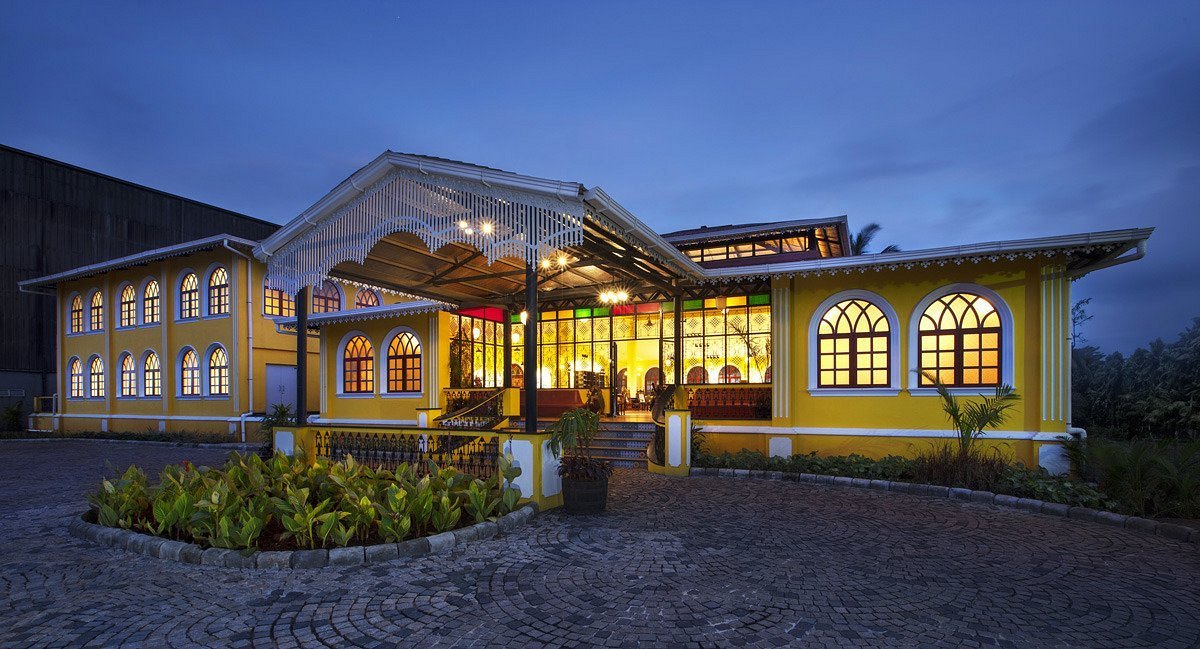
Old colonial feel with tiled floors, high arched windows letting in natural light, woody rustic warehouses, and a sanctum-like tasting room filled with aromas of maturing whisky.
Tags
Vibe
Best For
Experience
At the Vineyard
- Appellation
- Goa
- Varietals
- six-row barley
- Tour Duration
- 120 minutes
- Tour Languages
- English
- Visits
- By reservation
- Production
- Mid-size producer
- Wine Club
- Not available
Know before you go
Know Before You Go
- Getting there
- M 21, Cuncolim Industrial Area., Cuncolim, Goa 403703
Planning details
Location
M 21, Cuncolim Industrial Area., Cuncolim, Goa 403703 · Directions
Also consider
Also Consider
- KRSMA Estates, Notable alternative
- Amrut, Notable alternative
Winery context
How It Compares
Choose Paul John if the trip is already centered on Goa or Cuncolim. Against KRSMA Estates, it is the more practical fit for South Goa travelers; KRSMA Estates is better suited to a Hampi Hills itinerary where the surrounding route can support the detour.
Compared with Amrut, Paul John works better as part of a Goa travel day, while Amrut is the clearer cross-shop for readers planning around Bengaluru. None of these should be treated as interchangeable: the right choice depends on where the rest of the trip is anchored and how much effort the reader is willing to spend on access and timing.
For value, Paul John makes sense when it replaces a generic bar stop with a more focused drinks experience. For ease, keep expectations conservative and confirm the visit structure before building the day around it.
Explore Cuncolim
Around this place
Discover more on Pearl
Unlock the full Paul John guide in Pearl, including awards, comparisons, FAQs, planning details, and nearby places.
Compare Paul John
| Venue | Location | Awards |
|---|---|---|
| Paul John | Cuncolim | No published awards |
| KRSMA Estates | Hampi Hills | 2020 World's 50 Best Vineyards · #46 |
| Amrut | Bengaluru | No published awards |

How Paul John Cuncolim compares with similar nearby venues.
FAQ
Frequently Asked Questions
Does Paul John offer off-site purchase or delivery services?
How long should I plan for a visit to Paul John?
Treat Paul John as a planned Cuncolim stop only after confirming timing directly with the venue. The dress code is smart casual, and the venue carries Pearl 2 Star Prestige (2025) recognition.
Can Paul John handle large groups?
Does Paul John have a membership programme?
Ask Paul John directly about any membership programme before planning around it. Travelers comparing broader Indian venue options may also look at names such as Amrut and KRSMA Estates.
When is the best time to visit Paul John?
The best time to visit is the time Paul John confirms directly for your date, especially if it is part of a wider Cuncolim plan.