

Winery in Cortona, Italy
Sabatini Gin
500Pearl PointsSpirit detour
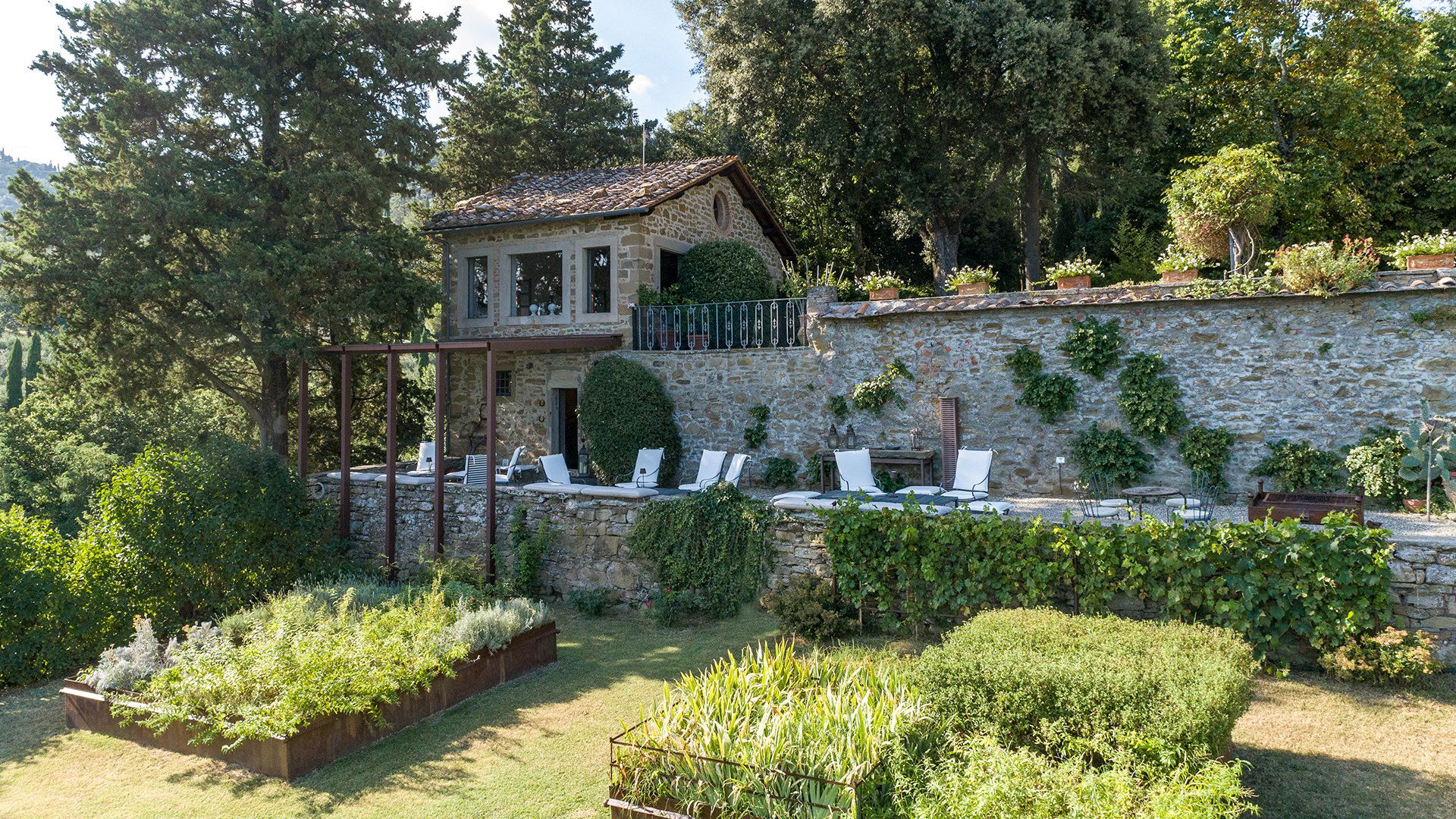
About Sabatini Gin
Prioritise Sabatini Gin if the Cortona itinerary needs a serious spirits stop rather than another wine estate. It suits curious small groups who want producer context and a quieter rural visit; wine-first travelers should cross-shop Tuscan estates instead.
Sabatini Gin is a Cortona venue with limited verified public detail in this guide. The confirmed signals are direct: it carries Pearl 2 Star Prestige (2025) recognition, the dress code is smart casual. Beyond that, specific claims about menus, tastings, pricing, hours, reservations, service format, food, shipping, purchase options, or beverage programming should be verified directly before planning around them.
Use this page as a grounded planning note rather than a full itinerary brief. Sabatini Gin may be relevant for travelers comparing different premium stops, but the only confirmed facts here are its Cortona location, smart-casual dress expectation, Pearl recognition.
Choose it with the confirmed basics in mind
The clearest reason to keep Sabatini Gin on a shortlist is its Pearl 2 Star Prestige (2025) recognition. If your trip includes other premium venues, you may also compare it with Tenuta Sette Ponti, Tenuta di Trinoro, Fèlsina, Lungarotti, or Altesino. Those names are useful reference points for a broader itinerary, while Sabatini Gin should be approached on its own confirmed profile rather than assumed to follow any particular format.
Because detailed operating information is not verified here, confirm practical points directly before you go. That includes availability, timing, purchase options, food, any visit format. Dress smart casual unless the venue tells you otherwise.
Plan the rest of Cortona around verified details
For the rest of the day, use the broader Cortona guides: restaurants, hotels, experiences. Keep Sabatini Gin in the plan only where its confirmed basics fit your priorities, avoid assuming unverified details until you have checked them directly with the venue.
Frequently Asked Questions
What other venues can I compare with Sabatini Gin?
If you are comparing Sabatini Gin with other premium options, consider Tenuta Sette Ponti, Fèlsina, Altesino, Tenuta di Trinoro, or Lungarotti as separate reference points for a broader itinerary. Sabatini Gin is confirmed as a Cortona venue, but specific visit formats and offerings should be checked directly.
Do I need a reservation at Sabatini Gin?
Reservation requirements are not verified in the available facts. Before planning your day around Sabatini Gin in Cortona, confirm availability and booking expectations directly with the venue.
What is Sabatini Gin known for in this guide?
The verified details in this guide are limited to Sabatini Gin's Cortona location, Pearl 2 Star Prestige (2025) recognition, smart-casual dress code. Specific offerings are not verified here, so confirm current details directly with the venue.
Does Sabatini Gin have a membership program?
Membership details are not verified for Sabatini Gin. Treat any membership, allocation, or purchase details as unconfirmed unless the venue provides them directly.
When is the best time to visit Sabatini Gin?
Specific hours and ideal timing are not verified here. The safest planning approach is to check directly with Sabatini Gin before setting your Cortona itinerary. The confirmed dress code is smart casual.
Does Sabatini Gin offer shipping or purchases?
Shipping and purchase details are not verified for Sabatini Gin. If those details are important to your visit, confirm them directly before you go. For broader planning, Tenuta Sette Ponti may be a useful separate comparison point.
Does Sabatini Gin serve food?
Food service is not verified for Sabatini Gin. Do not plan around a meal there unless the venue confirms it directly; for dining, use restaurants in Cortona as separate stops.
Location
Loc. Teccognano, C.S. 565, 52044 Cortona AR
Cortona, Italy
Compare Sabatini Gin
| Venue | Location | Awards |
|---|---|---|
| Sabatini Gin | Cortona | Pearl 2 Star Prestige (2025) |
| Tenuta Sette Ponti | Castiglion Fibocchi | , |
| Tenuta di Trinoro | Sarteano | , |
| Fèlsina | Castelnuovo Berardenga | , |
| Lungarotti | Torgiano | , |
| Altesino | Montalcino | , |
How Sabatini Gin Cortona compares with similar nearby venues.
Also Consider
- Tenuta Sette Ponti, Notable alternative
- Tenuta di Trinoro, Notable alternative
- Fèlsina, Notable alternative
- Lungarotti, Notable alternative
- Altesino, Notable alternative
How it compares with Tuscan producer visits
Sabatini Gin is the better pick when the group wants a spirits-led break from the usual Tuscan cellar circuit. Tenuta Sette Ponti and Fèlsina make more sense for travelers who want a wine estate visit with clearer category expectations, while this address is better for people who already have enough vineyard time planned.
Tenuta di Trinoro is the stronger splurge comparison for collectors and wine-focused itineraries; choose it when the bottle context matters more than variety in the day. Lungarotti is the more conventional regional-wine choice, while Sabatini Gin is the sharper option for a compact, producer-focused spirits detour.
If ambiance is the deciding factor, Altesino fits the classic Tuscan wine-estate brief more clearly. Sabatini Gin is the more distinctive planning move for Cortona specifically: quieter, more category-specific, better used as a contrast stop than as the headline wine visit of the trip.
Explore Cortona
Save or rate Sabatini Gin on Pearl
Keep this venue in your Pearl passport, rate it after you visit, and track it alongside every other place you collect.