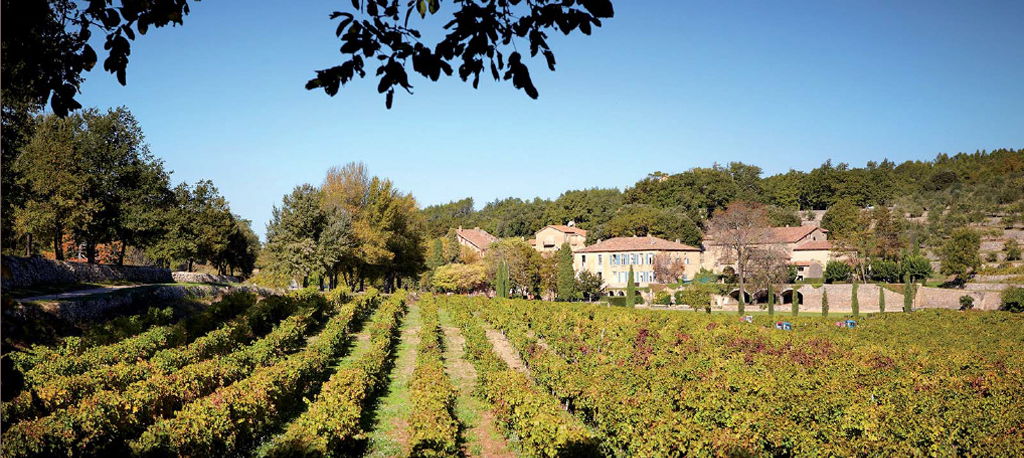

Château Miraval
Correns
Winery in Correns, France
 Book with Pearl
The Read
Provençal Terroir Precision
Why go
Château Miraval is worth planning around if the trip is a Provence wine occasion, not a casual tasting stop. The Marc Perrin winemaking connection and 1970 first-vintage history give it real wine credibility, but the logistics suit travelers who can build the day around Correns and keep backup options ready.
About Château Miraval
Should you plan a trip to Château Miraval in Correns? Yes, if the venue itself is a priority for your itinerary. The safest way to plan is to treat Château Miraval as a deliberate Correns stop and confirm practical arrangements directly before you go.
Château Miraval is in Correns, Marc Perrin is listed as chef/owner, the dress code is smart casual, and the venue holds Pearl 2 Star Prestige (2025). Before building a visit around services, schedules, menus, pricing, group capacity, or visitor format, check the current arrangements directly with the venue.
Plan Correns as the main stop, not a quick detour
Correns works well when you leave flexibility around the visit. Build the day around current details from Château Miraval's official channels rather than assuming a specific format or length of stay.
For comparison planning, you can look at Château Roubine, Château de Beaucastel, Château de Berne, Château de Roquefort, and Domaine Ott as other names to consider alongside Château Miraval. Do not treat any comparison as a substitute for confirming Château Miraval's current arrangements directly.
Who should prioritize it, and who should not
Prioritize Château Miraval if you specifically want to include a Pearl 2 Star Prestige (2025) venue in Correns and are comfortable checking details in advance. The smart-casual dress code gives at least one useful planning signal, but it does not indicate the visit format, pricing, hours, or services.
Do not make Château Miraval the only fixed point in a tight schedule unless you have checked current arrangements with the venue. If your plans require precise timing, group handling, or a specific service, check first and keep other Correns dining or other options in mind.
The verdict: Château Miraval is worth considering for travelers who specifically want this Correns venue and value its Pearl recognition. Plan carefully, dress smart casual, and rely on official confirmation for practical details.
Planning details
- Location
- Miraval, 83570 Correns
- Website
- miraval.com
- Phone
- +33 4 90 11 12 00
The take
The Take
The Vibe
Château Miraval reads as a terroir‑first Provençal estate: understated rather than showy, it emphasizes geological depth and agricultural rigor. Set on the cooler, limestone-and-clay plateau of inland Var, the property projects a calm, classical confidence born of decades in the vines. The narrative of biodiverse farming—Correns is France’s first fully organic village—adds a composed, restorative quality. Marc Perrin’s involvement reinforces a traditional, craft‑driven sensibility rather than celebrity gloss. Visitors encounter a vineyard landscape defined by mineral tension and garrigue aromatics; the overall impression is contemplative, grounded and quietly refined.
Best For
Château Miraval is best for travelers who come with wine first in mind: students of terroir, curious collectors and visitors seeking context about inland Provence find the estate particularly rewarding. Its documented history, with vintages stretching back to 1970, and placement in Correns support visits that prioritize tasting, comparison and conversation over coastal leisure. The property suits intimate special‑occasion visits and romantic escapes that value agricultural authenticity and privacy. Guests interested in organic viticulture and the ways limestone soils and garrigue flora shape aromatic profiles will get the most from a visit.
Tasting Tips
When tasting at Miraval, prioritize expressions that foreground place and age: ask about older vintages (the estate’s first documented 1970 vintage) and any cuvées influenced by Marc Perrin’s winemaking. Request pours that highlight limestone-and-clay minerality and the garrigue-driven aromatic register rather than commercially driven labels. Probe staff about the estate’s organic practices in Correns and how canopy management and yield discipline affect balance and structure. If possible, compare inland‑plateau expressions with coastal Provençal wines to taste the mineral tension the description emphasizes.
Venue details
Ambiance
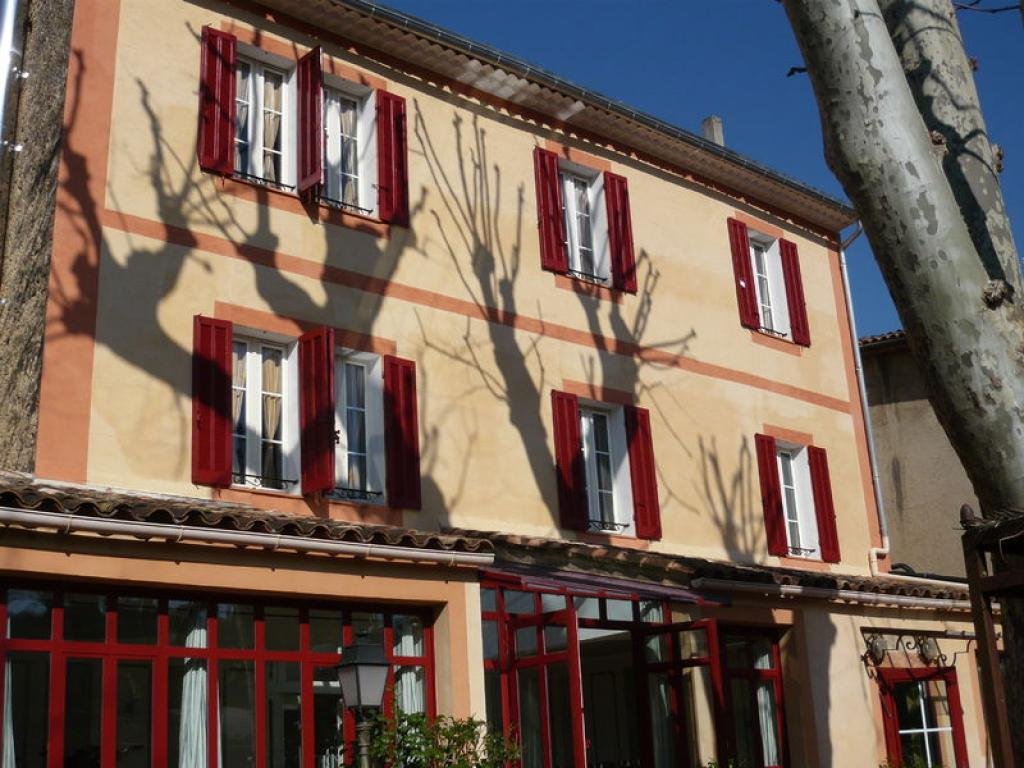
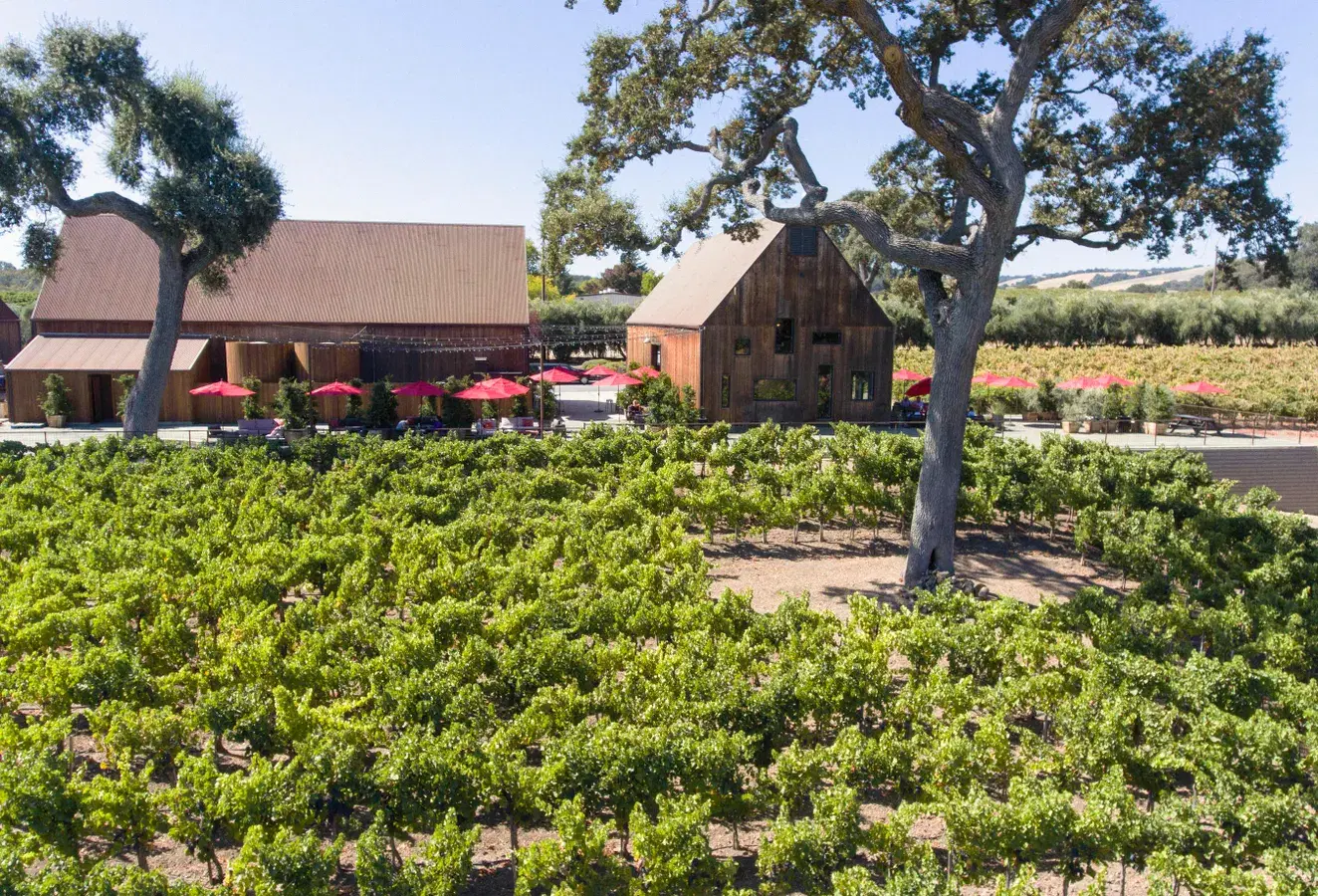
Enchanting oasis with lush gardens, ancient woods, olive groves, and a preserved wild setting evoking timeless Provençal elegance.
Tags
Vibe
Best For
Experience
Sourcing
View
At the Vineyard
- Appellation
- Côtes de Provence
- Varietals
- Grenache, Cinsault, Syrah, Rolle, Grenache Blanc
- Tour Duration
- 60-90 minutes
- Visits
- By appointment only
- Farming
- Organic
- Wine Styles
- Still Rose, Still Red, Still White, Sparkling
- Wine Club
- Not available
Know before you go
Know Before You Go
- Getting there
- Miraval, 83570 Correns
Planning details
Location
Recognition and awards
Also consider
Also Consider
- Château de Berne, Notable alternative
- Château de Beaucastel, Notable alternative
- Château Roubine, Notable alternative
- Domaine Ott, Notable alternative
- Château de Roquefort, Notable alternative
Winery context
How Château Miraval compares in Provence wine planning
Choose Château Miraval when recognition and occasion value matter more than ease. Compared with Château de Berne, it is the more name-driven choice for a special trip, while Berne is likely the safer cross-shop for travelers who want a fuller visitor-day structure. If the group includes casual drinkers as well as wine-focused guests, Berne may be the lower-friction plan.
Château de Beaucastel is the stronger peer for serious wine collectors who care about Rhône pedigree, while Miraval fits Provence-focused travelers who want the estate story and Correns setting. Domaine Ott is the better comparison for polished Provence rosé positioning; Miraval is more useful when the occasion benefits from a widely recognized name.
For alternatives, Château Roubine and Château de Roquefort are sensible backup names to keep on the shortlist if timing or access makes Miraval difficult. The practical move is to treat Miraval as the aspirational anchor, then hold one easier Provence estate in reserve so the day does not depend on a single booking outcome.
Explore Correns
Around this place
Discover more on Pearl
Unlock the full Château Miraval guide in Pearl, including awards, comparisons, FAQs, planning details, and nearby places.
Compare Château Miraval
| Venue | Location | Awards |
|---|---|---|
| Château Miraval | Correns | 2025 Pearl 2 Star Prestige |
| Château de Berne | Fargues | No published awards |
| Château de Beaucastel | Flayosc | 2025 Pearl 4 Star Prestige2023 World's 50 Best Vineyards · #34 |
| Château Roubine | Lorgues | 2025 Pearl 4 Star Prestige |
| Domaine Ott | Taradeau | 2025 Pearl 3 Star Prestige |
| Château de Roquefort | Taradeau | 2025 Pearl 2 Star Prestige |

How Château Miraval Correns compares with similar nearby venues.
FAQ
Frequently Asked Questions
How long should I plan for a visit to Château Miraval?
When is the best time to visit Château Miraval?
What other venues can I compare with Château Miraval?
For broader planning, compare Château Miraval with Château Roubine, Château de Beaucastel, Château de Berne, Château de Roquefort, and Domaine Ott. For Correns specifically, you can also consider other local dining options, but confirm details directly.
Is Château Miraval recognized by Pearl?
Yes. Château Miraval in Correns holds Pearl 2 Star Prestige (2025).
Who is associated with Château Miraval?
Marc Perrin is listed as chef/owner for Château Miraval. Contact the venue directly for current service, menu, or format details.
Can Château Miraval handle large groups?
Contact Château Miraval directly before planning for a group.